

Roses reward sharp blades and punish dull ones. A clean cut heals fast, channels energy into new growth, and keeps fungal pathogens from sneaking in through ragged wood. The right pair of pruning shears turns a Saturday morning chore into something closer to a rhythm: snip, set, snip, step back, repeat. Choose poorly and you’ll spend half the session wrestling sticky sap or pinching your palm on a handle that’s just a little too wide. This roundup pulls together ten options covering classic hand pruners, ergonomic adjustables, and cordless electric cutters for heavier work, so you can match the tool to the shape of your garden and the size of your hands.
The Leading Options At A Glance

DEWALT 20V MAX Pruning Shears (DCPR320B)

VOTREK 8.5″ Bypass Pruning Shears (C800)

VOTREK Bypass Pruning Shears 8.5″ (C800)
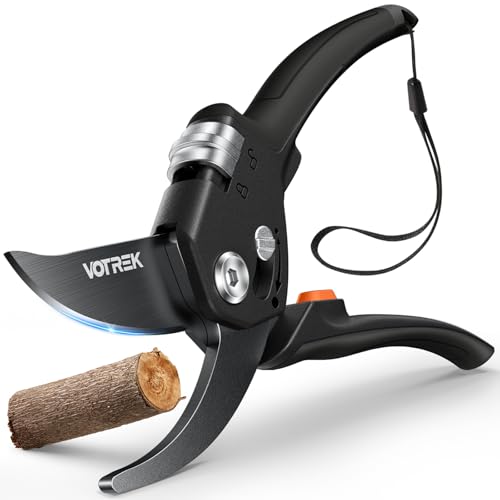
VOTREK 8.5″ Stepless Handle Garden Shears
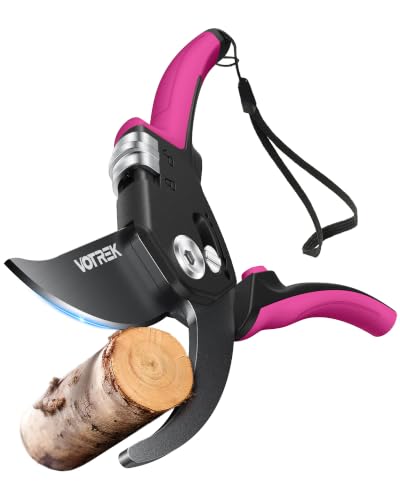
VOTREK Patented Stepless Handle Garden Shears
VOTREK Electric Pruning Shears (VT-ES40)

Felco F2 Swiss-Made Pruning Shears

VOTREK 8.5″ Stepless Handle Garden Shears (All Size)

Felco Replacement Blade (2/3) for F2/F4/F11
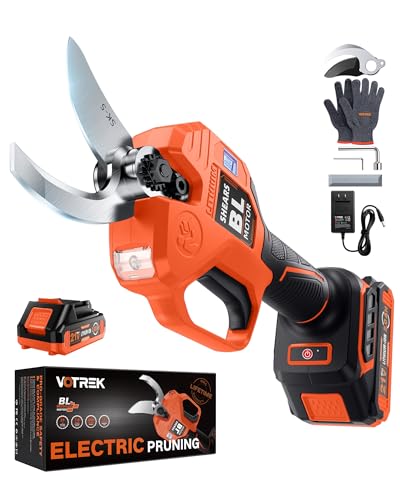
VOTREK Effort-Saving Electric Pruning Shears
Cordless pruners shift the hardest part of rose care from hand strength to battery runtime, and the DEWALT DCPR320B leans into that trade hard. It runs on the same 20V MAX platform many gardeners already own, so swapping a freshly charged pack from a drill or trimmer keeps you cutting through a full session without scrambling for an outlet.
For neglected climbers and shrub roses with thick, woody canes, the cut capacity in the one-and-a-half-inch neighborhood matters more than razor edge work. The non-stick coated upper blade helps sap slide past, and the on-board LED light makes those twilight pruning passes less of a guessing game. In our view, this is a serious tool for someone managing a yard, not a single patio rose.
Everyday Wins
- Cordless design removes hand fatigue on multi-hour pruning sessions
- Wide cut capacity handles thick rose canes that stall hand pruners
- Non-stick blade coating resists sap buildup during sticky cuts
- Interchangeable battery platform if you already own DEWALT tools
Points To Keep In Mind
- Bare-tool listing means battery and charger are sold separately
- Heavier than a hand pruner, so extended overhead work can tire your wrist
- Overkill for a tidy hybrid tea or two
Feature Snapshot
Who It Suits Best
Home growers with several large, woody rose bushes and a packed yard work schedule.
Where Another Pick Suits Better
For a small bed of compact patio roses, the VOTREK 8.5″ Bypass Pruning Shears stay simpler and lighter.
The C800 is the kind of pruner that quietly disappears into your day. Pick it up and the SK5 steel blade has enough bite for clean cuts on green rose canes, while the Teflon coating keeps sap from gluing the action shut halfway through the bed.
Where it earns its keep over cheaper stamped-steel pruners is the sealed spring. That small detail means the mechanism stays clean instead of slowly rusting open from accumulated debris, which tends to plague bargain-bin bypass clippers. The ambidextrous thumb lock is a thoughtful touch for left-handed gardeners, something the DEWALT above doesn’t pretend to solve.
Practical Advantages
- SK5 steel blade holds an edge through repeated rose cuts
- Teflon coating sheds sap for smoother operation
- Ambidextrous thumb lock works for left-handed users
- Sealed spring resists rust and jam-ups
Honest Caveats
- Best suited to green and semi-woody stems, not heavy old canes
- Plastic handle components may not survive drops onto stone patios
Made For
Routine deadheading and shaping work on a small to mid-size rose collection.
Skip It When
You mainly cut thick old wood, where the VOTREK Electric Pruning Shears step in with motorized help.
Sibling listings in the VOTREK C800 family cover the same general territory, with this version leaning into the low-maintenance angle. The dual-coated SK5 blade pairs a hardening treatment with the same Teflon non-stick layer seen on the listing above, so you get cleaner cuts and an easier wipe-down after a sap-heavy session.
For someone who treats pruning as part of a weekly garden routine rather than a spring fling, the sealed spring does most of the talking. Less time picking debris out of the pivot means more time actually shaping roses. The thumb lock is intuitive enough that beginners get it on the first try, and the 8.5-inch frame lands in that comfortable middle ground for most adult hands.
Good Reasons To Consider
- Dual-coated blade holds sharpness across a long season
- Sealed spring keeps maintenance to a quick wipe-down
- Easy thumb lock works for users new to bypass pruners
- Comfortable 8.5-inch frame for typical adult hands
Worth Noting
- Cut capacity tops out where most bypass hand pruners do
Right Fit For
Weekly gardeners who want a low-effort tool that survives sappy, dirty conditions.
Look Elsewhere When
You need a tool that everyone in the household can share comfortably, in which case the VOTREK 8.5″ Stepless Handle Garden Shears offer adjustable fit.
Standard pruners assume one hand fits all, and most households don’t work that way. This VOTREK model solves that with a dual adjustment system that tweaks both handle spacing and cutting width without tools, so a teenager, a grandparent, and anyone in between can pick up the same pair and not pinch their palm or overshoot small cuts.
For roses specifically, that adjustability matters because deadheading calls for smaller, more frequent cuts than general shrub trimming. One-handed operation keeps the other hand free to cradle a heavy bloom, and the SK5 blade with its non-stick layer keeps sap from dragging the action open mid-cut.
Positive Points
- Adjusts to fit small to extra-large hands
- Cutting width can be tuned for different stem sizes
- SK5 blade with non-stick coating for clean cuts
- One-handed operation leaves a free hand for rose stems
Some Limits To Know
- Adjustment sliders add moving parts that may loosen over years of heavy use
- Best for green stems, less so for thick old wood
Technical Sheet
Whose Shelf It Belongs On
Multi-generational households where several people share one gardening tool.
Consider Something Else When
Arthritis or weak grip strength is the main concern, in which case the VOTREK Patented Stepless Handle Garden Shears add a thumb slider for finer tuning.
Where the previous VOTREK model uses a broader dual adjustment, this patented version narrows the focus to a thumb-driven slider. That single control sets both handle span and blade opening, which translates into less fiddling and a more natural grip during long rose-pruning sessions. Seniors and gardeners with arthritis will appreciate that the slider can be tuned on the fly without setting the tool down.
The cutting head keeps the SK5 steel with Teflon coating, so sap wipe-off is the same one-pass affair you get elsewhere in the VOTREK family. In our view, this is the pruner that quietly answers a question many older gardeners ask: can something feel like an extension of the hand instead of a small clamp you’re fighting?
Strengths Worth Knowing
- Thumb slider tunes handle and blade opening in one motion
- Adaptable for arthritis, weak grip, or small hands
- SK5 blade with Teflon coating resists sap buildup
- Stepless adjustment means a precise fit, not just S/M/L
Trade Offs
- Slider mechanism adds complexity versus a fixed-handle pruner
- Cutting capacity matches typical hand pruners, not electric models
Best Suited To
Older gardeners or anyone with reduced hand strength who still wants precise control.
Not Your Match When
You want cordless power for thick rose canes, where the VOTREK Electric Pruning Shears handle the heavy lifting.
The VT-ES40 makes the case that electric pruners aren’t just for orchards. Two cutting modes, a narrow 0.71-inch opening for tidy deadheading and a wide 1.6-inch opening for thick rose canes, give it a versatility that single-purpose hand pruners can’t match. Pull the trigger and the brushless 600W motor handles the bite while your hand just guides.
The longer 2.0Ah battery runtime is a quiet upgrade that means fewer mid-session swaps. SK5 blades with Teflon coating match what the manual VOTREK pruners offer, so the cut quality is familiar. For gardeners whose roses have outpaced their grip strength, this is the model where effort-saving stops being a slogan and becomes the whole point.
Notable Gains
- Two cutting modes cover delicate and heavy work
- Brushless motor for longer motor life and quieter operation
- Extended runtime 2.0Ah battery for long sessions
- SK5 Teflon-coated blades match the manual line
Practical Considerations
- Heavier than a hand pruner, so wrist fatigue is possible overhead
- Battery and charger add to the overall cost beyond the tool
- Replacing blades requires care around powered components
Feature Card
Perfect Match For
Growers managing older roses with thick, woody canes who want less physical strain.
A Better Fit Elsewhere
For shaping a patio of small hybrid teas, the VOTREK 8.5″ Bypass Pruning Shears keep things simple and silent.
The Felco F2 has been the benchmark bypass pruner for so long that other brands tend to measure themselves against it. Forged aluminum handles keep weight down without feeling hollow, and the hardened steel blade takes a keen edge that holds through a busy pruning season. In rose beds specifically, that edge retention matters because deadheading wears blades faster than most gardeners expect.
The deeper argument for the F2 is its replaceable parts. Springs, blades, bolts, and even the handles can be swapped out, which means a single purchase can last decades with basic care. Compared to the DEWALT above, this is a quieter, lighter, more deliberate tool that rewards gardeners who actually maintain their equipment.
Everyday Advantages
- Forged aluminum handles balance lightness with strength
- Hardened steel blade holds a sharp edge through heavy use
- Replaceable parts extend the working life of the tool
- Swiss build quality tends to age well across decades of use
Less Ideal Details
- Premium pricing compared to other picks on this list
- Manual tool only, so woody canes still demand hand strength
Key Product Details
Who Will Love This
Gardeners who want a single, well-built pruner to maintain for many seasons.
Reach For A Different Pick When
Budget is the top concern and a serviceable tool will do, in which case the VOTREK 8.5″ Bypass Pruning Shears cost considerably less.
Functionally close to its sibling at pick four, this VOTREK listing leans into the all-size message: a single pair of shears that adapts to whoever grabs them first. The dual adjustment system handles both handle span and cutting width, which makes it a sensible default for shared garden sheds.
Roses are a forgiving test case for an adjustable pruner because stem thickness varies so widely across a single plant. The non-stick SK5 blade handles live cuts without dragging, and the one-handed design means the free hand can guide thorny stems out of the way. Compared to the electric VOTREK at pick six, this is the quieter, lighter option for routine shaping.
A Few Highlights
- Fits a range of hand sizes in a single household
- Adjustable cutting width matches stem thickness
- One-handed design keeps the other hand free
- Non-stick blade coating sheds rose sap
Things To Consider
- Adjustable parts can loosen after heavy seasonal use
- Best for green to semi-woody stems, not heavy old wood
Built With In Mind
Households where several people share tools and want one pruner that fits everyone.
Swap It Out When
You mostly cut thick old canes, in which case the VOTREK Electric Pruning Shears are built for that workload.
Not every entry on a rose-pruning list has to be a fresh tool, and this Felco replacement blade is the quiet hero of the category. If your current F2, F4, or F11 pruner has lost its bite, swapping the blade is faster and cheaper than buying a whole new tool, and the hardened steel construction matches the original part’s longevity.
Compared to throwing out a worn pruner, this is the kind of upgrade that makes sense for anyone who already invested in the Felco ecosystem. The swap is straightforward enough to handle with the included instructions, and the result is a pruner that cuts like new again, which matters when rose season arrives and you have a long list of bushes to shape.
A Favorable Mix
- Revives a worn Felco pruner instead of replacing it
- Hardened steel matches original blade durability
- Fits F2, F4, and F11 models for broad compatibility
- Straightforward swap with included instructions
Things To Weigh Up
- Only useful if you already own a compatible Felco model
The Right Fit
Existing Felco owners looking to extend the working life of a trusted pruner.
Another Choice May Suit
If you’re buying your first pair, the full Felco F2 makes more sense than a spare blade on its own.
The final entry on this list is the high-torque sibling of the VT-ES40 from pick six, with the same dual cutting modes and brushless motor approach. The headline difference is the explicit framing around effortless cutting: pull the trigger, let the motor handle the bite, and the pruner does the work your wrist would otherwise absorb on a long day of cane removal.
For gardeners with mature rose thickets, or anyone with hand or wrist limitations, that effort-saving angle changes how often you’ll actually sit down and tackle overgrown shrubs. The Teflon-coated SK5 blade handles clean cuts without sap drag, and the 1.6-inch opening covers the woody canes that hand pruners tend to bounce off of.
Key Advantages
- Effort-saving motor reduces hand fatigue on long sessions
- Dual cutting modes handle both trimming and woody canes
- Brushless motor designed for longer service life
- Teflon-coated SK5 blade stays sharp and resists sap
Details To Watch
- Heavier than any hand pruner on this list
- Battery charging adds a step compared to manual options
Feature Rundown
Who Should Grab It
Gardeners with established, woody rose beds who want cordless power without the cordless hassle.
Where A Sibling Pick Shines
For shaping and deadheading on small patio roses, the VOTREK Bypass Pruning Shears 8.5″ (C800) stay light and simple.
What Matters Most Before Choosing Pruning Shears For Roses
Start with the type of cut you make most often. Bypass pruners use two curved blades that pass each other like scissors, making them the standard for live rose stems because they slice cleanly without crushing the cambium (the thin layer of cells just beneath the bark that carries water and nutrients). Anvil pruners trap a stem against a flat plate and tend to crush live wood, so they show up more often in dead-wood removal than in active rose care.
Cut capacity matters more than people expect. A typical hand pruner tops out around three-quarters of an inch, which covers most hybrid tea stems but not the older canes on a shrub rose or climber. If your beds include mature plants, a wider opening or an electric model with a one-and-a-half-inch-plus capacity will save your hands.
Handle fit is the underrated decision. A pruner that’s slightly too wide will tire your palm within a session; one that’s too narrow will pinch. Adjustable models with sliders or step-less spans answer this without requiring you to guess from a sizing chart.
Blade material and coating are worth a close look. SK5 steel (a high-carbon tool steel prized for edge retention) holds an edge longer than standard stainless, and a Teflon or similar non-stick coating helps sap slide off instead of gumming up the action.
Weight and ergonomics show up after about fifteen minutes of deadheading. Forged aluminum handles keep weight down without feeling cheap, while plastic-bodied pruners can feel hollow or flex under heavy cuts.
Maintenance and replacement parts affect long-term cost. Felco in particular designs its pruners so springs, blades, and bolts can be replaced, which extends the working life of a single tool across many seasons. Cheaper pruners tend to be replaced as a whole when something gives out.
Smart Choices Before You Buy
Pitfalls Shoppers Hit
The most common mistake is choosing a pruner based on maximum cut capacity alone. A wide-opening anvil pruner looks impressive on paper, but on live rose canes it crushes more than it cuts, leaving wounds that invite cane dieback and disease. Match the tool to the wood, not the other way around.
Another trap is ignoring handle fit because the specs look fine on a chart. A pruner that doesn’t match the span of your hand will feel awkward within minutes, and an awkward grip is the most common reason people abandon a tool before its edge ever dulls.
Where The Extra Money Goes
Higher-tier pruners cost more for three reasons: better steel that holds an edge longer, tighter manufacturing tolerances that keep the blade aligned season after season, and replaceable parts that let you swap a blade or spring instead of replacing the whole tool. The premium pays off most for gardeners who prune weekly or who already know they want a single tool that will last many seasons.
Frequently Asked Questions
What blade type is best for roses?
Bypass pruners are the standard choice for live rose stems. The two curved blades pass each other like scissors and make a clean cut that heals quickly. Anvil pruners crush more than they slice, which is why they’re better suited to dead wood.
How often do pruning shears need sharpening?
For a home rose garden, a light honing every few weeks during the active season keeps cuts clean. Heavy users may need a full sharpening once or twice a year, depending on how much woody material they cut and how often they wipe the blade clean after use.
Can electric pruning shears damage rose canes?
When used correctly, electric pruners make the same clean bypass cut as hand pruners. The risk is rushing through cuts without aligning the blade, so it’s worth treating them with the same care you would a manual tool, especially on younger or thinner stems.
How do I prevent rust on pruning shears?
Wipe the blades clean and dry after each session, store the tool indoors rather than in a damp shed, and occasionally apply a thin layer of light oil to the pivot and blade surface. Sealed-spring designs reduce the amount of debris that reaches the internal mechanism.
Are adjustable handle pruners worth it for one person?
Yes, especially if your hand size, grip strength, or comfort changes seasonally, or if multiple people in your household share the same tool. A small adjustment makes a noticeable difference in fatigue over a long pruning session.
Final Verdict
Roses don’t need the most expensive pruner on the shelf; they need a sharp, well-fitting bypass blade matched to the size of your hand and the thickness of your canes. For most home gardeners, an SK5 bypass model with a non-stick coating is the comfortable middle ground, while electric options earn their place when woody canes or limited grip strength make manual work a chore. Match the tool to your bed, your hands, and your routine, and the rest of the season takes care of itself.
