

A raised bed changes how you garden. You skip the worst of the backache, you control your soil from day one, and you finally get serious yield out of a small footprint. The trouble is that the category has split into a few very different directions, and the right pick depends on whether you’re turning over a lawn, working a balcony, or rolling a citrus tree across the patio. The lineup below covers metal modular kits, elevated rolling planters, vertical tiered beds, and compact resin boxes, so you can match the bed to the space rather than the other way around.
An Overview Of The Picks

Vego garden 9-in-1 Metal Raised Bed Kit (Olive Green)
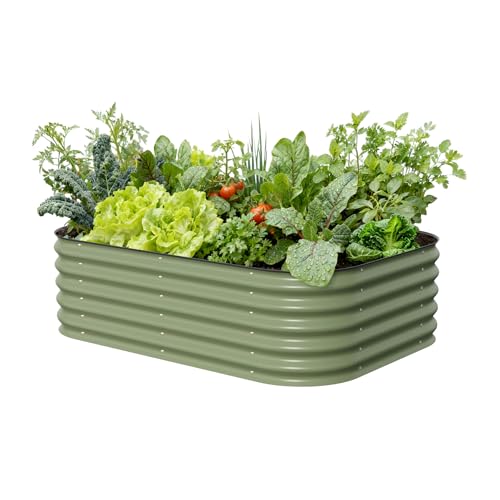
Vego garden 6-in-1 Modular Metal Raised Bed Kit
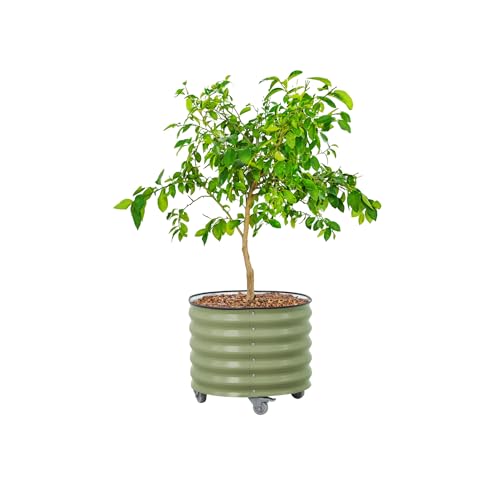
Rolling Metal Citrus Tree Planter Pot, 30 Gallon

Vego garden Rolling Elevated Raised Garden Bed 2′ x 4′
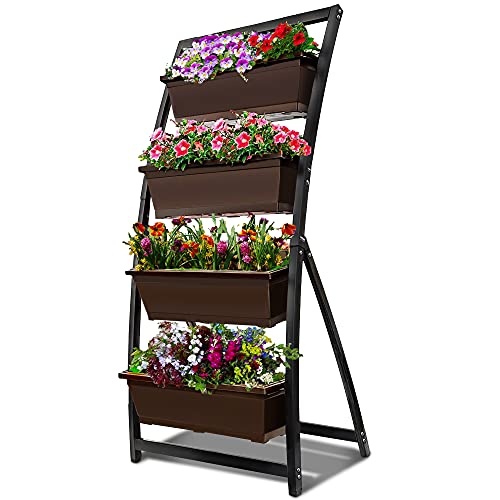
Outland Living 6-Ft Vertical Garden with 4 Bins

Elevated Raised Garden Bed with Trellis and Wheels
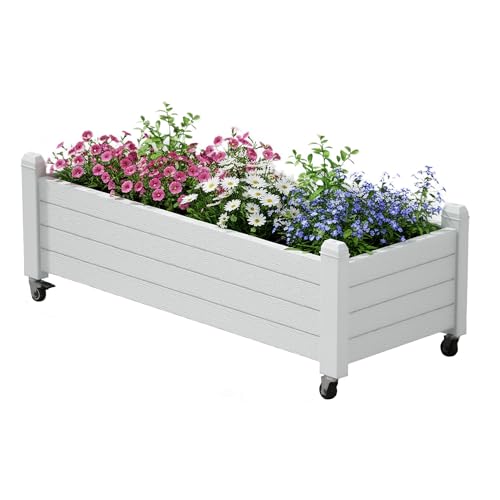
WTFGO Resin Raised Bed with Water Level Detector

WTFGO Elevated Raised Bed with Wheels, 33.7″ H

WTFGO Resin Rolling Raised Bed in Gray

WTFGO 33.7″ Divisible Resin Bed with Storage Shelf
More Details On Our Top Picks
Few raised beds give you as much room to redesign as this 9-in-1 kit from Vego garden. The panels arrive flat and bolt together into one of nine shapes, so a long 8 by 2 ft rectangle for salad greens or a pair of square beds flanking a path both come out of the same box. The metal itself is a zinc-magnesium-aluminum coated steel finished with an AkzoNobel paint, the kind of spec you’d normally see on agricultural roofing rather than garden beds.
At 17 inches tall, the walls give root crops like carrots and beets the depth they need, and you stop hunching quite so far over the soil. For most backyards with lawn that’s tired of being lawn, this is the kit that adapts to whatever you end up wanting to grow.
What Stands Out
- Nine shape options from one kit, useful when your plot isn’t a clean rectangle
- 17-inch wall depth supports deeper root systems and reduces bending strain
- Coated steel construction resists corrosion better than standard galvanized panels
- Olive green finish blends into herb and flower borders more easily than bright silver
Trade Offs
- The footprint is generous, so small patios will feel crowded with the longest configuration
- Assembly involves a number of bolts and panels, and a second pair of hands speeds things up
- Metal walls heat up in full summer sun, which can stress seedlings until canopies fill in
Who Should Grab It
Backyard growers who want one kit that can be reshaped as plans change, and who plan to grow deeper-rooted vegetables like carrots, beets, or short rows of potatoes.
Look Elsewhere When
The Vego garden 6-in-1 kit is a better match when you prefer rounded safety edges over rectangular panels, or when the available space is smaller and a six-shape layout is enough.
Compare that to Vego’s 6-in-1 sibling: smaller panel count, fewer possible layouts, but the same coated steel recipe and the same 17-inch height. The standout detail here is the oval-cornered top edge with a heavy-duty rubber cap, which matters if kids, pets, or older knees are anywhere near the bed during a busy harvest weekend.
With six possible configurations, the kit still flexes to fit a side yard or a narrow patio run. For most households gardening with younger helpers, this is the safer shape of the two Vego options, without giving up the deep root zone.
Real-World Strengths
- Rounded oval corners with rubber capping reduce scrape injuries during weeding
- 17-inch wall depth holds soil moisture and supports root development better than shallow beds
- Modular panels let you reconfigure later if your garden plan changes
- Same corrosion-tested coated steel as the larger 9-in-1 kit
Points To Note
- Fewer layout options than the 9-in-1 version, which can matter on oddly shaped lots
- Coated steel still warms up in direct afternoon sun, so mulch is your friend in July
Key Attributes
Right Fit For
Family gardeners and older growers who want a deep, long-lasting bed with a softer top edge and fewer pinch points.
Reach For A Different Pick When
The WTFGO Elevated Raised Bed with Wheels is the smarter call when you need waist-height ergonomics or want to roll the bed across a patio to chase the sun.
Raised beds aren’t only about vegetables. The 30-gallon rolling planter handles a small citrus tree, a young olive, or a chunky tomato cage without the wobble you’d expect from a typical patio pot. The 24-inch round footprint and 20.5-inch depth give root balls room to spread, and locking casters let you chase the sun through the seasons without dragging a heavy container across the deck.
Drainage holes are integrated into the base, which keeps the soil from turning anaerobic after a wet stretch. For most porches that switch between summer shade and winter sun, the rolling base earns its keep.
Key Advantages
- 30-gallon volume holds a young citrus or olive tree with room to grow
- Locking swivel wheels make repositioning across a patio genuinely simple
- Integrated drainage supports healthy roots in wet weather
- Metal construction handles weight and weather better than most resin pots
Things To Consider
- Once filled with moist soil, the planter is heavy even on wheels, so plan the final spot early
- A round 24-inch footprint takes more patio real estate than a square raised bed of similar volume
Who It Suits Best
Patio growers and small-yard citrus fans who want a tree-form container that can move with the seasons and survive repeated repositioning.
A Better Fit Elsewhere
The Vego garden Rolling Elevated Raised Garden Bed is the better pick when you’d rather grow shallow-rooted veggies and herbs at waist height than tend a tree.
The 2 by 4 ft elevated bed sits at waist height on a metal frame, with a lower storage rack for tools, soil bags, or a watering can. The 700 lb weight capacity is the headline number: this is the kind of planter you fill with a full soil load plus mature plants and still roll across the patio on its casters.
The same coated steel recipe carries over from the in-ground Vego kits, so the elevated bed inherits that corrosion resistance. Compare that to the resin rolling beds further down the list: heavier feel, sturdier frame, fewer concerns about UV brittleness after a few summers.
Useful Highlights
- Waist-height design removes most bending from the daily routine
- 700 lb capacity handles dense soil mixes plus mature plants without frame flex
- Built-in storage rack keeps tools and amendments close at hand
- Coated steel panels match the durability story of the in-ground Vego kits
Honest Caveats
- The frame adds assembly time compared with a simple ground-level kit
- On casters, very small thresholds can snag the wheels during repositioning
Feature Snapshot
Made For
Patio and balcony gardeners with back or knee concerns, anyone who wants a single rolling bed they can move as the seasons change.
Not Your Match When
The Outland Living Vertical Garden with 4 Bins is a better fit when floor space is the limit and you need to grow up the wall rather than out across the patio.
When the floor is small but the wall is open, this vertical tiered bed changes the geometry of the garden. Four separate container boxes stack along a 6 ft frame, giving you roughly 10 lineal feet of growing space inside a 6 sq ft footprint. Herbs up top, lettuces mid-level, trailing flowers at the bottom: the layout rewards a bit of planning.
It’s freestanding, so the unit works indoors near a bright window or out on a balcony. The honest read is that the bins are shallower than a full raised bed, which suits compact annuals far better than deep-rooted crops.
Strong Points
- Vertical footprint frees up patio or balcony floor space
- Four separate bins let you segregate herbs, greens, and ornamentals
- Freestanding frame works indoors or outdoors depending on light
- Tiered layout puts harvestable plants at eye level
Small Caveats
- Bin depth is shallow, so root vegetables and large tomatoes are not realistic
- Taller top tiers need stable footing, especially in wind on a high balcony
Best Suited To
Apartment and condo gardeners with a small balcony or a sunny indoor corner who want a vertical herb and salad setup rather than a full vegetable bed.
Where Another Pick Suits Better
The WTFGO Resin Raised Bed with Wheels is a smarter call when you need deeper soil volume for a small kitchen garden and prefer a single rolling container.
The 61.2-inch overall height puts a trellis, a planting trough, and a rolling base into a single vertical column. Climbers like roses, clematis, or sweet peas get a frame to grow up, while the lower trough handles herbs or shallow-rooted greens. The 360° swivel casters lock in place when the bed is where you want it.
It’s one of the more architectural options on the list, which matters if the planter sits next to a seating area. Depending on your sun exposure, you may find yourself rotating it more often than a fixed bed to keep growth even on all sides.
What Helps Most
- Integrated trellis supports climbing ornamentals and vining crops
- Lockable 360° casters reposition the whole unit without lifting
- Tall, narrow footprint suits small patios and balcony corners
- Combined trough plus trellis creates a 3D planting display
A Few Limitations
- Top-heavy design needs a level surface and locked wheels in windy spots
- Lower trough is shallower than full raised beds, so root depth is limited
Whose Shelf It Belongs On
Growers with a small patio who want a vertical centerpiece bed for climbing flowers or compact vines, paired with herbs at the base.
Swap It Out When
The WTFGO Elevated Bed with Wheels, 33.7″ H, is a better fit when you’d rather have a wider, waist-high bed for mixed veggies than a narrow trellis tower.
Resin changes the equation for new gardeners. At 13.3 inches tall, this rolling planter is light enough to nudge around a small patio, and the integrated water level detector removes one of the most common first-year mistakes: watering on a guess. Adjustable drainage holes add a second layer of control, so overwatering after a rainy stretch is harder to do.
For most balcony herb gardens, the trade-off between soil volume and simplicity lands in this bed’s favor. It’s the kind of planter you can leave for a long weekend without too much worry.
Notable Gains
- Built-in water level gauge simplifies watering for new gardeners
- Adjustable drainage lets you tune moisture for different herbs
- Resin build stays light enough to roll with one hand even when filled
- Compact footprint fits narrow balcony corners
Practical Considerations
- Resin can fade or become brittle after several seasons of intense UV exposure
- Smaller soil volume dries out faster in midsummer than deeper beds
Perfect Match For
First-time herb growers who want a forgiving, lightweight bed that helps them learn a watering rhythm without the weight of a metal kit.
Skip It When
The Vego garden 6-in-1 kit makes more sense once you’re ready for a deeper, in-ground bed that supports root vegetables over multiple seasons.
The 33.7-inch working height is the headline here. Weeding, planting, and harvesting all happen without kneeling or serious bending, which makes a real difference for anyone with a cranky back or stiff knees. The lockable swivel wheels let you roll the bed into morning sun and back into afternoon shade without dragging a heavy container.
Compared with the trellis-equipped WTFGO model further up, this one focuses purely on the ergonomic angle. Same story with drainage and resin construction, just simplified for growers who care more about comfort than vertical display.
What Pays Off
- 33.7-inch height takes most of the strain out of daily garden tasks
- Locking swivel wheels reposition the bed to follow sun exposure
- Resin build keeps total weight manageable when filled
- Sized for a single small kitchen garden, not a full backyard plot
Where It May Fall Short
- Soil depth is shallower than full-height raised beds, limiting root crops
- Resin finish can show scuffs more visibly than textured metal panels
Who Will Love This
Older gardeners, apartment growers, and anyone recovering from a back or knee issue who wants a waist-high bed they can still move around the patio.
Consider Something Else When
The Outland Living Vertical Garden fits better when you have wall space and want to grow upward rather than rely on a single elevated bed.
Same core recipe as the Ashen resin bed, repackaged in gray and aimed at a tighter budget. The 13.3-inch height, rolling casters, water level detector, and adjustable drainage carry over, which means the day-to-day experience is comparable: nudge the bed into the sun, read the gauge, water when the indicator tells you to.
The resin is the kind of practical middle ground between a cheap plastic pot and a metal kit. You may find the gray finish shows water spots over time, but a quick wipe solves it.
Practical Advantages
- Lower entry cost for a rolling, drainage-monitored bed
- Lightweight resin frame moves easily between sun and shade
- Water level detector removes guesswork from watering
- Compact footprint fits renters and small patios
Details To Watch
- Resin panels can warp slightly under sustained direct sun in southern climates
- Smaller soil volume means more frequent watering in midsummer
The Right Fit
New gardeners testing the waters with a small herb or salad setup who want the features of a premium rolling bed without the higher spend.
Another Choice May Suit
The WTFGO 33.7″ Divisible Resin Bed is the smarter pick once you want a taller, ergonomic working height with extra storage.
The closing slot goes to the most layered of the WTFGO beds: a 33.7-inch elevated planter with a divisible interior, a drainage gauge, and a storage shelf underneath. The divisible design lets you grow herbs on one side and salad greens on the other without their root systems tangling, which is helpful in a single trough setup.
The shelf under the bed earns its place for small tools, a watering can, or a bag of soil. For most small patios where every surface has to do double duty, that under-bed storage quietly solves a real problem.
Why It Works Well
- 33.7-inch ergonomic height reduces bending and kneeling
- Divisible interior separates herbs from greens cleanly
- Under-bed shelf holds tools and amendments in one spot
- 360° locking wheels reposition the bed to chase sun
Possible Compromises
- Resin build holds less total soil than a metal elevated bed of similar height
- More parts in the box mean a longer first-time assembly
Built With In Mind
Small-space gardeners who want a single bed that handles watering, sun tracking, and tool storage without needing a separate garden shed.
Where A Sibling Pick Shines
The Vego garden Rolling Elevated Bed is worth the upgrade when heavier soil loads, longer lifespans, or sturdier metal panels matter more than under-bed storage.
What Matters Most Before Choosing Raised Bed Planters
Material And How It Ages
Metal kits handle weather and heavy soil loads without complaint, and a coated steel panel can last for many seasons before any surface wear shows up. Resin beds are lighter, easier to move, and friendlier on a small patio, though they tend to fade or become brittle under years of intense UV. Wood sits between the two on warmth and look, but requires more attention over time. Pick the material that matches the weather you actually get and the maintenance you’ll realistically do.
Depth, Height, And Your Knees
Bed depth controls what you can grow. Anything under about 10 inches suits herbs and shallow greens, while root vegetables and small fruit shrubs want 14 inches or more. Elevated beds add a working height on top of the soil depth, which is the real benefit if bending or kneeling is a concern. Match the working height to your own comfort, not a generic ergonomic number.
Footprint And Access
A long rectangular bed looks generous on paper, but you still need to reach the middle without stepping into the soil. Keep the interior width under about 4 ft so you can plant and weed from either side. For balconies and small patios, vertical tiered beds or compact rolling planters stretch the usable space more than another wide rectangle would.
Mobility And Drainage
Rolling casters earn their keep when the bed moves with the sun through the day, or rolls indoors for winter. Drainage is just as important: a bed that holds water like a bathtub will rot roots faster than any other mistake. Look for adjustable drainage holes or an open base that lets excess water escape.
Things Worth Weighing Before You Buy
Pitfalls Shoppers Hit
The most common slip is buying a bed sized for the dream garden rather than the real space. Measure the spot first, including how you’ll reach around the bed and how much sun actually lands there in midsummer. Another trap is ignoring total weight once the bed is filled with wet soil. A lightweight resin planter on casters feels very different after a heavy rain, and a metal kit on a balcony deserves a quick check on the load rating before it goes up.
When Paying More Pays Off
Higher-tier metal kits tend to buy you longer panel life, better fasteners, and safety details like rubber-capped edges. The extra spend makes sense for a permanent backyard bed you’ll fill once and tend for years. For a rolling patio bed you might rearrange each season, the upgrade matters less, and a mid-tier resin model often delivers the day-to-day features you actually use. Match the spend to the lifespan you expect from the bed, not to the most expensive listing in the category.
Frequently Asked Questions
How deep does a raised bed need to be for vegetables?
Most vegetables do well at 10 to 12 inches, but root crops like carrots and beets prefer 14 to 17 inches for proper development. Herbs and salad greens can get by with less, which is why shallow rolling planters work for kitchen herb setups.
Can raised beds sit directly on grass?
In-ground metal and modular kits sit fine on a cleared, leveled patch of lawn, and many gardeners place cardboard or landscape fabric underneath to suppress weeds. Elevated and rolling beds work on any flat patio surface since the base is the planter itself.
Are metal raised beds safe for growing food?
Coated steel panels from reputable makers use food-safe finishes designed for garden contact. The corrosion resistance of zinc-magnesium-aluminum coatings is the reason these beds hold up outdoors year after year.
How often do raised beds need watering?
Watering frequency depends on bed depth, soil mix, and weather. Shallow resin beds in full sun may need daily watering in midsummer, while deeper in-ground kits with mulch on top can go several days between soakings. A water level detector helps new gardeners find the rhythm faster.
Do raised beds need to be replaced every few years?
Quality metal kits can last many seasons with minimal surface wear, while resin beds may fade or become brittle after several years in intense sun. Wood beds fall in between, depending on the species and whether they’ve been sealed. The honest read is that the bed outlasts the soil inside it, which is usually the first thing you’ll refresh.
