

Turning a patch of stubborn ground into a planting bed takes the right tool, and the rear tine tiller category can overwhelm anyone comparing engine types and tine widths. Most weekend gardeners actually need a compact, approachable machine that handles raised beds, clay patches, and seasonal prep without dominating the shed. This roundup pulls together ten practical options built for small to mid-size yards, focusing on what each one genuinely brings to your weekend routine.
A Side-By-Side Look
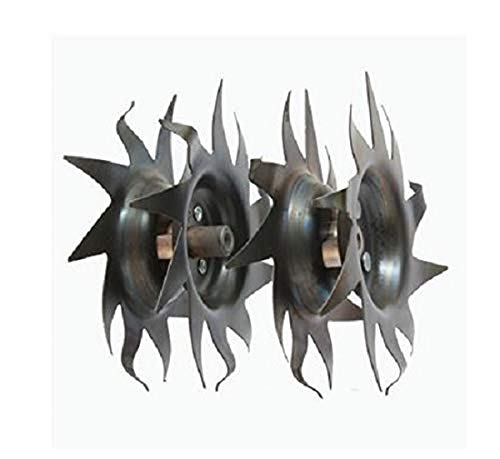
Mantis 1622 Power Tiller Tines (Red)

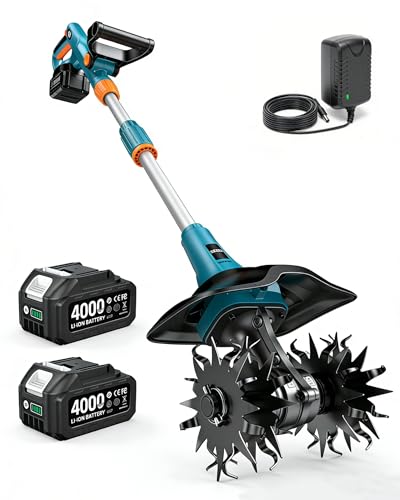
Seesii 20V Cordless Tiller Cultivator


Honda FG110 Mini Tiller Cultivator

BILT HARD 14″ Electric Tiller Cultivator

Mini Cordless 20V Tiller Cultivator

GARDTECH 235RPM Cordless Tiller

GARDTECH 235RPM Single-Battery Tiller

GARDTECH 2-in-1 Tiller with Extension Pole
Inside Each Recommended Option
If you already own a Mantis cultivator and the original tines have dulled down to nubbins, the Mantis 1622 replacement tines keep that little machine doing what it does best. The serpentine design (a curved, snake-like tine shape) chews through packed soil and hard clay far more aggressively than straight blades of the same length.
These are components, not a complete machine, so the value depends entirely on whether you already have a compatible Mantis. Tilling depth reaches roughly 10 inches with a 9-inch width, which matches the original factory performance on most Mantis models.
Notable Gains
- Curved serpentine tines slice compact soil and clay cleanly
- Restores factory tilling depth and width on existing Mantis units
- Genuine Mantis component, so fit stays consistent
- Far cheaper than replacing the whole tiller when blades dull
Things To Consider
- Not compatible with the XP, 3550, or 3558 Mantis models, so double-check your unit first
- The tiller itself is not included, limiting usefulness for first-time owners
Whose Shed It Belongs On
Existing Mantis tiller owners whose original tines have worn down and need a direct factory replacement.
Where Another Pick Suits Better
First-time shoppers should look at the Honda FG110 Mini Tiller Cultivator instead, since it ships as a complete ready-to-run machine.
The Seesii 40V Cordless Tiller trades gas-engine hassle for a battery platform that actually delivers torque where raised beds need it. A 320W motor drives four steel tines through compacted soil, stubborn roots, and clay patches that would stall a smaller 20V unit.
For gardeners managing multiple raised beds across a larger yard, the cordless design removes extension-cord shuffling and lets you reach the far corner of the property. The 12-inch tilling width covers a meaningful strip per pass without feeling unwieldy around tight bed frames.
Positive Takeaways
- 40V battery platform delivers noticeably more torque than typical 20V hand tillers
- Cord-free operation reaches far garden corners without power outlet hunting
- Four steel tines handle clay and small root systems that bog down weaker units
Worth Noting
- Heavier than the 20V Seesii sibling, so extended use may tire out smaller gardeners
- Runtime depends entirely on battery capacity, so having a spare battery helps for larger plots
Feature Snapshot
Made For
Gardeners with several mid-size raised beds who want cordless convenience and stronger torque than entry-level 20V models offer.
Not Your Match When
Someone needing an ultralight tool for one-handed use should consider the Mini Cordless 20V Tiller Cultivator, which weighs far less.
Seesii’s 20V Cordless Tiller Cultivator positions itself as an all-in-one soil tool rather than a single-purpose machine. It breaks ground, mixes compost into existing beds, loosens compacted patches, and aerates the surface for better water and nutrient absorption.
For gardeners who already work a Seesii battery platform, this unit slots in without adding a new charger to the collection. Compared to the larger 40V Seesii above, this 20V model trades raw torque for easier handling in tight flower beds and small kitchen gardens.
Real-World Strengths
- Functions as tiller, cultivator, and soil mixer in one tool
- Shares batteries with other Seesii 20V garden tools for convenient charging
- Cordless design works anywhere in the yard without outlet access
- Useful for seasonal compost mixing without renting a larger machine
Trade Offs
- 20V platform lacks the torque to chew through unbroken sod or heavy clay quickly
- Battery life runs shorter on thick, root-filled soil than on loose prepared beds
Right Fit For
Home gardeners maintaining existing beds who want one tool to till, mix, and aerate without swapping machines for each task.
Skip It When
Breaking new ground in dense clay calls for the BILT HARD 14″ Electric Tiller Cultivator, which delivers corded power without battery limits.
The BARAYSTUS Hand Tiller is the simplest tool in this roundup: no motor, no battery, no cord, just sharp curved tines on a twist handle. You stick it into the soil, rotate the grip, and the longer-than-average tines dig deeper and wider than typical hand cultivators.
For small flower beds, herb patches, and spot aeration, a manual twist claw often makes more sense than dragging out a powered tool. It weighs next to nothing, stores in a drawer, and costs less than a tank of gas for a larger tiller.
The Value In It
- Zero operating cost since no fuel, battery, or cord is required
- Longer curved tines dig deeper than standard hand cultivators
- Stows in a small shed or garage without taking floor space
- Silent operation suits early-morning gardeners in close neighborhoods
Points To Note
- Physical effort scales with soil hardness, so compacted clay gets tiring fast
- Slow coverage on anything bigger than a modest flower bed
- Sharp tines require careful handling around stored tools and foot traffic
Quick Facts
Best Suited To
Gardeners with small flower beds or herb patches who prefer a quiet, fuel-free tool for occasional soil loosening.
Consider Something Else When
Tilling a full vegetable plot is faster and easier with the BILT HARD 14″ Electric Tiller Cultivator, which brings real motor power to the job.
The Honda FG110 is the gas-powered exception in a list otherwise dominated by electric and manual tools. Its Honda GX25 mini four-stroke engine is the same family of powerplant used in commercial-grade handheld equipment, with a reputation for easy starting and years of reliable service.
Patented hybrid tines are split between digging angles and cultivating angles, so the FG110 breaks new ground and works existing beds without swapping accessories. For a serious gardener who wants gas-engine longevity without the bulk of a full-size rear tine tiller, this is a natural fit.
Good Reasons To Consider
- Honda GX25 four-stroke engine is known for dependable cold starts
- Hybrid tine design handles both breaking ground and cultivating existing beds
- Gas power delivers runtime limited only by fuel, not battery charge
- Compact frame maneuvers between rows better than full-size tillers
Honest Caveats
- Gas engine needs fuel mixing knowledge and periodic maintenance like oil checks
- Louder than any electric option on this list, so consider neighborhood context
- Heavier than cordless cultivators, which can matter for older gardeners
Details At A Glance
Who Should Grab It
Long-term gardeners who want a gas-powered workhorse with Honda reliability and don’t mind basic engine upkeep.
A Better Fit Elsewhere
Anyone seeking quiet, low-maintenance electric convenience may prefer the GARDTECH 235RPM Cordless Tiller, which skips fuel entirely.
The BILT HARD 14″ Electric Tiller Cultivator brings serious corded power to a category where many electric options feel underbuilt. A 10-amp motor spins at up to 17,000 RPM and turns four rust-resistant steel tines that cultivate a 14-inch-wide path up to 8.7 inches deep.
Two-position 6-inch wheels let you set the working height for different tilling depths, then fold the handles down for lean storage in a garage corner. At roughly 18 pounds, it carries more weight than handheld cultivators but stays manageable for most adults.
What Pays Off
- 10-amp corded motor avoids the runtime limits of battery-powered competitors
- 14-inch width covers ground faster than most handheld cordless cultivators
- Foldable handle design saves space in small garages and sheds
- Adjustable wheels match different soil conditions and tilling depths
Room For Improvement
- Corded design requires a nearby outdoor outlet or heavy-gauge extension cord
- Heavier than handheld cultivators, which can wear on smaller gardeners
- Not suited to areas far from a power source, unlike cordless options
Perfect Match For
Gardeners with a mid-size plot near an outdoor outlet who want real tilling muscle without gas-engine maintenance.
Look Elsewhere When
Working a far corner of the property without power access is easier with the Seesii 40V Cordless Tiller 12″, which runs on battery.
The Mini Cordless 20V Tiller Cultivator weighs about 2.6 pounds, which lands it firmly in the one-handed cultivator category. The ultralight body targets seniors, women, and anyone who has put down a heavier tool because of wrist or shoulder fatigue.
Two included 2.0Ah batteries let you swap in a fresh pack and keep working without waiting for a recharge, which is the kind of detail that makes a small tool feel practical instead of limiting. The trade-off is depth: this cultivator loosens topsoil and works compost into beds rather than breaking new ground.
What Helps Most
- 2.6-pound body is light enough for one-handed operation without strain
- Twin batteries extend runtime for longer weeding and cultivation sessions
- No cord limits reach into awkward corners of the yard
- Quieter than gas tillers, fitting early-morning garden routines
Factors To Consider
- Light build means it cannot break hard, unbroken ground effectively
- Smaller tilling width per pass than mid-size electric options like the BILT HARD
Who Will Love This
Seniors, smaller-framed gardeners, and anyone who wants an ultralight cultivator for raised bed maintenance without heavy lifting.
Another Choice May Suit
Breaking new ground in heavier soil calls for the BILT HARD 14″ Electric Tiller Cultivator and its 10-amp corded motor.
GARDTECH’s cordless tiller runs at 235 RPM with four hardened 65Mn steel tines (a high-carbon manganese steel known for impact resistance) cutting a 4-inch-wide by 4-inch-deep path. That footprint suits flower beds, garden rows, and weedy patches where a full-size tiller would feel like overkill.
Two 2.0Ah batteries come in the box, so you can swap packs and finish a weeding pass without waiting for a recharge. For weekend gardeners who cultivate the same beds every few weeks, the battery runtime and consistent tine speed make this a comfortable routine tool.
Standout Benefits
- Twin 2.0Ah batteries keep the session going without mid-task charging
- 65Mn steel tines resist bending when hitting small rocks and roots
- 4-inch tilling depth suits annual bed prep and seasonal weeding
- Cordless design reaches beds far from any outdoor outlet
Small Caveats
- 4-inch tilling width means more passes than wider units like the BILT HARD 14″
- Smaller tine size suits annual cultivation, not heavy sod breaking
The Right Fit
Weekend gardeners who cultivate the same flower and vegetable beds on a recurring schedule and want predictable cordless performance.
Where A Sibling Pick Shines
For one-handed ultralight use, the Mini Cordless 20V Tiller Cultivator is even lighter and easier on the wrists.
The single-battery GARDTECH 235RPM Tiller trims the twin-battery design down to one 2.0Ah pack for gardeners who only need short cultivation sessions. The motor, tine speed, and 4-inch tilling path match the dual-battery version above, so performance per minute is identical.
Without a second battery in the box, this version suits occasional users who cultivate a small bed once a week rather than working through a long session. The yellow housing also helps the tool stand out in a crowded shed, which sounds minor until you spend ten minutes hunting for the right one.
The Case For It
- Same 235 RPM motor and tine geometry as the twin-battery GARDTECH model
- Simpler one-battery setup works well for short, infrequent sessions
- Bright yellow housing is easy to spot in a busy garden shed
- 4-inch tilling path fits neatly between vegetable rows
Areas To Watch
- Single battery limits runtime, so larger plots may need a recharge break
- No spare pack included, unlike the twin-battery GARDTECH variant
Built With In Mind
Occasional gardeners who only need short cultivation bursts and prefer a simpler one-battery tool without paying for a second pack.
Swap It Out When
Longer sessions benefit from the GARDTECH 235RPM Cordless Tiller with twin 2.0Ah batteries already in the box.
The GARDTECH 2-in-1 converts between a handheld cultivator and an extended-reach tool thanks to an included 3.5-foot extension pole. That flexibility matters for raised bed work where kneeling or bending gets old fast, and for gardeners who want to stand upright while working a row.
Two 2.0Ah batteries and the same 235 RPM motor and 4-inch tilling path as the other GARDTECH models round out the package. Compared to the basic GARDTECH 235RPM Cordless Tiller, the addition of the extension pole is the main reason to spend a bit more.
Practical Pluses
- 3.5-foot extension pole saves knees and back on raised bed work
- Twin batteries extend runtime for longer cultivation sessions
- Handheld mode still works for tight spots the pole cannot reach
- Same 235 RPM tine speed as the standard GARDTECH model
Potential Compromises
- Extension pole adds length to store compared to the standalone cultivator
- Higher cost than the single-battery GARDTECH model without a major performance jump
Feature Card
Whose Garden It Suits
Gardeners with multiple raised beds who want to stand upright while cultivating and value the handheld option for tight corners.
Reach For A Different Pick When
Compact storage matters more than reach, so consider the GARDTECH 235RPM Cordless Tiller without the extension pole attachment.
What To Weigh Before Choosing Rear Tine Tillers Under 1000
Power Source And Runtime
Cordless tillers give you freedom from outlets and gas but limit runtime to battery capacity. Corded electric units run as long as you can keep them plugged in, yet they tether you to a power source. Gas engines like the Honda GX25 in the FG110 deliver the longest sessions but bring fuel, oil, and noise into the routine. For raised bed work close to home, cordless often makes the most sense, while larger plots benefit from corded power or gas endurance.
Tilling Width And Depth
A wider path covers more ground per pass, which speeds up larger plots but reduces maneuverability around tight bed frames. Most hand-held cultivators in this list work a 4-inch path, while mid-size electric tillers like the BILT HARD stretch to 14 inches. Depth matters more for breaking new ground than for maintaining existing beds, so established gardens usually need less.
Tine Material And Design
Steel tines resist bending when they hit rocks and roots, and 65Mn steel (a manganese-alloyed high-carbon steel) holds up particularly well to impact. Curved serpentine tines like those on the Mantis 1622 chew through clay more aggressively than straight blades, and reversible tine direction can sometimes help in heavy conditions.
Weight And Storage
Lighter cultivators in the 2 to 4 pound range work for one-handed use and easy storage, but they cannot break hard ground. Heavier units like the BILT HARD at 18 pounds deliver more power yet demand more storage space. Foldable handles, like those on the BILT HARD, help a heavier tool fit in a smaller garage corner.
Mistakes Worth Dodging And Where The Extra Money Goes
Wrong Turns To Avoid
Picking a tiller based on peak motor wattage alone often leads to disappointment, since real soil performance depends on tine geometry, weight, and battery capacity. Buying a large rear tine tiller for a small urban garden usually ends with the tool sitting unused in a shed. Ignoring storage dimensions, especially for foldable designs, can mean a tiller that does not actually fit in the garage. Skipping battery spares on cordless models limits runtime in ways that may not show up until the first big weekend project.
What The Higher Tier Buys
Stepping up to a higher-tier rear tine tiller typically means a stronger engine or motor, more durable tines, and wider tilling paths that finish large plots in fewer passes. The Honda FG110 earns its premium positioning through the Honda GX25 engine and proven long-term reliability, while the BILT HARD brings corded 10-amp power to mid-size plots. For a small urban gardener, the upgrade is rarely worth the cost, but for anyone managing a quarter-acre vegetable garden, the time savings across a season add up quickly.
Frequently Asked Questions
What size garden suits a rear tine tiller under 1000?
For gardens up to a quarter acre, a compact tiller handles seasonal bed prep and cultivation without the bulk of a full-size machine. Larger properties usually need a heavier rear tine tiller with more horsepower.
Are cordless tillers powerful enough for clay soil?
Many cordless tillers handle loose or previously worked clay without trouble, but unbroken clay benefits from higher voltage platforms like the 40V Seesii or a corded unit like the BILT HARD.
How long do cordless tiller batteries last?
Battery life depends on soil density and tine load, but most 2.0Ah packs deliver 20 to 40 minutes of typical cultivation. Having a spare battery, as included with several GARDTECH models, eliminates mid-task downtime.
Can a hand tiller replace a full-size rear tine tiller?
Hand tillers and cultivators like the BARAYSTUS Twist Garden Claw work well for small beds and routine maintenance, but they cannot replace a full-size tiller for breaking new ground on large plots.
How do I maintain a cordless tiller?
Keep tines clean and free of caked soil after each session, store batteries in a dry temperature-controlled space, and check that ventilation slots stay clear. Most cordless tillers need very little else between uses.
Bottom Line
For most home gardeners, the right rear tine tiller is the one that matches your bed size, power tolerance, and storage space rather than the one with the biggest motor. A cordless cultivator covers routine bed prep with minimal hassle, a corded unit like the BILT HARD handles larger plots, and the Honda FG110 brings long-term gas reliability for serious gardeners. Match the tool to the job, and your weekends get easier instead of more complicated.
