

A reblooming iris is one of the rare perennials that pulls double duty in the garden, sending up its first flush of flowers in late spring and then circling back for a second round in late summer or fall. The trick is picking varieties that match your climate, your soil, and the look you actually want, because not all rhizomes behave the same once they hit the dirt. This shortlist focuses on four bearded rebloomers that cover the spread from compact borders to tall, fragrant showpieces.
A Side-By-Side Look

Persian Berry Bearded Reblooming Iris Rhizome

Let Evening Come Bearded Reblooming Iris Rhizome

Sapphire Autumn Circus Reblooming Tall Bearded Iris
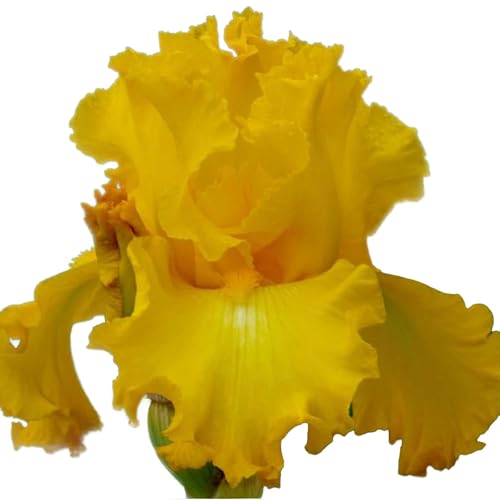
Big as The Moon Bearded Iris (Iris germanica) Potted
Inside Each Recommended Option
Persian Berry is the bearded rebloomer you plant when you want a reliable late-spring show followed by a quieter encore in fall, and you don’t want to fuss over the rhizome once it goes in the ground. The plant settles into a wide climate range, generally performing well in USDA hardiness zones 4 through 9, which is one of the broader comfort zones on this list. For most home gardeners, that flexibility is the whole pitch.
Stems typically top out somewhere in the 12 to 36 inch range, so you can use Persian Berry near the front of a mixed border or stretch it toward the middle without losing the flowers behind taller foliage. The color leans toward the soft, smoky side of the bearded iris palette, which plays nicely against darker greens and silver-leafed companions. Compared with the let Evening Come pick below, Persian Berry tends to read as the more landscape-friendly, less dramatic option of the two.
Everyday Advantages
- Hardy across roughly zones 4 to 9, giving you more planting flexibility than many bearded varieties
- Perennial habit means a single planting keeps returning year after year
- Cut stems work well in arrangements, so the show extends indoors
- Prefers well-drained soil in part to full sun, fitting most average garden beds
Things To Weigh
- Ships as a single bare rhizome, so the first-season flower count is often modest
- Rebloom timing can vary by climate, and northern gardeners may see a lighter second flush
Feature Snapshot
Right Fit For
Zone 4 to 9 gardeners who want a low-maintenance bearded rebloomer that settles into mixed perennial borders without coddling.
Swap It Out When
You want a taller, more architectural stem line for the back of a border, in which case the Sapphire Autumn Circus tall bearded iris is the better reach.
Let Evening Come carries a deeper, more brooding color profile than Persian Berry, with petals that shift toward the plum and indigo end of the bearded iris range. It’s the kind of tone that anchors a planting rather than blending in, and it tends to look its best in late-day light when the deeper shades catch a little glow. For a quiet sensory corner near a patio, the effect is genuinely worth planning around.
Like Persian Berry, this one ships as a single rhizome, which is the most affordable way to add bearded rebloomers to a bed. You may find the first year feels a little sparse, but established clumps fill in quickly when the soil drains well and the rhizome gets its preferred dose of sun. Think of it as the entry-level bearded rebloomer for gardeners who care more about color than container convenience.
Useful Highlights
- Deep, dusky tones that stand out against lighter green and silver foliage
- Perennial growth habit keeps the planting self-renewing
- Tolerates part to full sun in well-drained soil
- Cut flowers travel well for small indoor arrangements
Honest Caveats
- Rhizome-only shipping means less instant visual impact in year one
- Color leans dark, so it can recede in heavily shaded sections of the garden
- Rebloom performance depends on summer moisture and mild late-summer nights
Whose Garden It Belongs In
First-time iris growers who want a richly colored, low-cost bearded rebloomer and don’t mind waiting a season for a full clump.
Look Elsewhere When
You’d rather start with a fully leafed-out plant in a quart container, in which case the potted Big as The Moon bearded iris gives you that head start.
Sapphire Autumn Circus is the tallest entry on this list, pushing toward 34 to 40 inches once established, which puts it firmly in tall bearded iris territory. The “tall bearded” label simply means the stalks rise well above the foliage fan, giving you a clear vertical line for the back of a border or the center of an island bed. Compared with the more compact Persian Berry, this is the iris you plant when you want height as part of the design.
It handles cold more aggressively than some rebloomers, generally performing across zones 3 to 9, so northern gardeners get a wider window. The variety is also known for a wider color play than many bearded types, with petals that often combine blue-violet and white markings in the same bloom. For most mixed perennial plantings, a single clump reads as a focal point rather than filler.
Notable Gains
- Stature up to roughly 40 inches gives you a real back-of-border anchor
- Hardy from zone 3 through zone 9, covering colder climates that struggle with some rebloomers
- Perennial and easy to care for once soil drainage is handled
- Works as a cut flower for tall indoor arrangements
Points To Note
- Taller stalks can flop in exposed, windy sites without staking
- Ships as a rhizome, so plan for a slow first-season fill-in
- Rebloom timing depends heavily on late-summer moisture and dividing mature clumps every few years
Quick Facts
Made For
Gardeners in zones 3 to 7 who want a tall bearded rebloomer for the back of a border or the center of an island bed.
Reach For A Different Pick When
You’d rather skip the staking and prefer a shorter, more fragrant option near a seating area, in which case Big as The Moon bearded iris is the more relaxed match.
Big as The Moon is the only potted option in this roundup, and that single detail changes the whole ownership experience. Instead of waiting on a bare rhizome to wake up, you receive a quart-size container with a growing plant, which means visible foliage the day you set it in the soil. The variety also adds two features the other picks don’t lean on: fragrance and a soft, sunny yellow color with upturned, ruffled falls.
Stargazer Perennials lists a 40-inch mature height and a hardiness range of roughly zones 3 to 10, which is the broadest climate comfort zone on this list. You’ll also get a documented deer and rabbit resistance note, plus a stated attraction for butterflies and hummingbirds, which is a nice bonus near a pollinator border. For most gardeners who want sensory payoff and instant planting, the higher per-unit cost trades off against faster results.
What It Does Well
- Fragrant yellow blooms add scent to a category that’s often grown just for color
- Potted quart-size plant means visible foliage and a faster first-season display
- Hardy across zones 3 to 10, covering more climates than any other pick here
- Documented resistance to deer and rabbit browsing
- Stated attraction for butterflies and hummingbirds, useful in pollinator-focused beds
Trade Offs To Consider
- Higher upfront cost than a single bare rhizome from the other listings
- 40-inch height means you’ll want to site it where it won’t shade shorter plants
- Container-grown stock can experience transplant adjustment in the first few weeks
Best Suited To
Gardeners who want a fragrant, pollinator-friendly rebloomer and prefer starting with a potted plant rather than a dormant rhizome.
Not Your Match When
You’re planting a wide sweep of iris on a tight budget, in which case the bare-rhizome Persian Berry or Let Evening Come give you more plants for the spend.
Choosing Reblooming Irises That Actually Fit Your Bed
A reblooming iris earns its place on two promises: a reliable spring bloom and a credible second flush later in the season. Both depend on getting a few basics right before you order. Soil drainage matters more than almost any other factor, because bearded iris rhizomes rot quickly in soggy ground. A raised bed, a slope, or a heavily amended clay soil all beat a low spot where water collects after a storm.
Sun exposure is the second gatekeeper. Bearded rebloomers want at least six hours of direct light, and the more sun you give them, the more reliable that fall encore tends to be. Climate hardiness matters too, especially in zones 3 through 5 where shorter growing seasons can compress the rebloom window. Checking a variety’s stated zone range against your own is a quick way to filter out poor matches before they ship.
Height, Color, And Placement
Tall bearded varieties like Sapphire Autumn Circus earn their space at the back of a border, while mid-height types like Persian Berry and Let Evening Come fit comfortably in the middle. Color matters as a design tool: dusky plums recede, yellows advance, and whites glow in low light. Grouping three to five rhizomes of one variety usually gives a stronger visual read than scattering singles.
Bare Rhizome Versus Potted Plant
Bare rhizomes are the budget option, and they’re how most bearded irises ship through the mail. Potted plants cost more per unit, but they give you a visible fan of foliage the day you plant and a slightly faster first-season show. For a single specimen or a sensory planting, the potted route makes sense. For mass plantings along a fence line, bare rhizomes stretch the budget further.
Fragrance, Pollinators, And Wildlife
Not all bearded irises carry noticeable scent, so fragrance is worth filtering for if you plant near a window or seating area. Pollinator notes, deer resistance, and rabbit resistance tend to come from the breeder’s documentation rather than the plant’s appearance, so check the listing before you commit.
Smart Shopping Notes Before You Order
Wrong Turns To Avoid
The most common slip with reblooming irises is treating them like bulbs and burying the rhizome deep. Bearded rhizomes like the top of the soil, with the upper surface exposed to sun and air, because deep planting invites rot. Skipping the soil-drainage check is a close second, since even a hardy variety will sulk in heavy clay that holds water through winter. Ordering on color alone, without checking mature height and zone range, also leads to mismatched beds.
When Paying More Pays Off
The premium for a potted quart-size plant, like the Big as The Moon bearded iris, mostly buys time and convenience. You skip the bare-rhizome waiting period, you see what you’re planting, and you get documented traits like fragrance, deer resistance, and pollinator appeal. That extra spend is worth it for a single specimen in a featured spot, and less justified for a long drift along a back fence.
Frequently Asked Questions
What does “reblooming” actually mean for an iris?
A reblooming iris sends up a second flush of flower stalks after the initial late-spring show, usually in late summer or early fall, depending on the variety and your climate.
How deep should I plant a bearded iris rhizome?
Set the rhizome so the top sits at or just below the soil surface, with the roots spread downward and the fan facing the direction you want it to grow.
Do reblooming irises need full sun?
They perform best with at least six hours of direct sun, and full sun tends to produce the most reliable fall encore in most climates.
Can bearded irises grow in clay soil?
Yes, but only if the drainage is improved with compost, grit, or a raised bed, because waterlogged winter soil tends to rot bearded rhizomes.
How long until a new rebloomer settles in?
A bare rhizome typically spends its first year establishing roots and foliage, with flowering strengthening in years two and three as the clump matures.
The Takeaway
Four bearded rebloomers, four slightly different jobs in the garden. Persian Berry and Let Evening Come give you affordable rhizome starts with broader color options, Sapphire Autumn Circus adds height and cold tolerance for northern beds, and Big as The Moon rounds things out with fragrance, a potted start, and the widest climate range on the list. Match the variety to your zone, your soil, and the spot you actually want to fill, and the second bloom almost takes care of itself.
