

Daylilies earn their reputation as the workhorse perennial for a reason. Plant a handful of bare roots in spring, water them through the first season, and the same clumps come back year after year with fresh fans of strappy leaves and weeks of trumpet-shaped blooms. Picking the right root pack shapes how your border, mailbox planting, or patio container looks from June through September, and that’s where this lineup helps. Each pick below leans into a different strength, from compact container-friendly varieties to late-season color savers and double-petaled showstoppers.
The Lineup, Simplified

5 Red Daylily Roots for Planting
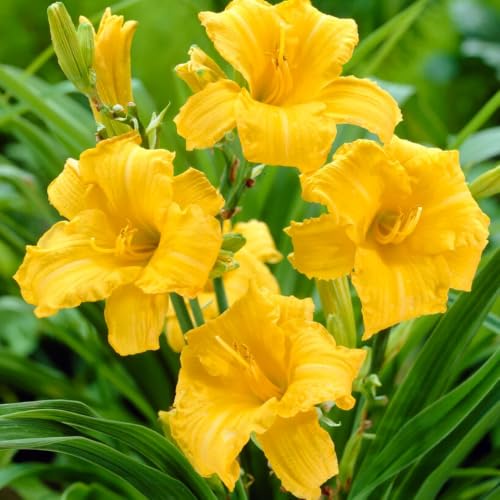
5 Golden Yellow Daylily Live Roots
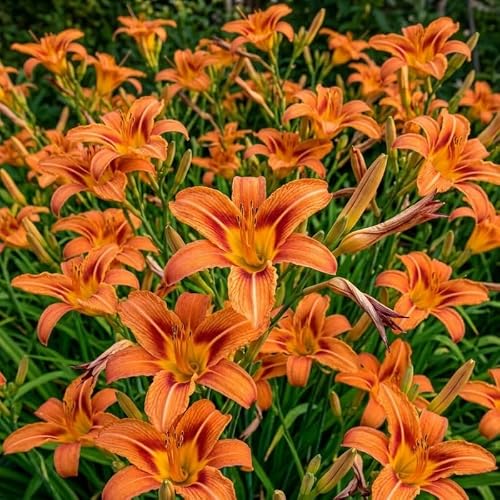
5 Daylily Bare Roots

5 Daylily Live Roots, Garden Border

5 Double Orange Daylilies Roots to Plant

10 Orange Daylily Live Roots
Why These Options Stand Out
Red daylilies tend to anchor a border the way a brick walkway anchors a path, and this AKTRD root pack delivers exactly that visual weight. The five bare roots arrive ready to drop into prepared soil, and the plants send up deep red trumpet blooms through the heart of summer.
Compared to the golden-yellow pick below, the red version reads bolder from a distance and holds its own against dark mulch or stone edging. You benefit most if your planting site drains well, gets full sun, and you want a clump that returns year after year without dividing or fussing.
Useful Touches
- Deep red color stands out against green foliage and pairs cleanly with white or silver companions.
- Drought tolerance once established means less babysitting through late-summer dry spells.
- Returns each year as a reliable perennial, building a fuller clump over three to four seasons.
- Extended bloom window through much of the summer gives you weeks of color rather than days.
Things To Consider
- Bare roots can look unimpressive on arrival, so plan to soak them briefly before planting.
- Red varieties sometimes take a full season to hit their stride in cooler climates.
Who It Suits Best
Backyard gardeners with sunny borders who want a strong, saturated anchor plant that returns without constant dividing.
Consider Something Else When
The 5 Golden Yellow Daylily Live Roots suit container gardeners and smaller patios better, where compact growth matters more than color punch.
Golden-yellow daylilies brighten a corner the way morning sun brightens a kitchen, which makes this pack a smart pick for tight spaces. The five roots stay manageable in size, so a stoop planter or narrow side bed stays in scale rather than swallowing the walkway.
Where the red option above leans into saturation, this one trades that punch for a longer bloom run and a softer footprint. You benefit most if you garden on a patio, rent your space, or want a yellow that plays nicely with blues and purples nearby.
Where It Helps
- Compact growth habit keeps the clump tidy in containers and small beds.
- Long bloom window stretches from early summer into fall, giving more weeks of color per plant.
- Low-maintenance nature suits gardeners who water inconsistently or forget to deadhead.
- Cheerful golden-yellow tone pairs well with cool blues, lavenders, and silver foliage.
Worth Noting
- Smaller root energy can mean slower first-year establishment in heavy clay.
- Yellow blooms show water spots from overhead watering more visibly than darker varieties.
Made For
Patio and balcony gardeners, renters, and anyone working with a sunny container or narrow strip who wants steady summer color without overgrowth.
Look Elsewhere When
The 5 Daylily Bare Roots from AKTRD handle larger wildflower plantings better, where each root needs to compete with taller neighbors and rougher soil.
If your garden leans more meadow than manicured, the wild-style orange-yellow blooms on these AKTRD bare roots slot right in. The flowers carry that classic, almost-cultivated looseness that makes a naturalistic border feel intentional without feeling overdesigned.
Compared to the compact yellow option, this pack gives up a little container discipline for genuine adaptability in rougher soil. You benefit most if your yard includes a mixed perennial bed, partial shade under a tree edge, or a sun-dappled slope that needs erosion-friendly roots.
A Few Highlights
- Bright orange-yellow blooms read warm and lively across a wide border.
- Tolerates both full sun and partial shade, opening up planting locations other picks avoid.
- Adapts to a range of soil types, so less bed preparation is needed up front.
- Naturalizes well in wildflower-style plantings without looking out of place.
Trade Offs
- Looser bloom form reads less formal than double-petaled or saturated options.
- Wild-type vigor can crowd slower neighbors if you skip dividing every few years.
Best Suited To
Gardeners building a relaxed, naturalistic perennial bed who want color that fills space without constant shaping.
Reach For A Different Pick When
The 5 Double Orange Daylilies Roots serve gardeners who want a more sculpted, double-petaled focal flower in a formal bed.
By the time most summer perennials start fading, a true fall bloomer earns its keep, and that’s the lane these AKTRD roots target. The “October” designation signals a late-season flower push that extends your border’s color right when the rest of the bed is winding down.
Unlike the wildflower pick above, this one focuses its energy on a tighter rebloom rhythm through the warmer months and a final push when cooler nights set in. You benefit most if your border peaks too early in the year and you want a closing act that bridges summer into autumn.
Notable Upsides
- Late-season blooms fill the visual gap when summer perennials start fading.
- Reblooming habit produces multiple flower flushes rather than a single short show.
- Low-effort care suits gardeners who plant once and let the clumps do the work.
- Works well as a border edging plant where height stays moderate and tidy.
Minor Gripes
- Fall timing means peak display happens after many gardeners have stopped visiting the bed regularly.
- Late-season flowers can be nipped by an early frost in northern zones.
Perfect Match For
Border gardeners whose summer beds peak in July and want a follow-through performer carrying color into September and October.
Skip It When
The 5 Golden Yellow Daylily Live Roots make more sense for southern gardeners whose fall arrives too late to fully appreciate a cool-night-blooming variety.
Double daylilies layer an extra row of petals onto the classic trumpet, and that fuller silhouette reads as more ornamental than the single-petal wildflower forms. This AKTRD pack leans into that decorative shape with bright orange color that anchors a focal planting.
The cold-hardiness angle sets this pick apart from the southern-leaning late-season variety above. You benefit most if you live in a zone with tough winters and want a rebloomer that handles hard freezes without skipping a beat the following spring.
Noteworthy Benefits
- Full double flowers add visual weight that single-petal daylilies can’t match.
- Bright orange color draws the eye from across the yard, useful as a focal anchor.
- Cold-hardy nature suits northern climates where tender varieties struggle.
- Reblooming habit stretches the show across multiple flushes in a single season.
Points To Note
- Double petals can collect rainwater in the cup, sometimes weighing down stems after storms.
- Bolder form can look out of scale in a wildflower-style planting.
Who Should Grab It
Cold-climate gardeners building a focal perennial bed who want a fuller, more ornamental daylily form than the standard single-petal types.
Swap It Out When
The 10 Orange Daylily Live Roots from ELLA’S HOMES offer a better fit for anyone who wants to sample multiple daylily varieties in a single order rather than committing to one form.
Variety packs pay off when you’re still figuring out which daylily forms you actually want to commit to, and this ELLA’S HOMES bundle mixes wild orange, apricot, double orange, and golden yellow roots in a single order. The 10-root count also gives you enough mass to fill a real stretch of border rather than dotting it.
Where the previous picks commit to a single color story, this one hands you a sampler. You benefit most if you’re planting a brand-new bed, want a mixed display, or prefer to let the varieties sort themselves out by vigor over the first season.
Key Advantages
- Four named varieties in one bundle expand your color palette without multiple orders.
- Larger root count fills a longer border stretch or several clustered plantings at once.
- Hardy perennial habit means each root returns year after year once established.
- Tolerates both full sun and partial shade, fitting into mixed light conditions.
A Few Limitations
- You can’t pick the ratio of varieties, so the bundle leans on the supplier’s mix.
- More roots to plant at once means a longer initial planting session in the bed.
Whose Shelf It Belongs On
First-time daylily planters and gardeners refreshing a tired border who want a ready-made mix of colors and forms in one bundle.
A Better Fit Elsewhere
The 5 Red Daylily Roots from AKTRD suit gardeners with a clearer vision who want a single, saturated color theme rather than a mixed bag.
Choosing Daylily Roots That Fit Your Yard
Color and form matter, but the right daylily choice starts with matching the plant to your site conditions. Sun exposure, soil drainage, and climate zone all shape how a root pack performs the first year and whether it returns reliably after that.
Match the Root Pack to Your Sun and Soil
Daylilies earn their reputation as adaptable perennials because they handle a wide range of soils, but they still reward a thoughtful match. Full sun locations push out the most blooms, while partial shade settings trade some flower volume for foliage health. Soil that drains well within an hour after rain prevents the crown rot that occasionally troubles daylilies in heavy clay. For gardeners working with compacted beds, working a few inches of compost into the top layer before planting gives the roots a softer runway.
Decide Between Single Color or Mixed Variety Packs
Single-color packs let you design a deliberate border story, whether that’s anchoring reds against greens or echoing yellows through a sunny walkway. Mixed bundles work better when you’re still learning which daylily forms suit your taste, or when a new bed needs filling quickly with a range of tones. The trade-off is control: with a single-color pack, you know exactly what you’re planting, while a mixed bundle hands the selection to the supplier.
Think About Bloom Timing Across the Season
Most daylilies peak in midsummer, but late-season varieties extend the show into September and October when many other perennials are winding down. Reblooming types produce multiple flushes through the warmer months rather than a single concentrated display. Gardeners in shorter-season zones may want to prioritize early-and-mid-season bloomers that finish before the first hard frost, while gardeners in longer seasons can stack early, mid, and late performers for continuous color.
Plan for Establishment Before Peak Performance
Bare roots often look unimpressive on arrival, and most daylily packs take a full season to reach their stride. First-year bloom counts usually run lower than mature clumps, with second and third years typically producing the strongest displays. Soaking bare roots briefly before planting, mulching the new bed, and keeping watering consistent through the first summer all pay back in stronger second-season performance.
Key Considerations Across These Picks
Common Shopping Slip Ups
Bare roots and live roots ship looking very different, and that visual gap catches first-time daylily shoppers off guard. A dry-looking root bundle is not a dead one, so planting it as instructed usually produces a healthy plant within weeks. Another trap is assuming all daylilies behave identically, when bloom timing, mature size, and rebloom vigor vary noticeably between varieties. Matching the pack to your zone and sun conditions up front prevents the disappointment of a root that struggles through its first season.
Why Top Tier Costs More
Larger root packs and mixed-variety bundles carry a higher per-pack cost because of the selection, packing, and shipping involved in handling multiple cultivars. The upgrade pays off when you want a ready-made color mix or enough roots to fill a real border stretch on day one, rather than building the bed up gradually. For a single-color accent planting, smaller single-variety packs deliver the same growing results at a lower entry cost.
Frequently Asked Questions
When should daylily roots be planted?
Bare or live daylily roots go in during spring after the last hard frost, or in early fall at least six weeks before the ground freezes. Spring planting gives the roots a full warm season to establish before winter.
How much sun do daylilies need?
Most daylily varieties bloom best with at least six hours of direct sun, though many tolerate partial shade with slightly lower flower counts. The wild-type forms in this lineup handle dappled light especially well.
Do daylilies need to be divided?
Clumps benefit from dividing every three to five years once they become crowded and the flower count drops. Dividing in early fall or spring keeps the clumps vigorous and gives you extra plants to spread elsewhere.
Will daylilies bloom the first year after planting?
First-year blooms are common but usually lighter than mature displays, with second and third years producing the strongest flower shows. Consistent watering through the first summer helps push a stronger first-year flush.
Are daylily roots safe around pets and children?
Daylilies are toxic to cats if eaten, so households with curious cats should place them out of reach. The plants are not considered toxic to dogs or humans in typical garden exposure.
Closing Remarks
The right daylily root pack comes down to your site, your color preference, and how much variety you want in the bed. Pick the red or golden yellow for a deliberate single-color statement, the late-season option for fall carry-through, or the mixed bundle if you’d rather let the varieties sort themselves out. Any of these six should reward a sunny spot with years of returning color.
