

Weeds don’t wait, and neither should your approach to them. Homeowners dealing with cracked driveways, gravel paths, or patio seams often turn to rock salts as a low-effort way to stop growth where it isn’t wanted. This roundup compares six options worth considering in 2026, including two coarse salts repurposed for weed duty and four spray-style weed killers for tougher vegetation.
A Side-By-Side Look

Morton Ice Cream Salt, 4 Pounds, Pack of 4

Soeos Himalayan White Salt, Coarse Grain, 20 oz

Roundup Weed & Grass Killer4 Refill, 1.25 gal.
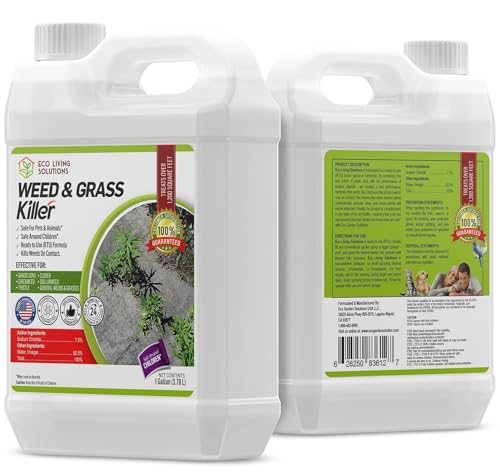
ECO Garden PRO Organic Vinegar Weed Killer, 1 Gallon

Natural Armor Weed & Grass Killer, 4 Gallon Refills

Natural Armor Weed & Grass Killer, 4 Gallons
A Breakdown Of The Leading Choices
Morton has been in the salt business since 1848, and the brand’s coarse rock salt has earned a second life as a driveway and walkway weed treatment. The four-pound pack of four gives you 16 pounds of crystals total, enough to treat several seasons of weed growth along a typical suburban driveway. Coarse crystals dissolve slowly, which is the whole point: a heavy sprinkle in cracks and along paver seams starves emerging shoots without burning the surrounding lawn, at least in spots where runoff stays contained.
The honest read is that you’re repackaging an ice cream and ice-chilling product for garden duty, and that works for many homeowners who want something cheap and inert. It won’t touch deep taproots on dandelions or poison ivy, so anyone dealing with established perennial weeds should temper expectations. Think of it as a preventive barrier rather than a knockdown weapon.
The Helpful Details
- 16 pounds of coarse crystals across four cartons, generous coverage for the cost
- Slow-dissolving chunks stay in cracks longer than finer table salt
- Trusted brand with a long track record, easy to find at most retailers
- Inert material, no chemical residue tracked into the house by pets or kids
- Doubles as a winter ice-melt if you live somewhere with hard freezes
Points To Note
- Not formulated for weed control, so performance on deep-rooted perennials is limited
- Excess salt can leach into nearby garden beds and stress desirable plants
- Bags can clump in humid garages, so store them somewhere dry
Key Product Details
Who Will Love This
Homeowners with long gravel driveways or interlocking paver patios who want an inexpensive preventive sprinkle.
Skip It When
Established perennial weeds have taken over your lawn edges, where Roundup Weed & Grass Killer4 Refill or Natural Armor Weed & Grass Killer will get much deeper into the root zone.
Soeos Himalayan White Salt comes in a 20-ounce bag with coarse crystals that visually pop on a shelf, even if most shoppers originally reach for it as a finishing salt. As a weed-control workaround, the same coarse grain that grinds nicely on a steak works in paver gaps and brick walkways. Himalayan deposits carry trace minerals that give the crystals a pinkish hue, but functionally for weed duty the mineral content is beside the point.
Where this pick shines is convenience over bulk: a single 1.25-pound bag is enough for a small patio refresh without committing to 16 pounds of crystals. You’ll pay more per ounce than Morton’s multi-pack, but you also avoid storing extras. One practical wrinkle worth noting is that Himalayan salt tends to absorb ambient moisture and clump if left in a damp shed, so a sealed bin helps.
Positive Takeaways
- Compact 20 oz bag fits easily on a single trip from car to patio
- Coarse grind holds up in paver seams rather than washing away fast
- Visually distinctive crystals, easy to see where you’ve applied
- Pairs well with other pantry uses, so the bag earns its keep indoors too
Soft Spots
- Smaller bag means more repurchasing for full-driveway coverage
- Higher per-ounce cost than the Morton multi-pack above
- Same limitations as any rock salt on stubborn perennial roots
Made For
City-dwelling homeowners treating a small back patio or balcony walkway where heavy bags are overkill.
Look Elsewhere When
You need pounds and pounds of salt for a long rural driveway, where Morton Ice Cream Salt’s 4 Pounds Pack of 4 stretches further for less.
Roundup’s Weed & Grass Killer₄ refill jug sits in a different category than the salts above. This is a liquid herbicide (a chemical that kills plants by disrupting growth processes) designed to travel through leaves down into the root system, so it tackles tougher targets like dandelion, crabgrass, clover, and poison ivy rather than just sprouting weeds in cracks. The 1.25-gallon size is meant to refill a handheld sprayer, which means you control the application pressure and the spray pattern.
The tradeoff is exposure. Liquid herbicide drifts in wind and can damage nearby ornamentals if you’re not careful with aim and timing. Apply on a calm day and watch the weather forecast, because rain too soon after spraying washes the treatment off before it does its job.
Strong Points
- Targets established weeds at the root, not just surface greenery
- Refill jug format cuts down on single-use plastic compared with ready-to-spray bottles
- Compatible with most standard pump sprayers you may already own
- Covers broadleaf and grassy weeds, useful for mixed infestations
Honest Caveats
- Concentrate requires a sprayer you may not already own
- Drift risk near flower beds, vegetable plots, or neighbor’s yard
- Pet and kid re-entry timing varies, so plan application around household routines
Quick Facts
Right Fit For
Homeowners with broad lawn patches overtaken by crabgrass or dandelions who already own a pump sprayer.
Not Your Match When
You have curious dogs or toddlers and prefer a ready-to-use spray with gentler ingredients, where ECO Garden PRO Organic Vinegar Weed Killer is a more family-aligned alternative.
ECO Garden PRO sidesteps the conventional herbicide category by leaning on a vinegar-based formula. You get a one-gallon spray-ready jug, no mixing required, and a positioning aimed at households that don’t want glyphosate (a widely used synthetic herbicide) anywhere near their lawn. Clover, moss, and young broadleaf weeds are the documented targets, so this fits well into routine spot-spraying along fence lines, driveway edges, and patio borders.
The mechanism is straightforward: acetic acid (the active component in vinegar) scorches plant tissue on contact. That means you see fast results, but deep-rooted perennials often regrow from below, so repeat applications are part of the deal. Compared to the Roundup refill above, the trade-off is gentleness versus depth.
Strengths Worth Knowing
- Spray-ready format, no measuring or dilution steps
- Marketed as pet and kid friendly once dry, helpful for busy households
- Targets clover and moss, common nuisances Roundup handles but with different chemistry
- One-gallon size covers a moderate yard without constant refilling
Where It May Fall Short
- Vinegar formulations rarely reach deep roots, expect repeat treatments
- Strong smell during application, plan to keep windows closed nearby
- Acetic acid can lower soil pH (soil acidity) with heavy use over time
Best Suited To
Parents and pet owners who want a less aggressive spray option for visible weeds around play areas.
A Better Fit Elsewhere
You need bulk coverage for a full acre or commercial lot, where Natural Armor Weed & Grass Killer in the four-gallon case stretches your dollar further.
Natural Armor’s four-gallon refill case targets households that go through weed killer by the season, not the spritz. The concentrate formula is designed for broader coverage with a single purchase, and the brand markets the formula as glyphosate-free, which appeals to gardeners who want to step away from conventional herbicides. You pour it into your own sprayer and dial the mix to the weeds in front of you, which is where the format shines for larger properties.
The honest tradeoff is storage. Four gallons of liquid concentrate takes up real shelf space in a garage, and the case weight is something to plan for at delivery. If you treat weeds monthly across a sizable yard, that bulk is an asset rather than a hassle.
Where It Excels
- Bulk format lowers the per-gallon cost for frequent users
- Targets a wide range of weed and grass species per the brand
- Concentrate lets you adjust dilution for light or heavy infestations
- Designed for people who already maintain a sprayer routine
Things To Weigh
- Four gallons of concentrate needs cool, dry storage space
- Concentrate requires careful handling and proper dilution
- Less convenient for one-off spot jobs compared with ready-to-spray options
The Right Fit
Suburban homeowners with half-acre lots who already keep a pump sprayer on hand for regular treatments.
Swap It Out When
You’re only spot-treating a few weeds each month and don’t want to manage concentrate storage, where Natural Armor Weed & Grass Killer in ready-to-use gallons is the easier grab.
The fourth Natural Armor option in this roundup is the ready-to-use version: four gallons of premixed spray with no measuring and no separate sprayer required. You grab a jug, pop the top, and walk the property. That convenience is the entire pitch, and for homeowners who treat weeds occasionally rather than as a seasonal project, it pays off in saved setup time.
At four gallons you’re still buying in bulk, but each jug stays sealed until you need it, which makes storage easier than the concentrate case reviewed above. If your weed problem is more of a weekend chore than a recurring battle, this is the format that fits.
Everyday Wins
- Ready-to-use means zero mixing or equipment prep
- Sealed jugs store longer than opened concentrate
- Targets a broad range of weed species across the lawn
- Good middle ground for households between small spray bottles and full concentrate cases
A Few Limitations
- Ready-to-use weighs more per active treatment than concentrate
- Bulk jugs still demand shelf space in a garage or shed
- Single-format option, so you can’t dilute for delicate flower beds
Whose Shelf It Belongs On
Weekend gardeners who want to walk outside, grab a jug, and handle weeds without any setup.
Reach For A Different Pick When
You want fine control over concentration for mixed plantings, where Natural Armor’s refill concentrate case offers more flexibility per dollar.
Picking The Right Weed-Control Setup For Your Yard
The right pick depends less on brand and more on where weeds show up. Salt-based options like Morton and Soeos work best on hardscape, meaning surfaces like pavers, gravel, and concrete cracks where you don’t want any growth at all. Liquid herbicide, on the other hand, fits lawns and soil beds where existing vegetation needs to be killed at the root.
Match The Format To The Coverage. A four-pound box of salt treats cracks along a single driveway. A one-gallon spray covers a small lawn. A four-gallon case handles a full season across half an acre. Buying too little means repeat trips; buying too much means jugs cluttering the garage. Match the format to your actual square footage and treatment frequency.
Mind Surrounding Plants. Salt doesn’t stay where you put it. Rain washes it into nearby beds, where it can stress ornamentals and damage soil structure over time. If your weeds are tucked between flowers or shrubs, a targeted spray is the safer tool.
Plan Around Household Schedules. Sprays need dry weather and a re-entry window, especially around pets and kids. If your household uses the yard constantly, a pet-friendly vinegar-based formula reduces scheduling headaches. Pick a calm, dry day with no rain in the forecast for at least several hours after application.
Storage Shapes Your Decision. Bulk concentrate saves money but demands cool, dry shelf space and a dedicated sprayer. Ready-to-use jugs cost more per ounce but skip both requirements. Walk into the purchase knowing where the bottles will live, and the format choice gets easier.
Key Considerations Across These Picks
Pitfalls Shoppers Hit
The most common mistake is treating a weed problem with the wrong tool. Salt belongs on hardscape, not in lawn soil, because sodium buildup lingers for years. Another frequent slip is buying concentrate to save money without owning a sprayer, which sends a new homeowner back to the store within a week. A third is ignoring rain timing on liquid treatments and watching the wash-off render the whole application pointless.
Where The Extra Money Goes
Higher-tier weed killers typically deliver faster visible results, longer residual activity (how long the product keeps working after application), and broader-spectrum weed targeting. The Roundup refill jug, for instance, reaches root systems that vinegar-based formulas miss, which matters when deep taproots are the actual problem. Premium pricing also tends to fund better spray ergonomics, more stable emulsions, and packaging that survives a season in a hot garage. The upgrade pays off when weed pressure is heavy, but for light maintenance, a mid-tier ready-to-use jug is plenty.
Frequently Asked Questions
Do rock salts actually kill weeds? Coarse salt works on emerging weeds in cracks and paver seams by dehydrating young shoots. It rarely reaches deep roots, so established perennials often bounce back.
Is salt safer than liquid herbicide around pets? Salt is inert once dry, but it damages soil and nearby plants. Liquid herbicide varies by formula, and pet-friendly options like vinegar-based sprays offer a middle ground for households that treat weeds often.
How long does liquid weed killer take to work? Most glyphosate-based formulas show visible browning within hours, with full root kill taking one to two weeks. Vinegar-based sprays act faster on foliage but often require repeat applications.
Can I use rock salt on my lawn? You can, but most soil experts discourage it. Sodium accumulates and disrupts soil structure, making it harder to grow desirable grass for years afterward.
How often should I reapply weed killer? Salt applications last until heavy rain washes them away, often several weeks. Liquid sprays vary by product and weed type, with most homeowners retreating every four to eight weeks during growing season.
Wrap Up
Match the tool to the terrain: salts for cracks and hardscape, sprays for lawns and beds. Read the label, plan around the weather, and buy the format your storage can actually handle. A little planning up front saves repeat trips and dead patches later.
