

Starting a new plant from a cutting is a small act of faith. The cutting sits in water or soil for weeks, looking exactly the same, and you wonder whether anything is happening underground at all. Rooting hormones exist to make that waiting less mysterious, nudging cells to form the first white threads that anchor a new plant, or to feed young roots after a transplant. The right product depends on what you’re propagating, how many cuttings you run through each season, and whether you’re working with houseplants, a fresh lawn, or an aquascape.
A Snapshot Of The Selections

FoxFarm Happy Frog Jump Start Fertilizer 3-4-3, 4 lb

General Hydroponics Rapid Start Root Branching 125ml

Schultz All Purpose 10-15-10 Plant Food Plus 4-Ounce 2-Pack

Technaflora Thrive Alive B-1 Red Seaweed Extract 1 L

Houseplant Prop Drops Cutting Rooting Hormone 8 oz

Hormodin #2 Rooting Hormone 0.3% IBA, 1 Pound Jar

Root Drops Liquid Rooting Hormone 4 oz (Single)

Root Drops Liquid Rooting Hormone 4 oz Two-Pack

Starter Fertilizer 15-20-10, 18 lb Bag
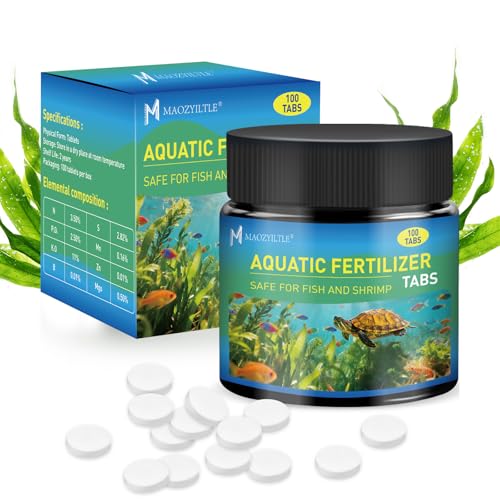
maozyiltle Root Tabs Aquarium Plant Fertilizer 100 Tabs
A Closer Look At Each Pick
FoxFarm’s Happy Frog Jump Start sits in a slightly different lane than the liquid rooting hormones below. It is a granular transplant fertilizer with a 3-4-3 NPK ratio (nitrogen, phosphorus, and potassium), a soft profile tuned for young roots rather than mature blooming plants. Mycorrhizal fungi are part of the mix, which means the product introduces beneficial microbes that colonize root systems and help seedlings draw phosphorus and water from the surrounding soil. You sprinkle it into the planting hole or blend it into potting media, then water in.
Compared with the cutting-focused liquids later in the list, this one skips the propagation step entirely and concentrates on what happens after a plant already has roots and needs to establish them. For gardeners repotting tomatoes, peppers, or nursery starts into bigger containers, that is a useful distinction.
Good Reasons To Consider
- Phosphorus-leaning 3-4-3 ratio supports root expansion during the critical first weeks after transplant.
- Includes calcium to strengthen cell walls in tender new stems and leaves.
- Mycorrhizal fungi build a living partnership with the plant that keeps paying off through the season.
- Granular format means one application lasts weeks, no daily mixing required.
Honest Caveats
- Not designed for bare cuttings, so it will not help a Pothos stem root in water.
- Granular feeding can be overdone in small containers, where salts accumulate faster than in open beds.
Who It Suits Best
Vegetable gardeners and container growers repotting nursery starts or moving seedlings from trays into larger pots.
Reach For A Different Pick When
You are propagating cuttings from a parent houseplant, in which case General Hydroponics Rapid Start is a more direct match for the propagation stage.
Rapid Start is a 1-0.5-1 liquid concentrate built for the propagation phase, especially in hydroponic or coco-coir setups. The brand describes it as a blend of plant extracts, amino acids, and nutrients aimed at stimulating fine root hairs, which are the tiny feeder structures that absorb most of a plant’s moisture and minerals. You add a small dose to your reservoir or watering can during the early vegetative stage, and it works through the entire growing cycle rather than just the first week.
Where FoxFarm’s granular product steps in after roots exist, Rapid Start works on the front end. It suits growers running cloner machines, propagation trays, or any system where a cutting has no soil buffer.
The Good Stuff
- Targets root branching and fine hair development, the structures that actually absorb nutrients.
- Liquid format mixes cleanly into reservoirs and feed charts used in hydroponic setups.
- Small 125ml bottle is a sensible size for hobby growers who run only a few cutting cycles per year.
Points To Keep In Mind
- Designed for hydroponic systems, so soilless growers will get more from it than backyard gardeners amending native soil.
- The bottle concentrates last longer in cool storage, and exposure to heat can shorten shelf life.
At A Glance
Built With In Mind
Hydroponic hobbyists and indoor growers running propagation tents or cloning machines who want a clean liquid additive.
A Better Fit Elsewhere
For backyard vegetable beds and a single transplant day, FoxFarm Happy Frog Jump Start delivers more phosphorus in a form that suits open soil.
Schultz’s All Purpose Plant Food has been a familiar shelf item for decades, and the 10-15-10 ratio leans toward phosphorus, the middle number that supports root development. The format is a small dropper bottle: seven drops per quart of water, mixed at every feeding. The 2-pack gives you a backup bottle, which is helpful because the dropper-style lid is easy to misplace.
This sits between the heavy granular transplant feeds and the cutting-specific liquids. It is a general-purpose maintenance product that also earns its keep during transplanting, repotting, and the rooting phase, especially for houseplants that prefer steady low-dose feeding over monthly granules.
Well-Handled Touches
- Dropper format removes the guesswork of measuring, ideal if you tend to overfeed.
- Higher middle number (phosphorus) supports root activity in both propagation and ongoing care.
- The 2-pack means you can keep a bottle at the kitchen sink and another in the plant corner.
Softer Spots
- The 4-ounce bottle is small for anyone feeding a patio full of containers.
- General-purpose feeding means it will not perform the focused propagation work a dedicated rooting hormone does.
Feature Snapshot
Whose Shelf It Belongs On
Indoor plant keepers who want a single bottle for everyday watering plus transplanting and rooting touch-ups.
Look Elsewhere When
You are scaling up to a yard or vegetable garden, where Lawn Synergy’s 15-20-10 starter covers a much larger area in one pass.
Thrive Alive B-1 Red is a liquid tonic built around three kelp species (Macrocystis, Nereocystis, and Ascophyllum) plus 0.09% vitamin B1, thiamine, which has a long history in horticulture as a stress reliever for transplanted roots. The 1-1-1 NPK is intentionally mild because the product is meant to be a supplement, not a primary fertilizer. You can apply it as a soil drench on transplant day or as a foliar spray through the vegetative cycle and into the first week of flower.
The 1-liter bottle is generous for a small home grow, so this one fits growers who run repeated propagation cycles or want a single bottle that covers both transplant shock and ongoing vegetative vigor.
What Helps Most
- Triple-kelp blend delivers a broad spectrum of trace minerals beyond a single-source seaweed product.
- Vitamin B1 addition targets the transplant-shock moment when cuttings and repotted plants are most vulnerable.
- Flexible application: foliar spray for leaves, soil drench for roots, your choice per cycle.
Some Limits To Know
- Mild 1-1-1 NPK means you will still need a regular nutrient program for heavy feeders.
- 1-liter size is more than casual houseplant keepers will use before it loses potency.
Key Product Details
Who Will Love This
Active propagators running multiple cuttings per month and growers who want a multi-purpose tonic for both transplant and veg phases.
Swap It Out When
You are setting up a single small windowsill propagation jar, in which case Houseplant Prop Drops offers a simpler ready-to-use format.
Houseplant Prop Drops is positioned for the casual propagator who wants something to add to a jar of water without measuring anything complicated. The 8-ounce bottle is sized for windowsill projects, and the seaweed-based formula aims to reduce transplant shock and help cuttings push out roots faster than plain water alone. The brand is Houseplant Resource Center, which markets toward indoor gardeners running Pothos, Philodendron, and similar trailing vines.
Compared with Hormodin powder further down the list, this is the gentler, more beginner-friendly end of the propagation world. It does the same job, but in a liquid that mixes into a propagation vessel instead of being dusted onto a stem tip.
Standout Benefits
- Liquid format suits jar and glass propagation, no powder mess on the kitchen counter.
- Seaweed extract base keeps the formulation gentle for soft-stemmed tropical cuttings.
- 8-ounce bottle holds enough for many rounds of small-batch propagation.
Worth Bearing In Mind
- Less concentrated than synthetic IBA products, so woody cuttings may need more time or repeated doses.
- Designed for indoor houseplants, not for outdoor shrubs or trees.
Made For
First-time propagators working with Pothos, Philodendron, Tradescantia, and other easy-to-root indoor vines.
Where A Sibling Pick Shines
For tougher woody cuttings like roses or figs, Hormodin #2 Rooting Hormone powder is a stronger match.
Hormodin is the propagation workhorse of the list. It is a talc-based powder containing 0.3% indole-3-butyric acid (IBA), a synthetic rooting hormone (a plant-growth regulator) that triggers root formation in cuttings. The 0.3% strength is the middle tier in the Hormodin range, designed for semi-hardwood and hardwood cuttings, the firmer stems that are slower to root than soft tropical tips. You dip the cut end of the stem in water, then in the powder, then plant it.
The 1-pound jar is sized for serious propagation. Hobbyists who root a dozen cuttings a year will use this for years; small-scale nursery growers will go through it in a single busy season.
Notable Upsides
- 0.3% IBA strength handles tougher cuttings that softer liquid hormones struggle with.
- Powder format sticks to dampened stems without running off, so the dose stays where you put it.
- Large jar offers a long shelf life when stored dry, a practical edge for occasional propagators.
Practical Considerations
- You must pour a small amount into a separate dish for dipping, because contaminating the whole jar with damp stems is a common rookie mistake.
- Too much powder on a stem can inhibit rooting, so a light coat is the goal rather than a thick crust.
Who Should Grab It
Backyard propagators working with roses, hydrangeas, figs, and other woody or semi-woody ornamentals.
Not Your Match When
You are rooting only soft-stemmed indoor plants, in which case Houseplant Prop Drops is easier to use and less intimidating.
Root Drops is a liquid rooting hormone built around indole-3-butyric acid (IBA) plus supporting vitamins, designed to be added to whatever propagation medium you prefer. The label calls out water, soil, Leca (lightweight expanded clay aggregate), and moss, which makes it a flexible pick for plant keepers who switch between jars, semi-hydro setups, and traditional pots. The 4-ounce bottle is the smaller sibling to the 2-pack further down the list.
Where Houseplant Prop Drops leans on seaweed and gentleness, this one leans on a synthetic IBA blend, similar in active ingredient to the Hormodin powder, but delivered in a liquid you can dilute. For Monstera, Pothos, and Philodendron cuttings, that gives you a stronger push than a pure-organic formula without the powder cleanup.
Real-World Strengths
- Works across water, soil, Leca, and moss, so you do not need a different product per setup.
- IBA-based formula targets the same root-forming pathways as professional nursery powders.
- 4-ounce bottle suits hobbyists who propagate occasionally and want fresh product over years of storage.
Trade-Offs To Consider
- Liquid IBA products can lose potency after the bottle has been opened for several months.
- Single 4-ounce bottle runs out faster than bulkier options if you propagate in volume.
Best Suited To
Houseplant enthusiasts who propagate Monstera, Pothos, and Philodendron across multiple media types.
Skip It When
You are running heavy-duty woody propagation like fruit tree cuttings, where Hormodin #2 is the right tool.
The two-pack version of Root Drops delivers the same IBA-plus-vitamins liquid in a second bottle, which matters once you start propagating on a schedule. Two 4-ounce bottles mean you can keep one in the propagation cabinet and a backup in storage, and you avoid running out mid-cycle when a batch of cuttings is mid-root. For anyone running more than a few cuttings per month, the redundancy is genuinely useful.
The active formula matches the single bottle, so the choice between the two comes down to volume. If you only root one cutting a season, the single 4-ounce is enough. Anyone running a Pothos production line in their spare room will appreciate having a second bottle ready.
Practical Pluses
- Two bottles keep a backup on hand, useful when a propagation cycle is in progress.
- Same multi-medium flexibility as the single bottle: water, soil, Leca, and moss.
- Better per-cuttings cost than buying singles in succession.
Worth Noting
- More than casual hobbyists need, so it can sit on a shelf longer than ideal once opened.
- Smaller bottles can be misplaced in a crowded plant corner, given the compact 4-ounce size.
Right Fit For
Regular propagators running cycles every few weeks and wanting a reliable backup bottle ready to go.
Consider Something Else When
You are only dabbling in propagation, in which case the single Root Drops 4-oz bottle keeps the formula fresher.
Lawn Synergy’s 15-20-10 starter fertilizer is built for a completely different rooting job: helping new grass seed or fresh sod establish deep roots. The 15-20-10 NPK ratio puts the highest number in the middle, phosphorus, the nutrient most associated with root development in turf. The formula also includes slow-release XCU nitrogen, ammonium sulfate, and iron for early green-up, all packaged in an 18-pound bag sized for typical residential lawns.
Where the cuttings-focused products above work on individual stems, this one is applied with a spreader across hundreds of square feet. It belongs in the shed next to the seed and sod, not the windowsill next to the Pothos.
What Stands Out
- Phosphorus-heavy 15-20-10 ratio specifically targets root growth in new turf.
- Slow-release nitrogen feeds seedlings gradually without burning tender new grass.
- Includes iron for early color, which helps you see green-up without waiting months.
Things To Weigh Up
- Granular lawn fertilizer is the wrong format for houseplant propagation, so it has a narrow use case.
- Coverage depends heavily on spreader calibration and walking speed, so application is less precise than liquid drops.
Feature Card
Perfect Match For
Homeowners installing new sod, overseeding thin patches, or repairing a lawn section after construction.
Another Choice May Suit
For container vegetables and seed-starting trays, FoxFarm Happy Frog Jump Start offers a gentler, smaller-volume option.
Root Tabs shift the rooting conversation underwater. These tablets are pressed into the substrate of a planted aquarium, where they release nutrients near the root zone of stem plants, Anubias, Cryptocoryne, and other aquascape favorites. The 100-count jar is a long-term supply for a single tank or a small fish room, and the label notes the product is safe for fish and shrimp when dosed correctly.
For planted tank keepers, root tabs address a problem liquid fertilizers cannot fully solve: nutrients stay near the substrate instead of dispersing through the water column. That makes them a complement to, not a replacement for, a regular liquid fertilizer routine.
Positive Takeaways
- Delivers nutrients directly to the substrate where heavy root feeders actually absorb them.
- Bulk 100-count jar lasts through many months of routine dosing in a single tank.
- Safe for fish and shrimp at recommended doses, important in a community tank.
Less Ideal Details
- Brand suggests starting at 80% of the recommended dose for new setups, which adds a learning step for first-time users.
- Useless outside an aquarium, so the audience here is much narrower than the terrestrial products above.
Who It Suits Best
Planted aquarium hobbyists running low-to-medium light tanks with rooted stem plants and crypts.
Consider Something Else When
You keep only floating plants or ferns that feed mostly from the water column, where liquid fertilizers do the job without tabs.
Matching The Right Product To Your Rooting Goal
Picking a rooting product starts with naming the project. A jar of Pothos cuttings, a tray of tomato seedlings, a fresh roll of sod, and a planted aquarium all need help at the root level, but they do not all need the same product. Start by identifying whether you are propagating a cutting (no roots yet), establishing a young plant (roots present but vulnerable), or feeding an existing root system for continued growth.
Liquid rooting hormones like General Hydroponics Rapid Start, Technaflora Thrive Alive, Houseplant Prop Drops, and Root Drops cover the propagation stage. Powdered IBA products like Hormodin #2 target harder-to-root woody stems. Granular transplant fertilizers like FoxFarm Happy Frog fit the establishment phase. High-phosphorus lawn starters like Lawn Synergy’s 15-20-10 handle turf-scale rooting. And substrate tabs like maozyiltle Root Tabs belong in planted aquariums, full stop.
Hormone Type And Strength
Soft-stemmed tropical cuttings (Pothos, Philodendron, Coleus) respond well to gentle liquid products with seaweed or low-dose IBA. Semi-hardwood cuttings (roses, hydrangeas, figs) need a stronger push, which is where 0.3% IBA powders earn their place. Hardwood cuttings (dormant fruit tree wood) usually need even higher IBA concentrations. Match the strength to the stem, not to the marketing copy.
Format And Application
Powders stick to dampened stems and deliver a measured dose, but they require careful handling to avoid contamination. Liquids mix into propagation water or reservoirs and suit setups that change often. Granular transplant fertilizers release slowly and work best at planting time. Tablets and tabs release nutrients right where roots are, which matters most in substrates like aquascape gravel or dense soil where surface-applied nutrients would not reach.
Scale And Frequency
A 4-ounce bottle suits a windowsill propagator running a few cuttings per month. A 1-pound Hormodin jar fits a backyard nursery. An 18-pound lawn starter covers a yard. Buying more than you will use in a season is a waste, and buying less means running out mid-project. Frequency matters as much as size, because opened liquids lose potency over time.
Common Slip Ups And Where The Extra Money Goes
Pitfalls Shoppers Hit
Treating every plant the same way is the most common mistake. A tomato seedling, a Pothos cutting, and a roll of sod all want different nutrient ratios and different application methods. Buying a general-purpose fertilizer and expecting it to do propagation work is a recurring disappointment, just as buying a powerful rooting hormone and using it on a freshly rooted houseplant wastes the product’s strength.
Storage is the other quiet failure point. Liquid rooting hormones degrade faster than powders when exposed to heat and light, and an opened bottle sitting on a sunny windowsill will not perform the same way months later. Powders clump when damp gets in. Tablets lose potency in humid sheds. Treat the product with the same care you give the plants.
When Paying More Pays Off
Higher-tier products in this category usually cost more for one of three reasons: a stronger active ingredient concentration, a larger volume per dollar, or a more complete nutrient profile. Hormodin #2 is more expensive per ounce than a basic rooting powder, but the 0.3% IBA strength cuts propagation time on tough cuttings, which matters when you are running dozens of stems per season. Thrive Alive B-1 Red is pricier than a single-source kelp product, but the three-kelp blend and added B1 cover stress recovery and vegetative vigor in one bottle. The honest read is that the upgrade pays off when your project volume is high enough that time saved or success rate gained is worth the premium. For a single windowsill jar, the gentler and cheaper option is the right call.
Frequently Asked Questions
What Is A Rooting Hormone And How Does It Work?
A rooting hormone is a synthetic or natural compound, most commonly indole-3-butyric acid (IBA) or naphthaleneacetic acid (NAA), that mimics the plant’s own auxins to trigger root cell formation at the cut end of a stem. Cuttings contain some natural auxin, but adding more speeds up the process and improves success rates, especially in tougher or woody stems that resist rooting in plain water.
Can I Use Honey Or Cinnamon Instead Of A Commercial Rooting Hormone?
Some gardeners report mild success with honey (an antifungal) or cinnamon (also antifungal) on cuttings, but neither contains the auxin-type compounds that actively drive root formation. They can reduce rot in a propagation jar, yet they do not replace the active ingredient in a dedicated rooting hormone. For serious propagation, especially woody cuttings, a commercial product is the more reliable tool.
How Long Does It Take For Cuttings To Root With Hormone?
Soft-stemmed tropical cuttings often show visible roots in 1 to 3 weeks when treated with a liquid rooting hormone and kept in a warm, humid environment. Semi-hardwood cuttings typically take 3 to 6 weeks. Hardwood cuttings can take 2 months or more. Warmth, light, and cutting health all influence the timeline, so treat these as ranges rather than guarantees.
Do Rooting Hormones Expire Or Lose Potency?
Yes. Liquid rooting hormones typically lose effectiveness 1 to 2 years after opening, especially when stored in warm or bright conditions. Powdered IBA products like Hormodin last longer, often several years, when kept dry and sealed. Tablets and granular fertilizers have their own shelf life, usually printed on the package, and clumps or discoloration are signs the product has absorbed moisture.
Is It Safe To Use Rooting Hormones On Edible Plants?
Rooting hormones labeled for general horticultural use are commonly applied to edible plant cuttings like tomato, pepper, and herb starts. Follow the labeled dilution or dip instructions, and treat the product as you would any garden input. IBA is a synthetic auxin, not a pesticide, so the standard care is dose discipline rather than a waiting period before harvest.
Closing Remarks
The right rooting product depends on the plant in front of you, the medium it is going into, and how often you intend to propagate. Liquid drops and seaweed tonics are gentle enough for houseplant cuttings, IBA powder earns its keep on woody stems, granular transplant feeds help young roots establish, and substrate tabs solve a problem unique to planted aquariums. Pick the tool that matches the project, store it sensibly, and you will see more white threads and fewer disappointments by the second week.
