

Propagating trees from cuttings feels like a small act of patience. You trim a branch, dust it with the right powder or drench it in the right liquid, and then wait for white threads of root to push out from the cambium. The difference between a cutting that thrives and one that rots usually comes down to the rooting hormone you reach for, so this roundup sorts ten popular formulas into clear categories. Backyard growers, balcony gardeners, and weekend orchardists will all find a useful fit below, with notes on real-world trade-offs rather than marketing language.
The Shortlist At A Glance
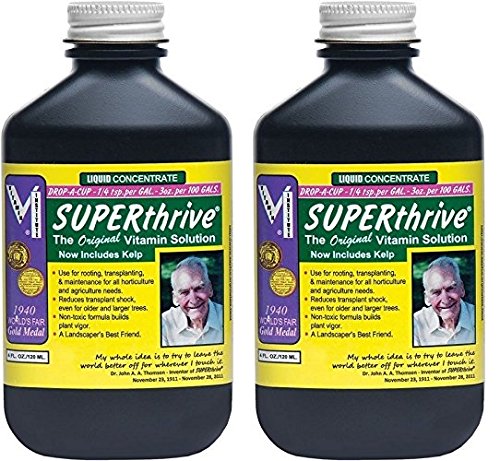
SUPERthrive Original Plant Vitamin Solution with Kelp 4 Oz. 2-Pack

Mycorrhizal Fungi Inoculant with Trichoderma and Bacillus Subtilis 8 oz

SUPERthrive Vitamin Solution with Kelp Liquid Concentrate 4 fl oz

Houseplant Prop Drops Cutting Rooting Hormone 8 oz

Xtreme Gardening Mykos Mycorrhizae Granular Root Inoculant 200g

Root Drops Liquid Rooting Hormone for Cuttings 4 oz

Root Drops Liquid Rooting Hormone 4 oz Alternate Pack

Mycorrhizal Fungi Inoculant and Soil Activator 8 oz

Grow More Liquified Seaweed Extract Fertilizer 1 Quart
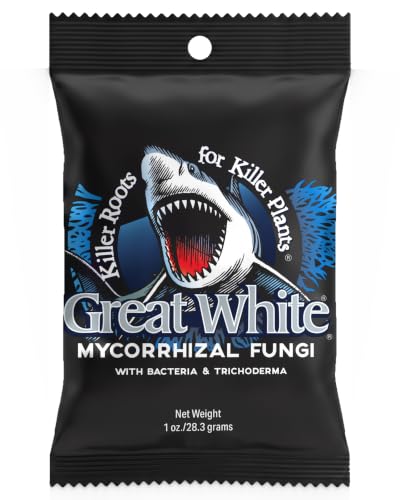
Great White Mycorrhizal Fungi 1 oz Powder
The Picks, Examined More Closely
Two 4-ounce bottles arrive together in this SUPERthrive bundle, and that format suits anyone juggling more cuttings than they expected to take. The original plant vitamin solution mixes kelp into a liquid concentrate, designed to be added to regular watering rather than used as a stand-alone feed. For hobbyists running a small nursery bench or a few raised beds, two bottles keep the routine going through an entire propagation season without restocking.
The kelp addition brings trace minerals and natural growth compounds that pair with the vitamin base, giving freshly stuck cuttings a gentler transition into soil. The two-pack is also forgiving for newcomers, since a small dosing mistake on one bottle still leaves the second one untouched.
Strong Points
- Two-bottle format extends supply across a full propagation season.
- Kelp blend adds trace minerals beyond a plain vitamin solution.
- Works across indoor and outdoor cuttings alike.
- Liquid form dilutes quickly for tray watering and misting.
- Familiar choice for growers already using SUPERthrive on transplants.
Honest Caveats
- Vitamin-and-kelp formula is a transplant tonic rather than a pure cutting hormone, so results on stubborn wood may feel slower than with a dedicated IBA powder.
- Liquid bottles need cool, dark storage once opened to keep the kelp components stable.
Right Fit For
Multi-bottle users with both indoor propagation trays and outdoor transplant beds who want one product that bridges the two.
Reach For A Different Pick When
Hardwood cuttings from fruit trees may respond more decisively to Xtreme Gardening Mykos Mycorrhizae Granular Root Inoculant, which directly colonizes the root zone.
An 8-ounce jar of HERDEMIA’s inoculant delivers a dense mixture of mycorrhizal spores alongside Trichoderma and Bacillus subtilis, two well-studied microbial helpers that tend to support young roots. Mycorrhizal fungi form a symbiotic bond (a mutually beneficial partnership) with root tissue, essentially extending the reach of fine root hairs into soil that the cutting alone cannot access. For tree cuttings, that extended reach matters, since a freshly rooted stem has far less absorptive surface than a mature plant.
The formula is described as 10x concentrated, with a small 2-gram dusting per plant. In most backyard scenarios, that economy turns a single jar into a multi-season supply for everything from fig cuttings to young maples.
Strengths Worth Knowing
- Three-organism blend pairs fungal symbiosis with bacterial support.
- 10x concentration stretches a small jar across dozens of cuttings.
- Direct root-zone application suits both soil and soilless mixes.
- Organic mycorrhizae fit naturally into organic gardening routines.
Points To Keep In Mind
- Powder format requires careful handling to avoid inhaling fine particles.
- Once opened, the spore count declines if the jar sits in a humid shed or greenhouse.
- Works best when the medium is not heavily sterilized, so ultra-clean starter plugs can blunt colonization.
Feature Snapshot
Best Suited To
Backyard orchardists and edible-landscape growers who want a deeper microbial partnership around their tree cuttings than a basic hormone dip provides.
Consider Something Else When
Tight indoor propagation budgets and small-batch houseplant work may suit the more compact Great White Mycorrhizal Fungi 1 oz Powder, which costs less upfront.
This single 4 fl oz bottle mirrors the formula in the two-pack above, but in a smaller commitment for first-time buyers. The non-toxic vitamin solution is intended to mix into your regular watering routine rather than replace fertilizer, which keeps the dosing simple for newer propagators. Kelp adds ocean-derived nutrition, and the concentrate drops into a watering can at extremely low ratios.
The honest read is that one bottle covers a modest tray of cuttings for a single season, so repeat users tend to graduate to the larger 2-pack at item 1.
Useful Strengths
- Compact 4 fl oz bottle keeps the cost of entry low.
- Non-toxic formulation is easy to handle around pets and kids.
- Liquid dosing removes guesswork about powder coverage on the cutting base.
Trade-Offs To Consider
- Smaller bottle runs out quickly across larger propagation rounds.
- A vitamin tonic supports cuttings but does not replace a true synthetic rooting hormone for tough hardwood.
- The dropper-style dosing can over-deliver if the bottle is squeezed too hard.
Made For
First-time propagators running a small windowsill tray who want to test a vitamin-kelp tonic without committing to a two-pack.
A Better Fit Elsewhere
Growers chasing stronger root cell division on woody stems may prefer the IBA-blended Root Drops Liquid Rooting Hormone for Cuttings, which targets faster callus formation.
Houseplant Resource Center’s 8 oz bottle turns rooting work into a drop-counted exercise rather than a powder-dipping routine. The liquid carries a seaweed-based blend aimed at indoor cuttings, including the popular pothos, monstera, and philodendron crowd. The dropper format reduces waste, since each cutting only needs a measured dose instead of a full dip.
For anyone rooted in a small apartment setup, the bottle also doubles as a transplant soother for repotted plants.
What Stands Out
- Liquid drops simplify dosing for low-volume indoor propagation.
- Seaweed extract brings trace minerals suited to tropical foliage cuttings.
- Single 8 oz bottle lasts across multiple propagation rounds for a small collection.
Softer Spots
- Not specifically engineered for thick tree wood, so hardwood cuttings often need a supplemental IBA source.
- The dropper tip can clog if the bottle sits in direct sun and the seaweed extract thickens.
Who It Suits Best
Indoor gardeners and renters building a propagation corner for tropical houseplants, with light tree-cutting work on the side.
Skip It When
Outdoor orchardists handling thick hardwood cuttings from fruit or shade trees should look at Xtreme Gardening Mykos Mycorrhizae Granular Root Inoculant, which colonizes the root zone more aggressively.
Xtreme Gardening’s Mykos arrives as granular pellets rather than a fine powder, which makes field application noticeably less dusty. The OMRI listing confirms the inoculant is reviewed for organic use, a meaningful signal for edible-tree projects where organic certification matters. Granules also resist drift in a slight breeze when you are working across a wide outdoor bed.
The 200g size points at outdoor propagation rather than windowsill work, and the formulation targets the kind of root expansion that helps young trees weather their first transplant.
Features That Help
- Granular form reduces airborne dust during outdoor application.
- OMRI listed, supporting organic edible-tree propagation.
- 200g size covers multiple raised beds or a small nursery row.
- Mycorrhizal colonization extends the effective root zone in poor soils.
Areas To Watch
- Granules need direct contact with roots to colonize, so broadcasting across dry soil wastes product.
- Bulk format can clump if stored in a humid garden shed between seasons.
Spec Overview
Perfect Match For
Outdoor gardeners establishing fruit or shade trees in raised beds and food forests where organic inputs are a priority.
Look Elsewhere When
Indoor propagation on a small shelf will not use this 200g jar efficiently, so the smaller Great White Mycorrhizal Fungi 1 oz Powder fits tighter indoor routines.
Montorchid’s Root Drops lean on indole-3-butyric acid (IBA), a synthetic rooting hormone that triggers root cell division at the base of a cutting. The drops are designed to be diluted into water, soil drench, LECA (lightweight expanded clay aggregate), or sphagnum moss, which covers the four most common propagation media. For indoor growers, the IBA content produces a noticeably faster callus than vitamin-and-kelp tonics on soft to semi-hard stems.
The 4 oz format is a sensible starter size for an indoor grower who wants to see results on a dozen cuttings before scaling up.
What Earns Its Place
- IBA-blended formula directly drives root cell division.
- Works across water, soil, LECA, and moss propagation setups.
- Liquid drops simplify measuring versus powder dips.
- Compact 4 oz bottle suits apartment-scale collections.
Small Caveats
- IBA strength can over-stimulate delicate cuttings if you overshoot the dilution.
- Liquid concentrates settle, so shaking before each dose is part of the routine.
Built With In Mind
Indoor plant parents multiplying their pothos, monstera, and philodendron collections on a windowsill or under a small grow light.
Swap It Out When
Heavier outdoor tree propagation benefits more from Xtreme Gardening Mykos Mycorrhizae Granular Root Inoculant, which adds fungal colonization that liquid drops do not.
This second listing for Montorchid’s Root Drops mirrors the formula and bottle size from item 6, but appears as an alternate SKU (stock keeping unit) that the retailer tracks separately. The same IBA-plus-vitamin blend dilutes into water, soil, LECA, or moss, supporting cuttings across the major indoor propagation styles. For shoppers comparing pricing across listings, having both ASINs side by side makes it easier to choose the better-stocked option.
Functionally, you are choosing between two storefront entries for essentially the same product, which is useful when one listing temporarily shifts out of stock.
Benefits That Matter
- Same IBA-driven root cell division as the primary listing.
- Useful alternate SKU (stock keeping unit) when the first listing is out of stock.
- Liquid format works across water, soil, LECA, and moss.
Things To Weigh
- Functionally redundant with item 6, so the decision comes down to which listing is in stock.
- IBA strength still requires careful dilution on tender cuttings.
Whose Shelf It Belongs On
Price-comparison shoppers who want a fallback listing for the same IBA drops in case their preferred SKU is temporarily unavailable.
Where Another Pick Suits Better
Buyers wanting a true microbial partner rather than a synthetic hormone should look at Mycorrhizal Fungi Inoculant with Trichoderma and Bacillus Subtilis, which colonizes roots biologically.
Montorchid’s 2-in-1 jar combines mycorrhizal fungi with an organic soil activator in one container, reducing the number of products you need to keep on the propagation bench. The fungi colonize the root zone while the activator helps feed the microbial community that supports nutrient cycling. For mixed gardens where tree cuttings share space with houseplants, vegetables, and lawn repair patches, that breadth becomes the headline feature.
The 227g jar is a middle-ground size, larger than the 1 oz Great White but smaller than the 200g Mykos bag, making it versatile across both indoor and outdoor use.
What Makes Sense
- Combines fungi with organic soil activator in one jar.
- Mid-size 227g container fits mixed indoor and outdoor routines.
- Organic formulation aligns with food-growing priorities.
Room For Improvement
- Does not include a synthetic IBA component, so very stubborn hardwood may still need supplemental hormone.
- Jar needs a dry, cool storage spot to keep spore viability high.
Feature Card
Who Should Grab It
Mixed-use gardeners who want one inoculant that crosses over from indoor propagation trays to outdoor beds and lawn patches.
Not Your Match When
Hardwood specialists working exclusively with slow-to-root fruit tree cuttings may want the pure fungal concentration of Xtreme Gardening Mykos Mycorrhizae Granular Root Inoculant instead.
Grow More’s 1-quart container is the largest bottle on this list, geared toward growers running propagation beds, foliar feedings, and transplant rinses across a full season. The seaweed extract carries about 11 percent organic kelp solids, which delivers trace minerals and natural growth hormones in a mild liquid form. The bigger format is also where the cost per ounce starts to look reasonable.
Used as a transplant drench or foliar spray, the seaweed extract cushions cuttings and young trees against the shock of moving between containers or into the ground.
The Good Stuff
- 1-quart format covers large propagation rounds and foliar feedings.
- Approximately 11 percent organic kelp solids supply a steady mineral profile.
- Works as a soil drench or foliar spray, depending on the routine.
Worth Bearing In Mind
- Seaweed extract is a tonic, not a synthetic hormone, so stubborn hardwood can still demand IBA support.
- A quart bottle is heavier to store and easier to knock over on a crowded bench.
Right Fit For
Backyard growers managing several raised beds and propagation rounds who want a single, large-format seaweed tonic on hand.
A Different Pick May Suit
Single-bottle shoppers on a tighter shelf may prefer the smaller SUPERthrive Vitamin Solution with Kelp Liquid Concentrate 4 fl oz for casual indoor use.
Plant Success stuffs a 3-in-1 microbial formula into a 1 oz jar that fits in a coat pocket. The powder combines several mycorrhizal species with beneficial bacteria, giving cuttings a multi-pronged microbial handshake as soon as roots emerge. For seed-starting trays and small propagation runs, that compact format keeps the cost of entry low while still delivering a serious fungal punch.
The trade-off is shelf life: the small jar exposes more spores to air each time it opens, so it suits a focused propagation burst rather than years of casual use.
The Helpful Details
- 3-in-1 blend pairs mycorrhizae with beneficial bacteria.
- Concentrated powder means a pinch goes a long way.
- Small 1 oz jar keeps the upfront cost modest.
- Useful for seed starting, transplant dips, and small cutting runs.
Possible Compromises
- Small jar loses spore viability faster once opened and exposed to humidity.
- Powder format is dustier than granular Mykos for outdoor use.
Quick Facts
The Right Fit
First-time inoculant users and small-batch propagators who want a low-cost entry into mycorrhizal support for seed-starting trays.
Consider Something Else When
Larger outdoor tree projects benefit more from the granular, OMRI-listed Xtreme Gardening Mykos Mycorrhizae Granular Root Inoculant, which is easier to broadcast across beds.
Choosing The Right Rooting Hormone For Your Tree Cuttings
The best rooting hormone for tree cuttings depends on what you are propagating and where the cuttings will root. Softwood and semi-hardwood cuttings from figs, willows, and many ornamentals respond quickly to liquid IBA drops like the Root Drops options above, especially in indoor setups where a measured dose avoids the mess of powders. Mycorrhizal inoculants such as Mycorrhizal Fungi Inoculant with Trichoderma and Bacillus Subtilis and Xtreme Gardening Mykos Mycorrhizae Granular Root Inoculant take a different route, colonizing the root zone with fungal partners that extend the cutting’s reach into the soil.
The match between hormone and cutting matters more than most people expect. Hardwood cuttings from fruit and nut trees tend to need stronger IBA concentrations or longer colonization windows, while tender tropical cuttings root on lighter hormone solutions. For mixed gardens, dual-purpose products like Montorchid’s Mycorrhizal Fungi Inoculant and Soil Activator or the SUPERthrive Original Plant Vitamin Solution with Kelp cover both fresh cuttings and established transplants in one routine.
For organic food-growing projects, OMRI-listed inputs give an extra layer of confidence that the inputs meet reviewed organic standards. For pure indoor houseplant propagation, the drop-format liquids are easier to dose and keep the bench tidy. Reading labels carefully to confirm whether you are buying a synthetic hormone, a vitamin-and-kelp tonic, or a microbial inoculant helps you build a propagation kit that matches your cuttings rather than fighting them.
Active Ingredient Profile
Synthetic rooting hormones typically rely on indole-3-butyric acid (IBA) or naphthaleneacetic acid (NAA) to trigger root cell division at the cut end of a stem. Vitamin-and-kelp tonics lean on natural growth compounds and trace minerals rather than synthetic hormones, producing a gentler effect that suits transplant stages more than initial callus formation. Microbial inoculants bring a third path, using fungi and bacteria that bond with roots and extend the absorptive surface area over time.
Matching Format To Workflow
Powdered inoculants and IBA powders require dipping moistened cutting ends into the dry product, which can feel dusty on a windy outdoor bench. Liquid drops dissolve into the propagation water or soil drench, which suits indoor routines and reduces cleanup. Granular inoculants like Mykos sit between those two extremes, easier to broadcast than a powder and tidier than a liquid on a damp propagation table.
Cutting Type And Hormone Strength
Softwood cuttings root fastest and tolerate lower hormone concentrations, while semi-hardwood and hardwood cuttings often benefit from stronger IBA doses or extended colonization windows. Matching hormone strength to cutting type reduces the risk of burning tender stems or under-dosing stubborn hardwood, which is the most common cause of failed propagation rounds.
Scale, Storage, And Shelf Life
Larger jars like the 200g Mykos or the 1-quart Grow More seaweed extract suit outdoor and high-volume routines, but they also demand dry, cool storage to keep spores and kelp compounds stable. Small jars like the 1 oz Great White powder suit focused bursts of propagation, but lose potency faster once exposed to humidity. Choosing container size to match your real propagation volume prevents both waste and frustration.
Key Considerations Across These Picks
Common Shopping Slip Ups
First-time buyers often reach for a generic “rooting hormone” expecting a single active ingredient, then realize they grabbed a vitamin-and-kelp tonic instead of a synthetic IBA source. Checking the ingredient line for IBA, kelp, or specific mycorrhizal species prevents that mismatch. Outdoor growers also commonly skip protective gloves when handling concentrated powders, which can irritate skin over a long bench session.
Where The Extra Money Goes
Higher-tier inoculants and hormone concentrates cost more because they pack multiple microbial strains or higher IBA concentrations into smaller containers, and they often undergo more rigorous organic certification review. For growers running a serious propagation bench or working with stubborn hardwood, that extra investment typically shows up as faster rooting and stronger first-year growth. Casual indoor hobbyists may not see enough benefit to justify the premium and will do fine with a basic vitamin-and-kelp tonic.
Frequently Asked Questions
What Is The Best Type Of Rooting Hormone For Tree Cuttings?
Liquid IBA drops and mycorrhizal inoculants tend to produce the strongest results on tree cuttings, with vitamin-and-kelp tonics serving as a follow-up transplant support rather than a primary rooting trigger.
Can I Use Rooting Hormone On Hardwood Cuttings?
Hardwood cuttings benefit from stronger IBA concentrations or longer colonization windows, so granular mycorrhizal inoculants and concentrated IBA drops are typically more effective than mild vitamin tonics.
How Long Does It Take For Tree Cuttings To Root With Hormone?
Softwood cuttings can root in two to four weeks with a suitable hormone, while hardwood cuttings often need six to twelve weeks, with cooler soil temperatures extending that window further.
Do Mycorrhizal Inoculants Replace Rooting Hormones?
Mycorrhizal inoculants complement rooting hormones rather than replace them, since the inoculant colonizes emerging roots while the hormone triggers the initial callus at the cut end.
How Should I Store Liquid Rooting Hormones And Inoculants?
Liquid hormones and inoculants last longest in a cool, dark, dry location with the cap tightly sealed, since heat, light, and humidity all reduce potency over time.
Closing Remarks
Picking the right rooting hormone for tree cuttings comes down to matching the cutting type, the propagation medium, and your routine to a product that does what you actually need. A small bottle of IBA drops can carry an indoor collection through dozens of cuttings, while a granular mycorrhizal inoculant quietly transforms an outdoor nursery row. Trust your specific goals, choose a product that addresses them, and give the cuttings the steady environment they need to push out those first white roots.
