

Roses reward gardeners who feed them on a steady rhythm, not a panic schedule. The challenge is sorting through bags and bottles promising vigorous growth while your soil, climate, and rose varieties all ask for slightly different things. This list cuts to four practical compost-style feeds worth your attention, whether you’re tending a single climber or a full border of hybrid teas.
The Shortlist At A Glance

Espoma Organic Rose-Tone 4-3-2 Fertilizer, 18 lb. Bag, 2 Pack

Espoma Organic Plant-Tone 5-3-3 All Purpose Plant Food, 18 lb. Bag

15-15-15 All Purpose Granular Garden Fertilizer, 2 lb.
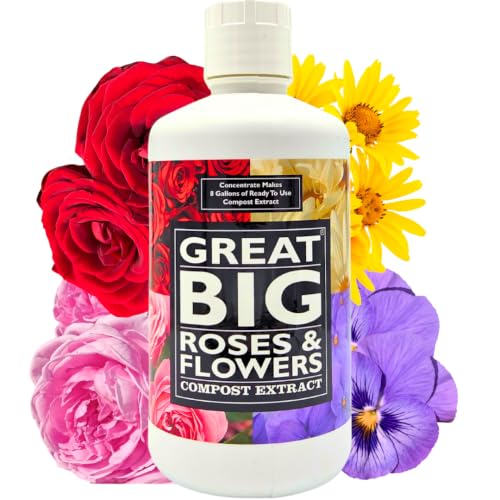
Great Big Roses Fertilizer Booster, 32 Ounce
The Picks, Examined More Closely
Roses have specific nutritional demands that differ from general landscape shrubs, and Rose-Tone leans directly into that. The 4-3-2 ratio (that’s nitrogen, phosphorus, and potassium, the three numbers that signal a fertilizer’s basic nutrient balance) is lower in nitrogen than general plant foods, which is exactly what you want for roses that tend to push leafy growth at the expense of flowers when overfed. The two-pack format gives you 36 pounds total, enough to cover a moderate bed through a full growing season.
You can apply it around the drip line (the imaginary circle on the soil directly beneath the outermost branches where rain naturally drips off the canopy) without any mixing, which keeps the routine simple for gardeners who don’t want to fuss with measuring. Most owners work it into the soil from May through September and water thoroughly afterward to activate the organic ingredients.
Everyday Perks
- Rose-specific 4-3-2 ratio that favors blooms over excessive foliage
- Works on knockouts, climbers, and other flowering shrubs like viburnum and clematis
- Granular form means no measuring or mixing at application time
- Two-pack volume supports a season of monthly feedings for a mid-size bed
- Bio-tone organic base adds biological activity to soil, not just nutrients
Things To Consider
- Monthly reapplication from late spring through early fall takes consistency
- Two 18-pound bags are heavy to store if your shed space is limited
Quick Facts
Right Fit For
Gardeners with dedicated rose beds who want an organic, rose-targeted feed that doesn’t require any mixing or measuring during the growing season.
Where Another Pick Suits Better
If you feed a mixed border of roses, vegetables, and shrubs in one stretch, Espoma Organic Plant-Tone covers all of them with a single bag.
Plant-Tone trades rose-specificity for genuine versatility, and for many gardeners that’s the smarter trade. The 5-3-3 ratio carries slightly more nitrogen than Rose-Tone, which suits the leafy vegetables and young shrubs that share a yard with roses. You can spread the same bag across tomatoes, peppers, perennials, and a climbing rose without juggling multiple products.
The organic ingredients break down slowly, building a steady nutrient reservoir in the soil rather than a quick burst followed by a crash. That slow-release behavior matters in early summer when roses and vegetables both need consistent feeding through fruiting and bloom cycles.
Everyday Wins
- One bag handles flowers, vegetables, trees, and shrubs
- Slow-release organic base feeds soil biology over weeks, not days
- Includes 5% calcium to support cell structure in fruits and blooms
- No mixing required, just spread around the drip line and water in
Points To Keep In Mind
- Higher nitrogen than Rose-Tone can push leafy growth if used heavily on roses mid-season
- The all-purpose framing means you give up some rose-targeted tuning
Best Suited To
Home gardeners running a single bag across a mixed kitchen garden, perennial border, and a handful of rose bushes.
A Better Fit Elsewhere
If your property is mostly roses with very little else to feed, Espoma Organic Rose-Tone’s lower-nitrogen blend is the more focused option.
The 15-15-15 fertilizer takes the opposite path from Espoma’s organic blends: equal, generous doses of all three macronutrients in a synthetic granular form. For gardeners working with depleted soil or starting a new rose bed in less-than-ideal dirt, that equal-ratio approach delivers a quick correction. The 2-pound package is also small enough to store on a shelf without dedicating shed space.
It spreads cleanly across vegetables, fruit trees, shrubs, and roses alike, so it functions as a single solution for a property where you want one product doing all the work. Just keep in mind that synthetic blends release fast, so timing and watering matter more than they do with organic options.
Practical Advantages
- Balanced 15-15-15 ratio corrects deficient soil quickly
- Compact 2-pound size suits small gardens and indoor potted plants
- Granular format covers vegetables, fruit trees, and roses from one bag
- Synthetic release acts fast when roses show nutrient stress mid-season
Honest Caveats
- Synthetic release means quicker nutrient loss, so reapplication comes sooner than with organic feeds
- The equal ratio can overfeed nitrogen-sensitive roses if applied too generously
- Does not build long-term soil biology the way organic options do
Feature Snapshot
Made For
Gardeners dealing with poor or depleted soil who want a fast-acting, balanced feed that works across a vegetable patch and rose bed without buying separate products.
Consider Something Else When
You prefer a slow-release organic approach that builds soil over time, in which case Great Big Roses Fertilizer Booster pairs well with Espoma Organic Rose-Tone as a layered system.
The Great Big Roses Booster works differently from the granular options above. It’s a liquid concentrate designed to flow down to the root zone and help unlock nutrients already present in the soil, rather than simply adding more on top. For roses that have stopped blooming or seem stuck despite regular feeding, that activation role is often the missing piece.
The 32-ounce bottle mixes into watering routines easily, and a little goes a long way across multiple applications. It’s also a smart companion to a granular base feed, layering quick uptake on top of slow-release nutrition.
Real-World Strengths
- Liquid format reaches the root zone faster than granular alternatives
- Activates existing soil nutrients, which can revive underperforming bushes
- Small bottle footprint stores easily on a potting bench or shelf
- Pairs cleanly with any granular base fertilizer as a seasonal booster
- Concentrate format stretches across many applications per bottle
Practical Considerations
- Liquid format requires mixing before each application, unlike ready-to-spread granules
- Works best alongside a base fertilizer rather than as a standalone feed
Who Should Grab It
Rose growers whose established bushes have stalled in blooming and want a liquid supplement to wake up tired soil mid-season.
Look Elsewhere When
You need a single, self-contained feed for a brand-new rose bed, in which case the 15-15-15 All Purpose Granular Garden Fertilizer handles soil correction and feeding in one pass.
Matching Compost Feeds to Your Roses
The right rose compost comes down to matching the format and nutrient ratio to how you actually garden, not chasing the most expensive option. Granular organic feeds like Espoma’s Rose-Tone and Plant-Tone reward gardeners who stick to a monthly routine from May through September, breaking down slowly to feed soil biology alongside the roots. Synthetic balanced options such as 15-15-15 work better when soil needs quick correction, especially in a new bed where organic matter hasn’t built up yet.
Liquid boosters occupy a different niche entirely. They rarely replace a base fertilizer but shine as a supplement when roses stall mid-season or when soil nutrients are present but locked away. If your roses have been fertilized faithfully but still refuse to perform, that activation role is often the missing step.
Container-grown roses need lighter, more frequent feeding because pots leach nutrients faster than ground beds. A liquid or smaller-volume granular option fits that scenario better than a 36-pound bulk bag. Ground-planted roses in established beds, on the other hand, benefit from the slow, steady release that organic compost-style feeds deliver over months.
Key Considerations Across These Picks
Pitfalls Shoppers Hit
The most common mistake is feeding roses with the same high-nitrogen lawn fertilizer used on grass. Lawn blends push leafy growth at the expense of blooms and can leave roses vulnerable to disease. A second slip is ignoring the calcium and micronutrient content listed on the bag. Roses pull significant calcium from the soil during bloom production, and feeds lacking it often leave gardeners wondering why buds deform or fail to open.
Where The Extra Money Goes
Premium organic rose feeds cost more because the nutrient sources are slower to process and the manufacturing chain involves more steps than synthetic blends. The extra cost typically shows up as soil-building biology, micronutrient diversity, and gentler release curves that reduce the risk of burn. For gardeners managing a single prized rose or a small display bed, that premium often pays for itself in fewer reapplication rounds and stronger blooms across seasons.
Frequently Asked Questions
How often should compost-style rose fertilizer be applied?
Granular organic feeds like Espoma Rose-Tone work best with monthly applications from May through September. Synthetic balanced options usually need reapplication every four to six weeks during the active growing season.
Can rose compost feeds burn plant roots?
Organic compost-style feeds rarely burn roots because nutrients release slowly. Synthetic granular options can burn if over-applied or scattered directly against stems without watering in afterward.
Is liquid fertilizer better than granular for roses?
Liquid feeds act faster but don’t last as long in the soil. Granular options deliver slower, longer-lasting nutrition, and many rose growers combine both for layered feeding through the season.
Do rose composts work on other flowering shrubs?
Most rose-targeted organic feeds also suit flowering shrubs like viburnum, bougainvillea, and clematis. General all-purpose options like Espoma Plant-Tone and 15-15-15 covers even more ground, including vegetables and young trees.
When is the best time of year to start feeding roses?
Late spring after the first new growth pushes out is the typical starting point for most climates. Stop feeding roughly six weeks before your expected first frost so new growth can harden off before winter.
Wrap Up
Pick the feed that matches your routine and soil, not the one with the loudest claims. A monthly granular schedule suits most dedicated rose beds, a balanced synthetic blend corrects tired soil fast, and a liquid booster rescues bushes that have stalled despite regular feeding. Any of these four will serve you well if you apply them consistently and water them in.
