

Roses reward a thoughtful foundation, and the right soil blend makes the difference between sparse foliage and a season of generous color. If your beds stay soggy after rain, your container roses struggle with compacted roots, or you’ve been guessing at pH without seeing results, this list speaks directly to those frustrations. Each pick below was chosen with real rose care in mind, from classic garden beds to patio containers and specialty desert varieties. You’ll find nutrient-rich organic blends, structure-focused amendments, and specialty mixes for less common rose types. The goal is simple: help you match a soil to the roses you actually grow, the climate you garden in, and the level of effort you want to invest.
The Essentials At A Glance

ZeeDix 3QT Coarse Perlite for Plants

FoxFarm Ocean Forest Potting Soil (Pack of 2)
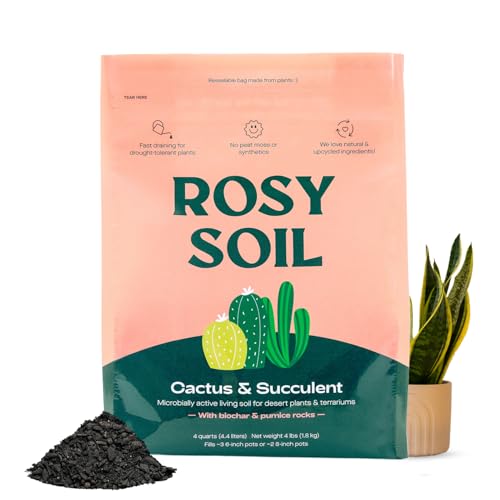
Rosy Soil Cactus & Succulent Potting Mix, 4 Quarts
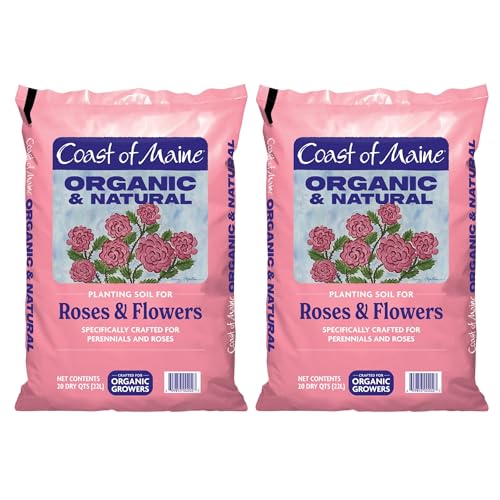
Coast of Maine Roses and Flowers Planting Soil

ZeeDix 6QT Coarse Perlite for Plants

ZeeDix 3QT Tropical Potting Mix
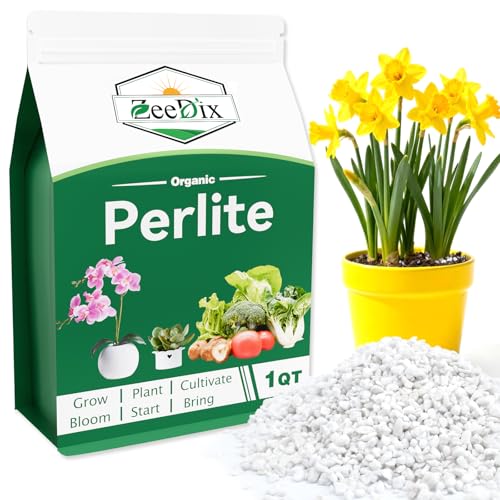
ZeeDix 1QT Coarse Perlite for Plants

FoxFarm Happy Frog Potting Soil (Pack of 3)

Soil Sunrise Desert Rose Potting Soil Mix

ZeeDix 1QT Tropical Potting Mix for Plants
The Strengths Of Each Pick
Perlite, the expanded volcanic glass you see in most potting mixes, earns a starring role in this bag. ZeeDix sells it solo in a 3-quart size, so you can blend it into a heavy native bed or fold it through an existing potting soil without buying a full bag of mix. The 3–9mm grade is coarse enough to stay airy over time rather than breaking down into powder, which matters in clay-heavy gardens where drainage is the real challenge.
This is a soil amendment, not a standalone growing medium, so think of it as a tool rather than a finished product. Roses in compacted beds benefit most, especially when you amend a planting hole at install time.
Advantages To Know
- Coarse 3–9mm grade resists breaking down into fine dust, keeping soil structure open across a full growing season
- Lightweight and porous, so it lifts heavy clay without adding weight to raised beds or containers
- Versatile across indoor, outdoor, and horticulture projects, from seed-starting to mature rose beds
- Three-quart size suits small-to-mid garden projects without excess leftover material to store
Things To Consider
- On its own, perlite holds little nutrition, so pairing it with compost or a richer base mix is essential for roses
- The dust during pouring can be noticeable; moistening the bag slightly before opening reduces airborne particles
Whose Shelf It Belongs On
Garden owners working with heavy native soil who want to improve drainage around existing rose roots.
Skip It When
Coast of Maine Roses and Flowers is the better match when you want a complete, ready-to-use organic blend rather than a separate amendment.
FoxFarm Ocean Forest is one of those blends that has stuck around for years because it actually delivers on its promises. The light, aerated texture holds moisture without turning into mud, and the ingredient list reads like a meal plan for plants: earthworm castings, fish meal, crab meal, and other rich organic components. For container roses, that translates into steady nutrition through the bloom cycle without constant liquid feeding.
The 1.5-cubic-foot double pack suits anyone repotting multiple large containers or refreshing a whole patio collection. The texture is loose enough that even newly transplanted roses settle in without compaction stress on tender root systems.
Useful Strengths
- Ready to use straight from the bag, no blending or extra amendments required for most container setups
- Built-in nutrition from earthworm castings and ocean-sourced meals reduces how often you reach for liquid fertilizer
- Light, aerated texture promotes strong root development in freshly transplanted roses
Worth Noting
- The nutrient load can be too rich for very young seedlings, so direct sowing into this blend is usually too aggressive
- Some gardeners report occasional fungus gnats in rich organic mixes, so letting the top inch dry between waterings helps
Quick Facts
Made For
Container gardeners repotting patio roses who want a nutrient-loaded blend that performs from the first watering.
Consider Something Else When
FoxFarm Happy Frog Potting Soil is a better fit if you’d rather start with a milder, microbe-focused blend for heavy-feeding roses.
Rosy Soil leans into a chunky, fast-draining formula that solves the most common succulent and cactus problem: soggy pots. The texture stays loose rather than collapsing into a dense mass, so roots get airflow between waterings. For rose growers venturing into succulent-rose hybrids or drought-tolerant varieties, that same drainage profile gives roots the breathing room they need.
The blend also includes beneficial fungi, microorganisms, and worm castings, which adds a living-soil element to an otherwise sharp, mineral-leaning mix. That combination is rare and worth noting.
Notable Upsides
- Chunky texture prevents compaction, the main killer of succulents and moisture-sensitive roses
- Living ingredients like worm castings and microbes support root health beyond basic drainage
- Four-quart bag fits neatly on a shelf and covers several small to medium pots
Points To Note
- Fast drainage means more frequent watering for traditional roses; not ideal for water-loving varieties
- Some users find the chunk size a bit large for very small starter pots under three inches
Right Fit For
Collectors growing succulent-style roses or desert-adapted varieties who need sharp drainage and a living-soil boost.
Look Elsewhere When
Soil Sunrise Desert Rose Potting Soil Mix is purpose-built for Adenium if that’s the plant at the center of your collection.
Coast of Maine built this blend specifically for roses, and the formula reflects that focus. It’s an organic compost-based mix designed to balance moisture retention with drainage, which is exactly the equilibrium rose roots crave. OMRI-listed for organic gardening, it suits anyone avoiding synthetic ingredients or working toward an organic garden certification.
The 20-quart double pack covers substantial ground, so it’s a sensible choice for refreshing established rose beds or filling a new border. You can also use it as a top-dress mulch around existing roses to slowly feed the soil over a season.
Well-Handled Touches
- OMRI-listed organic composition meets strict organic gardening standards
- Balanced moisture retention and drainage profile suits rose roots specifically
- Doubles as both a planting mix and a top-dressing mulch for established beds
Small Caveats
- The compost-heavy base may retain more moisture than container-grown roses prefer, so adjust watering accordingly
Feature Snapshot
Best Suited To
Traditional rose gardeners tending established beds who want an organic, ready-to-use blend that also handles annuals and perennials.
A Better Fit Elsewhere
ZeeDix 6QT Coarse Perlite is a smarter pick when your issue is soil structure rather than nutrition, especially in raised beds.
Same trusted ZeeDix perlite, just in a larger 6-quart bag for bigger projects. If you’re refreshing a raised bed, repotting a dozen containers, or amending a long stretch of native soil, the bigger volume saves repeat trips to the garden center. The coarse 3–9mm grade behaves identically to the smaller bag, holding its structure across a full season.
For rose growers who mix their own custom blends, this size is a practical sweet spot between cost and storage space.
What Pays Off
- Larger 6-quart size reduces how often you reorder for big projects
- Coarse grade resists compaction, so a single application lasts the full season
- Pairs well with compost, peat, or pre-made mixes for custom rose blends
A Few Limitations
- Bulk perlite needs somewhere dry to store if you don’t use it all in one session
- Still an amendment rather than a complete mix, so nutrient supplementation is required
Who Should Grab It
Active gardeners maintaining multiple containers or a sizable raised bed who want perlite on hand without constant reordering.
Another Choice May Suit
ZeeDix 1QT Coarse Perlite makes more sense for a one-time small repotting job where the 6-quart size would sit half-used in the garage.
Marketed for tropical foliage plants, this ZeeDix mix shares plenty in common with what container roses enjoy: a pre-blended airy formula that promotes aeration and drainage without extra measuring on your part. The 5-in-1 blend opens the bag and goes straight into a pot, so beginners can repot without researching ratios.
If you’re growing a mixed collection of tropical houseplants and container roses, this bag pulls double duty. The texture is loose enough to keep rose roots healthy, though roses are not the primary plant this was blended for.
The Helpful Details
- Pre-mixed 5-in-1 formula removes the guesswork from repotting day
- Promotes aeration and drainage, both critical for healthy rose root systems
- Versatile across succulents, herbs, vegetables, and flowers in the same bag
Honest Caveats
- Designed for aroids rather than roses, so a supplemental rose fertilizer routine is still useful for heavy bloomers
- Three-quart volume suits a couple of medium pots; larger container collections may need multiple bags
Feature Rundown
Perfect Match For
Garden owners maintaining mixed collections of tropicals and container roses who want one bag to cover several plants.
Swap It Out When
FoxFarm Happy Frog Potting Soil is the better match if your focus is heavy-feeding roses and you want a microbe-rich blend designed for containers.
The 1-quart ZeeDix perlite is the right scale for a single repotting job. Apartment dwellers, beginners, or anyone with just one sickly succulent or a freshly purchased rose will appreciate not paying for material they’ll never use. The same coarse 3–9mm grade carries over, so the drainage benefit is identical to the larger sizes.
Storage is essentially a non-issue, which matters for gardeners working in tight spaces.
Standout Benefits
- Compact 1-quart size suits single-pot projects and tight storage spaces
- Same coarse grade as larger bags, so drainage quality is consistent across the line
- Low commitment entry point for first-time perlite users
Trade Offs To Consider
- Cost per quart is higher than the 3- or 6-quart versions, so larger projects run more expensive overall
Who It Suits Best
Beginner gardeners and apartment dwellers handling one small repotting at a time.
Not Your Match When
ZeeDix 6QT Coarse Perlite delivers better per-quart value for anyone maintaining more than a couple of containers.
Happy Frog is FoxFarm’s other flagship blend, and it brings a different personality to the lineup. Where Ocean Forest pushes aggressive nutrition, Happy Frog focuses on soil life: earthworm castings, soil microbes, bat guano, and aged forest products create a living medium that supports root activity over time. Roses that prefer steady biological activity rather than a heavy nutrient hit tend to thrive in this mix.
The triple-pack of 12-quart bags covers a substantial container garden and is priced for serious hobbyists refreshing their stock each season.
Benefits That Matter
- Living microbe blend supports long-term soil health, not just one-season nutrition
- Ready to use straight from the bag, no extra blending or measuring required
- Triple-pack format offers strong value for active container gardeners
Less-Strong Areas
- Lower immediate nutrient load means a supplemental feeding routine is needed for heavy bloomers
- The aged-forest-products ingredient creates a richer aroma that some indoor gardeners find noticeable in enclosed spaces
Product Snapshot
The Right Fit
Container rose growers who want a biologically active medium and don’t mind adding their own feeding schedule.
Reach For A Different Pick When
FoxFarm Ocean Forest Potting Soil delivers stronger upfront nutrition if you prefer less supplemental feeding.
Soil Sunrise takes a small-batch approach to Adenium, the desert rose, blending peat moss, horticultural perlite, coconut coir, sand, and lime into a 100% natural formula. The pH-balancing lime addition is the tell: traditional roses prefer slightly acidic soil, while desert roses lean toward neutral, and this blend respects that. For Adenium collectors, a purpose-built mix like this saves a lot of trial-and-error.
The 8-quart size covers a large 12-inch container, so repotting a mature specimen is realistic from a single bag.
A Favorable Mix
- Custom blend addresses the unique pH and drainage needs of Adenium plants
- 100% natural ingredients with no artificial additives
- Aeration, drainage, and nutrient retention balanced in one bag
Some Limits To Know
- Specialized for desert roses and similar succulents, so traditional garden roses will underperform in this mix
- Small-batch production can mean occasional stock issues compared to mass-market blends
Built With In Mind
Adenium and desert-rose collectors who want a blend formulated for their specific plant rather than a generic mix.
Where A Sibling Pick Shines
Rosy Soil Cactus & Succulent Potting Mix handles other succulents and cacti more broadly if your collection extends beyond Adenium.
The smallest tropical mix in the ZeeDix lineup, this 1-quart bag works for a single small repotting. It’s the same pre-blended 5-in-1 formula as the larger 3-quart version, so the airy, aerated character stays consistent. Beginners testing the waters with their first houseplant or a single container rose can start here without committing to a bigger bag.
You may find the volume tight if you’re repotting more than one medium plant, so a quick count of your pots helps before checkout.
Points In Its Favor
- Trial-size 1-quart bag keeps cost and storage requirements minimal
- Same 5-in-1 formula as the larger tropical mix, so quality is consistent
- Promotes aeration and drainage in a ready-to-use format
Possible Compromises
- Limited volume means multiple bags are needed for larger collections, raising overall cost
- Designed for tropicals rather than roses specifically, so a feeding schedule is still useful
Who Will Love This
First-time gardeners or anyone repotting a single small plant and wanting a low-commitment entry point.
Where Another Pick Suits Better
ZeeDix 3QT Tropical Potting Mix gives you more room to grow if you anticipate expanding your collection in the same season.
Choosing The Right Mix For Your Roses
Start with where your roses actually live. Container-grown roses need a lighter, faster-draining blend because pots limit root spread and dry out unevenly, while in-ground beds benefit from compost-rich mixes that improve native soil over seasons. Drainage is the single most important attribute: roses hate wet feet, and almost every issue you can imagine, from yellowing leaves to root rot, traces back to soil that stays soggy too long.
pH matters more than many gardeners realize. Most roses prefer a slightly acidic range, somewhere around 6.0 to 6.8, while desert roses and similar Adenium varieties prefer closer to neutral. A blend with built-in lime is wrong for traditional roses, and a peat-heavy acidic mix will frustrate a desert rose. Matching the soil’s pH lean to your plant’s preference saves months of corrective amendments.
Nutrient load is the third decision point. Heavy-feeding roses in containers respond well to rich, organic-loaded blends like FoxFarm Ocean Forest, but the same richness can overwhelm young seedlings. If you start seeds or propagate cuttings, a lighter base mix with controlled fertilizer addition gives you more flexibility than a pre-loaded premium bag.
For gardeners juggling mixed collections, multipurpose tropical or container blends handle roses reasonably well when paired with a sensible feeding routine. The texture matters more than the marketing label, and the picks above give you options for every combination of rose type, container size, and gardening style.
Smart Shopping Notes For Rose Potting Soils
Where Shoppers Go Wrong
The most common slip is choosing a general-purpose mix without checking drainage behavior. Roses need air around their roots, and dense, moisture-holding blends often suffocate them within weeks. A simple squeeze test helps: the mix should crumble loosely in your hand rather than forming a sticky ball.
Another trap is buying the largest available bag to save on per-quart cost, then letting it sit open in the garage for months. Potting soil loses biological activity and can develop mold or fungus gnat populations when stored improperly. Match bag size to actual project scope, and reseal any leftover material in a clean, dry container.
When Paying More Pays Off
Premium blends earn their higher price through ingredient quality and consistency. FoxFarm’s Ocean Forest and Happy Frog, for example, source specific organic components rather than generic compost, and the results show in faster establishment and stronger bloom cycles. For anyone growing roses as a long-term hobby rather than a one-time project, that reliability compounds across seasons and saves money on replacements and corrective fertilizers down the line.
Frequently Asked Questions
Do roses need special potting soil, or will any mix work?
Roses thrive in soil that drains well while still holding some moisture, so a basic all-purpose mix often falls short. Blends designed for containers or roses specifically tend to deliver the airy structure and balanced nutrition rose roots prefer.
How often should I replace the soil in a container rose?
Most container roses benefit from fresh soil every two to three years, since the organic matter breaks down and drainage degrades over time. A seasonal top-dress with compost between full repottings keeps nutrition steady.
Can I mix perlite into regular garden soil for roses?
Yes, blending coarse perlite into heavy native soil is a reliable way to improve drainage around rose roots. A ratio of roughly one part perlite to three parts native soil works well for most clay-heavy gardens.
Are organic potting soils really better for roses?
Organic blends build long-term soil health through biological activity, which supports strong root systems across multiple seasons. Conventional mixes can perform well initially, but they often rely on synthetic fertilizers that don’t contribute to lasting soil structure.
What pH level do most roses prefer?
Traditional roses prefer slightly acidic soil, generally in the 6.0 to 6.8 range. Desert roses (Adenium) prefer closer to neutral, so a single blend rarely suits both, and choosing the right match depends on the specific plant you’re growing.
Closing Thoughts
The best rose potting soil is the one matched to your plant type, your container or bed, and your climate. Heavy feeders in pots lean toward rich organic blends, desert roses need pH-balanced specialty mixes, and compacted native beds often just need a perlite amendment. Take a few minutes to assess what your roses actually face, and the right pick from this list will set the stage for a stronger bloom season ahead.
