

Sharp, clean cuts change how a rose bush responds. A clean bypass blade slices without crushing the cane, which means faster callus formation and fewer entry points for cane borers or fungal infections like black spot. The wrong tool, by contrast, leaves ragged wounds that bleed sap and invite trouble.
Most home gardeners prune roses two or three times a season: a heavy late-winter cut, lighter deadheading through summer, and a tidy-up in early fall. That means your shears spend more time in a drawer or tool belt than in actual use, and the model you pick needs to stay sharp, stay comfortable, and stay reliable across hundreds of cuts.
This roundup sorts through ten options worth your attention, from a precision herb snip built for tight spaces to a professional-grade bypass pruner trusted in commercial rose gardens. Each pick addresses a different pruning scenario, so the right choice depends on how your hands, your roses, and your weekly routine actually come together.
A Snapshot Of The Selections
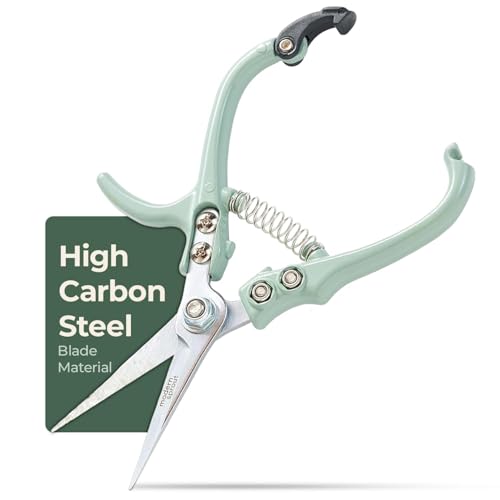
Modern Sprout Garden Snips (Sage)

DECERK Bypass Pruning Shears for Arthritic Hands

DECERK Bypass Pruning Shears & Garden Snips Set

TONMA 8.2″ Garden Shears TP-2 (Made in Japan)
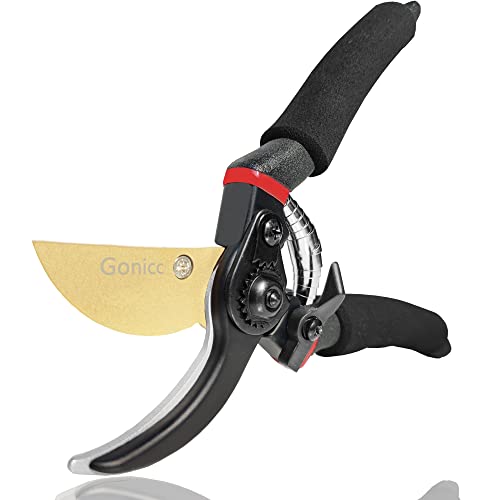
gonicc 8″ Professional Premium Bypass Titanium Pruning Shears (GPPS-1003)
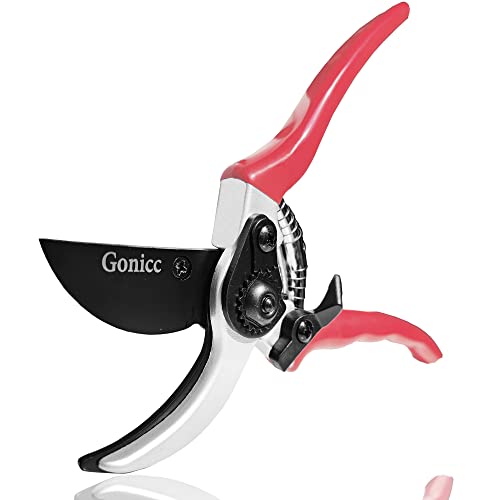
gonicc 8″ Professional Sharp Bypass Pruning Shears (GPPS-1002)

DECERK 8.5″ Professional Pruning Shears

DECERK 8.5″ Premium Bypass Pruning Shears (Wood-Grain)

Felco F2 9.25″ Swiss-Made Pruning Shears

DECERK 8.5″ Bypass Pruning Shears for Women
More On The Choices That Made The List
Deadheading a hybrid tea rose in late summer means reaching into a thorny canopy and snipping spent blooms without damaging the bud eye below. Modern Sprout’s Garden Snips handle that close work with compact, fine-tipped blades that fit into the tight interior of a rose bush where larger bypass pruners can’t reach. The high-carbon steel construction resists rust in damp garden sheds, which matters if your shears live outdoors between sessions.
Compared to the heavier bypass models later on this list, these snips sit in a different category. They aren’t built to shear through pencil-thick canes. Their role is precision, and for that they earn their keep in any rose garden where deadheading happens weekly through the growing season.
Advantages To Know
- Fine-tipped rust-resistant blades reach into tight rose interiors without disturbing adjacent buds.
- Compact size fits comfortably in a back pocket or apron loop for quick grabs during garden walks.
- An integrated safety latch keeps the blades closed during storage, useful in shared tool drawers.
Things To Consider
- Not designed for thick canes. Branches above roughly a quarter inch will dull or stress these snips.
- Smaller handles may feel cramped during long pruning sessions on mature rose bushes.
Who Should Grab It
Roses gardeners who deadhead weekly and want a nimble second tool alongside a heavier bypass pruner will find these snips genuinely useful.
Skip It When
Heavy seasonal pruning on thick canes calls for the TONMA TP-2 instead, which is built for that workload.
Pruning six roses with hand fatigue or joint stiffness turns a pleasant chore into something you dread. The DECERK Bypass Pruning Shears for Arthritic Hands address that exact problem with 5mm cushioned foam grips that spread pressure across the palm instead of concentrating it in the fingers. For gardeners who find standard pruner handles painful after twenty minutes, that cushioning changes the math on whether pruning stays a hobby or becomes something you keep putting off.
The bypass head cuts cleanly through stems and branches up to roughly three-quarters of an inch, which covers most cane work on established roses. Unlike the Modern Sprout snips in pick one, this is a full-size pruner meant for structural cuts rather than deadheading precision.
Real-World Strengths
- Thick foam grips reduce palm pressure during extended sessions, helping gardeners with arthritis or reduced grip strength.
- Bypass geometry produces clean cuts on live canes up to 3/4 inch, which handles most rose pruning tasks.
- Optimized leverage lowers the hand force required per cut, useful on tough old wood.
Honest Caveats
- Foam grips can degrade over time with heavy outdoor exposure and may need occasional replacement.
- Specialized ergonomic focus means these are less ideal as a general all-garden pruner for users without hand issues.
Key Specs
Made For
Older gardeners, anyone with arthritis, reduced grip strength, or anyone who finds standard pruner handles punishing after thirty minutes of work.
Not Your Match When
You want a single all-purpose pruner for a varied garden. The gonicc GPPS-1002 is a more generalist option for that need.
A typical spring pruning session involves both heavy cuts on thick canes and quick snips on new growth. The DECERK Bypass Pruning Shears and Garden Snips set delivers both tools in one purchase: an 8.5-inch bypass pruner for branch work up to one inch and 6.5-inch precision snips for tight spots like deadheading and shaping. For gardeners who don’t want to buy two separate tools, that bundle removes the friction.
Compared to the single-tool picks earlier on this list, the value proposition here is convenience. You get a real structural pruner and a real precision snip without juggling multiple orders.
Everyday Wins
- Two-tool bundle covers structural pruning and precision work without buying separately.
- Bypass pruner handles branches up to one inch, enough for mature rose cane renewal cuts.
- Smaller snip excels at deadheading, herb harvesting, and detail work on bonsai or houseplants.
Trade Offs
- Bundle pricing means neither tool is the absolute best in its category compared to specialized single-tool picks.
- Carrying two tools around the garden may feel like overkill for small rose beds.
Right Fit For
Gardeners with mixed landscapes who want one purchase to cover rose structural work and detail pruning across herbs, vegetables, and ornamentals.
A Better Fit Elsewhere
You already own a quality snip. The DECERK 8.5″ Professional Pruning Shears alone is a stronger buy for an existing-tool kit.
Winter rose pruning often means reducing a mature bush to five or six canes, which involves cutting through wood up to an inch thick. The TONMA TP-2 tackles that workload with Japanese SK5 steel, a high-carbon alloy known for edge retention and toughness. The 8.2-inch body provides leverage that smaller tools lack, so older canes go down with less hand strain.
This is a no-frills workhorse. Where the DECERK sets add ergonomic foam or titanium coatings, TONMA focuses the budget on blade material and a tight safety lock. For a gardener who values cutting performance over visual extras, that tradeoff makes sense.
What It Does Well
- SK5 high-carbon steel blade stays sharp through heavy use and resharpens cleanly when needed.
- Cuts branches up to one inch in diameter, enough for old-wood rose renewal pruning.
- Tight-clip safety lock stays secure in any position, reducing accidental openings in tool belts.
A Few Limitations
- Lacks the cushioned grips that the DECERK arthritic model offers, so it can tire hands during long sessions.
- Heavier blade steel means slightly more weight per cut compared to titanium-coated alternatives.
Whose Shelf It Belongs On
Pruners with established rose gardens who make heavy structural cuts in late winter and want a blade that holds an edge through the season.
Consider Something Else When
Hand fatigue or joint discomfort is your main concern. The DECERK Bypass Pruning Shears for Arthritic Hands addresses that more directly.
The gonicc GPPS-1003 combines a drop-forged body with a titanium-coated SK-5 blade, which means a tool that feels solid in the hand and resists corrosion over years of shed storage. Drop forging compresses the metal under high pressure, producing a denser handle that flexes less under load. For a gardener making hundreds of cuts in a single session, that rigidity translates to cleaner cuts and less wrist fatigue.
Unlike the simpler TONMA TP-2 from pick four, this model layers titanium over the blade steel. Titanium coatings reduce friction as the blade passes through cane, which means slightly easier cuts and longer intervals between sharpening sessions.
What Helps Most
- Drop-forged construction delivers exceptional body strength for heavy, repeated use.
- Titanium-coated SK-5 blade resists rust and sap buildup, extending time between cleanings.
- Built-in sap groove channels sticky rose sap away from the cutting edge during extended sessions.
Softer Spots
- Heavier than aluminum-handled models, which can matter during overhead pruning work.
- Premium positioning costs more than basic bypass pruners without a clear gain for casual users.
Quick Facts
Best Suited To
Frequent pruners managing several rose bushes plus other ornamentals who want a durable, corrosion-resistant tool that holds up over many seasons.
Reach For A Different Pick When
You want a lighter tool for shorter sessions. The DECERK Bypass Pruning Shears for Women at 8.1 ounces reduces arm fatigue noticeably.
Sometimes you don’t need a specialty tool. You need a solid bypass pruner that handles deadheading roses in June, trimming back a forsythia in July, and shaping a bonsai in March without complaint. The gonicc GPPS-1002 fills that generalist role with a high-carbon steel blade, drop-forged handles, and a sap groove to keep cuts clean through sticky summer work.
It shares much of its DNA with the titanium-coated GPPS-1003 in pick five but skips the coating layer. That makes it more approachable as an everyday workhorse, especially if you sharpen your tools regularly and don’t need the extra corrosion protection.
The Practical Payoff
- High-carbon steel blade with ultra-fine polishing handles roses, annuals, vegetables, and bonsai without complaint.
- Ergonomic non-slip handles stay secure even when hands are wet or wearing light gloves.
- Sap groove design prevents sticky buildup from gumming up the cutting action mid-session.
Points To Note
- Without titanium coating, the blade benefits from a wipe-down after each use to prevent surface rust.
- All-purpose positioning means it doesn’t excel at any single specialty compared to focused picks.
Who It Suits Best
Home gardeners with a varied landscape who want one reliable pruner for roses plus everything else in the yard.
Where A Sibling Pick Shines
You prune aggressively in wet conditions where rust resistance matters. The gonicc GPPS-1003’s titanium coating handles that better.
Cutting older rose canes reliably without crushing the bark comes down to blade geometry, edge retention, and handle rigidity. The DECERK 8.5″ Professional Pruning Shears address all three with a Japanese SK5 blade, a three-layer titanium coating, and anodized aluminum handles secured with high-hardness screws. The result is a pruner built for sustained heavy use on stems and branches up to three-quarters of an inch.
Compared to the simpler DECERK arthritic model in pick two, this version trades foam comfort for tougher materials. It’s the right call if cutting capacity is your priority and your hands don’t need extra cushioning.
Key Advantages
- SK5 blade with three-layer titanium coating maintains sharpness across thousands of cuts.
- Anodized aluminum handles paired with high-hardness screws create a tool that resists loosening over time.
- Designed to handle branches up to 3/4 inch with consistent cutting pressure.
Possible Compromises
- Lacks the cushioned grip of the arthritic-focused DECERK model, so hand fatigue can set in during long sessions.
- Specialized heavy-duty focus makes it overkill for small gardens with only a few roses.
Feature Card
Perfect Match For
Gardeners with multiple mature rose bushes who perform heavy annual pruning and want a tool that won’t loosen up after two seasons.
Look Elsewhere When
You want style along with function. The DECERK Wood-Grain Premium Pruning Shears offer similar cutting performance with a more refined finish.
Some gardeners care how their tools look hanging in the shed. The DECERK Wood-Grain Premium Bypass Pruning Shears lean into that with a wood-grain handle finish paired with a gold-titanium-coated SK5 blade. Underneath the styling, the cutting hardware mirrors the heavy-duty professional model in pick seven, so performance isn’t sacrificed for appearance.
The gold-titanium coating is functional too. It reduces friction during cuts and helps the blade resist sap buildup, which matters when you’re pruning sappy rose canes in midsummer.
Features That Help
- Gold-titanium-coated SK5 blade reduces cutting friction and resists sap accumulation.
- Wood-grain anodized handle finish adds visual appeal without compromising grip texture.
- Handles branches up to 3/4 inch, matching the professional DECERK model’s capacity.
Less Ideal Details
- Wood-grain finish is cosmetic and may show wear over years of heavy outdoor use.
- Slightly heavier than minimalist models, which matters for extended overhead pruning.
Who Will Love This
Gardeners who appreciate a coordinated tool aesthetic and want a pruner that looks as considered as the rest of their shed setup.
Swap It Out When
You prefer pure function without visual extras. The DECERK 8.5″ Professional Pruning Shears in pick seven deliver identical cutting mechanics.
Felco’s F2 has been a working gardener’s reference point for decades, and the design has stayed largely unchanged for good reason. The forged aluminum handles, hardened steel blade, and replaceable parts philosophy mean a single tool can serve a lifetime with basic maintenance. When the blade dulls, you swap it. When a handle screw wears, you replace that too.
At 9.25 inches, the F2 sits at the longer end of the bypass pruner category, giving it leverage on thicker wood. Compared to the DECERK and gonicc models earlier in this list, the F2 costs more, but the replaceable-component approach changes the long-term value calculation for heavy users.
A Few Highlights
- Replaceable blade and springs mean a worn tool can be renewed rather than discarded.
- Forged aluminum handles balance strength with low weight for daily professional use.
- Hardened steel blade cuts cleanly through branches up to about one inch in diameter.
Trade-Offs To Consider
- Premium pricing puts the F2 well above most home-garden pruners in upfront cost.
- Replacement parts, while available, cost extra over the tool’s lifetime.
Feature Snapshot
Built With In Mind
Professional gardeners, rosarians, or dedicated hobbyists who prune frequently and want a tool that can be maintained indefinitely rather than replaced.
Where Another Pick Suits Better
You prune occasionally on a small residential bed. The gonicc GPPS-1002 handles similar tasks at a more accessible entry cost.
Standard bypass pruners often feel front-heavy when held in smaller hands, which translates to wrist fatigue after an hour of deadheading. The DECERK Bypass Pruning Shears for Women address that with anodized aluminum handles that weigh about 8.1 ounces total, roughly 15 percent lighter than typical steel-bodied pruners. The pink finish is purely cosmetic, but the weight reduction is genuine.
The cutting mechanics match the other DECERK models in this roundup, so you give up nothing in capacity. Where this pick shines is comfort during the long, repetitive sessions that come with maintaining a rose garden over a weekend.
Bright Spots
- Lightweight aluminum handles reduce arm fatigue during extended pruning sessions.
- Non-slip cushioned grips absorb hand pressure for more comfortable repetitive cuts.
- Cuts up to 3/4 inch branches, matching the standard DECERK cutting capacity.
Worth Bearing In Mind
- Smaller grip circumference may feel awkward for users with larger hands.
- Lightweight construction trades some heavy-duty feel for reduced weight.
The Right Fit
Gardeners with smaller hands, anyone who finds standard pruners front-heavy, or those managing joint sensitivity who want reduced tool weight.
Another Choice May Suit
You want a more cushioned grip for joint relief specifically. The DECERK Bypass Pruning Shears for Arthritic Hands in pick two focus more on pressure distribution than overall weight.
Factors To Weigh Before Choosing Your Next Pair
Picking the right bypass pruner for roses comes down to three intersecting decisions: blade type, handle fit, and intended use frequency. A bypass blade works like scissors, with two curved blades passing each other to make a clean cut on live wood. That’s what roses need, since anvil blades (one straight blade closing onto a flat surface) tend to crush tender cane tissue.
For handle fit, the key spec is your hand size and grip strength. Smaller hands benefit from shorter handles in the 7 to 8.5 inch range, while larger hands or gardeners tackling old wood often prefer 9 inches or more. Cut capacity matters too, with most rose work falling in the half-inch to one-inch range depending on whether you’re deadheading or doing structural cuts.
Cutting frequency shapes the material decision. Light seasonal users can manage with basic high-carbon steel, while frequent pruners gain value from titanium coatings that resist sap and corrosion. Ergonomic features like cushioned grips or ratcheting mechanisms help when sessions stretch beyond thirty minutes or when hand strength is reduced.
Finally, maintenance shapes long-term satisfaction. Wipe blades dry after each use, sharpen with a diamond file at the original bevel angle, and oil the pivot point occasionally. Tools with replaceable blades, like the Felco F2, extend usable life but cost more upfront.
Key Considerations Across These Picks
Pitfalls Shoppers Hit
The most common mistake is choosing an anvil pruner for live rose canes. Anvil blades crush rather than cut, leaving bruised tissue that heals slowly and invites disease. Another frequent misstep is buying based on maximum cut capacity alone. A pruner rated for one-inch branches will feel clumsy and heavy during routine half-inch deadheading.
Ignoring handle fit creates problems too. A tool that strains your grip on day one will not get more comfortable over time. If possible, hold the pruner before committing, especially if you have smaller hands or joint concerns. Skipping basic maintenance shortens the life of even premium tools, so factor a diamond file and a drop of oil into your purchase plan.
Where The Extra Money Goes
Higher-tier rose pruning shears typically spend the budget on blade steel quality, coating treatments, and replaceable components. Japanese SK5 steel holds an edge longer than basic carbon steel, and titanium coatings reduce friction and sap adhesion during heavy use. Replaceable blades and springs, as on the Felco F2, mean a worn tool can be renewed rather than discarded, which changes the long-term cost calculus for frequent pruners.
The upgrade pays off most for gardeners who prune weekly through the growing season or who maintain more than a handful of roses. For occasional users with one or two bushes, mid-tier options deliver nearly all the functional benefit at a fraction of the cost. Premium pricing makes sense when you’ll use the tool hundreds of times a year, not when it lives in a drawer between sporadic sessions.
Frequently Asked Questions
What blade type is best for rose pruning?
Bypass pruners are the right choice for roses. Two curved blades pass each other like scissors, producing clean cuts that heal quickly on live cane tissue. Anvil pruners crush rather than slice, which damages the vascular system inside the cane and slows recovery.
How often should you sharpen rose pruning shears?
For most home gardeners, a light sharpening once or twice per season is enough to keep cuts clean. Heavy users who prune weekly may want to touch up the edge monthly during peak growing season. Use a diamond file and follow the original bevel angle to preserve blade geometry.
What cutting capacity do roses actually need?
Most rose cane work falls between half an inch and three-quarters of an inch. Larger structural cuts during late-winter renewal pruning can reach one inch on old, established bushes. A pruner rated for three-quarter-inch capacity covers roughly ninety percent of typical rose work without being oversized for everyday deadheading.
Should you oil pruning shears after use?
A light wipe-down and a drop of oil on the pivot point after each session prevents rust and keeps the action smooth. For titanium-coated blades, this habit extends coating life. Stored dry with the safety lock engaged, quality bypass pruners can serve many seasons without major service.
Are ergonomic handles worth it for occasional pruners?
For short sessions under twenty minutes, standard handles work fine. For longer sessions, gardeners with arthritis or reduced grip strength, or anyone who finds hand fatigue cuts their pruning short, ergonomic grips and lightweight aluminum handles pay back quickly in comfort and completion rate.
Wrap Up
The right pair of rose pruning shears matches your hands, your pruning routine, and the size of your garden. For most home rose growers with a few bushes and a weekly deadheading habit, a mid-tier bypass pruner in the 8 to 8.5 inch range covers the work comfortably. Specialty picks earn their place when hand comfort, tool weight, or replacement-part longevity move to the top of your priority list. Take stock of how you actually prune, then pick the tool that solves that specific problem rather than the one with the longest spec sheet.
