

Landscaping choices quietly shape how your yard holds up through the seasons. Rubber mulch earns its keep on playgrounds and flower beds where wood chips wash away or attract pests, and the right binder keeps decorative stone locked in place on a slope. These nine picks cover the common scenarios: small DIY patches, full playground coverage, and tidy rock or pea-gravel beds that fight erosion.
The Leading Options At A Glance

Teexpert Mulch Glue for Landscaping, 2 Gallon Concentrate
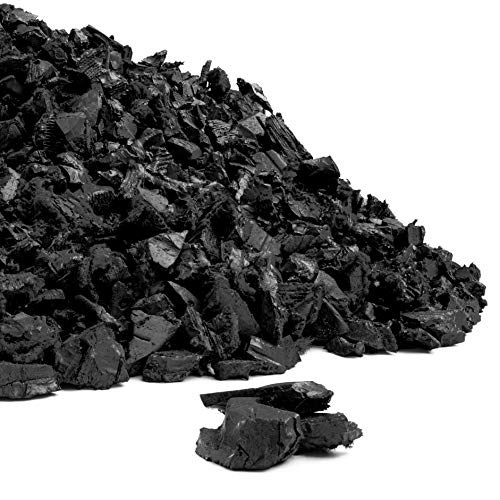
Playsafer Rubber Mulch Nuggets, 40 LBS, Black
Playsafer Rubber Mulch Nuggets, 1,000 LBS, Black
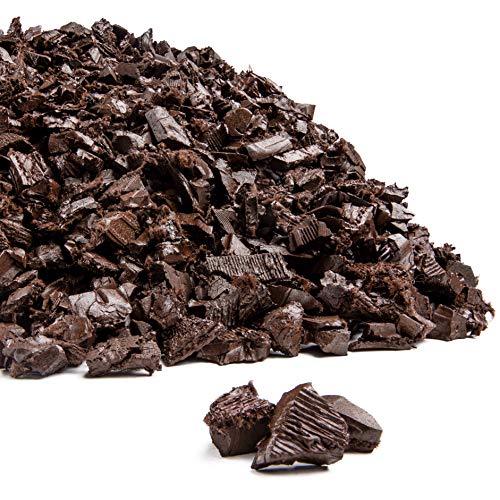
Playsafer Rubber Mulch Nuggets, 40 LBS, Brown
Playsafer Rubber Mulch Nuggets, 2,000 LBS, Black
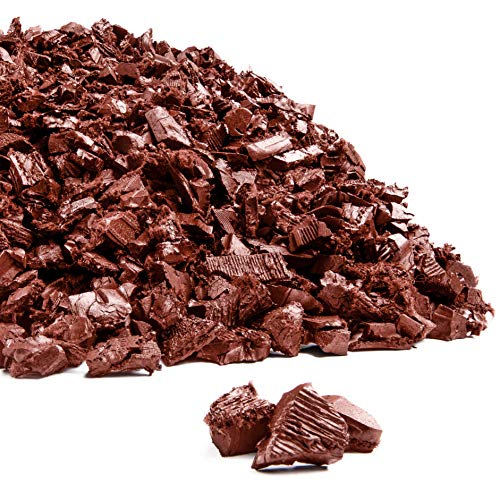
Playsafer Rubber Mulch Nuggets, 40 LBS, Red
Vereclue Mulch Gravel Glue for Landscaping, 64 Oz
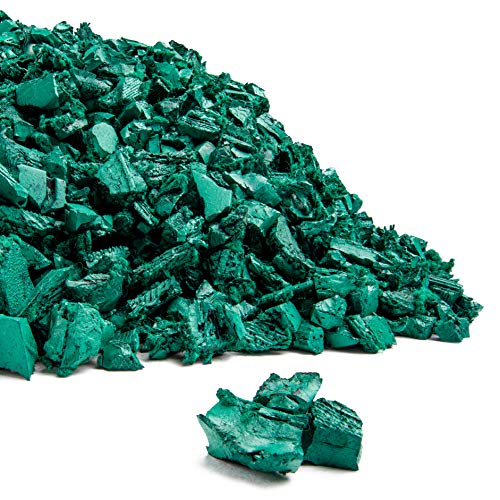
Playsafer Rubber Mulch Nuggets, 2,000 LBS, Green
Playsafer Rubber Mulch Nuggets, 2,000 LBS, Brown
More On The Choices That Made The List
Bigger landscaping projects usually run out of binder long before they run out of stone, and that’s exactly the gap the Teexpert 2 Gallon Concentrate fills. Because it ships as a water-based concentrate rather than a ready-to-use jug, you dilute it to match the surface, which means the same jug stretches across tree rings, flower beds, and slope-side pea gravel without forcing a second purchase.
For homeowners tackling a full side-yard or a winding border, that flexibility matters. The water-based formula is the kind that plays nicely with rubber, wood chip, and small stone, so you’re not juggling three different products for three different zones.
Where It Excels
- Concentrate format dilutes to the surface, stretching coverage across mixed beds
- Works across rubber, wood chips, pea gravel, and small stone in one jug
- Well suited for tree rings, slopes, and garden borders in a single weekend
- Water-based formula brushes or pours on without harsh prep work
Points To Keep In Mind
- Dilution ratios vary by surface, so expect a small test patch first
- Heavy 2-gallon container is awkward to carry once full
- Reapplication is likely on high-traffic slopes after a wet season
Quick Facts
Right Fit For
Homeowners managing a wide side yard with mixed rubber and stone zones who want one binder to cover the lot.
Swap It Out When
The Vereclue Mulch Gravel Glue suits you more, since it’s a smaller ready-to-use jug sized for a single bed or pet-friendly patch.
The 40-pound Playsafer bag exists for one job: letting you test rubber mulch on a small play zone before committing to a pallet. Black is the classic playground tone, and at 1.55 cubic feet per bag, it covers roughly a modest single-swing area with the recommended depth.
For first-timers who want to feel out the texture and color before scaling up, this is the lowest-friction way to begin. The nuggets spread evenly without the dust and splintering you’d get from a wood-based alternative.
Useful Touches
- Small 40 lb bag is easy to haul into a backyard
- Neutral black tone hides dirt between cleanings
- Rubber nuggets don’t decompose, so no seasonal top-up
Minor Gripes
- Too small for a full playground without stacking multiple bags
- Bagged nuggets can have mild rubber scent out of the package
Made For
First-time shoppers testing rubber mulch under a single swing set before committing to a larger pallet.
Look Elsewhere When
You’re laying out a full playground, since the Playsafer 2,000 lb pallet in black covers that footprint in one delivery.
The 1,000-pound Playsafer order sits in the middle of the lineup for good reason. It covers about 39 cubic feet, which fits a medium backyard play zone without tipping into the heavy freight territory of the 2,000-pound pallets.
Compared to the 40-pound starter bag earlier in this list, you’re buying enough to fill a proper play perimeter in a single shipment. The same rubber-nugget profile carries over, so the surface feels consistent and the spread pattern is straightforward.
Real Benefits
- 39 cubic feet covers a medium play area without multiple shipments
- Same black color blends visually with later top-ups
- Rubber doesn’t compact, so the cushion holds depth over time
- Single delivery avoids staging bags in a driveway
Trade Offs
- Bulk drop needs space to receive and stage the bags
- Color stays black only, with no green or brown variants at this size
Who Should Grab It
Backyard play-area installers who want bulk coverage without overshooting into a full playground-sized pallet.
Consider Something Else When
The Playsafer 2,000 lb black pallet fits better for a community playground build that needs the deepest coverage in one shot.
Brown rubber mulch is the sleeper option for gardeners who care more about visual harmony than playground boldness. The Playsafer 40 lb brown bag uses the same nugget profile as the black version, just in a warm earthy tone that sits naturally against bark, terracotta, and wood fencing.
Pair this with a feature bed in front of a window and the result reads as intentional landscape material rather than safety surfacing. You’re trading the stark play-area look for something that disappears into the planting scheme.
Benefits That Matter
- Earthy brown tone complements mulch beds and timber edging
- Same 1.55 cubic foot bag is easy to transport
- Won’t bleach out the way dyed wood mulch sometimes does
Small Caveats
- Color may read darker than expected when wet
- Single 40 lb bag rarely covers a full perimeter bed
Best Suited To
Garden bed designers who want rubber’s low-maintenance durability in a tone that reads like landscape rather than playground.
A Better Fit Elsewhere
You want playground-grade color contrast, since the Playsafer 40 lb red bag delivers a more visible play-area border.
The 2,000-pound Playsafer pallet is what a serious playground build looks like. At 77 cubic feet of coverage, this order typically arrives via freight, which means a plan for staging the bags before you start spreading.
For schools, daycares, or community parks running an IPEMA-aligned playground, this is the realistic volume tier. The black tone keeps the surface reading as a defined safety zone rather than a decorative feature.
The Good Stuff
- 77 cubic feet covers a full commercial playground perimeter in one delivery
- Bulk format reduces the per-bag cost versus stacking smaller bags
- Nuggets stay in place under swings and slides without raking
Areas To Watch
- Freight delivery requires a flat staging area and a plan for moving bags
- Single-color choice means no blending tones on large layouts
Feature Card
Whose Shelf It Belongs On
School, daycare, or community-project coordinators installing a full playground surface in a single coordinated build.
Not Your Match When
You’re working on a single residential swing, since the Playsafer 40 lb black bag handles that footprint without freight logistics.
Red rubber mulch shows up in a very specific scenario: a play area where the surface itself doubles as the visual cue. Parents can spot the safety zone from across the yard, and kids get a play space that actually feels like one.
The Playsafer 40 lb red bag uses the same nugget profile as the black and brown versions earlier in this list. It’s not a different product dressed up, just a different pigment applied to the same material.
What It Does Well
- Bright tone reads clearly as a play-zone marker
- Same 40 lb format for easy backyard transport
- Holds color through weather cycles without repainting
Honest Caveats
- Red tone can feel out of place in a quiet, naturalistic garden
- Single 40 lb bag covers a small border rather than a full yard
Perfect Match For
Families who want their play area to read as a defined, visible zone rather than blend into the surrounding landscape.
Reach For A Different Pick When
You’d rather have a quieter tone, since the Playsafer 40 lb brown bag matches bark and timber edging without shouting for attention.
Where the Teexpert jug earlier is built for big landscaping projects, the Vereclue 64-ounce bottle is built for one tidy bed at a time. It’s a ready-to-use formula, which means there’s no dilution math, no extra buckets, and no leftover concentrate to store after the job is done.
For households with pets who wander the yard, the appeal is the application control. You’re brushing or pouring adhesive exactly where it counts instead of mixing up a full concentrate batch for a single border.
Standout Benefits
- Ready-to-use format skips the dilution step entirely
- Compact 64 oz jug is easier to handle than a 2 gallon concentrate
- Suited to small rock, pebble, and rubber landscaping patches
- Clear-drying formula keeps the bed looking natural after curing
Practical Considerations
- Coverage is limited, so larger beds require multiple jugs
- Working time depends on weather during application
Quick Facts
Who Will Love This
Pet owners with one or two small decorative beds who want an easy, ready-to-use binder without mixing concentrate.
Another Choice May Suit
You’re covering a wide yard perimeter, since the Teexpert 2 gallon concentrate dilutes to span multiple zones in a single jug.
The green 2,000-pound Playsafer order is for homeowners who want rubber mulch durability without the playground aesthetic. Green sits closer to a lawn tone than black or red, so the surface reads as part of the yard rather than a defined play zone.
You still get the same 77 cubic foot coverage as the black pallet, just in a pigment that blends with grass borders. For a yard where the play structure sits inside a wider garden, that visual continuity matters more than contrast.
Everyday Advantages
- Green tone blends visually with grass and foliage borders
- 77 cubic feet covers the same footprint as the black bulk pallet
- Softens the look of swing sets and play structures in open yards
Worth Bearing In Mind
- Green can read darker under shade trees than in full sun
- Freight delivery demands the same staging plan as other pallets
Built With In Mind
Homeowners with a play structure set inside a landscaped yard who want rubber’s durability in a tone that doesn’t shout.
Where A Sibling Pick Shines
You want maximum visibility from across the yard, since the Playsafer 2,000 lb red order carries the boldest play-area signal.
The brown 2,000-pound pallet closes the list for a reason: it’s the bulk-format version of the earthy tone that gardeners reach for. Same 77 cubic foot coverage as the black and green bulk pallets, just delivered in a color that sits naturally with timber edging, bark, and stone.
For a property where the play area is one zone among several landscaped beds, brown rubber gives you playground-grade durability in a finish that doesn’t compete with the rest of the planting.
What Pays Off
- Brown tone harmonizes with bark and timber without visual clash
- 77 cubic feet handles wide garden bed or large playground installs
- Nuggets don’t decompose, so the surface stays even year over year
Small Limitations
- Freight delivery requires planning for the bulk drop
- Color may read more chocolate than natural earth in bright sun
The Right Fit
Property owners layering playground and landscape zones who want a unified earthy palette across the entire yard.
Skip It When
You only need to cover a small feature bed, since the Playsafer 40 lb brown bag handles that footprint without freight staging.
Picking The Right Coverage For Your Yard
Choosing rubber mulch comes down to three honest decisions: how much square footage you’re covering, what color story fits the yard, and whether you need a binder to lock in stone or rubber on top of it.
Start with the surface area. A single swing or a small feature bed only needs a 40 lb bag, while a full backyard play zone typically moves into the 1,000 lb or 2,000 lb tier. Underestimating volume leaves you with a thin surface that doesn’t cushion properly, so it’s worth measuring the perimeter and target depth before ordering.
Color matters more than most shoppers expect. Black reads as a defined safety zone, brown blends into timber and bark beds, green softens against grass, and red acts as a high-visibility play marker. The honest read is that the same product in different pigments gives you a totally different yard personality.
Finally, decide whether you need a binder. Concentrates like the Teexpert jug cover wide mixed beds cost-effectively, while ready-to-use bottles like the Vereclue jug are cleaner for one tidy patch. Either way, a binder keeps stone and rubber from migrating after a storm.
Key Considerations Across These Picks
Common Buying Slip Ups
The most frequent mistake is treating rubber mulch like wood mulch and ordering by visual volume rather than cubic feet. Wood settles and decomposes, so a thin layer works for a season; rubber doesn’t compress, and the recommended depth is what determines cushion. Measure your perimeter in square feet and multiply by your target depth, then match that to the cubic feet listed per bag or pallet.
Another slip is forgetting the staging plan. A 2,000 lb pallet arrives in multiple heavy bags and needs a flat, accessible spot to receive the drop. Without that, you’re hand-carrying bags across a side yard before you can even start spreading.
What The Higher Tier Buys
Stepping from a 40 lb bag to a 1,000 lb or 2,000 lb pallet isn’t just about more material. The bulk tier usually lowers your cost per cubic foot, which matters when you’re covering a full playground. It also means a single coordinated delivery instead of stacking smaller bags in a garage over several weekends.
The trade-off is logistics. Bulk pallets typically ship via freight and require planning around the drop-off and bag staging. For most residential projects, the 1,000 lb tier sits in the sweet spot: enough coverage to finish the job in one shipment, without the freight-grade staging of the largest pallets.
Frequently Asked Questions
How deep should rubber mulch be installed under play equipment?
Most playground guidelines recommend a depth of around six inches for fall protection, though exact requirements depend on the height of the equipment and local safety standards. Shallower layers work fine for landscaping beds where cushioning isn’t a concern.
Does rubber mulch fade in the sun?
Colored rubber mulch holds its tone well over time, but like any outdoor material, prolonged direct sun will gradually soften the pigment. Choosing a darker base color and occasionally raking the surface helps even out any light patches.
Can rubber mulch be used around edible plants?
Rubber mulch is generally used as a landscape surface rather than a soil amendment, so it works well in decorative beds and around trees. For vegetable gardens or herb beds, an organic mulch sitting closer to the soil typically makes more sense for plant health.
Is rubber mulch safe for pets?
Rubber mulch doesn’t attract pests the way wood-based options can, and most products are designed for outdoor use around children and animals. The pet-friendly angle tends to come up more around the binder, where ready-to-use formulas with clear-drying profiles are easy to apply and leave no harsh residue.
How do binders actually work with rubber mulch?
A binder is more useful when you’re locking down pea gravel, small stone, or loose decorative rock on top of or alongside rubber mulch. For pure rubber surfaces, the nuggets usually stay in place under their own weight, so a binder is optional rather than required.
Final Verdict
The right rubber mulch for your yard comes down to scale, color, and whether you’re pairing it with stone that needs a binder. Small features start with a 40 lb bag, full backyards move up to 1,000 lb, and community-scale playgrounds justify the 2,000 lb pallet. Match the pigment to the planting scheme, and you’ll end up with a surface that does its job without shouting for attention.
