

A bare backyard chain-link fence or a patio that opens straight into a neighbor’s kitchen window calls for a boundary, but not every boundary needs to be a living hedge that takes years to fill in. Screening shrubs and the textile, wood, and faux-green alternatives that imitate them solve a spectrum of problems, from softening a fence line to blocking a second-story sightline entirely. The list below mixes established yews and hollies for traditional hedging, fast mesh fabrics for renters or post-storm repairs, and zero-maintenance artificial topiaries for porches and planters. Pick by your timeline, your soil, and how much patience you have for pruning.
A Fast Comparison Of The Options
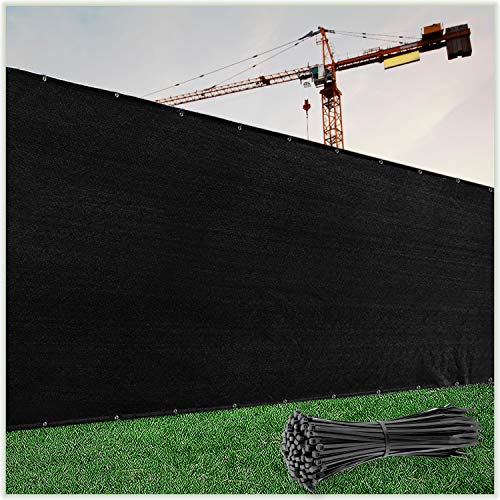
ColourTree 5′ x 10′ Black Fence Privacy Screen 170 GSM

Privacy Fence Screen 4′ x 10′ Mesh Windscreen Green

COARBOR 4′ x 50′ Fence Privacy Windscreen Grey

Taxus x media ‘Hicksii’ Evergreen #3 Container

Yangrass 2 Pack Artificial Cypress Topiary 23″

Yangrass 23″ Artificial Boxwood Topiary Set of 2

Yangrass 2 Pack 23″ Artificial Fern Topiary Balls

Greenes Fence Cedar Picket Fence White 16″ H 16 ft

Greenwood Nursery Nellie R. Stevens Holly 2-Pack
A Breakdown Of The Leading Choices
ColourTree’s black mesh panel covers a full 5-by-10-foot section of chain-link fence with a 170 GSM fabric weight that sits at the heavier end of consumer screening cloths. The material uses virgin HDPE (high-density polyethylene, the same family as milk jugs but extruded into a tight knit), which the brand reports has been UV-stabilized through extended lab exposure to resist breakdown in direct sun.
For most homeowners with a standard backyard run of chain-link, the cut dimensions fit cleanly when paired with 5-foot fence posts, since the actual height lands slightly under the nominal to keep tension even. Compared to lighter 90 GSM covers, this one sags less between posts on a windy afternoon, a small detail you notice quickly the first time a storm rolls through.
Positive Takeaways
- Heavy 170 GSM fabric resists tearing and stays taut across long runs without constant re-tensioning.
- Virgin HDPE construction is built to last longer than recycled blends under direct sun, which matters for west-facing fence lines.
- Black coloration blends into landscaping and reads as a backdrop rather than a feature.
- Cable zip ties ship in the package, so installation needs only a step stool and a few minutes per panel.
Trade Offs To Consider
- Actual coverage is roughly 4 feet 9 inches tall, which can leave a visible gap atop fences that sit higher than the nominal 5-foot mark.
- Black mesh absorbs summer heat, so nearby plantings may dry out faster along the fence line without supplemental watering.
Key Specs
Right Fit For
Homeowners covering long runs of standard chain-link fence who want a single trip to handle both screen and fasteners.
Swap It Out When
Greenwood Nursery’s Nellie R. Stevens Holly set suits you better when you want a real, living boundary that fills in season after season instead of a textile solution.
INFRANGE’s 4-by-10-foot privacy screen leans into a softer green tone that disappears into leafy backdrops better than black, and the brand pairs it with a thoughtful grommet pattern that simplifies mounting. Each edge carries brass grommets (the metal-ringed holes that reinforce attachment points) set 12 inches apart vertically and 24 inches horizontally, with a reinforced 1.5-inch black binding to keep the perimeter from fraying.
For most backyards, the breathable polyethylene fabric blocks roughly 90% of side-on visibility, which is enough to interrupt a sightline from a neighbor’s deck without turning the yard into a sealed enclosure. Compared to the ColourTree panel above, this one trades a touch of fabric density for a more landscape-friendly color and tighter grommet spacing.
The Value In It
- Brass grommets resist rust longer than plated steel in humid coastal climates.
- Green tone visually recedes into foliage rather than standing out as a dark slab.
- Reinforced binding around all four edges limits unraveling over repeated seasons of tension.
- Versatile use across pool surrounds, garden boundaries, and balcony rails.
Worth Bearing In Mind
- Material stretches slightly before settling, which can leave a 3 to 6-inch shortfall against stated dimensions.
- Achieves 90% blockage rather than full opacity, so silhouettes may still register at very close range.
Made For
Households softening a chain-link boundary in a leafy suburban yard where a black screen would feel out of place.
Reach For A Different Pick When
The Yangrass Artificial Boxwood Topiary Set of 2 makes more sense when you want decorative flanking greenery at an entry instead of a wide sightline block.
COARBOR ships its screen as a generous 50-foot roll in a neutral grey, which removes the seam-matching chore that comes with stacking multiple 10-foot panels. The 150 GSM HDPE build sits between lighter mesh covers and the heaviest commercial weights, and copper grommets along the edges resist oxidation (the slow tarnishing that weakens aluminum over time) better than the typical aluminum rings on competing rolls.
For most perimeter projects around a half-acre lot, a single roll means one continuous face, fewer visible joints, and a cleaner finished look. Where the ColourTree and INFRANGE entries above work panel-by-panel, this format rewards homeowners who want to wrap a long stretch in one uninterrupted pass.
What Stands Out
- 50-foot length eliminates the patchwork effect that comes from stitching multiple shorter panels together.
- Copper grommets outlast aluminum versions in coastal or humid conditions.
- Breathable weave lets wind pass through partially, reducing sail-effect stress on posts during storms.
- Grey tone softens the visual impact on neighboring properties compared to a stark black barrier.
Less-Strong Areas
- 150 GSM is lighter than the ColourTree option, so expect a touch more sag on long unsupported spans.
- Cutting to custom lengths leaves raw edges that benefit from a quick pass with a heat source or hem tape to prevent fraying.
Feature Snapshot
Whose Shelf It Belongs On
Property owners wrapping a long side yard or pool fence in one continuous run who prefer a softer grey aesthetic.
Look Elsewhere When
The Greenes Fence Cedar Picket option is a smarter call when you want an actual wood border for a cottage garden rather than a fabric screen.
Green Promise Farms delivers a #3-container Hicks Yew, which means a young but well-rooted plant ready to go into the ground the same week it arrives, weather permitting. Taxus x media (a hybrid yew that combines the English yew’s form with the Japanese yew’s toughness) holds a narrow, columnar shape naturally, so it screens without sprawling into walkways or neighbor lots. Mature dimensions land between 10 and 15 feet tall with a 4-to-6-foot spread, giving you a tall, slim profile rather than a wide hedge.
For most landscapes in zones 4 through 8, this yew handles full sun or deep shade and tolerates the well-drained, average soils of typical suburban yards. Compared to the fabric screens above, you’re trading instant coverage for a real living boundary that thickens every season and outlasts any textile.
A Few Strong Suits
- Columnar growth habit needs minimal shaping, which suits gardeners who dislike routine pruning.
- Tolerates a wide soil pH range and adapts to sun or shade, broadening where it can thrive.
- Evergreen needles hold their color year-round, providing unbroken winter screening.
- Long-lived species, with properly sited yews regularly reaching several decades of service.
A Few Limitations
- Slow growth means it takes multiple seasons to fill in a full privacy screen.
- Yew foliage and seeds are poisonous to pets and livestock, which matters in homes with browsing animals.
Quick Facts
Perfect Match For
Patient gardeners investing in a permanent evergreen hedge across USDA hardiness zones 4 through 8 who can wait a few seasons for full coverage.
Not Your Match When
The ColourTree Black Fence Privacy Screen fits your situation better if you need sightline coverage this weekend rather than three growing seasons from now.
Yangrass’s artificial cypress topiaries arrive as a pair of 23-inch ball-on-stem forms that ship with ground spikes, which means you push them into soil or planter mix and they’re standing before the kids finish lunch. The cypress look carries a soft, layered silhouette that reads as a Mediterranean or formal-garden accent rather than a generic shrub.
For most porches and entryways, faux topiaries solve the watering-can commitment that kills off real cypresses during August vacations. Set against the Yangrass boxwood set below, these lean taller and more sculptural, with the cypress needle texture showing up clearly even from across a walkway.
Points In Its Favor
- Zero maintenance means no watering, no pruning, and no replacement after a hard winter.
- Ground spikes anchor them in soft soil or planters without extra hardware.
- Pair format creates symmetrical flanking at an entry or stair landing.
Honest Caveats
- Outdoors in full sun, artificial foliage can fade faster than the marketing suggests, so partial shade placement extends their appearance.
- At 23 inches, these read as accent greenery rather than actual screening, which is worth noting before purchase.
Best Suited To
Renters, vacation-home owners, and anyone wanting polished porch greenery without committing to a watering schedule.
Consider Something Else When
The Yangrass Fern Topiary pair is a better pick when you want softer, layered foliage texture rather than upright cypress form.
Yangrass’s boxwood pair uses UV-resistant PE (polyethylene, a flexible plastic that holds color under sun exposure) molded into dense, layered foliage at 23 inches tall, 16 wide, and 16 deep. The rounded boxwood form carries a tidy, clipped look that mirrors the boxwood spheres flanking the entries of upscale townhouses. Ground spikes ship with each piece so installation skips the masonry step entirely.
For most front entries, faux boxwoods give you that manicured, year-round symmetry that real boxwoods only achieve with steady shearing. Compared to the cypress topiary above, the boxwood form is shorter and broader, which works better in low planters or against a balustrade where vertical height would feel out of scale.
A Favorable Mix
- UV-treated foliage resists fading longer than untreated artificials on south-facing porches.
- Boxwood geometry reads as formal and intentional, lifting the appearance of a basic entry.
- Dense leaf coverage hides the inner structure from normal viewing angles.
Trade-Offs To Consider
- Real boxwoods and many artificial competitors both shed debris, so occasional rinsing keeps dust from building up in the foliage layers.
- Two-piece set may leave a gap on a sprawling porch that needs three or four for visual balance.
At A Glance
Who Should Grab It
Homeowners styling a symmetrical front entry who want polished greenery without committing to shearing schedules.
A Better Fit Elsewhere
The Taxus x media ‘Hicksii’ serves you better when you want a real, living screen that gains character with age rather than a faux accent.
Yangrass’s fern topiary pair stands 23 inches above a 7-inch fixed stake, totaling about 24 inches of visible greenery on flexible iron-wire stems that bend gently with the breeze. The fern fronds carry fine veining and natural color variation that reads convincingly at conversational distance, and the iron-wire interior keeps the silhouette forgiving rather than rigid.
For most shaded patio corners, faux ferns soften hardscape edges where real ferns would crisp up from dry air or inadequate irrigation. Set beside the boxwood and cypress pairs above, this option brings the loosest, most relaxed silhouette of the three, which suits woodland or coastal styling better than formal entries.
Strong Points
- Flexible iron-wire stems allow shaping and recovery from accidental bumps.
- Layered fern texture reads as natural rather than geometric, suiting casual outdoor rooms.
- Pet-friendly construction contains no plant material that grazing animals might react to.
Practical Considerations
- Fern silhouette offers a softer, more open shape that blocks less visual mass than the boxwood or cypress options.
- Stake mounting works best in loose soil or planters rather than hard-packed clay or gravel beds.
Who It Suits Best
Households styling a shaded deck or woodland-themed patio who want the relaxed fern look without the moisture demands of living ferns.
Where Another Pick Suits Better
The Greenwood Nursery Nellie R. Stevens Holly set suits you better when you want year-round vertical coverage rather than ornamental accents.
Greenes Fence builds this roll from 100% natural cedar with a water-based white finish, paired with cedar stakes for in-ground installation. At 16 inches tall and 8 feet long per section, the two-pack gives you 16 feet of low border, the classic height for edging a vegetable patch or framing a flower bed without blocking views across the yard.
For most cottage-style gardens, a low picket roll reads as intentional and charming in a way that taller panels or mesh screens do not. Compared to the fabric screens above, you’re giving up height for a real wood product that ages gracefully and can be repainted every few seasons to refresh the white.
What Pays Off
- Real cedar construction weathers naturally and can be restained rather than replaced.
- Water-based white paint skips the harsh-solvent smell of older oil-based finishes.
- Flexible roll format curves gently to follow curved bed edges instead of forcing straight runs.
Where It May Fall Short
- 16-inch height won’t screen a privacy sightline, so it functions as a decorative border rather than a barrier.
- Cedar softens over time, and the white paint typically needs refreshing every couple of seasons depending on exposure.
Key Product Details
Built With In Mind
Garden owners framing a flower or vegetable bed who want a charming low border that defines space without blocking views.
Skip It When
The Privacy Fence Screen Mesh Windscreen makes more sense when you need actual sightline blockage rather than a decorative garden edge.
Greenwood Nursery ships two Nellie R. Stevens Hollies in 2.5-inch pots, the small-but-established size that transplants readily into prepared beds. Ilex x ‘Nellie R. Stevens’ is a female hybrid (English Holly crossed with Chinese Holly) that grows in a dense, pyramidal shape and produces the signature red berries against dark, spiny evergreen foliage. Mature trees commonly reach 20 to 30 feet, putting them in true-screening territory rather than decorative-hedge territory.
For most homeowners building a permanent living fence, this holly fills in faster than the Hicks Yew above and brings seasonal interest with winter berries. Two plants start a row, but you’ll likely want four to six for a continuous screen, depending on spacing.
Useful Highlights
- Pyramidal form needs little pruning, which suits low-maintenance landscaping plans.
- Red winter fruit adds ornamental interest beyond pure screening function.
- Spiny, dense foliage creates a more substantial barrier than softer-leaved evergreens.
- Adaptable across a wide range of U.S. climates, including hot, humid southeastern summers.
Things To Weigh Up
- Two plants start a row but rarely finish one, so additional purchases factor into project planning.
- Spiny leaves make annual cleanup around the base less pleasant than smoother species.
Who Will Love This
Homeowners establishing a long-term living privacy screen who want four-season structure plus winter berries.
Another Choice May Suit
ColourTree’s Black Fence Privacy Screen works better when you need coverage in place before the next weekend, not after the next few growing seasons.
Matching Screens To Your Yard Goals
The right screening shrub, or the right alternative to one, depends on three questions worth answering before you buy. How quickly do you need coverage, what does the existing boundary consist of, and how much annual maintenance fits your schedule?
Coverage timeline is the clearest dividing line. Textile screens and faux topiaries solve an immediate need; living yews and hollies solve a long-term one. Homeowners moving into a new build with a bare chain-link perimeter often layer the strategies: a fabric screen goes up the first week while young hollies establish in the ground beside it, then the screen comes down three or four seasons later when the living screen has filled in.
Existing boundary structure matters more than people expect. Chain-link fences accept zip-tie-mounted screens cleanly; wooden privacy fences rarely need them. Low cedar picket borders define garden beds rather than screen views, so reaching for the wrong scale is the most common mismatch in this category.
Maintenance tolerance is the honest filter. Real shrubs need watering through dry spells and occasional pruning, while fabric screens need re-tensioning after windstorms and replacement every few years. Faux topiaries need nothing except the occasional rinse, but they don’t grow or change, which some gardeners find unsatisfying over the long haul.
Live Plants Versus Fabric Or Faux
Living options like Hicks Yew and Nellie R. Stevens Holly bring seasonal change, winter berries, and the satisfaction of watching a screen mature, but they ask for soil preparation, regular watering through establishment, and patience. Fabric screens like the ColourTree, INFRANGE, and COARBOR entries give you privacy this weekend but need re-tensioning and eventual replacement every few seasons. Artificial topiaries from Yangrass offer the easiest path to polished greenery on a porch, though they lack the organic feel of living plants and can fade under harsh sun exposure.
Key Considerations Across These Picks
Pitfalls Shoppers Hit
The first mistake is measuring the fence after the posts rather than between them, which leaves you short on material and forces an awkward seam. The second is underestimating how visible a 4-foot screen stays against a 6-foot sightline, since the mesh blocks at fence height but leaves the upper portion exposed. A third common slip is choosing a black screen for a sunny south-facing bed, where summer heat radiating off the dark fabric can scorch nearby plantings.
When Paying More Pays Off
Higher-tier options in this category typically buy you fabric weight, hardware quality, or plant maturity. Heavier GSM fabric stays taut without sagging, brass or copper grommets outlast plated steel in coastal conditions, and larger container sizes establish faster in the ground than smaller ones. The upgrade is worth it for permanent installations, while lighter options make sense for short-term rentals or temporary screening.
