

Starting plants from seed changes the whole gardening game. You skip the limited nursery selection, dodge the markup, and get to watch the magic happen from day one. The right gear makes that process less fiddly and a lot more forgiving, whether you’re working with a single south-facing windowsill or a basement full of trays.
This list rounds up the soils, pellets, trays, and kits that handle the most common seed-starting headaches. You’ll find options for tiny apartment setups and for gardeners starting hundreds of seedlings in a real grow room. Each pick is matched to a clear use case so you can skip straight to what fits your situation.
The Shortlist At A Glance

MODELLOR Coco Coir Bricks, 4-Pack (5 lb)
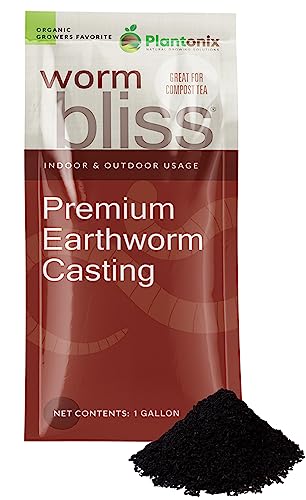
Worm Bliss Organic Worm Castings (4 Qts)

RooTrimmer 10 Pack Nursery Pots Trays

JayJayup Horticultural Perlite (4 Quarts)

Bootstrap Farmer 5 Pack 1020 Trays (No Holes)

RooTrimmer 5 Pack Trays with 40 Cell Inserts

GLOWRIUM Seed Starter Tray with Grow Lights

Legigo 200 Pcs 30mm Peat Pellets
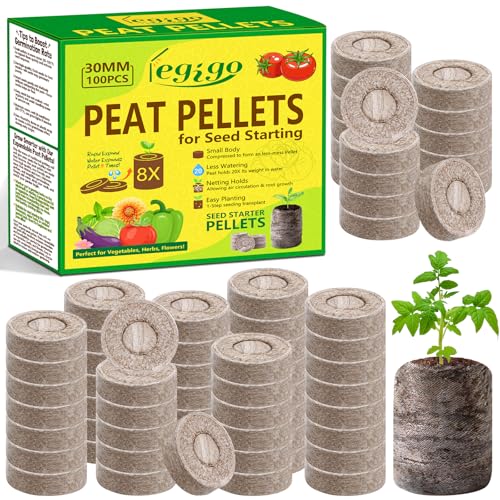
Legigo 100 Pcs 30mm Peat Pellets

Legigo 50 Pcs 30mm Peat Pellets
More On The Choices That Made The List
Compressed coco coir (coconut fiber processed into dry bricks) is a tidy way to stock a serious amount of seed-starting mix without dedicating a closet to bagged soil. The MODELLOR set ships as four compact bricks weighing 5 pounds together, then swells to roughly 9 gallons of fluffy medium once you add water. For gardeners who start dozens of flats each spring, that volume takes real pressure off the supply shelf.
The bricks are triple-washed to reduce natural salts and arrive pH-balanced, which keeps finicky herbs and vegetable seeds from getting burned before they even sprout. You tear off what you need, hydrate in a bucket, and you’re working with a peat-free medium that holds moisture without turning soggy. Compared with the worm casting option below, this is the volume play, not the nutrient play.
Notable Upsides
- Four bricks expand to about 9 gallons, enough for many seed trays and a few small container refills.
- Triple-washed and pH-balanced to lower the risk of salt damage on tender seedlings.
- Compact dry form stores easily in a garage or shed until you actually need it.
- Peat-free choice for gardeners trying to reduce reliance on harvested peat bogs.
- Rehydrates fast in a bucket, giving you workable medium in minutes rather than hours.
Points To Note
- Plain coir contains very few nutrients, so you’ll still need to feed seedlings after true leaves emerge.
- Bricks can be dusty when you first break them apart, so work outdoors or in a ventilated space.
Key Product Details
Made For
Active home gardeners who start vegetables and herbs in bulk each season and want a clean, peat-free base medium.
Look Elsewhere When
You mostly want to enrich an existing mix rather than build one from scratch, in which case Worm Bliss castings are the better match.
Worm castings are the rich, dark “earthworm compost” that experienced gardeners swear by for gentle feeding. Worm Bliss arrives in a 4-quart bag sized for blending into seed-starting mixes or working into small beds. OMRI-listed, which means it’s been reviewed for organic production, this is the option you reach for when you want seedlings to grow in a living medium, not a sterile one.
Castings add slow-release nitrogen, phosphorus, potassium, and a long list of trace minerals, plus beneficial microbes that help young roots colonize their pots. In real kitchens and backyards, people often mix a few spoonfuls into coir or peat to stretch their base medium. It pairs naturally with the MODELLOR bricks above if you want both volume and nutrition.
Features That Help
- OMRI-listed organic source of gentle, slow-release nutrients.
- 4-quart bag suits both small indoor mixes and outdoor amendment work.
- Improves soil structure and water retention when blended with coir or peat.
- Vegan and manure-free, a fit for gardeners avoiding animal-based amendments.
Trade Offs
- Used straight, castings can hold too much moisture for very small seeds, so blending is usually the safer path.
- The 4-quart bag covers a moderate run of seedlings but runs out fast for large gardens.
Who Will Love This
Organic-focused gardeners who prefer feeding seedlings with a natural amendment instead of a synthetic starter fertilizer.
Consider Something Else When
Your main need is a structured, soil-free base to fill many trays, where the MODELLOR coco bricks make more sense.
Plastic nursery trays are the workhorse of any seed-starting operation, and this RooTrimmer set gives you ten of them in one shot. Each flat measures 17 by 11 by 2 inches, the standard 1020 footprint that fits under most indoor grow setups and on a standard windowsill shelf. Because they’re listed as BPA-free plastic, you can use them around food crops with a reasonable level of confidence.
The trays ship without drainage holes, which makes them excellent as water reservoirs under cell trays or as microgreens flats where you cut the whole canopy at once. The trade-off shows up when you fill them directly with soil and seeds, since you’ll need to be careful with watering. For most growers, these pair with separate plug trays or sit beneath them as a humidity catch.
What Earns Its Place
- Ten-pack covers a multi-tray sowing session without a second order.
- Standard 1020 footprint fits common humidity domes and shelving systems.
- No-hole design doubles as a water catch tray under cell inserts.
- BPA-free plastic for gardeners prioritizing food-safe contact surfaces.
Honest Caveats
- Lacks drainage holes, so direct sowing demands careful watering to avoid pooling.
- Plastic walls flex more than the heavier Bootstrap Farmer option in our lineup.
Right Fit For
Beginners and intermediate growers starting microgreens or running bottom-watered cell trays on a shelf.
Swap It Out When
You want a tray that can carry a heavy, soaked load of soil for many seasons without bowing, where the Bootstrap Farmer flats pull ahead.
Perlite is the lightweight, porous volcanic glass that gardeners mix into seed-starting blends to keep them from compacting around tender roots. This JayJayup bag holds 4 quarts of 3-6 mm white granules, which is the most useful size range for blending into trays. You don’t sow seeds directly into perlite, but you’ll find it hard to skip once you’ve used it.
The real value here is airflow. Seedlings in a coir or peat blend tend to stay too wet at the bottom of small cells, and perlite creates the air pockets that prevent root rot. It’s also useful as a top dressing to keep moss from forming on the soil surface. If your seeds keep damping off, perlite is often the missing ingredient.
The Helpful Details
- 3-6 mm granule size suits most seed-starting blends.
- Improves drainage and airflow in dense or peat-heavy mixes.
- Doubles as a top dressing to limit surface moss and algae.
- Lightweight bag stores on a shelf without taking up floor space.
Practical Considerations
- Perlite dust is unpleasant to inhale, so dampen it before mixing.
- On its own, perlite holds almost no nutrients and needs to be paired with coir, peat, or castings.
Quick Facts
Best Suited To
DIY mix makers who want to fine-tune drainage and aeration for a particular crop or tray setup.
Skip It When
You’d rather skip measuring and blending entirely and reach for pre-made pellets like Legigo’s, which come ready to plant.
Where the RooTrimmer 10-pack is the budget play, Bootstrap Farmer’s 5-pack is the long-game play. These trays are molded from food-safe polypropylene in the 1.8 to 2.0 mm thickness range, which is enough to handle heavy, fully soaked media without bowing. If you’ve ever watched a cheap tray buckle mid-transport and dump an entire flat of seedlings, this build fixes that.
The solid, no-hole base works as a reservoir for bottom-watering cell trays or as the platform under soil blocks. Bootstrap Farmer has built a reputation in the small-farm crowd for trays that survive many seasons of use, and the no-hole version here fits the bottom-water workflow nicely. Compare that to the lighter RooTrimmer flats above, and you can see where the extra money goes.
Notable Gains
- Thick polypropylene walls resist bowing under saturated media.
- Food-safe material suits edible crops and microgreens.
- No-hole design creates a clean reservoir for bottom-watering setups.
- Standard 1020 footprint fits common domes, shelves, and cell inserts.
Less Ideal Details
- Higher cost per tray than thinner alternatives.
- Without drainage, you’ll want a careful watering rhythm for direct sowing.
Feature Snapshot
Whose Shelf It Belongs On
Multi-season growers and serious hobbyists who want trays that survive several sowing cycles without cracking.
A Better Fit Elsewhere
Casual gardeners only starting a few trays each year may prefer the cheaper RooTrimmer 10-pack value option.
If the previous RooTrimmer 10-pack was just the trays, this bundle adds the inserts that actually hold your seedlings. You receive five heavy-duty base flats and 40 clear four-cell trays, meaning each flat hosts one 4-cell insert that creates four separate planting pods. Each cell measures roughly 2.5 by 2.5 inches across and 2.8 inches deep, which gives roots a real working volume.
The clear inserts let light reach the root zone for a quick visual check on moisture and growth, and the large drainage holes make transplant cleaner since the whole plug pops out without root damage. This is the kit format that simplifies a beginner’s first run, since trays, cells, and drainage all arrive in one box. The catch is that 40 cells sets a cap on how many seedlings you can start at once.
Where It Delivers
- Includes both flats and cell inserts, removing the need to match sizes separately.
- Each cell’s depth (around 2.8 in) supports stronger root development before transplant.
- Clear plastic helps you monitor root growth and moisture levels.
- Large drainage holes make plug removal easier at transplant time.
Things To Weigh
- Only four cells per insert means more tray-to-tray handling during transplant.
- Five flats is plenty for a hobby setup but tight for a big spring garden.
Built With In Mind
Organized gardeners who want clear seedling-by-seedling separation and clean transplant from cell to garden.
Reach For A Different Pick When
You’d rather broadcast many small seeds at once for microgreens, where the no-insert RooTrimmer 10-pack is the cleaner fit.
For gardeners without a sunny south-facing window, a tray with built-in lights changes everything. The GLOWRIUM system combines a 108-cell tray, a tall clear dome, and two full-spectrum LED light bars in a single unit. The LEDs blend 4000K white, 660 nm red, and 460 nm blue light, which together cover the wavelengths seedlings actually use.
You get adjustable brightness across six levels plus four timer settings (3, 9, 12, and 16 hours), and you can run either one or both light bars depending on the stage of growth. The 4.3-inch dome gives plenty of headroom for the first few weeks before transplant. It’s the closest thing to a “set it and forget it” kit on this list, with the trade-off being its larger countertop footprint.
Useful Strengths
- Built-in full-spectrum LEDs remove the need to source a separate grow light.
- Six brightness levels and four timer settings support different growth stages.
- Tall 4.3-inch dome accommodates larger seedlings before transplant.
- 108 cells handle a substantial indoor garden in a single tray.
Where It May Fall Short
- The full kit takes up more counter space than a plain tray and dome.
- You depend on the included light bar’s output, so swapping in a stronger light later means replacing the whole top.
Spec Overview
Who Should Grab It
Apartment growers and winter sowers who lack natural light and want a turnkey station that fits on a shelf or table.
Where Another Pick Suits Better
Outdoor gardeners with a sunny spot and a soil-bed setup will get more value from Legigo peat pellets and a basic flat.
Peat pellets are the small, compressed discs of peat held together by a fine mesh that swell into little soil pods when you add water. Legigo’s 200-count pack is the high-volume choice for a busy spring, with each 30 mm pellet expanding to roughly eight times its compressed size. You drop a seed or two into the top, and the whole pod goes into the ground at transplant time.
That “no mess” angle is what makes pellets popular with classroom gardeners and indoor growers without a potting bench. You skip bagged soil, skip trays of loose mix, and skip root disturbance at transplant. The trade-off is that peat-based pellets dry out faster than a bulk mix, so consistent watering matters more than ever.
What It Does Well
- 200 pellets cover a multi-variety spring sowing without restocking.
- Compressed format keeps storage and shipping tidy.
- Mesh-wrapped pod goes straight into soil, reducing transplant shock.
- No bagged soil needed, which helps indoor growers keep the area clean.
Practical Considerations
- Peat pellets dry out faster than trays of bulk mix and need steady moisture checks.
- Smaller 30 mm pods run out of room for slow-growing crops before transplant.
Perfect Match For
Gardeners running multiple trays of vegetables or flowers who value speed and cleanliness over the largest possible cell size.
Not Your Match When
You’re only sowing a handful of seeds to learn the ropes, in which case the smaller 50-count Legigo pack below makes more sense.
The 100-count Legigo pack sits right in the middle of the line, sized for gardeners sowing a couple of dozen varieties without committing to a 200-pellet bulk run. Each pellet is the same 30 mm compressed format as the larger pack, expanding into a mesh-wrapped pod about eight times bigger once watered. Same planting workflow, smaller commitment.
For most backyard gardeners, 100 pellets is a comfortable count that covers a few herbs, a row of tomatoes, and a small flower trial without a lot of waste. Compared with the 200-count above, this pack is easier to finish in a single season, so you’re not storing half-used pellets that dry out over the summer.
Useful Highlights
- 100 pellets cover a typical backyard variety pack.
- Same proven 30 mm compressed format as the rest of the Legigo line.
- Mesh wrap keeps the pod intact through transplant.
- Easier to finish in one season than larger counts.
Small Caveats
- Still requires steady watering since small peat pods dry out quickly.
- Limited headroom means fast-growing seedlings may need transplant earlier than you’d like.
The Right Fit
Home gardeners running a mid-sized spring garden with a mix of herbs, flowers, and a few vegetables.
Where A Sibling Pick Shines
Large-scale vegetable growers or seed savers handling many varieties will outgrow this count and want the 200-pellet option.
New to seed starting and not sure how much you’ll actually plant? The 50-count Legigo pack keeps the commitment small. You get the same 30 mm compressed pellets in a more approachable quantity, ideal for a windowsill herb garden or a classroom-style flower experiment.
Because this is the same product family as the larger Legigo packs, the workflow is identical: drop a pellet in a tray, add warm water, wait for expansion, sow a seed. If you enjoy the process, the 100- and 200-count versions are an easy upgrade next season. If seed starting turns out to be less your thing, you haven’t overstocked a closet full of dry discs.
The Value In It
- Small count fits a beginner’s first sowing without much waste.
- Same compressed-pellet workflow as larger Legigo packs.
- Mesh wrap simplifies transplant for new gardeners.
- Easy upgrade path to the 100 or 200-count sizes next season.
Potential Compromises
- Fifty pellets runs out quickly for anyone planning a sizable spring garden.
- Same moisture-management caveat as the other peat pellets, which can catch beginners off guard.
Who It Suits Best
First-time gardeners testing the seed-starting waters or anyone running a small kitchen herb garden.
Look Elsewhere When
You’re already committed to a multi-tray spring garden and want more cells for the money, where the 100-count pack is the smarter buy.
Picking Seed Starters That Actually Fit Your Setup
Match the medium to your sowing style. Bulk coir and worm castings reward gardeners who blend their own mixes and want volume control, while peat pellets simplify the process for anyone who prefers a “drop, water, sow” routine. Tray choice follows the same logic: heavy-duty reusable flats suit repeat growers, while all-in-one kits with built-in lights cover growers without a sunny window.
Container Depth and Cell Size
Deeper cells give roots more room to develop before transplant, which usually translates into less transplant shock and faster recovery outdoors. The 2.8-inch cells in the RooTrimmer 4-cell kit and the 4.3-inch dome on the GLOWRIUM tray both buy you extra time before seedlings need to move. Shallow pellets like the 30 mm Legigo discs work fine for quick crops, but slower growers may need an earlier transplant.
Drainage, Aeration, and Watering Rhythm
Seed-starting mixes need to hold moisture without staying waterlogged, which is why perlite, coir, and peat pellets each address drainage differently. Coco coir holds water in its fibers while still allowing airflow, perlite creates the air pockets that prevent rot, and peat pellets dry out faster and demand more frequent checks. Most gardeners find a blend of two of these three performs better than any one alone.
Tray Build Quality and Reusability
Thin plastic trays handle a season or two before bowing or cracking, while the thicker polypropylene flats in this list often last several seasons. If you sow only once a year, the value-priced RooTrimmer packs make sense. For multi-shelf growers and microgreens producers, the Bootstrap Farmer trays justify their higher cost through longer life.
Light, Heat, and Indoor Real Estate
Without adequate light, seedlings stretch and weaken. South-facing windows work for cool-season crops, but fruiting vegetables and most flowers need supplemental light to grow stocky indoors. Kits with built-in LEDs like the GLOWRIUM tray handle this in one box. Heat mats (not included on this list) speed germination for warm-season crops, and a simple outlet timer keeps lighting consistent.
Common Pitfalls and What Premium Picks Add
Where Shoppers Go Wrong
The most common slip-up is starting seeds too early for your last frost date, which leaves you managing leggy seedlings indoors for weeks longer than necessary. Another frequent mistake is reusing old garden soil, which often carries pathogens that hit seedlings hard. Stick with sterile seed-starting mixes or fresh pellets, and time your sowing to your local calendar instead of pure enthusiasm.
The Upgrade Payoff
Spending more on trays and kits usually buys thicker plastic, taller domes, and integrated lighting, the three features that prevent the most common seed-starting frustrations. A cracked tray mid-transport, a dome that’s too short for cotyledons, or a stretched seedling reaching for a window all cost more in lost plants than the upgrade price. The premium tier pays off most for gardeners sowing indoors through winter or anyone reusing gear across many seasons.
Frequently Asked Questions
Do I really need a special seed-starting mix?
Most seed-starting mixes are soilless blends designed to stay light and airy around tiny roots. Garden soil compacts too easily in small cells and often carries pathogens, so a dedicated mix is the safer starting point for almost every crop.
How long do compressed peat pellets last?
Unused pellets stay good for several seasons if you store them in a sealed bag away from moisture. Once expanded, they have the same shelf life as any wet growing medium, so plant them within a few days of hydrating.
Can I reuse plastic seed trays year after year?
Reusable trays last longer when washed with a mild soap solution and fully dried before storage. The thicker polypropylene flats hold up for many seasons, while thinner budget trays often warp after a couple of heavy uses.
Do I need grow lights if I have a sunny window?
A bright south-facing window can work for cool-season crops and herbs, but seedlings tend to stretch toward the light and weaken. A simple LED setup produces stockier, more uniform seedlings for most vegetables and flowers.
How do I know when to transplant seedlings?
Most seedlings are ready to move when they develop their first set of true leaves (the second set of leaves, which look like the adult plant). At that point, roots have typically filled the cell and the plant can handle the move with minimal stress.
Closing Remarks
The right seed starter depends more on your setup than on any single spec. Indoor growers without natural light lean toward the all-in-one GLOWRIUM kit, while gardeners with a potting bench tend to prefer the flexibility of bulk coir, perlite, and a heavy-duty flat. Pick the option that matches how you actually work, and the rest of the season takes care of itself.
