

A jar of sprouts on a sunny windowsill, a tray of radish tops ready for harvest in eight days, a sandwich piled high with peppery greens cut minutes before lunch. Home-grown microgreens turn a small kitchen into a year-round garden, and the right seed stock makes the difference between a dense, flavorful harvest and a sparse, disappointing tray. This list rounds up ten dependable seed options spanning single varieties, salad blends, spicy mixes, and bulk packs, so you can match the seed to the space you have and the flavors you actually want on your plate.
The Picks In Brief

Handy Pantry Organic Alfalfa Seeds for Sprouting 1 lb

Nature Jim’s Sprout Organic Broccoli Seeds 8oz

Nature Jim’s Sprouts Organic Alfalfa Sprouting Seeds 16 oz

Rainbow Radish Sprouting Seed Mix 1 LB
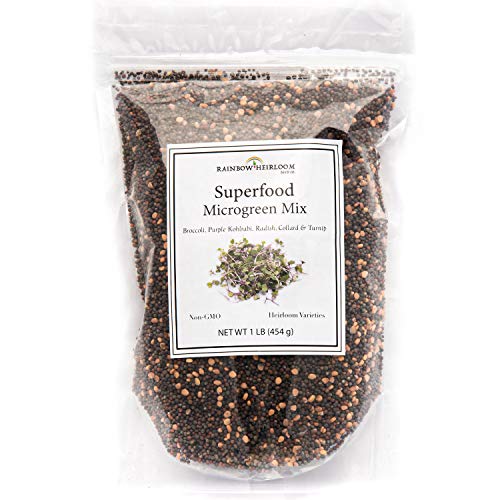
Superfood Microgreen Seeds Mix 1 LB

Country Creek 4 oz Alfalfa Sprouting Seed

Nature Jim’s Sprouts Salad Mix 1lb
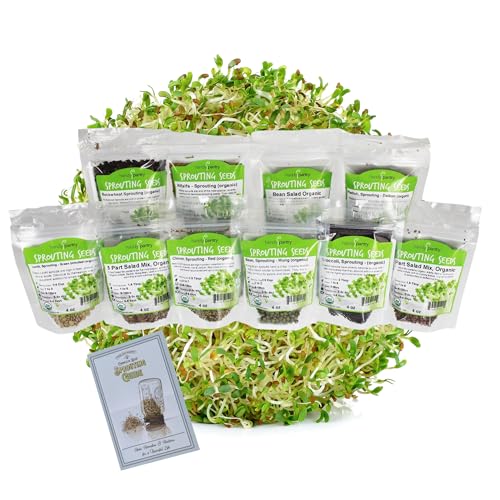
Handy Pantry Organic Sprouting Seed Mix 2.5 lb

Survival Garden Northern Vegetable Seeds Collection

Rainbow Heirloom Spicy Sprouting Mix 1 LB
The Strengths Of Each Pick
A one-pound bag of certified-organic alfalfa sets you up for months of jar sprouts and tray harvests, which makes Handy Pantry’s offering a natural anchor for any sprouting routine. The resealable pouch helps lock in freshness between batches, and the seeds are handled with sprouting rather than field-planting in mind, so germination tends to come in strong across successive soak-and-rinse cycles.
For most home sprouters, this kind of volume means you stop rationing seeds and start treating sprouting like a grocery run rather than a special project. You may find, in our view, that having a year of supply in one bag frees you to experiment with thicker trays or multiple jars at once.
The Upside
- One pound covers a long stretch of daily sprouting without restocking pressure.
- Certified organic status suits shoppers who prioritize traceability and clean inputs.
- Resealable pouch helps the seeds stay viable between harvest cycles.
- Alfalfa is one of the mildest, most forgiving seeds for first-time sprouters to learn with.
- Versatile across jar sprouting, tray microgreens, and classroom growing projects.
Worth Noting
- Mild flavor means you may want a peppery radish or broccoli seed alongside it for variety.
- Alfalfa hulls cling to finished sprouts and typically call for an extra rinse before eating.
Who It Suits Best
Daily sprouters who want one bulk bag of mild, organic seed to anchor salads, wraps, and sandwiches all year.
Where Another Pick Suits Better
Shoppers who want more flavor punch per tray should reach for the Rainbow Radish Sprouting Seed Mix, which trades alfalfa’s subtlety for bold radish heat.
Single-variety packs shine when you want a consistent harvest and the nutrition story to match, and Nature Jim’s 8-ounce broccoli bag delivers exactly that. Broccoli microgreens have built a reputation around sulforaphane, a compound associated with cruciferous vegetables, so gardeners focused on nutrient density gravitate to this kind of dedicated pack.
The 8-ounce size lands in a useful middle ground: generous enough for multiple tray runs but not so large that freshness becomes a worry before you’ve used it all. For most kitchens running two or three trays a week, this bag fits the rhythm.
A Strong Showing
- Single-variety format makes it easier to dial in soak and blackout timing.
- Broccoli sprouts mature fast, sometimes within five to seven days under warm conditions.
- Non-GMO seed suits shoppers who want clean inputs without certification overhead.
- Eight-ounce size suits households that run trays regularly but want fresh seed each season.
Things To Consider
- Single-variety means a flatter flavor profile compared to mixed packs.
- Broccoli seed hulls sometimes cling to cotyledons (the first seed leaves) and benefit from a light rinse.
Quick Facts
Built With In Mind
Sprouters who want a focused, single-flavor harvest of cruciferous microgreens for nutrient-forward meals.
Swap It Out When
Anyone chasing color and flavor variety on the same tray should pick the Superfood Microgreen Seeds Mix, which bundles broccoli into a broader brassica blend.
Sixteen ounces of organic alfalfa is a serious pantry commitment, and that’s the point of this Nature Jim’s pack. Families running multiple trays, classrooms teaching sprouting, and small growers who cycle through a lot of mild greens tend to appreciate the steady, generous supply without having to keep restocking.
Compare this to the smaller Handy Pantry 1-pound bag reviewed earlier: both are organic alfalfa, but this option doubles down on volume for anyone whose sprout habit has outgrown smaller pouches. The trade-off is that you need somewhere cool and dry to keep the bag in good shape between uses.
Notable Upsides
- Sixteen-ounce size stretches across many trays or jars before running out.
- Organic status aligns with shoppers prioritizing clean, traceable inputs.
- Alfalfa’s mild flavor pairs well with bolder seeds if you choose to blend later.
- Works in jars, trays, and countertop sprouters alike.
Trade-Offs To Consider
- Large bag requires cool, dry storage to keep seeds viable over time.
- Plain alfalfa delivers a subtle taste that some cooks find underwhelming.
The Right Fit
Multi-tray households or hobby growers who sprout often enough that a small pouch simply runs out too quickly.
Consider Something Else When
Solo sprouters with limited counter space may find the 1-pound Handy Pantry Organic Alfalfa Seeds a more manageable starting point.
Three radish varieties in a single resealable bag is a smart way to chase flavor without committing to three separate purchases. This Rainbow Heirloom mix pairs Red Arrow, Purple Triton, and White Daikon radishes, each carrying its own take on that peppery bite, so one tray ends up with layered heat rather than a single note.
For anyone who treats radish microgreens as the finishing sprinkle on tacos or grain bowls, having a dedicated spicy mix on the shelf is a real convenience. Depending on your tolerance, you may find the heat builds up across the harvest, with Daikon typically landing on the milder end and Red Arrow pushing harder.
Notable Gains
- Three distinct radish varieties create a layered spice profile in a single tray.
- Heirloom and non-GMO sourcing appeals to shoppers wary of commodity seed blends.
- Resealable 1-pound bag supports frequent harvests across many weeks.
- Works in jars, microgreen trays, and countertop sprouters without reconfiguration.
Things To Weigh
- Peppery intensity is stronger than mild alfalfa or clover, so it is not an every-flavor swap.
- Radish seed size means planting density per tray takes a little practice to gauge.
Feature Snapshot
Made For
Home cooks who want bold, peppery radish microgreens ready to scatter over tacos, ramen, and salads.
Not Your Match When
Sprouters seeking a mild, neutral base for everyday sandwiches may prefer the Handy Pantry Organic Alfalfa Seeds instead.
If a single seed type ever feels limiting, a brassica-heavy blend like this one is the logical next step. The Superfood Microgreen Seeds Mix pulls together broccoli, radish, purple kohlrabi, collard, and turnip into one resealable pound, giving you a colorful, nutrient-forward harvest without juggling five separate bags on the shelf.
Owners commonly find that the mix germinates at similar rates across the brassicas, so the canopy matures evenly enough to harvest in one pass. You may find that the purple kohlrabi in particular adds a visual lift that plain alfalfa or broccoli simply cannot match.
Useful Strengths
- Five brassica varieties in one bag simplify pantry storage.
- Non-GMO heirloom sourcing appeals to shoppers who read labels closely.
- Bulk 1-pound format supports frequent tray turnover.
- Broccoli content ties into the well-known sulforaphane association.
- Color variety from purple kohlrabi and collard lifts the visual appeal of the tray.
A Few Limitations
- Brassica mix means a strong, sometimes mustardy overall flavor that not every palate wants daily.
- Variety count makes it harder to fine-tune the timing of each component individually.
Best Suited To
Sprouters chasing a nutrient-dense, visually varied brassica harvest from a single bag rather than a stack of separate packs.
Look Elsewhere When
Cooks who prefer a milder flavor profile for everyday use should grab the Handy Pantry Organic Alfalfa Seeds for a more neutral base.
Not everyone needs a full pound of seed on day one, and the Country Creek 4-ounce alfalfa pouch fills that gap nicely. The smaller size lets you learn your rhythm, finish the bag while it is still fresh, and decide whether to scale up later without wasting surplus seed.
Non-GMO labeling and broad use-case flexibility, including hydroponics and basic salad sprouting, make this a useful starter pack. In our view, first-timers benefit most because a 4-ounce bag can be used up in a few weeks of practice runs.
Strengths Worth Knowing
- Compact 4-ounce size fits a starter routine without long-term storage concerns.
- Non-GMO labeling reassures shoppers looking at ingredient sourcing.
- Alfalfa’s forgiving nature suits new sprouters still learning rinse timing.
- Works in jars, trays, and basic hydroponic setups.
Minor Gripes
- Smaller bag runs out faster once sprouting becomes a daily habit.
- Plain alfalfa flavor lacks the punch that radish or spicy blends provide.
Whose Shelf It Belongs On
First-time sprouters who want a small, manageable bag of clean, mild alfalfa before committing to a larger pack.
A Better Fit Elsewhere
Daily sprouters who already know they love alfalfa should grab the Handy Pantry Organic Alfalfa Seeds 1-pound bag for better per-ounce value.
A salad mix that already balances broccoli, alfalfa, clover, and radish gives you a finished tray of microgreens with built-in flavor contrast, no recipe required. Nature Jim’s packs that balance into a one-pound resealable bag, which suits households that want to sow one blend and harvest one tray without thinking twice.
Compared to the spicier radish and superfood blends earlier on this list, this mix lands closer to a neutral, sandwich-friendly profile. For most kitchens, that balance is exactly the everyday workhorse behavior they want from a daily-use seed pack.
Key Advantages
- Four-way blend offers flavor variety without buying separate bags.
- Non-GMO organic status aligns with shoppers prioritizing clean sourcing.
- Reported fast germination, sometimes ready in as little as five days under good conditions.
- Versatile for jar sprouting and shallow microgreen trays.
Honest Caveats
- Radish component means a noticeable peppery bite, milder than the dedicated radish mixes but still present.
- Mix proportions are fixed, so you cannot adjust the clover-to-radish ratio to taste.
Core Details
Who Should Grab It
Everyday cooks who want one reliable, balanced blend for sandwich toppers and side salads all week long.
Another Choice May Suit
Anyone who wants pure, single-note heat should pick the Rainbow Radish Sprouting Seed Mix for a more focused peppery hit.
Ten organic varieties packed into a 2.5-pound bag is the closest thing on this list to a sampler pantry. Handy Pantry’s sprouting mix is meant for growers who want to test multiple seeds, from alfalfa and mung bean to lentil, broccoli, clover, buckwheat, and radish, without buying each variety separately.
Depending on your setup, you can treat the bag as ten small experiments or as one rotating stock for mixed trays. The resealable format and the included sprouting guide make the package friendly for households still figuring out which seeds they actually want to reorder in bulk later.
Positive Takeaways
- Ten varieties support exploration across flavor profiles and growing speeds.
- Organic status fits shoppers prioritizing traceable, clean inputs.
- Bulk 2.5-pound format suits classrooms, families, and small growers.
- Included sprouting guide helps first-timers track germination and yield results.
Points To Keep In Mind
- Ten varieties mean some seeds will run out faster than others in a mixed bag.
- Larger size calls for cool, dry storage to keep all varieties viable.
Perfect Match For
Exploratory growers and households who want to sample many seeds before committing to a single favorite in bulk.
Reach For A Different Pick When
Sprouters with a clear favorite flavor already in mind should pick a single-variety bag like Nature Jim’s Sprout Organic Broccoli Seeds instead.
The Northern Vegetable Seeds Collection steps outside the strict sprouting category and into the broader world of heirloom outdoor planting. With 15 varieties, from bush beans and beets to broccoli, kale, kohlrabi, carrots, peas, and spinach, the focus is on a full backyard or raised-bed season rather than kitchen-counter microgreens.
For sprouters who also dream of a summer vegetable patch, this kind of dual-purpose pack can serve both hobbies from the same shelf. The trade-off is that none of these seeds are tuned for fast jar sprouting, so indoor-only growers will want a different pick.
Noteworthy Benefits
- Fifteen heirloom vegetable varieties cover a wide outdoor planting plan.
- Northern-climate selection suits gardeners in cooler growing zones.
- Heirloom sourcing aligns with shoppers preserving traditional varieties.
- One collection spans legumes, roots, brassicas, and leafy greens.
Where It May Fall Short
- Varieties are sized for outdoor planting, not fast indoor sprouting.
- No ready-to-sprout single-crop focus if your goal is daily microgreen harvests.
The Right Fit
Gardeners in northern climates who want a single heirloom collection that covers most of a backyard vegetable patch.
Skip It When
Kitchen-counter sprouters focused on microgreen harvests should reach for the Superfood Microgreen Seeds Mix instead.
The Spicy Sprouting Mix leans into bold flavors by pairing tendergreen komatsuna (a fast-growing mustardy green), crimson clover, and three radish varieties in a single resealable pound. The result is a tray that leans hot, slightly nutty, and unmistakably savory rather than mild.
You may find this mix shines as a finishing garnish for ramen, pho, and grilled meats, where plain alfalfa would disappear into the dish. Compared to the Rainbow Radish Sprouting Seed Mix covered earlier, this one swaps in komatsuna and clover for a more layered, less one-note peppery bite.
What Makes Sense
- Five components bring layered heat, color, and texture to one tray.
- Heirloom non-GMO sourcing reassures shoppers concerned about commodity blends.
- Resealable 1-pound bag supports frequent harvests over many weeks.
- Works across jars, trays, and countertop sprouting units.
Soft Spots
- Bold flavor profile is not suited to plain sandwich use.
- Multi-component mix means germination timing varies slightly across varieties.
Feature Card
Who Will Love This
Flavor-forward cooks who want a punchy microgreen garnish for ramen, tacos, and grain bowls rather than a mild everyday green.
Where A Sibling Pick Shines
Sprouters who prefer a balanced everyday blend should pick the Nature Jim’s Sprouts Salad Mix for a milder, sandwich-friendly profile.
What Matters Most When Choosing Seeds For Microgreens
Match The Seed To Your Setup
Countertop jar sprouters, shallow microgreen trays, and hydroponic mats each behave a little differently. Small, light seeds like alfalfa and broccoli spread easily across a tray, while larger radish and clover seeds need a heavier hand for even coverage. Choosing seed that matches the hardware you already own prevents the common frustration of seed rolling off the medium or piling up in the corners.
Decide Between Single Varieties And Blends
Single-variety bags reward growers who want predictable timing and a specific flavor, like the broccoli-only pack from Nature Jim’s. Blends like the Superfood Microgreen Seeds Mix and the Handy Pantry 10-variety pack reward growers who want visual variety and the freedom to harvest a different tray every week without buying new seed. The honest read is that neither approach is wrong; the choice depends on whether variety or predictability matters more in your kitchen.
Pay Attention To Seed Freshness And Storage
Microgreen seed viability drops over time, especially when stored warm or in humid spots. Resealable bags help, but for any opened pack, keep seeds cool, dry, and away from direct sunlight. A small airtight jar in a pantry works for most households, and most growers find seeds stay viable for many months when handled this way.
Flavor Profile Drives Daily Use
The mildest seeds, like alfalfa, tend to disappear into dishes, while radish and mustardy blends announce themselves loudly. For everyday sandwich toppers, milder blends like the Nature Jim’s Sprouts Salad Mix land well. For finishing garnishes on cooked dishes, the spicier Rainbow Radish or Rainbow Heirloom Spicy Sprouting Mix gives you more presence per pinch.
Smart Buying Notes Across These Picks
Common Shopping Slip Ups
One of the easiest traps is buying outdoor vegetable seed, like the Northern Vegetable Seeds Collection, and expecting it to behave like a sprouting seed. Field seed is often treated for soil planting rather than direct human consumption through jar sprouting, and germination rates for indoor trays can disappoint. Another common slip is over-seeding trays with large seeds like radish, which leads to mold pressure from poor airflow. A light, even sprinkle works better than a thick layer, regardless of the variety.
Where The Extra Money Goes
Higher-tier seed packs tend to invest in tighter quality control, gentler handling, and cleaner sourcing pipelines, which translates into more consistent germination across batches. Bulk bags like the 2.5-pound Handy Pantry mix are priced to reward households that use seed often, while smaller bags like the 4-ounce Country Creek alfalfa make sense for slower routines. Paying more usually buys consistency and freshness, not a fundamentally different seed.
