

Starting a vegetable patch from scratch can feel like standing in front of a wall of seed packets with no map. Most beginners want variety without a fortune in wasted seeds, while seasoned growers want heirloom reliability and regional fit. This roundup focuses on packs that match real backyard conditions: small raised beds, hydroponic corners, southern heat, and long-term seed storage. Each pick comes with an honest read on strengths, limits, and the reader it suits best.
The Leading Options At A Glance
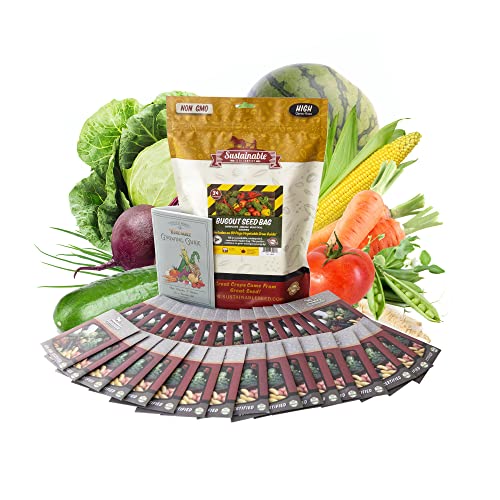
Sustainable Seed Co 22,000 Non-GMO Heirloom Vegetable Seeds

Organo Republic 55 Vegetable Seeds Variety Pack 35,600+ Heirloom

Organo Republic 40 Vegetable Seeds Variety Pack 26,000 Heirloom

Organo Republic 75 Vegetable & Greens Seeds Starter Kit 44,700

Survival Garden Seeds Northern Vegetable Collection

Gardeners Basics Survival Seed Vault Kit 35 Varieties

Grow For It Survival Garden Heirloom Seeds 105 Varieties

Everwilde Farms Blue Hubbard Winter Squash 20 Seed Packet

Seedboy Organic Non-GMO Sprouting Seeds Protein Blend

Sweet Yards Organic Southern Garden Seeds 10 Pack 2026
More Details On Our Top Picks
Paper seed packets with lot numbers and germination data matter more than flashy marketing claims, and Sustainable Seed Co leans into that older-school approach. The collection spans roughly 34 heirloom vegetables and a few herbs, which is enough breadth for a first backyard without overwhelming a new gardener.
For most home growers planning a 10×10 raised bed or a few containers, the seed count runs well past a single season’s needs. You may find yourself with leftovers for the following year if storage stays cool and dry.
Positive Takeaways
- 34 vegetable and herb varieties cover the staples most kitchens actually cook with.
- Paper packets include lot numbers and germination test data, which signals compliance with federal seed labeling rules.
- 22,000 seeds across the bundle gives multi-season planting room for small plots.
- Heirloom (open-pollinated) seeds let you save and replant next year from the strongest producers.
- The mix spans warm-season crops like tomato and watermelon alongside cool-season favorites like spinach and kale.
Things To Consider
- Storage requires a cool, dark, dry spot; humid garages can shorten shelf life quickly.
- Some varieties are duplicates of common grocery-store produce rather than rare cultivars.
Key Product Details
Right Fit For
First-time backyard growers who want a broad, dependable starter mix without paying for extras they will not use.
Look Elsewhere When
Counter-only sprouters and apartment dwellers without outdoor space should reach for the Seedboy Protein Blend instead.
The Organo Republic 55-pack stretches further than most bundles on this list, packing over 35,600 seeds into individual packets for hydroponic, indoor, and outdoor use. Compared with the Sustainable Seed Co bundle above, this one leans broader but with smaller per-variety counts.
Garden hobbyists running multiple beds or rotating crops across seasons benefit most, since the spread includes less common picks like kohlrabi, endive, and curled cress. You may find the per-variety counts too thin for serious single-crop planting.
Bright Spots
- 55 varieties give one of the widest vegetable spreads in this roundup.
- Individual seed packets make it easier to plan succession planting and crop swaps.
- Compatible with hydroponic, indoor, and outdoor setups.
- Open-pollinated seeds support seed saving for next season’s strongest performers.
Worth Noting
- Smaller per-variety seed counts mean heavy single-crop sowings may run short.
- Some varieties like mache corn salad and curled cress may not suit every regional palate.
Quick Facts
Made For
Garden hobbyists running multiple beds or hydroponic setups who want maximum crop variety in a single bundle.
A Better Fit Elsewhere
Beginners wanting fewer varieties with higher per-variety counts will get a gentler start with the Sustainable Seed Co 22,000 pack.
The 40-variety Organo Republic bundle hits a middle ground between the 22,000 Sustainable Seed Co pack and the larger 55-variety sibling above. You get enough breadth for a family kitchen garden without the overwhelm of niche crops that may go unused.
Home cooks planting tomatoes, peppers, beans, and squash alongside salad greens will find the lineup well-matched. For most raised beds in mild climates, this size gives two seasons of room before seeds lose vigor.
Useful Strengths
- 40 varieties cover common kitchen staples without overstocking rare crops.
- Individual packets suit succession planting across spring and fall rotations.
- Hydroponic and outdoor compatibility broadens use-case fit.
- Open-pollinated seeds allow future seed saving from best-performing plants.
Trade Offs
- Per-variety seed counts are modest, so heavy feeders like corn may need supplementing.
- Storage conditions still matter; humid sheds can shorten viability faster than cooler pantries.
Best Suited To
Family kitchen gardeners who want enough variety to feed a household without managing 50-plus packets.
Reach For A Different Pick When
Southern growers needing heat-tolerant varieties should consider the Sweet Yards Organic Southern Garden Seeds 10 Pack.
Where most bundles stop at seeds, this Organo Republic kit folds in the tools a first-time grower forgets to buy. A seed dispenser, claw gloves, a mini tool set, pH strips, and a UV cap all arrive in a wooden storage box.
For someone starting from a clean apartment or a brand-new raised bed, the bundled extras save multiple shopping trips. You may find the pH strips useful for diagnosing chlorosis problems later in the season.
Where It Helps
- 75 seed packs cover an unusually wide vegetable and greens lineup.
- Bundled tools remove the need to source claw gloves and seed dispensers separately.
- Wooden storage box doubles as a gift-ready presentation.
- pH test strips support early soil diagnostics for beginners.
Points To Note
- Tool quality is functional rather than heavy-duty; expect light garden use rather than decades of service.
- Wooden box adds bulk that may not fit narrow shed shelving.
Feature Snapshot
Whose Shelf It Belongs On
First-season gardeners who would otherwise buy seeds, gloves, and tools in three separate orders and want everything in one box.
Swap It Out When
Experienced growers with established tools will find better value in the plain-seed Organo Republic 55-pack instead.
The Survival Garden Seeds Northern collection skips the heat-loving crops that struggle in zones 3 through 6, focusing on 15 cool-weather heirlooms. Bush beans, kale, kohlrabi, and Swiss chard anchor a lineup built around shorter growing windows.
Growers in places like Minnesota, Maine, and the Upper Midwest will recognize the crop choices. You may find the lack of tomatoes or peppers limiting for canning plans, which is exactly why this bundle exists separately.
Useful Highlights
- Curated for shorter, cooler seasons where warm-weather crops often fail.
- 15 heirloom varieties selected for traditional northern kitchen gardens.
- Cool-season staples like kale, spinach, and peas thrive even after light frost.
- Open-pollinated seeds support regional seed saving networks.
A Few Limitations
- Tomatoes, peppers, and melons are absent, which limits sauce and salsa gardens.
- Smaller variety count than broader bundles means less room to experiment.
Who It Suits Best
Northern tier raised bed gardeners in zones 3 to 6 who want crops that actually finish before first frost.
Consider Something Else When
Warm-climate gardeners in zones 8 through 10 should reach for the Sweet Yards Organic Southern Garden Seeds 10 Pack instead.
Where the Sustainable Seed Co and Organo Republic packs live in paper envelopes, Gardeners Basics wraps 35 heirloom varieties into a sealed vault designed for multi-year storage. For preppers and homestead planners, that container is the whole point of the purchase.
Raised bed growers focused on immediate planting may find the vault redundant, since they will crack it open the same season. Long-term planners, on the other hand, get a seed bank that sits ready through disruptions.
The Value In It
- Sealed vault protects seeds from moisture and light between seasons.
- 35 heirloom varieties span leafy greens, root crops, tomatoes, peppers, beans, peas, squash, and melons.
- 16,000+ seeds give enough volume for a meaningful first planting.
- Non-hybrid, open-pollinated seeds can be saved and replanted indefinitely.
Honest Caveats
- Vault adds bulk that takes up more shelf space than paper packets alone.
- Once opened, the long-term storage benefit is reduced unless seeds get resealed properly.
Right Fit For
Preppers, homestead planners, and gardeners who want a stored backup beyond the current growing season.
Look Elsewhere When
Growers who plan to plant everything this season and have no interest in multi-year storage should pick the Sustainable Seed Co bundle instead.
Grow For It pushes variety count past triple digits, packaging 105 vegetable, herb, and fruit seeds inside a 30-caliber ammo can with a rubber gasket seal. The 25-plus year shelf life claim makes this a true seed bank rather than a single-season bundle.
For off-grid households, the can itself doubles as a conversation piece and a practical storage solution. You may find the sheer number of varieties excessive if you only cook with a handful of vegetables.
What Works In Its Favor
- 105 varieties give the widest crop spread in this roundup, including herbs and fruits.
- Ammo can with rubber gasket seal protects seeds against moisture and pests.
- Open-pollinated and non-hybrid seeds support indefinite replanting.
- Sealed seed packets inside the can help maintain viability over decades.
Where It May Fall Short
- Ammo can is heavier and bulkier than standard paper storage.
- Per-variety seed counts are modest given the breadth; large-scale growers may need backup packets.
Technical Highlights
Perfect Match For
Off-grid households, preppers, and homestead owners who want maximum variety and long-term seed banking in a single purchase.
Skip It When
Apartment gardeners who will only plant a handful of crops each year get more value from the narrower Seedboy sprouting pack.
Everwilde Farms goes in the opposite direction from the multi-pack bundles above, offering just 20 Blue Hubbard winter squash seeds in a single Gold Vault resealable packet. Football-shaped fruits topping 30 pounds make this a storage crop, not a quick-harvest vegetable.
For most home kitchens, 20 seeds is still generous since each vine sprawls widely. You may find the 110-day maturation window challenging in zones with short summers, though curing extends storage well into winter.
Real Benefits
- Blue Hubbard produces large fruits with strong long-term storage qualities.
- Gold Vault resealable packet protects remaining seeds between sowings.
- Sweet-flavored orange flesh suits pies, roasting, and soups.
- Heirloom, non-GMO seeds can be saved from open-pollinated plants.
Worth Bearing In Mind
- Vines need substantial garden space; not suited to small raised beds.
- 110-day maturation window rules out very short growing seasons.
Who Should Grab It
Winter squash enthusiasts with room to spare who want a single reliable heritage variety for cold storage eating.
Not Your Match When
Growers wanting variety across many crops in one bundle should pick the Sustainable Seed Co 22,000 pack instead.
Seedboy sidesteps soil entirely with a sprouting protein blend designed for jar growing on a kitchen counter. Apartment dwellers, office snackers, and renters without outdoor access get fresh greens in days rather than months.
Compared with the soil-based bundles above, this one delivers ready-to-eat sprouts with no garden required. You may find the volume modest relative to field seed packs, but the turnaround from soak to harvest is the trade-off.
A Few Strong Suits
- Works in a jar with no soil, raised bed, or outdoor plot required.
- Organic, non-GMO seeds suited to smoothies, sandwiches, and salads.
- Quick turnaround from soak to harvest suits busy schedules.
- Compact footprint fits any kitchen counter or workspace.
Possible Compromises
- Output is sprouts and shoots, not full-sized vegetables for cooked meals.
- Rinsing schedule requires a twice-daily routine that some users find tedious.
Perfect Match For
Apartment dwellers, renters, and office snackers without access to soil who still want fresh greens within a week.
Consider Something Else When
Growers with raised beds and a long season will find better value in the broader Sustainable Seed Co or Organo Republic bundles.
Sweet Yards rounds out the roundup with a 10-pack designed specifically for southern heat. Varieties like Sugar Ann snap peas, Champion collard greens, and Sweet Crimson watermelon reflect crops that thrive when temperatures climb past the tolerance of northern bundles.
For most southern backyards in zones 7 through 10, this is the small, curated list that actually finishes before the worst of summer humidity. You may find the variety count leaner than the multi-packs, but the regional relevance is the trade-off.
A Few Highlights
- Heat-tolerant varieties suit zones 7 through 10 reliably.
- Certified organic, non-GMO seeds aligned with strict gardening standards.
- 10 individual packets cover a balanced southern kitchen lineup.
- Curated for the 2026 season with current lot viability.
Details To Watch
- Smaller variety count than broader multi-packs limits kitchen experimentation.
- Heat-tolerant focus means less fit for cool-season northern planting.
Built With In Mind
Southern US gardeners in zones 7 through 10 who want a short, region-matched list that performs through summer heat.
A Better Fit Elsewhere
Northern tier growers should pick the Survival Garden Seeds Northern Vegetable Collection instead.
What Matters Most Before Choosing Seeds For Vegetable Garden
Match Variety To Climate First
Heat-tolerant picks like collards and watermelon finish in southern summers where northern heirloom tomatoes stall out. Growers in zones 3 through 6 get better results from cool-weather bundles like the Survival Garden Seeds Northern Vegetable Collection. Buying seed before knowing your last frost date is one of the most common rookie errors, so check a regional planting calendar before checkout.
Decide Between Bulk And Specialty Packs
Broad 30-to-75-variety bundles suit curious growers who want to trial several crops, while narrow 10-packs target regional conditions or specific recipes. Specialty single-crop packets like the Everwilde Farms Blue Hubbard are useful when you already know the exact vegetable you want. The bundle choice shapes whether the leftover seeds go to use or sit unused in a drawer for years.
Storage Conditions Shape Long-Term Value
Heirloom seeds lose viability faster in humid garages and hot sheds than in cool, dark pantries. Sealed vaults like the Gardeners Basics and Grow For It kits buy extra years of shelf life for gardeners who want to plant across multiple seasons. For most casual growers, paper packets stored indoors in a closet still deliver solid germination within two to three years.
Key Considerations Across These Picks
Common Shopping Slip Ups
A bundle that lists 50 varieties but only a handful of seeds per packet looks generous on paper yet leaves heavy feeders like corn and beans short. Beginners also overlook last frost dates and end up with heat-loving tomatoes that never ripen in a short season. Pick the regional match before chasing variety count.
What Separates Premium From Basic
Higher-tier bundles justify the upgrade with germination test data, sealed storage, and lot traceability that cheaper multi-packs skip. The Grow For It ammo can and Gardeners Basics vault both protect seeds across decades rather than months. For a single-season raised bed, basic paper packets still work, but multi-year planners get genuine storage value from the premium tier.
Frequently Asked Questions
How long do heirloom vegetable seeds stay viable?
Most heirloom seeds stored in cool, dry conditions remain viable for two to four years, with sealed vault storage extending that window to 25 years or more for crops like tomatoes and beans. Onion and parsley seeds tend to lose viability faster than tomatoes or peppers.
What does “open-pollinated” actually mean for home gardeners?
Open-pollinated seeds produce plants that grow true to type, meaning saved seeds from this year’s harvest grow into the same variety next year. Hybrid seeds (often labeled F1) do not reliably reproduce the parent plant, so saved seed may grow into something different.
Can I start seeds indoors before transplanting outside?
Most warm-season crops like tomatoes, peppers, and eggplant start well indoors six to eight weeks before the last frost date. Cool-season crops like lettuce, kale, and peas generally prefer direct sowing since they tolerate light frost.
Do I need a full sun yard to grow these seed packs?
Most fruiting vegetables like tomatoes, peppers, and squash want six to eight hours of direct sunlight daily for solid yields. Leafy greens, herbs, and sprouts tolerate partial shade, which is why the Seedboy protein blend works on shaded counters.
Are heirloom seeds harder to grow than hybrids?
Heirloom seeds are not inherently harder to grow, but they can be less uniform in size and ripening than modern hybrids. Many gardeners prize heirlooms for flavor and seed-saving flexibility, even with the slight trade-off in consistency.
The Takeaway
A solid seed bundle comes down to climate fit, variety count, and storage conditions, not the longest marketing list. Pick the regional match first, then choose between broad multi-packs for experimentation or narrow curated sets for specific recipes. With any of the ten packs above, you will have a working starting point for the 2026 growing season.
