

Winter sowing turns a quiet backyard into a productive seed-starting station, and the right seed packets make all the difference. Cold-tolerant vegetables, leafy greens, and sprouting mixes handle frost naturally, so you can sow in late winter without grow lights or heated mats. Below is a curated list for gardeners ready to embrace the method this season.
A Side-By-Side Look
Todd’s Seeds Alfalfa Sprouting Seeds, 1 lb

Food to Live Salad Mix of Sprouting Seeds 3 Pounds

Survival Garden Seeds Vegetable Garden Seed Vault 15 Pack

Everwilde Farms Blue Hubbard Winter Squash Seeds

Purely Organic Arugula Seeds Slow Bolt

Survival Garden Seeds Pumpkin Seeds 4 Variety Pack

Sow Right Seeds Winter Squash Seed Collection
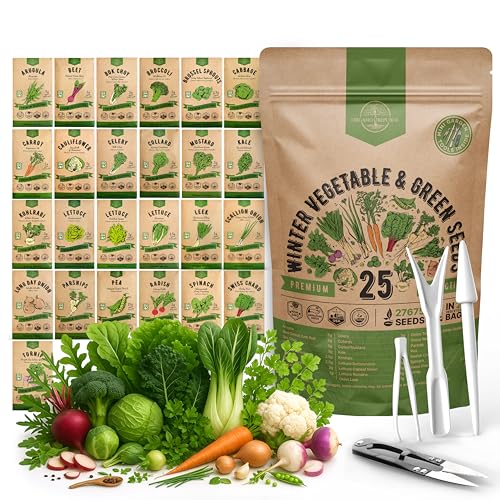
Organo Republic 25 Winter Vegetable and Green Seeds Variety Pack
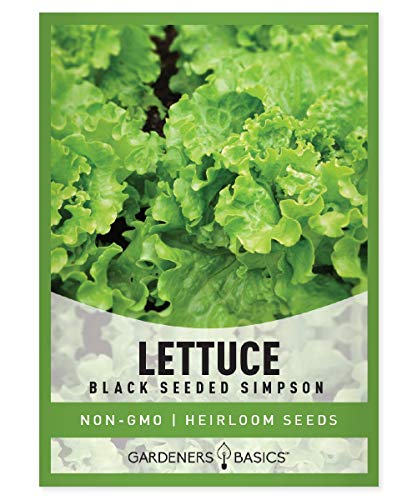
Gardeners Basics Black Seeded Simpson Lettuce Seeds

Survival Garden Seeds Winter Squash Seeds 4 Variety Pack
A Breakdown Of The Leading Choices
Alfalfa seed sits at the entry point of winter sowing for many people, even though it isn’t sown in soil at all. This one-pound pouch from Todd’s Seeds is sized for serious sprouting, so you can run a continuous rotation on a kitchen counter with no soil, no sun, and no special equipment.
Sprouting means rinsing and draining seeds a couple of times daily until small tails form, which is forgiving enough for absolute beginners. The packet is heavy enough to support many months of weekly harvests for a household that enjoys fresh greens through winter.
Where It Delivers
- Large 1 lb size supports long-term use, not just a few test batches
- Non-GMO, USA-grown source for shoppers who care about origin
- Countertop sprouting works year-round, sidestepping outdoor weather
- Mild, nutty flavor pairs well with sandwiches, wraps, and grain bowls
- Simple daily rinse routine needs no grow lights or special trays
Things To Consider
- Requires consistent rinsing, so it’s not hands-off for busy weeks
- Alfalfa sprouts are delicate and benefit from refrigeration once grown
Who It Suits Best
Countertop sprout growers and curious beginners who want a low-commitment way to keep fresh greens coming through the cold months.
Consider Something Else When
You’d rather grow actual outdoor greens, in which case the Purely Organic Arugula Seeds Slow Bolt is a smarter fit for soil-based winter sowing.
Where the Todd’s pick is a single-crop sprouter, this Food to Live blend broadens the table with four seed types in one bag. Broccoli, clover, radish, and alfalfa arrive pre-mixed, so each jar of sprouts lands with layered flavor and a more interesting texture profile.
At three pounds total, the pouch suits households that toss sprouts into daily juices, salads, and sandwiches without rationing. The mix is also labeled kosher, raw, and vegan, which broadens the appeal for shoppers with specific dietary preferences.
What Helps Most
- Four-variety blend keeps each batch varied
- Three-pound size stretches across months of regular use
- Works with jar, tray, or commercial sprouting methods
- Dietary labels suit a wide range of kitchens
Worth Noting
- Pre-mixed seeds make it harder to sprout varieties separately if you want isolated flavors
- Bulk size needs cool, dry storage to keep seed viability strong over time
- Some seeds in the mix may sprout at slightly different speeds
Made For
Salad and smoothie makers who want a varied sprouting rotation from a single bag without buying multiple single-crop pouches.
Not Your Match When
You’d rather grow edible greens in outdoor soil, where the Organo Republic 25 Winter Vegetable and Green Seeds Variety Pack offers a much wider cold-season lineup.
The Survival Garden Seeds vault steps away from sprouts and into a full summer garden. Fifteen separate packets cover the core crops a family actually eats: tomatoes, peppers, cucumbers, lettuce, squash, zucchini, watermelon, carrots, cabbage, eggplant, radish, beets, and kale.
Each variety is individually labeled, so you can plan a 15-pack layout without sorting through a single mixed bag. The vault-style packaging is also built to store seeds for multiple seasons, which is helpful for gardeners planning a long-term food plot.
The Helpful Details
- Fifteen distinct varieties cover a well-rounded family garden
- Individually sealed packets help with organized planting and seed saving
- Vault format extends shelf life across multiple seasons
Trade Offs
- More of a summer garden than a dedicated winter sowing collection
- Fifteen varieties is a lot of ground to manage for very small plots
Right Fit For
First-time garden planners and families who want a single purchase that covers most of the staple vegetables they use all season.
Look Elsewhere When
You want a winter-focused cold-weather mix, where the Organo Republic 25 Winter Vegetable and Green Seeds Variety Pack is built for the cooler sowing window.
Blue Hubbard is the winter squash of choice for gardeners chasing long storage life and big harvests. Everwilde Farms packs twenty seeds in a resealable Gold Vault packet, sized for a small dedicated patch rather than a sprawling food plot.
The variety matures in around 110 days, producing football-shaped fruits with blue-gray skin and orange flesh inside. Those large fruits store exceptionally well, which is exactly the point for a late-fall and winter food source.
The Good Stuff
- Long-storing fruits suit root cellars and cool pantry shelves
- Resealable Gold Vault packet protects extra seed for next year
- Non-GMO heirloom variety fits traditional garden planning
Honest Caveats
- Vines spread aggressively, so smaller plots may not support full growth
- Long 110-day maturity means a later harvest than quick crops
- Twenty seeds is enough for a focused planting but not for big farms
Best Suited To
Root cellar enthusiasts and gardeners with space for a sprawling vine who want one reliable winter-keeping crop on the property.
Skip It When
You’d rather grow a multi-variety squash patch, in which case the Survival Garden Seeds Winter Squash Seeds 4 Variety Pack covers more ground in one purchase.
Arugula loves the cool shoulder seasons, which makes it a near-perfect winter sowing crop. The Slow Bolt trait matters here, meaning plants resist early flowering when temperatures swing, so you get a longer harvest window from a single sowing.
This Purely Organic packet offers around 400 seeds, enough for multiple succession sowings through the cool months. Because the variety prefers cooler soil and lower light, even a small raised bed or a few containers on a patio can produce a steady supply of peppery salad leaves.
The Upside
- USDA organic and USA origin for shoppers tracking seed sourcing
- Slow bolt trait extends the harvest window in fluctuating weather
- 400 seeds support several succession plantings
- Open-pollinated, so you can save seed from healthy plants
Points To Keep In Mind
- Single-crop packet, so you’ll need separate seed for other greens
- Hot indoor storage can reduce germination over time
Who Should Grab It
Salad garden starters and patio growers who want a single, reliable organic green that handles cool weather gracefully.
Where Another Pick Suits Better
You want a fast-growing loose leaf instead, where the Gardeners Basics Black Seeded Simpson Lettuce Seeds is a strong match for quick container harvests.
Pumpkins straddle two gardening seasons, sown in late spring and harvested through autumn. This four-pack bundles Small Sugar, Jack O’ Lantern, Fairytale, and Casper, so the patch serves both the kitchen and the front porch.
Small Sugar and Fairytale lean toward pies and roasting, while Jack O’ Lantern and Casper cover carving and seasonal décor. The mix suits households that like to spread their pumpkin activities across the calendar.
Where It Helps
- Four distinct heirloom types cover cooking and decorating
- White Casper variety adds a unique seasonal color option
- Heirloom seeds let you save stock for future seasons
Small Caveats
- Pumpkins need plenty of garden space per plant
- Long maturity window means a late-summer to fall harvest
Perfect Match For
Fall harvest hobbyists who want carving pumpkins, pie pumpkins, and decorative options from one mixed packet.
A Better Fit Elsewhere
You mainly want long-keeping eating squash, where the Everwilde Farms Blue Hubbard Winter Squash Seeds fits a storage-heavy kitchen better.
Sow Right Seeds takes a more focused approach to winter squash, offering Acorn Table Queen, Waltham Butternut, and Tromboncino in one tidy collection. Three varieties keep the patch manageable without overwhelming the gardener.
Tromboncino is a particularly interesting pick because it can also be eaten young as a summer squash, which gives the collection more flexibility than purely storage-focused options. The packets are sized for home garden use rather than large plantings.
A Few Strong Suits
- Three classic varieties cover most winter cooking needs
- Tromboncino doubles as a young summer squash for flexible harvests
- Manageable variety count for smaller plots and beginner growers
Factors To Consider
- Fewer varieties than the four-pack options in this list
Whose Shelf It Belongs On
Weekend kitchen gardeners and curious cooks who want three versatile squash types without managing a sprawling patch.
Reach For A Different Pick When
You want maximum variety from a single purchase, where the Survival Garden Seeds Winter Squash Seeds 4 Variety Pack broadens the kitchen range further.
For gardeners who want the broadest cool-season selection in one box, this Organo Republic pack delivers. Twenty-five varieties arrive in a single bundle, with over 27,000 non-GMO heirloom seeds across greens, roots, and brassicas.
Broccoli, beet, carrot, collard, lettuce, radish, spinach, pea, and kohlrabi lead the lineup, with many supporting crops alongside. The pack works for both outdoor beds and indoor containers, so apartment growers and backyard planters can pull from the same source.
A Strong Showing
- 25 varieties cover most cool-weather categories in one purchase
- Over 27,000 seeds support large plots or multi-season succession planting
- Non-GMO heirloom seeds can be saved year over year
- Suitable for outdoor beds and indoor container setups
A Few Limitations
- Some varieties may be unfamiliar to first-time growers, requiring research
- Bulk count can be more seed than small-space gardeners actually need
- Some seeds may store longer than you plant, depending on usage pace
Key Advantages
Who Will Love This
Bulk overwinter planners and serious home gardeners who want a one-stop seed library for the entire cool growing season.
Swap It Out When
You’d rather start small with a single quick crop, where the Gardeners Basics Black Seeded Simpson Lettuce Seeds is a simpler first sowing.
Black Seeded Simpson is one of the oldest loose leaf lettuces around, prized for its quick maturity and reliable germination. The 2-gram packet from Gardeners Basics contains roughly 2,000 seeds, which is more than enough for several succession sowings through the cool months.
Light green, tender leaves with a mild, sweet flavor make this a versatile salad base. The variety also tolerates cool soil, which is exactly the kind of resilience winter sowers look for in early sowings under cover.
What Stands Out
- Heirloom loose leaf with quick, dependable germination
- 2-gram packet supports multiple succession plantings
- Mild, sweet flavor suits a wide range of salads and wraps
- Cool-tolerant growth matches the winter sowing window
Room For Improvement
- Single-variety packet, so you may want to pair it with other greens
The Right Fit
Container lettuce growers and salad lovers who want a single dependable green that germinates fast and handles cool conditions.
Where A Sibling Pick Shines
You want organic certification, in which case the Purely Organic Arugula Seeds Slow Bolt is a better match for a certified-organic salad patch.
This four-pack focuses entirely on winter squash, covering butternut, acorn, spaghetti, and pink banana in one bundle. The mix brings different textures, colors, and cooking methods to a single planting, so the kitchen gets a real range of fall ingredients.
Pink banana is the standout here for shoppers who want something a little unusual, while spaghetti and acorn handle the family-friendly weeknight dinners. The pack works in traditional rows and in raised beds, depending on your layout.
What Makes Sense
- Four winter squash types cover mainstays and less common picks
- Strong per-plant yields suit smaller raised bed layouts
- Pink banana variety brings color and size variety to the patch
Practical Considerations
- Pink banana fruits can grow large, needing solid trellis or ground support
- Some varieties mature later than summer squash standards
Built With In Mind
Raised bed food growers and gardeners who want a multi-purpose winter squash lineup for cooking, storing, and sharing with neighbors.
Another Choice May Suit
You prefer a smaller three-variety collection, where the Sow Right Seeds Winter Squash Seed Collection keeps the patch even more focused.
Choosing Seeds That Fit Your Winter Sowing Plan
Match Seeds To Your Hardiness Zone
Cold tolerance varies widely between crops, so the first step is honest zone research. Arugula, kale, spinach, and lettuce handle hard frost, while tomatoes and peppers need warm soil and longer seasons. Pick seed varieties rated for your USDA hardiness zone (a regional climate classification system) so the sowing window actually works for your area.
Pick The Right Container Approach
Winter sowing often uses translucent jugs or covered trays that act like mini-greenhouses. Make sure seed varieties tolerate the moisture levels those containers create. Heirloom greens and brassicas tend to thrive, while root crops can struggle in standing water.
Decide Between Single Crops And Variety Packs
Single-crop packets help you focus on one favorite, while variety packs let you experiment across multiple types in one season. Beginners may find packs less wasteful, while experienced gardeners often prefer targeted single-variety packets to manage spacing and harvest timing.
Check Days-To-Maturity And Storage Plans
For a winter sowing plan, days-to-maturity affects when you’ll actually harvest. Storage crops like winter squash need longer seasons, while quick greens reward you in weeks. Align your seed choices with whether you want fast harvests or long-keeping crops.
Key Considerations Across These Picks
Where Shoppers Go Wrong
A common slip is sowing warm-season crops outdoors in deep winter, then watching seedlings fail. Another is ignoring seed packet spacing, which leads to leggy plants in spring. Always match the variety to the sowing temperature and give seeds the spacing they need.
When Paying More Pays Off
Higher-tier seed packs often include more varieties, larger counts, or certified-organic seeds. For gardeners running a long-term food plot or buying for multiple seasons, the extra cost tends to pay off through seed saving and broader harvest potential. Smaller packets suit single-season trial runs.
Frequently Asked Questions
What Does Winter Sowing Mean For Seeds?
Winter sowing means planting seeds outdoors in protected containers during the cold months, letting nature trigger germination when conditions warm. It works best with cold-tolerant varieties that can handle frost.
Can You Use Any Seed For Winter Sowing?
No, warm-season crops like tomatoes and peppers typically fail in winter sowing. Cool-season greens, brassicas, and certain root crops perform much better in this method.
How Long Do Winter-Sown Seeds Take To Germinate?
Germination depends on outdoor temperatures and variety. Many cool-season greens sprout within two to four weeks once the soil begins warming, while slower crops can take longer.
Do Seeds Need Light To Germinate In Winter Sowing?
Most cool-season seeds germinate in low light under a covered container. Direct sun helps once seedlings emerge, but a bright sheltered spot during germination is usually enough.
How Do You Store Leftover Seeds After Sowing?
Keep unused seeds in a cool, dry place inside their original packets. Many properly stored seeds remain viable for multiple seasons, especially when sealed away from humidity.
Closing Remarks
A solid winter sowing plan starts with seed packets chosen for your zone, your containers, and your harvest goals. Greens and brassicas reward patient gardeners, while bulk packs and squash collections build long-term food security. Pick the option that fits your space, and let the cold weather do some of the work for you.
