

Shady corners ask more of a gardener than sunny borders ever do. You want blooms that actually push color into the dim spots beneath trees, along north-facing walls, and under the eaves, not just foliage that survives. Shade annuals fill that brief by packing their whole display into a single growing season, so a missed season can be replaced cheaply next spring.
This list rounds up ten seed packets built for partly shaded beds, with options ranging from pollinator-friendly wildflower mixes to bold zinnia blends and compact nasturtiums. Each pick is sized for a real home garden, not a commercial plot. Have a soil test handy, because the right annual can turn a forgotten strip of shade into the brightest part of the yard.
The Leading Options At A Glance

Outsidepride Cynoglossum Blue Chinese Forget-Me-Not Seeds 1 Lb.

Sweet Yards California Giants Zinnia Seeds 1 Oz Packet

Seeds2Go Zinnia California Giant Bulk 8 Oz

Everwilde California Giants Zinnia Seed Mix 1 Lb

Fruivity Zinnia Seeds 7 Colors Mix 5000+ Seeds

Camas Pollinator Supply Monarch Butterfly Garden Kit with Milkweed

Created By Nature Tall Blue Bachelor Button Cornflower Seeds

GevaGrow Bird & Butterfly Wildflower Mix 1 Lb Jar

Created By Nature Dahlia Zinnia elegans Seeds 2,100 Count
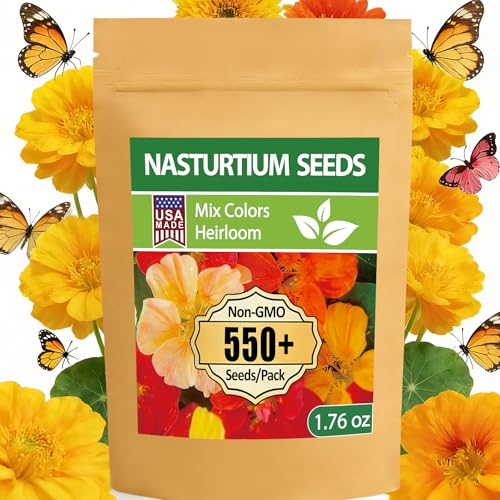
LUOJIBIE Nasturtium Seeds Mixed Colors 550+ Pack
The Strengths Of Each Pick
Forget-me-nots are the classic answer for a low-light bed that still needs soul, and Outsidepride’s Cynoglossum blend ships a generous pound for serious coverage. The seed produces indigo blooms centered with a hint of yellow, set against soft grey-green foliage that reads well even when plants are between flushes.
Garden beds and borders beneath deciduous trees suit this annual particularly well, since the canopy thins just as the flowers hit their stride. You may find the self-sowing habit a bonus in cottage layouts, though it can wander beyond its original footprint.
Noteworthy Benefits
- One pound covers meaningful ground, ideal for long border runs
- Indigo blooms with yellow centers add rare cool tones to shade palettes
- Self-sowing habit reduces replanting labor in following seasons
- Pollinator-friendly form invites bees into overlooked corners
Things To Consider
- Self-sowing can spread into adjacent beds without regular editing
- Cool blue tone reads distant in deep shade; pair with brighter neighbors
Who It Suits Best
Shaded cottage gardeners who want a low-effort blue drift and don’t mind letting the plants find their own footprint.
Where Another Pick Suits Better
For taller back-row drama in part shade, the Created By Nature Tall Blue Bachelor Button cornflower seed packet scales higher with the same color family.
Sweet Yards wraps about 3,000 seeds in a resealable packet with printed growing guidance, which lowers the bar for first-time growers. The California Giants mix pushes big, daisy-form blooms in a range of warm colors across plants that handle sun better than most, though they tolerate bright open shade as well.
Coverage lands around 75 square feet, which suits a starter bed or a children’s garden nicely. Depending on your microclimate, you may want to start indoors in cooler zones for an earlier flower show.
Points In Its Favor
- Resealable foil-style packet preserves viability between seasons
- Around 3,000 seeds covers roughly 75 square feet of bed
- Printed planting instructions support newcomers
- Big double blooms reward the patience of a first sowing
Worth Noting
- Heat-loving zinnias need the brightest patch of your shade garden
- Powdery mildew can show up in humid, still corners; thin seedlings for airflow
Right Fit For
New gardeners who want a forgiving packet with guidance baked in, planted where morning sun reaches the bed.
Skip It When
The Fruivity Zinnia Seeds 7 Colors Mix delivers a wider color range and higher seed count when you want more sowing flexibility.
When one ounce won’t cut it, this 8-ounce bulk pack from Seeds2Go steps in with more than 22,000 seeds and the same California Giants genetics. The mix leans into 5- to 6-inch double flowers in saturated shades of red, pink, orange, yellow, and white, the kind of range that fills a cutting garden.
Plants reach roughly three feet, giving a real back-of-the-border presence even in part-shade plots. For most home gardeners, a packet this size covers multiple seasons or a community garden plot.
Reasons It Performs
- 22,000+ seeds absorb into multi-season and shared-bed use cases
- Tall 3-foot plants anchor the back row of any part-shade border
- Big double blooms work beautifully for fresh-cut bouquets
- Non-GMO open-pollinated stock supports seed-saving gardeners
Trade Offs
- Bulk volume can outpace small urban plots, leaving unused seed
- Stored seed needs a cool, dry spot to keep germination rates up across seasons
Key Specs
Whose Shelf It Belongs On
Garden managers and serious cutting-garden growers stocking up for several beds at once.
Reach For A Different Pick When
The Everwilde California Giants Zinnia Seed Mix serves smaller plots with a resealable Gold Vault storage format.
Everwilde packages its California Giants zinnia mix in the brand’s Gold Vault mylar-style packet, designed to keep seed dry and viable across multiple sowing seasons. The color lineup adds purple and rose tones to the standard zinnia palette, which gives borders a slightly softer wash than the bolder Seeds2Go mix.
Germination typically shows up within 7 to 10 days in warm spring soil, so even impatient growers see green fast. One thing worth considering: the 1-pound weight assumes you’ll spread seed over a generous patch rather than a small container.
Useful Touches
- Gold Vault packet reseals to protect leftover seed between seasons
- Multi-color blend spans pink, purple, red, orange, yellow, and white
- Fast germination keeps a short-season garden on schedule
- Versatile for beds, borders, and bouquet cutting
Minor Gripes
- One-pound volume is overkill for a small patio container
Best Suited To
Growers who sow in waves and want a resealable bulk option that stays viable season after season.
A Better Fit Elsewhere
Container gardeners get a more appropriate volume from the smaller LUOJIBIE Nasturtium Seeds packet.
Fruivity’s pack spans seven distinct colorways, including rose pink and a true purple that many zinnia blends leave out. Coverage lands around 400 square feet when you broadcast the seeds, which is meaningful reach for a home-scale bed.
The mix behaves like a beginner-friendly seed: sow after frost, water consistently, and the plants handle the rest. You may find the color balance skews warmer if purple seeds are slower to germinate in cool springs, a small thing worth planning around.
Practical Advantages
- Seven-color range includes rose pink and purple for visual variety
- Covers up to 400 square feet from a single pack
- Beginner-friendly sowing after the last frost
- USA-packed seed supports domestic supply
Room For Improvement
- Color distribution can vary by lot, so plan for the unexpected
- Zinnias need at least dappled sun to bloom reliably in shade
Made For
Part-shade gardeners who want the broadest possible zinnia palette without buying multiple packets.
Not Your Match When
The Sweet Yards California Giants Zinnia Seeds packet suits growers who prefer a smaller starter quantity with printed guidance included.
This kit centers on milkweed, the only host plant monarchs use for breeding, which gives the project real conservation weight rather than just pretty flowers. Camas Pollinator Supply rounds the pack out with a curated wildflower blend designed for bees, butterflies, and hummingbirds.
A quarter pound of seed handles a meaningful patch, and the species mix tolerates a range of light conditions. In our view, this is the pick for anyone planting with intent beyond aesthetics.
Bright Spots
- Includes milkweed, the essential monarch breeding host plant
- Curated wildflower mix supports bees and hummingbirds alongside butterflies
- Quarter-pound bulk size scales up easily for habitat projects
- Suitable for spring and fall sowing windows
Points To Keep In Mind
- Milkweed volunteers can pop up outside the intended bed without monitoring
- Species mix leans perennial, so first-year color may be modest
Quick Facts
Perfect Match For
Wildlife-focused gardeners planting a deliberate habitat corner with monarchs as the priority species.
Consider Something Else When
The GevaGrow Bird & Butterfly Wildflower Mix fits bigger open-ground projects where monarchs are a welcome bonus rather than the central goal.
Cornflowers earn their keep in part-shade borders because they push vertical lines without sprawling, and this Tall Blue blend hits roughly 3 feet at maturity. Created By Nature packs in more than 5,500 seeds covering about 325 square feet, which absorbs quickly into a meadow-style sowing.
Bloom season stretches from late spring through fall in mild climates, and the blue reads cleanly against grey-green foliage. One thing worth considering: bachelor’s buttons self-sow readily, so plan your edge control before the first flowers set seed.
What Pays Off
- Tall upright form adds vertical interest to back-of-border plantings
- 5,562 seeds cover roughly 325 square feet of bed or meadow
- Long bloom window from late spring into fall
- Thrives in full sun to partial shade conditions
Less Ideal Details
- Self-sowing habit requires edge management in formal beds
- Best color hits in cooler weather; heat can fade blooms quickly
Who Should Grab It
Cottage and meadow-style gardeners who want blue verticals without the floppy sprawl of taller annuals.
Swap It Out When
The Outsidepride Cynoglossum Blue Chinese Forget-Me-Not Seeds pack delivers similar blue tones at a shorter, ground-hugging scale.
GevaGrow ships more than 300,000 seeds in a one-pound shaker jar, which removes the fiddly step of separating tiny seeds from paper packets. The mix spans annuals and perennials, which keeps color rolling year over year once established.
Coverage scales to large lots and roadside strips rather than tight borders. Depending on your soil, you may need to rake the seedbed lightly to make good contact, especially on hard-packed ground.
Good Reasons To Consider
- Shaker jar format speeds broadcast sowing across large areas
- 300,000+ seeds absorb into multi-season coverage
- Mix of annuals and perennials extends color across years
- Designed specifically to attract hummingbirds and butterflies
Practical Considerations
- Bulk volume overwhelms small urban yards and tight courtyards
- Open-ground sowing exposes seed to birds and runoff before germination
Built With In Mind
Large-lot sowers and roadside meadow projects where speed of broadcasting matters more than per-square-foot precision.
Where A Sibling Pick Shines
For tighter, more curated beds, the Created By Nature Tall Blue Bachelor Button packet gives you more control over plant placement.
This packet narrows the focus to a dahlia-form zinnia, the kind with tight, layered petals that read almost geometric. At 2,100 seeds covering about 72 square feet, the scale suits a small bed or a row of containers rather than a meadow project.
The sowing rhythm stays simple: plant after frost in a sunny, well-drained spot, keep soil lightly moist, and stand back. You may find the dahlia-style form looks fuller in late summer when plants hit their stride.
Where It Delivers
- Dense, dahlia-like form adds textural variety beyond standard zinnias
- 2,100 seeds cover about 72 square feet for tight borders
- Suitable for beds, borders, and cut flower use
- Beginner-friendly sowing rhythm after last frost
Where It Is Less Suited
- Smaller seed count means quick exhaustion for large beds
- Dahlia-form petals hold rain, which can weigh down stems in storms
Who Will Love This
Small-space and container gardeners who want a sculptural zinnia without committing to a multi-ounce bulk pack.
Another Choice May Suit
The Sweet Yards California Giants Zinnia Seeds offer a similar beginner-friendly packet with broader color reach.
Nasturtiums round out the list with a trait the others skip: edible blooms and leaves. LUOJIBIE’s mix produces big, open-faced flowers in saturated hues, all open-pollinated and non-GMO, with a seed count over 550 that fits a kitchen-garden patch without overkill.
The plants sprawl more than they climb in most home setups, which suits hanging baskets and raised bed edges. Depending on your soil, lean ground actually drives more flowers, while rich soil pushes leafy growth instead.
Standout Benefits
- Both blooms and leaves are edible for kitchen-garden use
- Mixed colors add warm tones to part-shade corners
- Open-pollinated non-GMO stock supports seed saving
- Performs well in containers and hanging baskets
Soft Spots
- Smaller seed count means limited coverage for big borders
- Aphids find nasturtiums attractive, so monitor foliage through midsummer
The Right Fit
Kitchen gardeners and edible-flower enthusiasts who want a multipurpose annual that pulls double duty on the plate and in the border.
Where Another Pick Suits Better
For pure pollinator impact at scale, the Camas Pollinator Supply Monarch Butterfly Garden Kit with Milkweed serves a dedicated habitat project more directly.
What To Weigh Before You Sow
Match The Annual To Your Actual Light
Shade is not a single condition. A north-facing wall under an oak canopy delivers deep, steady shade that favors foliage plants, while a partially shaded bed with two hours of morning sun supports bloom-heavy annuals like zinnias and nasturtiums. Read the seed packet’s light guidance before falling in love with a color, because a sun-loving zinnia in deep shade produces leggy stems and few flowers.
For most home gardeners, the working definition of “shade annual” leans toward dappled or part-shade conditions with at least some direct light each day. Pure dense shade under evergreens is a different planting problem altogether.
Think About Coverage Before You Buy
Seed counts vary wildly across these packets, from roughly 550 nasturtium seeds up to more than 300,000 in a bulk wildflower shaker. Coverage claims on packaging assume ideal sowing density, so a 75-square-foot figure usually means a well-tended broadcast rather than a precision row planting.
Measure your bed roughly before ordering, then add 15 to 20 percent to the seed estimate to cover thinning losses and gaps. Overbuying beats underbuying, because a second sowing pass rarely catches up to the first.
Plan Bloom Timing Around Your Last Frost
Annuals run on heat units, and sowing too early wastes seed. Most of these picks want soil temperatures above 60°F before they germinate reliably, which usually lines up with two weeks past your last frost date. Starting indoors in trays shortens the wait, but direct sowing works for nearly every packet on this list.
If your growing season is short, prioritize fast-germinating picks like the Everwilde zinnia or the Fruivity mix, which both push green within a week of warm soil.
Weigh Storage Life And Resealable Packaging
Seed viability drops year over year, so a resealable foil-style packet like Everwilde’s Gold Vault format stretches value across seasons. Open paper packets lose germination faster, especially in humid climates, so plan to use them within a year of purchase.
Stored in a cool, dry closet, most of these seeds hold viability for two to three seasons. A small airtight jar in the back of a refrigerator works for longer holds, just keep the seed dry before chilling.
Key Considerations Across These Picks
Pitfalls Shoppers Hit
Buying shade annuals by color alone is the most common misstep. A packet labeled “mixed shades” can still need four hours of sun to perform, so light compatibility matters more than palette. Match the seed’s light range to your actual bed conditions before sorting by hue.
Another trap is underestimating seed count. A small packet sounds economical until you broadcast across a 100-square-foot bed and watch coverage come up thin. Use the square-foot figures on each pack as a starting estimate, then pad for thinning losses.
Where The Extra Money Goes
Higher-tier seed packs earn their cost through packaging, purity, and storage life. Everwilde’s Gold Vault packet, for example, costs more upfront but holds germination rates across multiple seasons, which spreads the cost over years rather than months.
Specialty mixes like the Camas Pollinator Supply monarch kit also justify a premium through curation. You’re paying for species selection rather than random bulk, which matters when the goal is habitat support instead of generic color.
Frequently Asked Questions
Can shade annuals grow with no direct sun at all?
Most annuals on this list need at least dappled or filtered light to bloom well, though foliage plants tolerate deeper shade. Pure deep shade under evergreens favors ferns and hostas rather than flowering annuals.
When is the best time to sow shade annual seeds?
Direct sowing after your last frost date, when soil temperatures reach roughly 60°F, gives the most reliable germination. Indoor starts in trays can begin four to six weeks earlier for a head start on the season.
Do shade annuals need more or less water than sun-grown ones?
Shaded beds lose moisture more slowly than sunny plots, so watering frequency usually drops once plants establish. Overwatering remains a real risk in heavy shade, especially for zinnias and bachelor buttons.
Will these reseed themselves for next year?
Several picks on this list self-sow readily, including Outsidepride’s forget-me-nots and Created By Nature’s bachelor buttons. Zinnias cross-pollinate freely, so volunteers rarely match the parent color exactly.
Are the seeds safe for pets and children?
Most of these ornamental seeds are not intended for consumption, with the exception of nasturtium blooms and leaves. Keep seed packets stored away from curious hands and mouths, and check each species individually before assuming edibility.
Bottom Line
Shade annuals reward gardeners who match seed to light rather than chasing color alone. The picks above span pollinator projects, kitchen borders, and big meadow sowings, so the right match depends less on the packet and more on the corner you’re filling. Start with your actual light conditions, pick a coverage scale that fits your bed, and let the season do the rest.
