

Ohio yards ask a lot of their shade trees: hot, humid summers, clay-heavy soils in spots, lake-effect wind along the north shore, and winters that swing well below freezing. You want a canopy that throws real shade by July, roots that handle compacted ground, and branches that hold up under wet snow without shedding onto the driveway. The picks below cover everything from small starter kits for curious beginners to larger potted saplings ready for transplanting.
The Choices Worth Comparing
Seeds In A Cup Tree Growing Kit (Elm)
Seeds In A Cup Tree Growing Kit (Pecan)

Set of 2 Mediterranean Sweet Bay Laurel 4-8 Inches

DMOH Red Oak Live Plant 6-12 Inch in 4-Inch Pot

DMOH Red Oak Hardy Landscape Tree 6-12 Inches Quart Pot

DAS Farms Two Pack American Red Maple 4-5 Feet
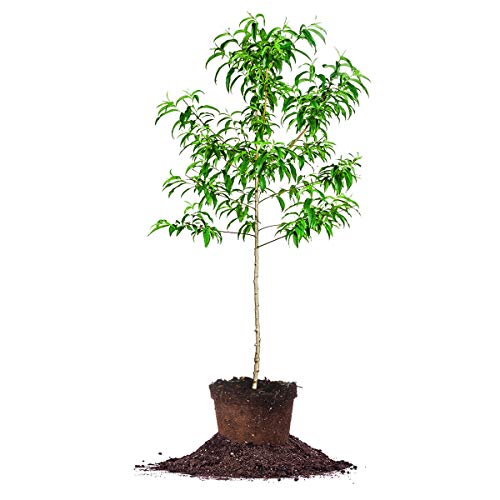
Perfect Plants Santa Rosa Plum Tree 4-5 Feet

Seeds In A Cup Black Locust Tree Starter Kit
The Details Behind The Selections
Elm is a classic American shade tree, and this kit hands you the starting point without forcing you to source seeds from a specialty catalog. The cup-style format keeps the early stages compact, which matters when you only have a kitchen window or a small patio to work with. For Ohio homes that want to grow a canopy from scratch, the slow-but-steady pace suits patient gardeners just fine.
Compared to the broader multi-species kit coming next, this single-variety option removes guesswork for anyone who wants one tree, done well. The materials lean user-friendly enough that even kids can join in, and that teaching moment has real long-term value. Think of it less as instant shade and more as a decade-long project you can watch grow.
The Practical Payoff
- Single-species focus cuts the overwhelm for first-time tree growers.
- Compact cup design works on windowsills, balconies, and small patios.
- Built-in lesson in germination, transplanting, and seasonal care.
- American elm heritage handles a wide range of Midwest soil types.
Things To Consider
- Shade is years away, so this is a long game rather than a quick fix.
- Young elms need consistent watering through Ohio summer dry spells.
Who It Suits Best
Curious beginners, families with kids, and anyone in zone 5 or 6 who wants an inexpensive entry into raising a shade tree from seed.
Where Another Pick Suits Better
Homeowners who want a meaningful head start should reach for the DAS Farms Two Pack American Red Maple 4-5 Feet instead, since that tree arrives closer to canopy-producing size.
Pecan brings something different to a Midwest shade list: dense summer canopy, golden fall color, and the promise of nuts if you stick with it for years. This Seeds In A Cup version wraps the seed-starting basics into a kit that travels well to classrooms or scout meetings. Ohio gardeners in warmer pockets of zone 6 may find pecan surprisingly happy in loamy soil, while northern yards should plan for slower growth.
Unlike the elm kit above, this one stretches across multiple species in some listings, which adds variety but also adds a layer of patience. You may find germination rates vary seed to seed, and that is normal for nut trees. The honest read is that this is a teaching tool first and a shade tree second, so calibrate expectations accordingly.
The Value In It
- Multi-species format lets you try several trees from one kit.
- Compact cup keeps early growth contained for indoor starting.
- Strong classroom or gift appeal for nature-focused projects.
Worth Noting
- Nut trees typically need a decade-plus before meaningful canopy develops.
- Germination can be uneven across the included seed types.
- Northern Ohio growers should confirm zone fit before committing.
Key Specs
Made For
Teachers, parents, and hobby gardeners who want a hands-on growing project more than quick shade.
Consider Something Else When
Anyone who wants a real canopy in five years should look at the DMOH Red Oak Live Plant 6-12 Inches Quart Pot instead, which arrives as a rooted sapling ready to grow.
Bay laurel, also sold as Laurus nobilis, is a slow-growing evergreen that doubles as a kitchen herb source, and this set of two gives you one for the porch and one for the windowsill. The leaves are the same bay leaf you pull from a jar for soups and stews, which adds a tactile reward that purely ornamental shade trees cannot match. Partial sun and well-drained loam is the recipe here, with container culture as a fallback when winters bite hard.
USDA hardiness zones 8 to 11 are the comfortable range, so most of Ohio sits outside that comfort zone. That is why container planting and overwintering indoors becomes the realistic play. The set ships without pots, and a few wilted leaves after transit are widely reported to bounce back fast once potted and watered.
Well-Handled Touches
- Two-plant set lets you split between indoor and patio placement.
- Edible leaves reward gardeners who cook with fresh herbs.
- Evergreen habit means year-round foliage in mild settings.
- Container-friendly size keeps small-space gardeners happy.
Points To Note
- Not a traditional shade tree, so canopy is limited and slow.
- Cold-hardy only in zones 8 to 11, so most of Ohio needs winter indoor storage.
- Ships to most states but cannot be shipped to CA, HI, PR, GU, or AK.
Best Suited To
Cooks, herb gardeners, and small-space Ohio residents who want ornamental greenery with a kitchen payoff rather than full yard shade.
Skip It When
You want a true yard canopy; the DMOH Red Oak Live Plant 6-12 Inches Quart Pot is built for that job and tolerates Ohio winters much better.
Red oak is a native heavyweight across the Midwest, so it is no surprise to see it recommended for Ohio yards. This DMOH listing ships a roughly one-year-old seedling at 6 to 12 inches tall in a 4-inch pot, ready to transplant once your soil is workable. Dormancy in winter means you may receive a leafless stick, and that is the normal rhythm, not a sign of trouble.
Low maintenance and soil adaptability make this a comfortable choice for new gardeners who do not want to fuss. Compared to the larger DAS Farms red maple coming later, this one trades instant impact for a cheaper entry point. You may find the small size asks for two to three seasons of attentive watering before it really takes off.
Practical Pluses
- Native species handles Ohio winters and clay-heavy soils with ease.
- Affordable entry into long-lived shade tree planting.
- Adaptable to a range of soil types and sun exposures.
- Low maintenance once established in the landscape.
Trade Offs
- Tiny starter size means meaningful shade is several years out.
- Shipped dormant in winter, which can confuse first-time growers.
Feature Snapshot
Right Fit For
Patient homeowners in Ohio zones 5 to 7 who want a native oak at a starting-tree price and do not mind waiting a few seasons for canopy.
Not Your Match When
You want immediate visual impact; the DAS Farms Two Pack American Red Maple 4-5 Feet arrives tall enough to anchor a yard right away.
This second DMOH red oak shifts the container up a notch to a quart pot, which generally means a more developed root ball than the 4-inch version above. Green summer foliage that transitions to a deep red or burgundy in fall is the headline feature, and it lands hard in a Midwestern yard where autumn color matters. Full sun and well-drained soil is the basic recipe, and the species is famously adaptable beyond that.
Ideal for USDA zones 3 through 9, which covers essentially all of Ohio with comfortable margin. The honest read is that the quart-pot jump is incremental rather than transformative, so the choice between this and the 4-inch pot comes down to how much root development you want at transplant. For most backyards, the extra root mass is worth the small price step.
Notable Upsides
- Quart-pot root mass transplants with less shock than smaller pots.
- Strong fall color payoff adds seasonal curb appeal.
- Hardy across zones 3 to 9, well beyond Ohio’s range.
- Native species fits cleanly into Ohio ecosystem plantings.
Minor Gripes
- Still a starter sapling, so shade arrives over multiple seasons.
- Winter shipping arrives dormant, which can look alarming to newcomers.
Who Should Grab It
Ohio homeowners in zones 5 and 6 who want a low-fuss native oak with stronger roots at planting and a reliable fall color show.
Reach For A Different Pick When
You want fruit alongside shade; the Perfect Plants Santa Rosa Plum Tree 4-5 Feet produces plums while still throwing seasonal shade.
American red maple is the headline shade tree across Ohio neighborhoods, and this DAS Farms listing ships two trees already at 4 to 5 feet tall. That head-start height is the real story: you skip the awkward 1-foot sapling stage entirely. Red flowers in early spring, brilliant red fall foliage, and a dense oval canopy make this a foundational yard tree for anyone planning a landscape around shade.
The pair format lets you flank a driveway, frame a patio, or replace a lost tree with a matching companion. Compared to the seedling-scale red oaks above, you trade patience for presence right away. Deciduous means no leaves in winter, so shipping and transplanting should happen while the tree is still dormant for the smoothest transition.
The Helpful Details
- Shipped at 4 to 5 feet, so impact arrives the first season after planting.
- Two-tree pack lets you plan a matched landscape layout.
- Native red maple brings classic Ohio-friendly fall color.
- Deciduous habit suits seasonal shade needs and winter sun.
Practical Considerations
- Larger size means a heavier shipment and a more careful planting hole.
- Deciduous, so expect bare branches from late fall through early spring.
- California-bound orders face special state-level packaging requirements.
Quick Facts
Built With In Mind
Homeowners who want real canopy within a couple of seasons rather than a decade of small-sapling patience.
A Better Fit Elsewhere
Anyone on a tighter budget or with limited planting help should consider the DMOH Red Oak Live Plant 6-12 Inches Quart Pot, which is far easier to handle on planting day.
The Santa Rosa plum dates back to 1885 and earns its spot on a shade list by pulling double duty: spring flowers, summer fruit, and a usable canopy in between. Purple-skinned plums with a juicy sweet flavor ripen in mid-summer, and the white spring blooms add ornamental value before the fruit even sets. Self-fertile means a single tree produces a full crop without a pollinator partner.
Hardiness zones 6 through 10 fit most of Ohio, with cold tolerance better than many other plum varieties. Heat tolerance is also notable for southern Ohio summers. Compared to the larger red maple above, this is a smaller shade producer, so think patio-side or lawn-corner planting rather than full-property canopy.
What Makes Sense
- Edible harvest alongside ornamental shade value.
- Self-fertile, so no second tree required for pollination.
- Hardy across zones 6 to 10, covering most of Ohio.
- Spring flowers extend the seasonal interest beyond fruit alone.
A Few Limitations
- Smaller mature size means less canopy than a maple or oak.
- Cold-sensitive in far northern Ohio below zone 6.
- Cannot ship to CA, AZ, or HI due to state agricultural rules.
Spec Overview
Perfect Match For
Food-scaping homeowners and edible-landscape gardeners in zone 6 or warmer who want flowers, fruit, and shade from the same tree.
Look Elsewhere When
You live in northern Ohio at the zone 5 edge; the DMOH Red Oak Hardy Landscape Tree 6-12 Inches Quart Pot handles that climate with less risk.
Black locust is a tough native that handles poor soils and urban air better than most shade trees, and it grows fast once it gets going. This Seeds In A Cup kit wraps the seed-starting process into an easy-to-use, educational package that doubles as a gift. The cup format keeps the early stages tidy enough for a classroom shelf or a kitchen counter.
Made in the USA, which matters to some shoppers looking for domestically assembled kits. Compared to the elm and pecan kits earlier, this leans ornamental-and-fast-growing rather than slow-and-stately. The honest read is that black locust spreads readily in some settings, so plan placement thoughtfully if you want it contained.
Notable Gains
- Fast-growing native species rewards patience more quickly than oaks.
- Compact kit format works for gifts, classrooms, and countertop starts.
- Tolerates urban pollution and less-than-ideal soil conditions.
Where It May Fall Short
- Suckering habit can spread beyond the original planting spot.
- Seed-starting timeline still means years before meaningful canopy.
- Wood is brittle, so mature branches can split under heavy ice.
Feature Rundown
Whose Shelf It Belongs On
Parents, teachers, and gift-givers who want a hands-on nature project that can later transplant into a real Ohio yard.
Swap It Out When
You want a canopy sooner than a seed-start timeline allows; the DAS Farms Two Pack American Red Maple 4-5 Feet brings real height the season you plant.
Matching Shade Trees To Ohio Growing Realities
Zone And Climate Fit
Ohio stretches across USDA hardiness zones 5b through 6b, with lake-effect shifts near Erie and warmer pockets down by the Ohio River. Match the tree’s cold tolerance to your specific zone, and err one zone colder when in doubt. A red maple handles statewide conditions comfortably, while bay laurel needs container culture and indoor winter storage across nearly all of Ohio. Reading the zone label on the listing page before you order saves the heartache of a winter-killed transplant.
Mature Size And Space Planning
Yard space drives the right pick more than aesthetics do. A 4 to 5-foot red maple will reach 40 to 60 feet across at maturity, so planting too close to a foundation or a utility line is a future headache. Smaller starter saplings in the 6 to 12-inch range still need that same mature spacing, even if they look tiny on day one. Pull up overhead and underground utility lines before you dig, and confirm the planting site gets full sun or the sun exposure your chosen tree actually prefers.
Soil And Water Realities
Clay-heavy patches dominate much of central and western Ohio, and that affects drainage more than fertility. Oaks and maples handle clay well, while bay laurel wants genuinely well-drained loam and a container fallback. Most young shade trees need consistent watering through the first two summers, especially during the dry spells that hit Ohio in July and August. Mulching out to the dripline keeps roots cool and moisture steady without smothering the trunk flare.
Patience Versus Instant Canopy
Seed kits reward long-term commitment but offer zero shade for years. Quart-pot saplings land somewhere in the middle, giving you real growth within two or three seasons. The 4 to 5-foot DAS Farms red maple lands closest to instant impact, which costs more but skips the awkward starter stage. Match the format to how soon you actually want relief from the afternoon sun, because nothing is more frustrating than a struggling seedling through three more Ohio summers.
Things Worth Weighing Before You Order
Pitfalls Shoppers Hit
The most common slip-up is buying a tree that cannot handle your zone, then transplanting it into Ohio clay with no amendment. Another trap is underestimating mature spread and planting too close to a house, sidewalk, or overhead lines. Skip the urge to fertilize heavily in year one; young roots actually do better with steady water and patience.
When Paying More Pays Off
Bigger saplings at the 4 to 5-foot range cost more, but they save several seasons of staking, watering, and loss risk. Premium picks also tend to ship with better root mass, which translates to higher survival rates after transplant. The upgrade is worth it for anyone planting a single statement tree or replacing a lost canopy in a visible spot.
