

A stubborn shrub sending shoots through the fence line, a hedge that won’t stop crowding the walkway, or a root system that keeps producing volunteers long after the original plant came out. Anyone dealing with woody growth eventually wants a smarter way to take back a bed or a border without endless digging. This roundup pulls together ten products that handle everything from brushy infestations to insect-threatened ornamentals, so you can match the right chemistry and format to the job at hand.
A Snapshot Of The Selections

Roundup QuikPro, 6.8 lb. Jug

Ortho Orthene Fire Ant Killer1, 12 oz., Pack of 6

BioAdvanced All-In-One Rose and Flower Care Granules, 4 lb
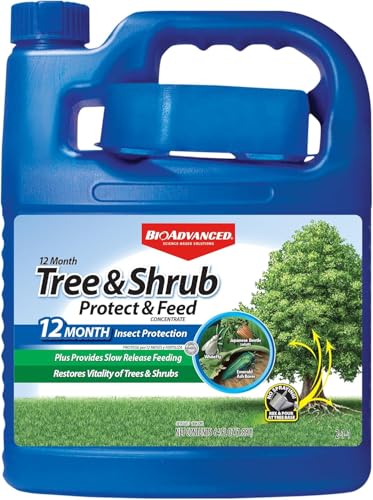
BioAdvanced 12 Month Tree and Shrub Protect and Feed Concentrate, 64 oz

BioAdvanced All-In-One Rose and Flower Care Concentrate, 64 oz

Ortho Orthene Fire Ant Killer1, 14 oz

BioAdvanced 12 Month Tree and Shrub Protect and Feed, Granules, 10 lb

Roundup Concentrate Plus Weed and Grass Killer, 64 oz

Sevin Insect Killer Concentrate II, 32 oz

Honcho K6 Glyphosate Herbicide 48.7%
A Closer Look At Each Pick
The QuikPro jug is built for the kind of work where you want total vegetation control and a quick visual payoff. Its water-soluble granules (small dry particles that dissolve in a sprayer) mix into a clean solution, which makes measuring for larger tank loads less of a guessing game.
For property owners reclaiming an overgrown fence line or prepping a garden bed for replanting, the formula targets broadleaf weeds, grassy weeds, brush, and woody plants down to the roots. Expect yellowing and dieback to start showing within a day, with full kill taking a bit longer depending on species and weather.
What Works In Its Favor
- Water-soluble granules mix clearly with no constant agitation
- Rapid visible response helps you confirm coverage worked
- Penetrates roots, reducing regrowth from stubborn brush
- The 6.8 lb jug handles multiple mid-size jobs without repurchase pressure
Points To Keep In Mind
- Non-selective behavior means drift onto desirable plants causes damage, so spraying on calm days matters
- Dry granules need a clean, dry sprayer tank to dissolve fully
Quick Facts
Whose Yard It Belongs On
Owners clearing vacant lots, fence rows, or overgrown beds where total vegetation removal is the goal.
Consider Something Else When
The BioAdvanced 12 Month Tree and Shrub Protect and Feed Concentrate suits anyone who wants to keep ornamentals healthy rather than eliminate them.
Fire ant mounds have a way of multiplying the season you forget to treat them, which is exactly the situation this six-pack is sized for. Each 12 oz bottle handles up to 162 mounds, so the case covers a sizable yard or multiple properties without leaving you short.
The dry granules work fast, with activity starting within an hour, and reach the queen underground rather than scattering the colony across the lawn. Application is straightforward: sprinkle over the mound following the label rate, no watering-in required.
Strong Points
- Bulk packaging suits recurring seasonal pressure across large yards
- Targets the queen, limiting colony migration after treatment
- Fast visible activity reduces guesswork about whether the dose took
- Suitable around ornamental trees, flowers, and shrubs per label directions
Small Caveats
- Works best as part of the two-step system paired with Ortho broadcast granules, sold separately
- Dry powder wants calm conditions so granules stay on the mound
Built With In Mind
Property managers in fire ant territory who want shelf-stable supply ready before peak activity each year.
Skip It When
A smaller yard with just a couple of seasonal mounds is better served by the single 14 oz Ortho Orthene bottle covered later in this list.
For rose beds and flowering borders, the appeal of a single granular product that feeds the plant while handling insects and disease is hard to overstate. This BioAdvanced formula combines fertilizer and systemic (absorbed into plant tissue so rain cannot wash it off) protection in one dry application.
The four-pound bottle suits small to mid-size garden clusters, and the spreader-friendly format means no sprayer cleanup between treatments. Coverage lasts roughly six weeks per application depending on rainfall and growth rate.
Noteworthy Benefits
- Three gardening tasks handled in a single product
- Granular format avoids the smell and drift of foliar sprays
- Rain won’t wash the systemic protection off after it absorbs
Where It Is Less Suited
- Treats listed pests only, so unique local insect pressure may need a targeted add-on
- Smaller 4 lb bottle means larger landscapes need multiple refills
Best Suited To
Roses and flower beds where one application should feed and protect through a moderate pest cycle.
Look Elsewhere When
Sprayer-based convenience across a much larger garden points toward the BioAdvanced All-In-One concentrate reviewed below.
High-value trees and foundation shrubs get hammered by the same pests year after year, and a season-long systemic treatment is the kind of set-and-forget approach busy homeowners actually use. This concentrate mixes into a soil drench that the roots absorb and distribute throughout the plant.
Once it moves through the vascular system, the formula targets listed insects including aphids, Japanese beetles, scale, and emerald ash borer, while feeding the plant through the same root uptake. Depending on the timing, a single application can carry protection through an entire growing season.
A Few Highlights
- One application can protect for up to twelve months
- Concentrate format stretches further than ready-to-spray bottles
- Targets insects listed on the label while feeding roots
- Soil drench application avoids foliar spray contact with people and pets
Worth Bearing In Mind
- Soil-drench timing is more specific than spray-on products, so label guidance matters
- Doesn’t replace targeted foliar treatments for sudden pest flares mid-season
Feature Card
Who It Suits Best
Owners of ornamental trees and foundation shrubs who want a single spring treatment that handles feeding and insect defense together.
Not Your Match When
Gardeners who prefer spreader-bucket convenience should look at the granular BioAdvanced 12 Month Protect and Feed reviewed later.
Larger flower gardens run through granular bottles quickly, which is why the concentrate version of this same BioAdvanced system exists. Mix it into a pump sprayer or hose-end applicator and the same three-in-one benefits (fertilizer, insect control, and disease defense) cover significantly more ground.
The systemic uptake means the protection moves into plant tissue, so an unexpected shower after application does not undo the work. That rainfast behavior matters for spring gardens that catch frequent storms.
Practical Pluses
- One bottle handles multiple tank loads across a sizable garden
- Sprayer format covers dense foliage more evenly than granules
- Same systemic protection logic as the granular sibling product
Trade-Offs To Consider
- Requires a clean pump or hose-end sprayer, plus label-rate mixing
- Concentrate measuring adds a small step compared to ready-to-sprays
Who Should Grab It
Garden owners with multiple rose and flower beds who already own a sprayer and want efficient coverage per dollar.
Reach For A Different Pick When
Small flower borders or first-time gardeners may find the BioAdvanced granular formula easier without sprayer setup.
For most homeowners, fire ant outbreaks are seasonal and limited to a handful of mounds, so buying a six-pack ahead of time feels like overcommitting. The single 14 oz bottle treats up to 189 mounds, which covers a typical suburban yard and then some.
The active ingredient works through contact and ingestion, reaching the queen deep in the colony within roughly an hour. Dry granule application means no mixing, no sprayer to drag out, and no watering-in step before the dog can go back outside.
The Value In It
- Single bottle handles large yard coverage without surplus
Small Caveats
- For severe multi-yard infestations, the larger 12 oz six-pack offers better value per mound
The Right Fit
Homeowners who want one dependable bottle on the shelf for the occasional mound rather than bulk inventory.
Where Another Pick Suits Better
Larger properties or property managers dealing with widespread pressure should choose the Ortho 12 oz six-pack covered earlier in this list.
Foundation shrub borders and long hedges are awkward to spray, which is the case for this granular format. The 10 lb bag spreads around the base of multiple shrubs at once, and the slow-release fertilizer component feeds roots while the systemic protection moves into the plant.
Label-listed insects run the usual landscape lineup: aphids, Japanese beetles, scale, leafminers, and others that recur on the same shrubs every summer. One application sets up protection that, timing permitting, can carry through a full year.
Key Advantages
- Granular format simplifies treatment for long shrub borders
- 10 lb bag covers a significant landscape without splitting bottles
- Slow-release feeding supports healthy regrowth alongside pest defense
- Targets multiple listed landscape insects in a single pass
- Suitable for outdoor trees, shrubs, and container plants per the label
Things To Weigh
- Granules need watering-in or rainfall to move active ingredient into the root zone
- Large bag means a dry storage bin in the garage is helpful
Made For
Homeowners with substantial shrub plantings who want low-labor annual treatment without dragging out a sprayer.
A Better Fit Elsewhere
Smaller gardens with just a few specimen shrubs may prefer the BioAdvanced 64 oz concentrate reviewed earlier.
The 64 oz Roundup concentrate with the built-in measuring cap is the kind of workhorse bottle that handles patio edges, walkway cracks, gravel strips, and lawn-replacement prep without constant refills. Mixing ratios get printed right on the cap, so measuring mistakes drop noticeably.
The systemic formula moves into the roots, which matters for perennial weeds that bounce back from foliar burn alone. The product is rainfast within half an hour, so an unexpected sprinkle does not undo the application.
Reasons It Performs
- Built-in measure cap removes one of the most common mixing errors
- Targets tough weeds and grasses down to the root system
- Rainfast within about thirty minutes of application
- Suitable for patios, walkways, driveways, gravel, and lawn replacement prep
Practical Considerations
- Tank sprayer not included, so you need a separate applicator
- Not labeled for use around existing edible gardens
Feature Snapshot
Perfect Match For
Homeowners preparing lawn replacements or maintaining hardscape areas who already own a tank sprayer and want consistent dosing.
Swap It Out When
Farm-scale brush or large acreage projects call for the higher-load Honcho K6 concentrate covered at the end of this list.
New sprayer owners tend to worry about getting the mix wrong, and Sevin’s label lays out a clean four-fluid-ounces-per-gallon starting ratio that makes first applications feel less intimidating. The 32 oz bottle mixes multiple tank loads for a typical backyard.
The formula targets a broad insect list across vegetables, ornamentals, and lawns, so a single product handles multiple problem areas during peak summer pressure.
Practical Advantages
- Label-clear mixing ratio lowers the learning curve for first-time sprayer users
- Broad-spectrum insect control across vegetables, flowers, and lawns
- Compact bottle stores easily on a standard garage shelf
Room For Improvement
- Smaller bottle means frequent refills for very large properties
- Foliar spray contact requires a reapplication after heavy rain
Who Will Love This
First-time gardeners and homeowners who want a versatile insect control with a friendly starting mix ratio.
Another Choice May Suit
Those who prefer soil-applied, season-long insect defense should look at the BioAdvanced 12 Month Protect and Feed options reviewed above.
Brush, vines, and woody regrowth along a long fence line or pasture edge is the kind of work consumer-grade jugs struggle to finish. Honcho K6 is a concentrated potassium glyphosate formulation (a salt-based form of glyphosate, the active ingredient in many systemic herbicides) at 48.7%, designed for larger sprayer setups and consistent coverage across big jobs.
The post-emergent, systemic action moves from foliage into roots, and the built-in surfactant technology (a wetting agent that helps the spray spread and stick to leaves) helps the active ingredient absorb more evenly across waxy or hairy leaf surfaces. Because it leaves no soil residual, replanting in treated areas is straightforward once the target growth is fully controlled.
What Helps Most
- High-load concentration mixes further per jug than consumer-grade concentrates
- Systemic movement reaches roots of brush and vines, not just top growth
- Built-in surfactant improves coverage on hard-to-wet foliage
- No soil residual allows timely replanting after control
Things That May Matter
- Industrial-style application expects an appropriate sprayer and PPE (personal protective equipment such as gloves and eye protection)
- Overkill for small suburban beds where lighter concentrates do the job
Right Fit For
Rural property owners, farmstead keepers, and serious land managers handling multi-acre brush and vine control projects.
Where A Sibling Pick Shines
Suburban hardscape and small-lot jobs are more economical with the Roundup Concentrate Plus reviewed earlier in this list.
What To Weigh Before Picking A Shrub And Brush Treatment
Match The Chemistry To The Goal
The first decision is whether the goal is total vegetation removal or pest and disease defense on plants you want to keep. Non-selective herbicides like the Roundup options and Honcho K6 kill whatever they contact, while systemic protect-and-feed products like the BioAdvanced 12 Month line defend ornamentals from listed insects while feeding them. Picking the wrong category is the fastest way to either damage a prized shrub or waste a jug on weeds you could have spot-treated.
Pick The Format Your Routine Supports
Granular products feel easier to casual gardeners because there is no mixing or sprayer cleanup, but they need watering-in and work slowly into the root zone. Concentrate formats stretch further per dollar and cover dense foliage more evenly, but they require a clean sprayer and label-rate mixing. Honest format fit matters more than chasing a stronger formula.
Read The Target Pest And Plant Lists
Systemic insect and disease products only treat what the label lists. Before choosing, cross-check the active pest or disease against the product’s label and make sure the desired plant species is approved for application. Skipping that step is how ornamentals get burned or how a treatment quietly fails to address the real problem.
Plan Around Timing And Weather
Soil-drench systemic products have narrower timing windows than foliar sprays, and post-emergent herbicides work best on actively growing, unstressed vegetation. Wind, rain forecast, and seasonal growth stage all change how a product performs, so aligning application with the right day matters as much as the bottle you choose.
Mistakes Worth Dodging And Where Premium Pays Off
Pitfalls Shoppers Hit
The most common error is reaching for a non-selective herbicide near desirable shrubs and ornamentals, where even light drift causes damage that takes seasons to grow out. Another is treating fire ants with a broadcast lawn product and expecting mound kill, since the colony source sits deeper than surface granules reach. Reading the full label and matching the formulation to the actual scenario avoids both.
Where The Extra Money Goes
Higher-tier shrub products buy a longer protection window, more reliable surfactant packages, and concentration levels that stretch across more square footage per jug. The upgrade is worth it when the plants at stake are expensive replacements or when the job covers multiple acres, but for a couple of flower beds or a single fire ant mound, mid-tier options deliver nearly all the practical benefit at lower cost.
Frequently Asked Questions
How long does a systemic shrub treatment typically last?
Most soil-applied systemic products are labeled for several months of protection per application, with some extending up to a full year depending on the formulation and application timing. Foliar sprays usually last closer to a few weeks before reapplication is needed.
Can shrub killers and brush herbicides be used near flower beds?
Non-selective herbicides kill any green growth they contact, so they should not be sprayed near flower beds without a shield or careful spot treatment. Selective protect-and-feed products are designed for use on listed ornamentals and are the safer category for mixed plantings.
Are concentrates harder to use than ready-to-spray bottles?
They require measuring and a clean sprayer, which adds a small step before each application. The trade-off is significantly more coverage per bottle and lower cost per treated area, which pays off for larger properties.
Do granular treatments need watering-in?
Most granular systemic products need moisture to move the active ingredient into the root zone where uptake happens. Plan to apply before a moderate rain or water the area lightly according to label directions.
How soon after treatment can new plants go in the area?
Once a non-selective herbicide has fully killed the target growth and the foliage is brown and dry, replanting is generally safe. With soil-residual products, check the label for replant intervals since persistence in the soil varies by formulation.
Closing Remarks
The right shrub or brush product depends less on a single standout bottle and more on matching the formulation and format to your specific scenario: total vegetation clearing, ornamental defense, or pest control on flowers and shrubs. Start with the goal, then pick the format that fits the routine you will actually keep. The ten options above cover the spread from small urban beds to multi-acre brush, so any one of them should put you on the right side of the problem.
