

Healthy shrubs don’t happen by accident. They need a steady stream of nutrients matched to their growth stage, their soil, and the climate you live in, and that’s where the right fertilizer saves you from a season of yellowing leaves, leggy growth, and disappointing blooms. This roundup cuts through the noise to ten options that cover everything from quick-release liquid feeds to slow-release organic amendments, plus a couple of formulas that handle insect pressure at the same time. Whether you’re tending foundation plantings, flowering hedges, or a few specimen shrubs along the fence, there’s something here for your situation.
An Overview Of The Picks
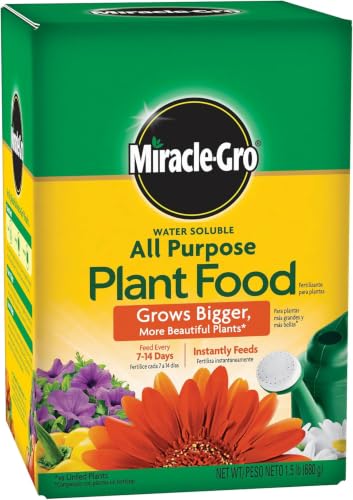
Miracle-Gro Water Soluble All Purpose Plant Food 1.5 lb (Pack of 6)

Whitney Farms Organic Bone Meal 6-8-0, 3 lb

Miracle-Gro Water Soluble All Purpose Plant Food, 6.25 lb
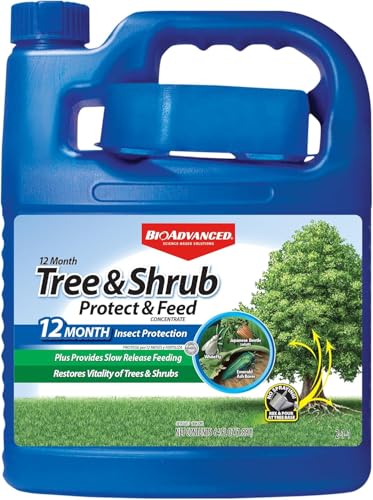
BioAdvanced 12 Month Tree & Shrub Protect and Feed 64 oz

BioAdvanced All-In-One Rose and Flower Care 64 oz

Osmocote Smart-Release Plant Food Plus, 2 lb

BioAdvanced 12 Month Tree and Shrub Protect and Feed Granules, 10 lb

Landscaper Pack Tree and Shrub Fertilizer Spikes 15-10-9 (70 ct)

Landscaper Pack Fruit and Citrus Fertilizer Spikes 8-18-18 (70 ct)
A Deeper Look At The Lineup
A water-soluble powder is the most flexible fertilizer format for someone juggling roses, hydrangeas, and a hedge of boxwood all in the same weekend. You scoop, you mix, you water, and the nutrients reach the root zone the same afternoon. The 1.5-pound pack-of-six format gives you enough material to feed a full landscape through an entire growing season without restocking.
For new gardeners, this is a friendly starting point because the powder dissolves cleanly and the application is forgiving, though you’ll want to stick close to the label rate to avoid pushing growth that’s soft and vulnerable to aphids. If you’ve got a few foundation shrubs plus a vegetable patch and some container annuals, this single product handles the whole roster.
Real-World Strengths
- Covers a wide plant roster, so you don’t need separate products for shrubs, flowers, and edibles.
- Bulk pack-of-six format means you won’t run out mid-season during peak growth.
- Dissolves quickly in a watering can or hose-end sprayer for fast uptake.
- Useful as a mid-season rescue feed when leaves start to look pale.
Things To Consider
- Reapplication every one to two weeks, so it isn’t a “set and forget” option.
- Storage matters: the powder clumps if the bag stays open in a humid shed.
Feature Snapshot
Whose Yard It Suits
New gardeners feeding a mixed landscape of shrubs, flowers, and edibles will find the flexibility valuable.
Consider Something Else When
You want a hands-off approach, in which case the Osmocote Smart-Release Plant Food Plus works with far fewer applications.
Bone meal is the slow, organic source of phosphorus and calcium that flowering and fruiting shrubs crave at planting time and during early root development. The 6-8-0 ratio on this Whitney Farms bag tells you the nutrient story at a glance: the three numbers, called N-P-K, represent nitrogen, phosphorus, and potassium by weight, and this one leans heavily into phosphorus. You sprinkle it into the planting hole or work it into the top inch of soil around established shrubs.
For gardeners who prefer an organic approach and want to feed the soil rather than just the plant, this is a foundational amendment. The 3-pound bag covers a reasonable number of shrubs or a generous bed of bulbs, and it stores easily in a dry corner of the garage.
The Helpful Details
- Organic phosphorus source encourages strong root and bloom development.
- Useful at planting time mixed into the backfill soil.
- Calcium content supports cell wall strength in flowering shrubs.
Worth Noting
- Low nitrogen means it’s not a complete feed on its own; pair with a balanced fertilizer for leafy growth.
- Can attract dogs and wildlife if left on the soil surface, so work it in thoroughly.
- Slow-release nature means results show over weeks, not days.
Right Fit For
Organic-minded gardeners prepping new shrub beds or top-dressing flowering specimens will appreciate the targeted phosphorus.
Look Elsewhere When
You need an all-in-one feed with nitrogen included, in which case Miracle-Gro Water Soluble All Purpose Plant Food covers more bases in a single product.
The same trusted water-soluble formula as the smaller pack, but in a 6.25-pound jug sized for the gardener who’s feeding a serious amount of square footage. If you maintain a long hedge row, a fence line of foundation shrubs, plus annual flower beds, this is the format that makes economic sense. A single jug dissolves into many gallons of feeding solution across the season.
It’s particularly useful for homeowners who already know the application rhythm and just want to stock up once instead of remembering to reorder. For shrub health specifically, the consistent feeding schedule supports steady new growth without the boom-bust cycle of infrequent heavy doses.
Notable Upsides
- Larger jug reduces packaging waste per feeding compared to smaller containers.
- Same versatile formula as the smaller pack, so results stay predictable.
- Cost per feeding drops noticeably at the bulk size.
Trade Offs
- The jug needs a dry storage spot where it won’t get knocked over.
- Same frequent reapplication schedule as the smaller pack, just more of it.
Best Suited To
Homeowners tending a long hedge or multiple foundation beds who want to buy once and feed all season.
Reach For A Different Pick When
You’d rather apply less often, because the Osmocote Smart-Release Plant Food Plus covers six months in one pass.
BioAdvanced’s concentrate does double duty, feeding your shrubs while protecting them from a roster of common chewing and sucking insects. A single 64-ounce bottle dilutes into many gallons of soil drench, and the systemic action means the plant takes up the active ingredient through its roots. From there, the protection works from the inside out against pests like Japanese beetles, aphids, and leafminers for a full growing season.
For homeowners who lose the same fight against beetles every summer, this is the product that finally breaks the cycle. The trade-off is that you’re working with a pesticide, so careful label reading and proper timing around bloom periods matters for pollinator safety.
Bright Spots
- Year-long insect protection from a single application.
- Targets a broad list of common shrub pests including Japanese beetles and aphids.
- Liquid concentrate format mixes easily for soil drenches around the root zone.
Points To Note
- Contains pesticide active ingredients, so read the label carefully before use.
- More expensive per application than plain fertilizer products.
Who Should Grab It
Homeowners with established trees and shrubs who battle recurring insect damage each season will get the most value.
A Better Fit Elsewhere
You only need basic nutrition without insect control, in which case the Osmocote Smart-Release Plant Food Plus is a simpler solution.
Specifically formulated for roses and flowering shrubs, this BioAdvanced concentrate combines fertilizer, insect control, and disease control in a single product. The systemic action means it can’t be washed off by rain once the plant absorbs it, which is a real advantage during wet springs when fungal diseases thrive. Six weeks of protection per application is a reasonable interval that fits neatly into a regular feeding calendar.
It’s a strong fit for gardeners who maintain a dedicated rose bed or a collection of flowering shrubs like hydrangeas and lilacs. The concentrated bottle dilutes to cover multiple plants, and the convenience of three products in one simplifies the routine considerably.
A Few Strong Suits
- Three products in one: fertilizer, insect control, and disease control.
- Rain-resistant once absorbed by the plant.
- Designed specifically for the nutrient needs of flowering shrubs.
Smaller Caveats
- Targeted at roses and flowers, so it’s not a general-purpose shrub feed.
- Six-week interval means you’ll reapply multiple times per season.
Feature Snapshot
Perfect Match For
Rose growers and flower bed caretakers who want to simplify their routine with one product handling three jobs.
Swap It Out When
Your landscape includes more evergreen and foliage shrubs than flowering ones, because the Winchester Gardens Evergreen Fertilizer Spikes are tuned for that profile.
Osmocote’s coated granules release nutrients gradually in response to soil temperature, which is a smarter approach than a fixed schedule. You sprinkle the granules around the drip line of your shrubs once, and the coating meters out feeding for up to six months. The “smart-release” mechanism means the plant gets more food during peak growth and less during dormancy, which mirrors what it would experience in a natural setting.
For the gardener who forgets to feed on schedule, or who simply doesn’t have time to mix and apply liquids every two weeks, this is the most forgiving option. The 2-pound container covers a meaningful number of mid-size shrubs in a single application.
Why It Works Well
- Up to six months of feeding from a single spring application.
- Temperature-responsive release matches plant demand through the season.
- Contains 11 essential nutrients for balanced nutrition.
Honest Caveats
- Granules must be worked into the topsoil or watered in to activate properly.
- Higher upfront cost per pound than liquid concentrates.
- Hard to tell visually when the coating has released all its nutrients.
Feature Snapshot
Built With In Mind
Busy homeowners who want reliable feeding without a frequent reapplication calendar will appreciate the set-and-forget rhythm.
Skip It When
You’re targeting flowering shrubs that need an extra phosphorus push, because the Whitney Farms Organic Bone Meal delivers that more directly.
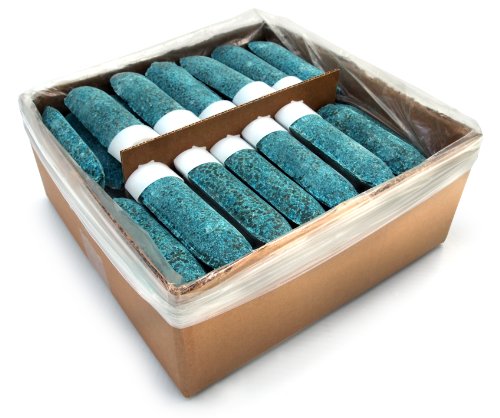
Fertilizer spikes are about as simple as feeding gets: you drive them into the ground near the root zone, and they dissolve slowly. The 12-10-10 ratio in this Winchester Gardens evergreen formula delivers balanced nitrogen, phosphorus, and potassium, with slow-release nitrogen designed to keep your pines, spruces, junipers, and other conifers green without a sudden flush of weak growth. The landscaper pack of 70 spikes covers a substantial hedge row or a row of foundation evergreens.
Pet owners and parents tend to favor spikes because there’s no loose powder or granule to track into the house. You do need a rubber mallet or a firm push to get them into harder soils, but the application takes minutes once you get the hang of it.
Good Reasons To Consider
- Pre-measured doses mean no measuring or guesswork.
- Child and pet-friendly format with no loose granules to track indoors.
- Slow-release nitrogen prevents the weak, leggy flush from quick feeds.
Points To Keep In Mind
- Hard or compacted soil may require a mallet to drive the spikes in cleanly.
- Placement matters: spikes need to sit within the active root zone, not in the mulch layer.
Feature Snapshot
Made For
Households with dogs or kids who want a no-mess, low-contact feeding method for evergreen shrubs and trees.
Consider Something Else When
Your landscape is dominated by flowering shrubs, because the BioAdvanced All-In-One Rose and Flower Care is tuned for blooms rather than foliage.
The granular sibling to the BioAdvanced concentrate, this 10-pound bag is the format to reach for when you’re treating a large property or a long line of foundation plantings. You sprinkle the granules around the base of each shrub, water them in, and the systemic insecticide plus slow-release fertilizer go to work for a full 12 months. The slow-release nitrogen supports healthy root development without forcing tender new growth late in the season.
For larger landscapes where mixing liquid concentrate for every shrub would take all day, the granular format scales much better. The trade-off is that you’re working with a pesticide product, so reading and following the label matters for both effectiveness and pollinator safety.
Standout Benefits
- 10-pound bag covers a large number of shrubs in a single pass.
- Year-long protection and feeding from one application.
- Granular format is easier to scale across many plants than a liquid drench.
Some Limits To Know
- Bulk size means more storage space required in a dry location.
- Granules need thorough watering in to activate the systemic uptake.
- Pesticide component means careful label reading and timing around bloom periods.
Whose Property It Belongs On
Owners of larger landscapes with many trees and shrubs who want to treat them all in one efficient application.
A Better Fit Elsewhere
You only have a few small shrubs and want a more targeted approach, in which case the concentrate version handles smaller jobs without waste.
Where the evergreen spike formula targets foliage, this general-purpose 15-10-9 spike handles the broader category of deciduous trees and flowering or fruiting shrubs. The higher nitrogen number supports leaf and shoot growth, which matters for hedges and specimen plants where the foliage is the show. The 70-count landscaper case covers a meaningful collection of mature plants in a single spring application.
Compared to the evergreen spikes earlier in the lineup, this formula is the better choice for hydrangeas, viburnums, lilacs, and similar deciduous shrubs. For most temperate landscapes, a single spring application at bud break sets the shrubs up for the year.
A Favorable Mix
- Higher nitrogen ratio suits leafy deciduous shrubs and trees.
- Pre-measured doses remove any application guesswork.
- Pet and child-friendly format with no loose powder or runoff.
Possible Compromises
- Hard soil may need pre-drilled pilot holes to seat the spikes cleanly.
- Placement accuracy matters: spikes too close to the trunk won’t reach feeder roots.
Right Fit For
Homeowners with mature deciduous hedges and specimen trees who want a clean, low-mess feeding method.
Not Your Match When
You grow a lot of citrus or fruit-bearing shrubs, in which case the higher-phosphorus Fruit and Citrus Fertilizer Spikes target that need more precisely.
Citrus and fruiting shrubs are heavy feeders, and they specifically want more phosphorus and potassium than a general-purpose feed delivers. The 8-18-18 ratio on this Winchester Gardens spike puts the emphasis right where fruiting plants need it, supporting flower set, fruit development, and overall plant vigor. The slow-release profile keeps the nutrients available across the long growing season that citrus demands.
For anyone growing lemons, limes, oranges, figs, or pomegranate shrubs in containers or in-ground, this spike format is a clean way to deliver targeted nutrition. Compared to the deciduous shrub spikes, the numbers tell the story of a formula built for blooms that turn into fruit.
Strengths Worth Knowing
- Higher phosphorus and potassium ratio matches fruiting shrub demand.
- Slow-release profile supports the long citrus growing season.
- Pre-measured doses keep feeding consistent across multiple plants.
Factors To Consider
- Specialty formula, so it’s not the right pick for general landscape shrubs.
- Container citrus may need supplemental liquid feeding during peak fruit set.
Feature Snapshot
Who Will Love This
Backyard citrus growers and hobby orchardists with a small collection of fruiting shrubs and small trees.
Where A Sibling Pick Shines
Your landscape is dominated by foliage and flowering ornamentals, where the Osmocote Smart-Release Plant Food Plus serves a wider range of shrubs.
What To Weigh Before Choosing Shrub Fertilizers
Reading the N-P-K Numbers
Every fertilizer label carries three numbers representing nitrogen, phosphorus, and potassium by weight. Nitrogen drives leafy growth and rich green color, phosphorus supports root development and flower or fruit set, and potassium contributes to overall plant vigor and disease resistance. A balanced formula like 15-10-9 works well for general maintenance, while specialty ratios like 8-18-18 target specific goals like fruiting.
For evergreen shrubs that you grow primarily for foliage, a higher nitrogen ratio makes sense. Flowering and fruiting shrubs benefit from more phosphorus during the bloom and fruit set windows.
Matching Format to Your Routine
Liquid concentrates and water-soluble powders give you fast uptake and flexible dosing, but they require mixing and frequent reapplication. Slow-release granules like Osmocote stretch a single application across months, which suits gardeners with less time. Spikes eliminate measuring entirely and offer a pet-friendly option for households where loose fertilizer on the ground is a concern.
Considering Soil and Climate
Soil pH affects how well shrubs can access the nutrients you apply, so a basic soil test every few years pays for itself. In sandy or heavily leached soils, you may need lighter, more frequent feeding rather than a single heavy dose. In clay-heavy soils, slow-release formats work well because the coating meters out nutrients gradually.
Time of Year and Plant Type
Spring feeding at bud break supports the first flush of growth, and a lighter late-summer application helps some species prepare for winter. Newly planted shrubs benefit from a starter boost like bone meal in the planting hole, while established plantings can rely on a seasonal spike or a slow-release granule.
Key Considerations Across These Picks
Where Shoppers Go Wrong
The most common mistake is over-applying fertilizer in the hope of faster results, which can burn roots and push weak, leggy growth that attracts pests. The second slip is choosing a flowering formula for foliage shrubs or vice versa, leaving the plant with nutrients it can’t use efficiently. Reading the label and matching the N-P-K ratio to the plant type and growth stage makes a bigger difference than the brand name on the bag.
Where The Extra Money Goes
Premium and dual-action products cost more because they bundle multiple functions, like the BioAdvanced formulas that combine feeding with insect or disease control. Specialty ratios also command higher prices because the nutrient mix is tuned for a narrower use case, like the fruit and citrus spike formula. For gardeners who want to consolidate their routine or tackle a specific problem, the higher-tier picks save time and deliver more targeted results than a basic all-purpose feed.
Frequently Asked Questions
When is the best time of year to fertilize shrubs?
The most common window is early spring at bud break, when shrubs are entering their active growth phase. A second, lighter feeding in late summer supports some species heading into fall, but avoid pushing tender new growth too close to the first frost date in your area.
Can I use the same fertilizer for evergreen and flowering shrubs?
You can, but you may not get the best results from either. Evergreens typically want more nitrogen for foliage, while flowering shrubs benefit from extra phosphorus at bud formation. Specialty formulas like the Winchester Gardens evergreen and fruit and citrus spikes exist precisely to handle these different needs.
Are fertilizer spikes better than granular or liquid feeds?
Spikes offer convenience, low mess, and a pet-friendly format, but they release nutrients in a smaller zone around the spike itself. Granular and liquid feeds spread more evenly through the root zone, which can matter for large or densely planted shrubs. Spikes work well for individual specimen plants and small hedge rows.
How much fertilizer does a typical shrub need?
A rough rule is to follow the label rate for the shrub’s size or the spread of its canopy, and to start on the conservative side if your soil is rich. More is not better, and over-application can cause leaf burn, weak growth, and salt buildup in the soil over time.
Do organic fertilizers work as well as synthetic ones?
Organic amendments like bone meal build soil health over time and release nutrients slowly, but they typically act more gradually than synthetic options. For gardeners building long-term soil quality, organics are valuable, and they pair well with a synthetic feed during peak growth windows when fast uptake matters.
Closing Remarks
The right shrub fertilizer depends on what you’re growing, how much time you want to spend applying it, and whether you’re fighting any pest or disease issues alongside nutrition. A water-soluble all-purpose feed gives flexibility, a slow-release granule trades mixing for convenience, and a specialty spike handles specific plant types cleanly. Pick the format that matches your routine, and your shrubs will show the difference by midsummer.
