

A countertop compost setup changes the rhythm of a kitchen. Peel carrots, scrape plates, drop the scraps in, and stop letting food waste rot in a regular trash bag where it attracts flies and smells up the room. The right small compost bin sits within arm’s reach, holds a few days of peels and grounds, and stays quiet about it. Indoor bins, compostable liner bags, and outdoor tumblers each solve a different part of the job, and the list below mixes all three so you can build a setup that actually works for your space.
The Main Contenders

Reli. 1.3 Gallon Stainless Steel Compost Bin

BioBag 2.6 Gallon Compostable Food Scrap Bags 100 Count

BioBag Countertop Compost Bin with 3-Gallon Bags

BioBag 3 Gallon Compostable Food Scrap Bags 100 Count

RED FACTOR Premium Compost Bin 1.3 Gallon Stainless Steel

Granrosi Compost Bin 1.3 Gallon with 3 Charcoal Filters

Werph 43 Gal Dual Chamber Tumbler (Green)
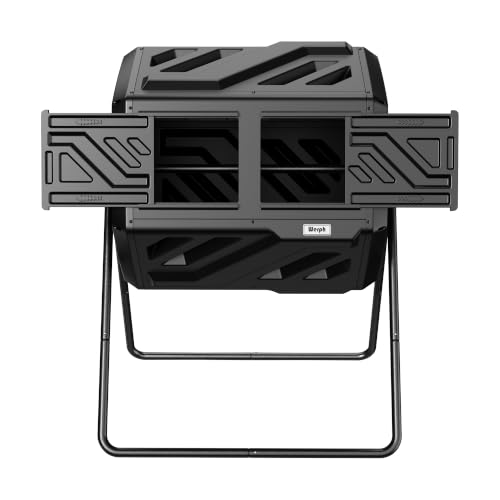
Werph 43 Gal Dual Chamber Tumbler (Black)

Werph 43 Gal Outdoor Compost Bin (Yellow)

Werph 43 Gal Outdoor Compost Bin (Grass Green)
A Closer Look At Each Pick
The Reli. bin is a stainless countertop pail sized for the way most households actually compost: a few days of peels, grounds, and tea bags before a trip to the outdoor pile or curbside bin. At 1.3 gallons, it tucks beside a coffee maker or under the sink lip without dominating the workspace, and the steel body wipes clean in seconds after a drippy avocado pit or a stray eggshell.
Dual charcoal filters sit in the lid, which is the feature that matters most for indoor use. Activated charcoal (a porous carbon that traps smelly molecules as air passes through) is the standard trick for keeping a scrap pail from announcing itself to the whole kitchen. The sealed lid does the secondary job of slowing moisture loss and keeping fruit flies out between dumps.
Points In Its Favor
- Stainless body resists stains and odor cling better than plastic alternatives in most kitchens
- 1.3-gallon size handles two to four days of scraps for one or two people
- Dual charcoal filters buy you time between filter swaps
- Smooth interior wipes down without scrubbing
- Compact footprint fits beside small appliances without crowding the counter
Trade Offs To Consider
- 1.3 gallons runs small for families cooking big Sunday roasts
- Steel body shows fingerprint smudges between cleans
- Replacement filters are a recurring small cost over the life of the bin
Quick Facts
Who It Suits Best
Apartment dwellers and couples who cook most nights and want a quiet, neutral-looking bin on the counter.
Look Elsewhere When
Pick the Granrosi Compost Bin instead if you want multiple spare filters in the box and a slightly larger farmhouse-styled silhouette.
Liner bags are the part of indoor composting most people forget to budget for. The BioBag 2.6-gallon rolls cover the smaller half of the counter-pail world, fitting slim bins where a 3-gallon bag flaps over the rim. One hundred bags stretch across several months for a light-to-moderate household, depending on how often you empty.
Compostable here means the bags break down in a municipal or commercial composting facility, not in a home pile sitting in the backyard. That distinction matters for anyone who drops scraps at a curbside pickup or hauls them to a community drop-off.
Real Benefits
- 100-count box lasts through months of routine kitchen scrap runs
- Breathable fabric lets moisture evaporate instead of pooling at the bottom
- Made in the USA under BPI composting standards
- 2.6-gallon size fits compact pails where larger bags droop over
Worth Noting
- Bags only break down in industrial composting setups, not in a backyard pile
- Thin material can tear if you load it with bones or sharp shells
- Not a substitute for the bin itself
Made For
Shoppers who already own a slim compost pail and just need a steady supply of properly sized liners.
Swap It Out When
Choose the BioBag 3-Gallon liners instead if your countertop bin is a standard full-size pail rather than a compact one.
Buying a bin and the right liners separately is one of the small frictions that turns people off indoor composting. BioBag solves that with a bundle: a ventilated plastic pail and a starter pack of 3-gallon compostable bags in one box. The pail is lightweight, designed to sit on the counter, and built around airflow.
Ventilation is the trick. Holes or slots in the body let moisture evaporate rather than collect at the bottom, which slows the bacterial action that causes smells. For a first composter, that means fewer surprises between emptying days.
Where It Helps
- Bundle removes the guesswork of matching bin to liner size
- Plastic body is dishwasher-safe for fast, sanitary washes
- Ventilated sides cut down on trapped moisture and odor
- Starter set of 25 bags covers the first couple of months
Honest Caveats
- Plastic body looks less refined than steel options on an open counter
- 25-bag starter pack runs out quickly for households that empty weekly
- Ventilation helps but does not eliminate smells from wet scraps like zucchini or melon rinds
Best Suited To
New composters who want one box that covers the bin, the liners, and the basic routine without shopping around.
Reach For A Different Pick When
Pick the RED FACTOR Premium Compost Bin if you want a steel body and dual charcoal filters in place of plastic ventilation.
The 3-gallon BioBag is the brand’s standard size and the one most countertop pails are designed around. If your bin is a typical kitchen catcher, this is the liner that fits without bunching or drooping. A 100-count roll covers roughly three to four months for a two-person household emptying weekly.
Like the smaller BioBag roll, these break down under industrial composting conditions rather than in a backyard heap. Anyone using municipal pickup or a commercial composter can drop the sealed bag straight in.
Advantages To Know
- Standard 3-gallon sizing fits the majority of countertop bins
- 100-count roll outlasts several weeks of regular use
- Breathable material helps moisture evaporate during storage
- Compostable under recognized certification standards
Less Ideal Details
- Industrial composting required, so backyard composters will need to empty bags first
- Soft construction tears if loaded with sharp avocado pits or bones
Feature Snapshot
Right Fit For
Households with a full-size counter pail who run through liners at a steady weekly pace.
Where Another Pick Suits Better
Go with the BioBag Countertop Bin bundle if you do not yet own a pail at all.
The RED FACTOR bin leans into the visual side of countertop composting. A dome-shaped lid gives it a soft silhouette that looks closer to a piece of serveware than a scrap bucket, and the brushed steel body catches light without screaming for attention. At 1.3 gallons it shares the same capacity class as the Reli. pick earlier in this list.
Under the lid, dual charcoal filters handle odor control, and a spare set ships in the box. That’s a quiet but real perk: you do not have to hunt down replacements for months after unboxing, and you can rotate filters on a simple calendar.
Positive Takeaways
- Dome lid reads as furniture-grade rather than utility-grade
- Stainless body resists rust and wipe-cleans after most drips
- Spare filters included, so the bin stays fresh past the first season
- Compact 1.3-gallon size suits small kitchens and galley layouts
Practical Considerations
- Smaller capacity demands more frequent emptying for households that cook daily
- Steel finish shows fingerprints between cleans
Whose Shelf It Belongs On
Design-conscious cooks who leave their compost bin in plain sight rather than hidden in a cabinet.
Consider Something Else When
Pick the Granrosi Compost Bin if you want three filters in the box and a slightly more rustic farmhouse look.
The Granrosi bin is the practical cousin to the RED FACTOR pick above. Same 1.3-gallon capacity class, same charcoal-filter approach to odor, but the silhouette leans farmhouse with a slightly taller, squarer body that measures roughly 7.2 by 7.2 by 11.5 inches. The visual difference is small but real in a kitchen where the bin sits out year-round.
Three filters ship in the box: one pre-installed plus two replacements. With each filter rated for a few months, that covers most of a year before you need to think about reordering.
The Helpful Details
- Three filters in the box cover most of the first year of use
- Steel construction handles daily wipe-downs without showing wear
- Compact footprint fits under upper shelves or beside a coffee station
- Charcoal lid insert is easy to swap without tools
Small Caveats
- Taller body takes a touch more vertical clearance than dome-lid designs
- Steel finish still picks up smudges between cleans
Feature Rundown
Who Will Love This
Shoppers who want a year of filter swaps covered in the box and prefer a more squared-off silhouette.
Not Your Match When
Pick the Reli. 1.3 Gallon Stainless Steel Compost Bin if a rounder, lower-profile lid suits your counter better.
Step outside and the math changes. Countertop bins collect; outdoor tumblers actually make compost. The Werph 43-gallon tumbler is built around the two-chamber trick that turns a backyard pile from a waiting game into a continuous cycle: fill one side while the other cooks.
Spinning the drum aerates the contents without fork-turning, which is the chore that usually drives people away from backyard composting. Most users in mild climates find the rotation cadence light enough to manage weekly.
Useful Touches
- Dual chambers keep fresh and finished batches separate
- 43-gallon capacity handles household food scraps plus yard waste
- Rotating drum mixes contents without manual turning
- Green finish blends into typical backyard landscaping
Things To Weigh
- Drum gets heavy once loaded, so you want a level, accessible spot for it
- Plastic panels can fade in strong, year-round sun depending on placement
- Large footprint demands yard space rather than balcony space
Key Specs
Perfect Match For
Backyard growers with a garden bed or two who want a continuous supply of finished compost rather than a single annual pile.
A Better Fit Elsewhere
Pick the Werph 43 Gal Tumbler in Black if a more neutral yard finish suits your landscaping better.
Same drum, same dual-chamber logic, just dressed in black. The Black version of the Werph 43-gallon tumbler suits gardeners who would rather their composter fade into a shaded corner than call attention to itself. Black also tends to absorb a touch more heat, which can nudge decomposition along in cooler shoulder seasons.
If you already know the design from the green pick earlier, the practical read is identical: two chambers for batch rotation, a 360-degree spin for aeration, and enough capacity to mix kitchen scraps with garden clippings.
Reasons It Performs
- Neutral finish suits modern and minimalist backyards
- Dual-chamber setup avoids downtime between batches
- Rotating design cuts out the worst part of pile composting: turning by hand
- Large opening makes loading food scraps and yard waste simple
Where It Is Less Suited
- Black panels can run warmer in direct summer sun depending on placement
- Still requires yard space rather than a small patio or balcony
Right Fit For
Gardeners who prefer understated hardware and a composter that recedes into the background visually.
Skip It When
Choose the Werph 43 Gal Tumbler in Grass Green instead if blending with lawn and shrubbery matters more than visual neutrality.
The Yellow version of the Werph outdoor bin trades camouflage for visibility. That is genuinely useful in some yards: bright panels make the composter easy to spot at dusk, around kids, or near a vegetable patch where you want to remember it exists. Same 43-gallon capacity, same dual-chamber logic as the other Werph picks above.
Functionally it sits in the same family as the green and black tumblers, so the real decision is whether the visual fits your yard. In a tidy suburban lawn with neutral fencing, yellow reads as a cheerful accent. In a wild pollinator garden, it can feel out of step.
A Favorable Mix
- High-visibility finish helps avoid trips and bumps in low light
- Dual-chamber design supports a continuous composting cycle
- 43-gallon capacity suits households generating real yard waste
- Rotating drum simplifies the mixing chore
Points To Keep In Mind
- Bright color can clash with rustic or heavily planted yards
- Drum weight when full requires deliberate placement
Built With In Mind
Active gardeners who treat the composter as part of the yard and want it to read as a feature, not blend in.
Another Choice May Suit
Choose the BioBag Countertop Bin and liners instead if your composting happens indoors and you do not have yard space.
The Grass Green Werph rounds out the color lineup for the same 43-gallon, dual-chamber tumbler. Compared to the deeper forest green earlier in this list, grass green reads slightly brighter and more lawn-like, which makes it easy to tuck behind a hydrangea or alongside a fence line without drawing the eye.
Underneath the color, the spec sheet matches the rest of the Werph outdoor range. You get continuous-batch composting, a rotating drum for aeration, and room for both kitchen scraps and the kind of yard trimmings that pile up after a weekend of pruning.
Notable Upsides
- Grass green finish blends with most lawn and garden palettes
- Dual chambers keep the composting cycle going without downtime
- 43-gallon drum balances capacity against backyard maneuverability
- Rotating design cuts down on the manual turning chore
Worth Bearing In Mind
- Full drum takes effort to rotate, so a level site matters
- Plastic body can weather in constant direct sun
Who Should Grab It
Households that want a backyard composter which fades into lawn and foliage rather than standing out as hardware.
Look Elsewhere When
Choose the Werph 43 Gal Tumbler in Black if a more architectural look suits your outdoor space better.
What To Weigh Before Choosing A Small Compost Bin
The right compost setup splits into two worlds: indoor bins that catch scraps on the counter, and outdoor tumblers that actually finish the compost. Most households benefit from a piece in each category. The indoor side handles daily scraps before they head outside, and the outdoor side does the slow work of turning waste into soil amendment.
Capacity Versus Counter Space
A 1.3-gallon bin suits one or two people who cook nightly and empty every couple of days. Bigger households or anyone cooking big-batch meals will outgrow that quickly and start looking at 3-gallon bins or larger. Counter real estate is the trade-off: a bin that fits beside the coffee maker is one you’ll actually use, and a bin that has to live in the pantry often gets skipped.
Filtration Versus Ventilation
Charcoal filters actively absorb smells as air passes through, which makes them the right pick for sealed steel bins. Ventilation slots let moisture evaporate instead of pooling, which keeps bacterial activity in check. The honest read is that neither approach is perfect: filters need swapping every few months, and ventilated bins still need regular emptying to stay odor-neutral.
Outdoor Tumbler Sizing
A 43-gallon dual-chamber tumbler is a sweet spot for most suburban yards. It holds enough material to actually compost, the dual-chamber setup avoids the long downtime of single-bin piles, and the rotating drum removes the worst chore of traditional composting. Smaller bins work for balconies but typically need more attention because the material dries out faster.
Honest Advice Before You Buy
Pitfalls Shoppers Hit
The most common mistake is buying a bin without matching liners, then struggling with bags that flap over the rim or tear at the seams. Match bag capacity to bin capacity before checking out. Another slip is assuming compostable bags break down in a backyard pile; they usually need an industrial facility, so know where your scraps end up before relying on them.
Where The Extra Money Goes
Spending more on a countertop bin usually buys stainless construction, longer filter life, and a spare set of filters in the box. On the outdoor side, the upgrade pays for a rotating drum, dual chambers, and a more weather-resistant finish. For most shoppers, the upgrade is worth it once the bin lives in plain sight or the tumbler becomes part of a real gardening routine rather than a weekend experiment.
Frequently Asked Questions
How often should a small countertop compost bin be emptied?
Most 1.3-gallon bins hold two to four days of scraps for a one- or two-person household, while 3-gallon bins stretch to about a week. Empties should happen before smells become noticeable, since bacterial action speeds up as the bin fills.
Do compostable liners break down in a backyard pile?
Most certified compostable bags are designed for industrial or municipal composting, not a backyard heap. In a home pile, the bags often stay intact and need to be torn or removed before adding material to the compost.
What is the difference between a charcoal filter and a ventilated bin?
A charcoal filter actively absorbs odor molecules as air moves through, while a ventilated bin relies on airflow to evaporate moisture and slow bacterial activity. Filters suit sealed bins; ventilation suits plastic pails with slots or holes.
How long does a backyard tumbler take to produce compost?
Under good conditions, a 43-gallon dual-chamber tumbler can produce finished compost in roughly six to ten weeks, depending on moisture balance, the mix of greens and browns, and how often the drum is turned.
Can a small compost bin live on the counter full-time?
Yes, as long as the bin has a sealed lid with a working filter, or a ventilated body that lets moisture escape. Open-top bins or those with worn filters tend to attract fruit flies and let smells build, which makes them better suited to a cabinet or utility area.
Closing Remarks
Indoor composting works best when the bin is the right size, sits where you actually prep food, and stays sealed between dumps. Outdoor composting works best with a dual-chamber tumbler that lets one batch cook while another fills. Pick the side of the system that solves your immediate frustration first, then add the other piece once the routine sticks.
