

Cold nights can stop tender seedlings in their tracks, and most home greenhouses lose heat fast once the sun drops. A compact electric heater built for humid, enclosed spaces keeps your grow room, flower tent, or backyard greenhouse in a stable range so you stop gambling with every frost. The shortlist below covers 1500W PTC ceramic units, stainless steel wet-environment models, and a smart VPD-friendly grow tent option, so you can match the right tool to your square footage, your plants, and how hands-on you want to be with temperature control.
How The Shortlist Stacks Up

GarveeTech Portable Electric Heater 1500W/750W

ZIZIWIN Greenhouse Heater with Thermostat 1500W
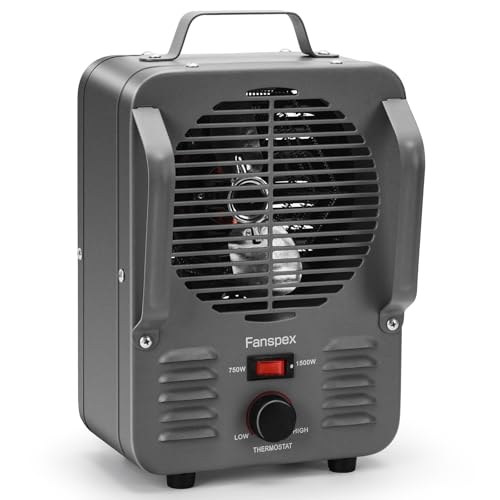
Fanspex 1500W Portable Electric Space Heater

VEVOR 1500W Greenhouse Heater with Thermostat
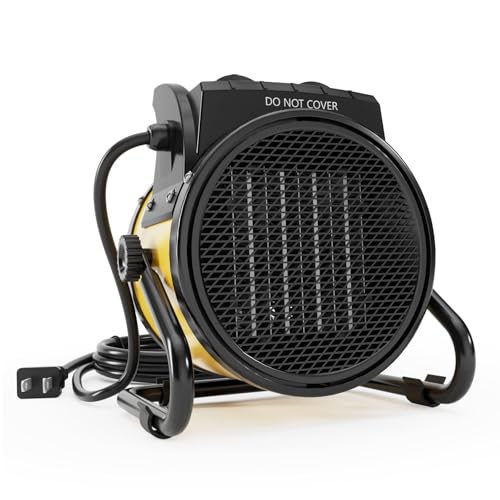
Joanolga Outdoor Heater 1500W Yellow

Joylight 1500W Greenhouse Heater with Digital Thermostat

Roodike 1500W Blower Heater with Thermostat
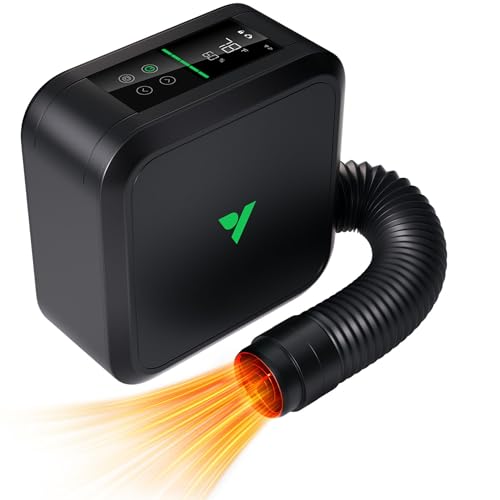
VIVOSUN AeroFlux 700W PTC Grow Tent Heater with VPD
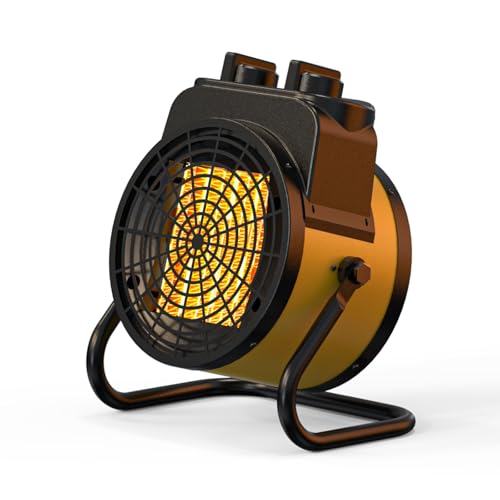
TRUSTECH 1500W Greenhouse Heater 90° Tilt
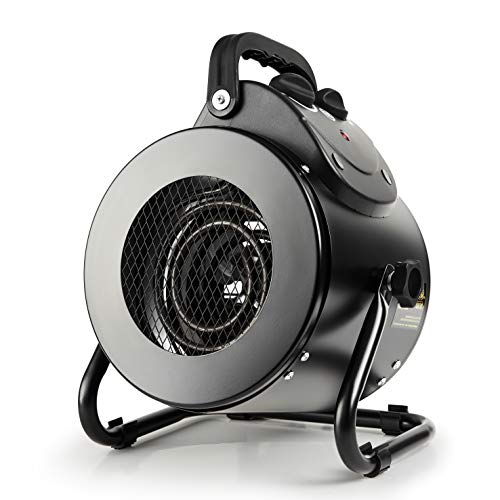
iPower Electric Heater Fan IPX4 Stainless
More On The Choices That Made The List
The GarveeTech portable electric heater earns its spot because it solves the basic problem cleanly: warm air without burning space. PTC ceramic heating (a self-regulating element that adjusts resistance as it warms) means you plug it in, set a level, and the fan pushes out steady heat within seconds, no open flame, no oxygen starvation in a sealed room. At roughly four pounds with a built-in handle, you can move it between a propagation tray and a chilly garage bench without thinking twice.
Two speed settings (750W and 1500W) give you low-output winter nights and a full-power cold snap option. For most hobby growers running a small indoor greenhouse or a sunny window-start station, the lower wattage covers routine use and the higher wattage acts as a backup. It’s the kind of grab-and-go unit that quietly becomes the most-used tool on the shelf.
Notable Upsides
- Cold-to-warm air in seconds, useful for catching a sudden temperature drop after sundown.
- Two-mode wattage control helps match output to a small greenhouse rather than blasting a 1500W room heater.
- Lightweight body with a built-in handle, easy to relocate between rooms or benches.
- No open flame, which matters in a dry potting area full of dry leaves, soil, and fabric pots.
Things To Consider
- Lacks a built-in thermostat, so you’ll want a separate plug-in thermometer or timer for steady overnight control.
- The compact housing puts out lower heat than the larger alloy units later in this list, so it’s best for tight enclosures rather than full-size backyard greenhouses.
- Plastic exterior can pick up dust in a potting shed; owners commonly wipe it down monthly to keep vents clear.
Who It Suits Best
Anyone running a small indoor greenhouse, a seed-starting rack, or a chilly home office nook where gentle background warmth matters more than heating a full room.
A Better Fit Elsewhere
If you need more robust humidity resistance and a built-in thermostat, the VEVOR 1500W Greenhouse Heater with Thermostat is a stronger match.
The ZIZIWIN pair stands out because it ships with the thing most compact heaters skip: a dedicated digital thermostat. That small add-on changes how the whole setup behaves. The heater runs at 1500W and the thermostat reads the actual ambient air, switching the unit on and off to hold your chosen temperature, so you stop babysitting the dial during a cold snap.
Rated for spaces up to about 120 square feet, this lands squarely in the small-greenhouse zone. Compared with the GarveeTech unit above, the ZIZIWIN gives you programmable precision rather than a single 750W/1500W toggle. For growers running a tight flower room or a hobby greenhouse where night temperatures matter, that closed-loop control is the difference between guesswork and consistent results.
The Helpful Details
- Digital thermostat cuts the heater in and out at your chosen temperature, useful for tender seedlings and overwintering tropicals.
- 1500W output covers a roughly 120 sq ft footprint, fitting walk-in hobby greenhouses and converted sheds.
- PTC ceramic heating reaches operating temperature within seconds, useful when evening cold arrives fast.
- Pair-bundle approach removes the need to shop for a separate compatible thermostat.
Points To Keep In Mind
- The thermostat and heater live as two separate units on the cable, so cable management matters in a compact grow space.
- At full output, the fan is audible; very quiet growers may notice it in a sleeping area.
- The housing is more plastic than the stainless iPower later in this list, so heavy humidity over many seasons will show wear.
Right Fit For
Set-and-forget hobby growers who want a thermostat-led setup without paying for a full smart-environment controller.
Where Another Pick Suits Better
App-driven growers who want remote monitoring and VPD tracking will get more from the VIVOSUN AeroFlux 700W PTC Grow Tent Heater.
The Fanspex unit trades digital flair for honest metalwork. The full-metal frame and visible heating coil give it a milk-house utility feel, which is exactly the point. In a garage greenhouse, a workshop with a propagation tent, or a converted shed, you want a heater you can knock with a hose and not worry about. The internal thermostat knob cycles the heater on and off once the room reaches your setpoint.
Safety is the headline: overheat cutoff and tip-over shutoff pair with an ETL-listed (an independent electrical-safety certification recognized across North America) build, which matters in any enclosed grow space. Compared to the GarveeTech, this one feels heavier and less polished, but in a damp garage or a basement grow room that trade usually pays off. For growers who care more about a five-season lifespan than a touchscreen, the Fanspex earns a real look.
Key Advantages
- All-metal frame tolerates bumps, dust, and the rough handling of a busy garden shed.
- Built-in thermostat knob keeps temperatures steady without buying a separate controller.
- Tip-over and overheat shutoff give you a safety net if the heater gets knocked or blocked.
- ETL-listed build is reassuring in spaces where electrical safety gets little attention.
Trade Offs
- No IP rating, so heavy condensation or direct water spray will shorten its life compared to the iPower unit later in this list.
- The exposed coil design runs hotter to the touch, so positioning it behind a bench or away from curious pets is wise.
- It’s louder than the smoother fan-only models, which can matter in a connected living space.
Made For
Backyard growers and tinkerers who want a tough, no-nonsense 1500W heater for a garage, basement, or utility greenhouse.
Skip It When
Your greenhouse runs in true damp or semi-outdoor conditions, where the iPower Electric Heater Fan with IPX4 housing is the safer pick.
The VEVOR 1500W heater leans into the category’s hard cases. The alloy-steel body and IP24 splash-proof rating (a rating indicating protection against splashing water from any direction) mean it shrugs off the kind of moisture that ends a plastic heater early. Add an independent thermostat with real-time monitoring and overheat protection, and you’ve got a unit built for a year-round greenhouse rather than a winter-only back porch.
Rated at 5118 BTU (British Thermal Units, a measure of how much heat a heater can deliver per hour), this puts out serious warmth for the size, and the low-noise operation makes it usable near a window or a workbench. Where the Fanspex is garage-tough, the VEVOR is greenhouse-engineered. Chick brooding, drying renovations, plant tents, overwintering citrus, you can swap duties without swapping units.
What Works In Its Favor
- IP24 splash-proof housing handles humid environments that would shorten a plastic-bodied unit.
- Independent thermostat gives you accurate control and soil-temperature feedback for propagation work.
- 5118 BTU output covers larger small-greenhouse footprints without straining the circuit.
- Multi-scene design covers chick brooding, drying rooms, and grow tents in one body.
Small Caveats
- Heavier than the plastic-bodied GarveeTech, so you’ll plan placement rather than shuffle it around weekly.
- The IP24 rating is splash-proof, not fully sealed, so a direct downpour on an open bench is still risky.
- At 1500W it draws a real load; pairing it with other high-draw gear on the same circuit may trip a breaker.
Who Will Love This
Year-round greenhouse growers who need durable splash protection and precise temperature control for seedlings or brooding.
Reach For A Different Pick When
You run a sealed indoor grow room and want app-driven VPD (Vapor Pressure Deficit, the balance between temperature and humidity that drives plant transpiration) control instead of a wall-mounted dial, where the VIVOSUN AeroFlux 700W fits better.
The Joanolga leans into versatility with three distinct power modes: 750W, 1500W, and a low-output 20W setting that’s better described as a fan-only or background mode for mild evenings. The PTC ceramic core ramps in roughly three seconds, so you don’t wait through a cold snap to feel results. In a patio greenhouse, a flower room, or a small workshop, that flexibility means you’re not locked into one heat level.
For growers weighing this against the ZIZIWIN setup above, the difference is integration. The ZIZIWIN ships with a separate digital thermostat; the Joanolga is a simpler standalone with a wider mode range. If your climate swings between mild autumn nights and proper winter freezes, the mode selection handles both without needing a second thermostat. The yellow housing is also easier to spot in a cluttered shed than a generic black box.
Advantages To Know
- Three-mode switch adapts to mild evenings, shoulder seasons, and full winter cold in one unit.
- PTC ceramic core reaches useful warmth in about three seconds.
- 1500W peak output covers a typical small greenhouse footprint without strain.
- Compact body suits portable use between a patio, garage, and flower room.
Honest Caveats
- No bundled thermostat, so precise overnight control requires buying a separate plug-in or outlet controller.
- No listed splash rating, so positioning it well away from direct misting lines is wise.
- The 20W low setting is closer to a fan-only mode than a real heating level, which can confuse buyers who expect warm air there.
Best Suited To
Growers who want one heater that flexes between a patio, a flower room, and a mild shoulder-season greenhouse without swapping units.
Swap It Out When
You run a continuously humid greenhouse and need rated splash protection, where the Joylight 1500W with IPX4 is the stronger call.
The Joylight earns its slot with two upgrades that matter in real greenhouses. The first is an Eco mode that cycles between 750W and 1500W based on ambient temperature, drawing less power during mild spells. The second is an IPX4 splash-proof rating (protection against water splashes from any direction), which means humidity and the occasional accidental mist don’t automatically end its life. Together, those two features shift this from a basic heater into a year-round tool.
Three operating modes cover routine winter, mild shoulder seasons, and full-power cold snaps. Overheat protection rounds out the safety picture. Against the ZIZIWIN above, the Joylight trades a separate digital thermostat for a built-in Eco cycling system; against the VEVOR, it gives up alloy body weight for IPX4 sealing. For growers watching their energy bill and dealing with humidity, this is the smartest balance in the lineup.
Positive Takeaways
- Eco mode cycles wattage automatically, easing power use during mild weather.
- IPX4 splash-proof rating handles humid greenhouse conditions without special placement.
- Built-in smart temperature control reads the room and adjusts in real time.
- Three operating modes cover routine nights, mild weather, and full cold snaps.
Some Limits To Know
- Smaller heating footprint than the VEVOR, so a large walk-in greenhouse may need two units.
- The plastic exterior looks lighter than the alloy-bodied picks, so heavy long-term humidity will show cosmetic wear.
- Eco cycling depends on stable ambient readings, so placement near a drafty door can throw it off.
Perfect Match For
Energy-conscious growers running a humid greenhouse who want one heater that adapts wattage to the weather instead of running flat-out.
Consider Something Else When
Your setup demands remote monitoring and full VPD tracking, where the VIVOSUN AeroFlux 700W is the better long-term match.
The Roodike skips the wide rectangular housing in favor of a compact blower footprint, which changes how the heat lands in your space. The PTC core warms within seconds and the built-in fan pushes that warmth in a focused direction rather than letting it pool around the body. In a grow tent, a pet area, or a propagation rack, directed airflow often matters more than total BTU output.
Best heating coverage sits around 120 square feet per unit. Compared with the Joanolga above, the Roodike trades three-mode flexibility for a tighter, more directional throw. The bundled thermostat lets it cycle automatically once your room reaches the setpoint. For growers with one cold corner that keeps killing seedlings, this targeted blower approach often solves the problem a wider heater cannot.
Where It Delivers
- Compact blower form factor fits a corner of a grow tent or under a bench.
- PTC ceramic core reaches useful heat in about three seconds.
- Built-in thermostat cycles the heater automatically, no separate controller required.
- Focused airflow reaches cold corners that wider heaters leave chilly.
Worth Bearing In Mind
- Roughly 120 sq ft coverage means a big greenhouse will need more than one unit to stay even.
- The compact body runs hot at the outlet grille, so keep it clear of any plastic sheeting.
- Without a listed splash rating, it’s best kept away from irrigation misters and dripping benches.
Whose Shelf It Belongs On
Growers with a small cold spot, a grow tent, or a pet corner who want focused airflow rather than whole-room heating.
Not Your Match When
You run a broad, open greenhouse where even whole-room warmth matters more than directional throw, where the VEVOR 1500W covers ground more efficiently.
The VIVOSUN AeroFlux is the outlier, and that’s the point. Instead of the standard 1500W ceiling, it runs at 700W with five heat levels, smart thermostat control, and real-time VPD tracking. VPD (Vapor Pressure Deficit) measures the difference between how much moisture the air can hold and how much it actually holds, and it tells you whether your plants can actually transpire. That single metric reshapes how you run a grow tent.
You get app control, tip-over and overheat protection, and V0-rated fire-resistant housing. Compared to the ZIZIWIN above, the AeroFlux replaces a separate dial thermostat with a connected ecosystem. For a sealed grow tent where you already run a humidifier and a circulation fan, this heater slots into the same control layer. It’s a niche choice, but for indoor growers managing tight environmental targets, it’s the smartest unit in the roundup.
Practical Advantages
- App-driven thermostat and VPD tracking let you tune the room from your phone.
- Five heat levels give finer control than the typical two- or three-mode setups.
- V0-rated housing and tip-over protection cover both fire and knock-down risks.
- 700W draw reduces breaker strain when paired with lights and circulation fans.
Where It Is Less Suited
- The 700W ceiling means a large or poorly insulated greenhouse won’t stay warm without backup.
- App dependence adds a setup step that simpler dial-based units skip, which matters for non-tech-savvy growers.
- Priced above the basic 1500W picks, so it’s only a smart buy if you’ll actually use the connected features.
Built With In Mind
Tech-forward growers running sealed grow tents or small rooms who already manage humidity and want a heater that joins the same ecosystem.
A Better Fit Elsewhere
Growers running a traditional backyard greenhouse in a cold climate will get more raw heat from the VEVOR 1500W with thermostat.
The TRUSTECH adds a physical detail that matters more than it sounds: a 90° tilt head. In a real layout, you rarely want heat pointed straight ahead; you want it angled up toward hanging baskets, down across a seedling bench, or sideways along a long flower room. PTC ceramic heating ramps in three seconds, and three modes (high, low, fan-only) cover the year.
Overheat protection and ETL-listed electricals give you the standard safety floor. Against the Joanolga above, the TRUSTECH trades the 20W low mode for an adjustable tilt, and against the Roodike, it gives up the blower form factor for a wider housing with broader heat spread. For growers whose benches and trellises aren’t all the same height, the tilt head solves a layout problem most heaters ignore.
The Value In It
- 90° adjustable tilt directs warmth up, down, or sideways without moving the whole unit.
- Three operating modes cover full heat, low heat, and fan-only ventilation.
- PTC ceramic core reaches useful warmth in roughly three seconds.
- ETL-listed build and overheat protection match the safety baseline of the better 1500W units.
Factors To Consider
- No integrated thermostat mentioned in the source, so pairing with a separate controller is necessary for overnight precision.
- The wider housing occupies more bench space than the compact Roodike blower.
- No listed splash rating, so humid placements should keep it out of direct mist.
Who Should Grab It
Growers with mixed-height benches, hanging baskets, or trellised plants who want to aim heat rather than just turn it on.
Look Elsewhere When
Your greenhouse sits in a heavy-humidity environment and demands sealed electronics, where the iPower IPX4 stainless model is the safer call.
The iPower rounds out the list because it does something most heaters in this category avoid: it accepts a wet environment as its native habitat. The stainless steel housing, fully enclosed fan motor, and IPX4 splash-proof rating (protection against water splashes from any direction) make it a true greenhouse heater rather than a household space heater pressed into garden service.
The fan runs continuously in heat mode, which spreads warmth more evenly across the space. The dial thermostat covers a wide range, useful if you overwinter plants that prefer real cold rather than room temperature. Against the Joylight above, the iPower trades Eco cycling for a sealed stainless build. For growers whose greenhouses run humid year-round, or whose benches get misted regularly, this is the only pick on the list built for that reality.
Where It Helps
- IPX4-rated stainless housing tolerates humidity and splash that ends plastic units early.
- Continuous fan operation spreads warmth more evenly than cycling fans in larger enclosures.
- Wide-range dial thermostat handles both tropical overwintering and cool-tolerant crops.
- Stainless surface wipes clean of soil and water spots with a damp cloth.
Worth Bearing In Mind
- Stainless housing weighs more than the plastic picks, so plan placement before settling it on a shelf.
- Continuous fan noise is constant in heat mode, which can matter near a quiet workspace.
- The dial thermostat is less precise than the digital units earlier in this list, so very tight targets may need a secondary thermometer.
The Right Fit
Growers with a true year-round humid greenhouse, a propagation room, or a misted bench who need a heater rated for wet conditions rather than a dry-room unit in disguise.
Swap It Out When
You run a sealed dry grow tent and want app-based climate control, where the VIVOSUN AeroFlux 700W with VPD tracking fits the use case better.
What To Weigh Before Choosing A Small Greenhouse Heater
Match Wattage To Footprint, Not Hype
A 1500W heater handles roughly 100 to 150 square feet in a typical small greenhouse with reasonable insulation. In a drafty converted shed, the same heater covers less. Over-sizing wastes power; under-sizing keeps your plants cold. Measure your actual floor space and check whether the unit matches your climate.
Thermostat Control Changes The Daily Experience
Heaters without bundled thermostats run full-blast until you manually turn them off. Pairing one with a digital thermostat or a smart outlet turns the unit into a closed-loop system that holds a target temperature overnight, which matters far more than peak wattage once the room warms up.
Humidity Rating Is The Quiet Differentiator
Standard indoor heaters tolerate dry rooms and fail in greenhouses. An IP24 or IPX4 splash rating (a two-digit ingress protection code, where the second digit rates water resistance) means the electronics survive the inevitable humidity, mist, and condensation. The VEVOR, Joylight, and iPower all carry real splash ratings, while most others need careful placement away from water.
Form Factor Follows Layout
A wide rectangular housing spreads heat broadly, while a compact blower like the Roodike throws heat in one direction. The TRUSTECH adds a 90° tilt head for mixed-height layouts. Match the housing shape to your bench arrangement rather than to the wattage alone.
Key Considerations Across These Picks
Pitfalls Shoppers Hit
Many growers buy a basic indoor space heater and assume any 1500W unit will do. The catch is humidity: most indoor heaters have no splash rating, so the first heavy mist or cold-condensation morning starts wearing them out. Match the IP rating to your actual moisture level.
Another common miss is forgetting the thermostat. A heater without a temperature controller is fine for spot warmth during a cold snap, but it cycles on full power until you intervene, which wastes energy and stresses seedlings. If precision overnight matters, build a thermostat into the budget from the start.
Where The Extra Money Goes
Higher-tier models like the VIVOSUN AeroFlux or the iPower stainless unit cost more because they add features a budget heater can’t: app control, VPD tracking, sealed stainless housing, and continuous fan operation. You’re paying for reliability and precision rather than raw heat, and the upgrade is worth it when your greenhouse runs year-round rather than for a few cold weeks.
Frequently Asked Questions
What size heater do I need for a small greenhouse?
Most hobby greenhouses between 50 and 150 square feet do well with a single 1500W unit, though insulation and outside temperature shift that number. In a drafty shed, plan for more heating capacity than the square footage alone suggests.
Do greenhouse heaters need a thermostat?
Heaters run best with one, since full-blast operation wastes power and overheats seedlings. A bundled digital thermostat or a paired smart outlet keeps the room at your chosen temperature without manual cycling.
Are splash-proof greenhouse heaters really necessary?
Standard indoor heaters fail quickly in humid greenhouses because moisture gets into the electronics. A unit with an IP24 or IPX4 rating (protection against splashing water from any direction) is worth the modest premium if your space runs humid or gets misted regularly.
Can I leave a greenhouse heater running overnight?
Yes, when the unit has overheat protection and either a thermostat or a smart outlet controlling the cycle. Without those safeguards, unattended full-power operation in a small enclosed space is a real risk to plants and wiring alike.
Is a 700W heater enough for winter?
For sealed grow tents and small insulated rooms, a 700W unit with smart cycling covers routine winter nights. For traditional backyard greenhouses in cold climates, the standard 1500W picks like the VEVOR or iPower deliver more usable heat.
Bottom Line
Small greenhouse heaters earn their keep when they match your square footage, your humidity level, and how hands-on you want to be with temperature control. Start with the layout and moisture in your space, then pick the wattage, thermostat, and splash rating that fit, rather than chasing the highest number on the box. The right unit will fade into the background and quietly keep your plants in their comfort zone all winter.
