

You water the same way your parents did, except now your phone tells the hose when to run. That’s the pitch behind most smart gardens gear, and it mostly holds up once you match the right tool to the right patch of soil.
The lineup below spans fabric pots, drip kits, hose timers, and the shovel you’ll still reach for when no app can help. Every pick earns its place by solving a specific headache, from forgotten vacations to overeager tomatoes. Here’s what to bring home in 2026.
The Essentials At A Glance
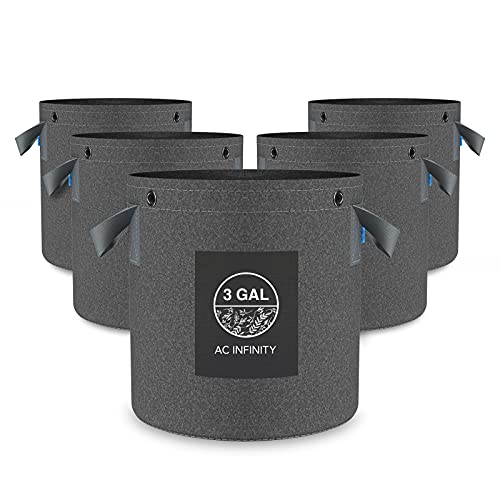
AC Infinity Heavy-Duty 500G Fabric Pots, 3 Gallon

Fiskars Ergo Garden Trowel

Osmocote Smart-Release Plant Food Plus, 2 lb.

RAINPOINT WiFi Automatic Plant Waterer Indoor

RainPoint WiFi Solar Drip Irrigation System
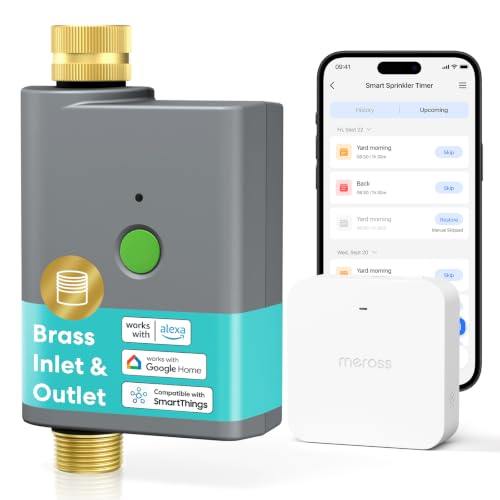
meross WiFi Water Timer, Brass Inlet
meross WiFi Water Timer, Hub Included, IP65

meross 4 Zone Sprinkler Timer with Brass Inlet
Why These Options Stand Out
Fabric pots earn their keep by giving roots air, and these 3-gallon bags lean into that trick hard. The nonwoven walls let excess water drain instead of pooling at the base, which matters more than most beginners realize until their basil starts to sulk. For container veggie beds on a patio, that translates into fewer root-rot surprises and steadier growth.
Nylon handles and reinforced stitching carry real weight when you’re hauling soil-heavy bags around. Built-in metal rings along the rim open up low-stress training for taller plants. Compared to flimsy grow bags that split after a season, these feel closer to tools than disposables.
Useful Touches
- Air-pruning fabric stops roots from circling, which usually means a healthier root ball by midseason.
- Nylon handles stay comfortable when the bag is soaked, a small detail you’ll appreciate during summer transplants.
- Metal rim rings accept twist ties for training tomatoes or peppers without poking holes through the fabric.
- True-to-size capacity means 3 gallons is actually 3 gallons, not a hopeful estimate.
Worth Noting
- Fabric pots dry out faster than plastic, so pairing them with a drip system, like the RAINPOINT picks below, pays off.
- Light-colored fabric can show algae stains after a wet season, though it doesn’t affect plant health.
Quick Facts
Right Fit For
Patio gardeners running a small rotation of veggies or herbs who want healthier roots without buying a raised bed.
Look Elsewhere When
You want built-in watering automation from day one, where the RainPoint WiFi Solar Drip Irrigation System handles the whole chain.
A smart garden still needs a hand to plant the seedling, and the Fiskars Ergo Trowel makes that handwork easier on the wrist. The polished aluminum head is light enough to keep moving but tough enough to bite into packed soil without flexing. For daily transplanting or breaking up root balls, that combination is the whole story.
The contoured grip keeps knuckles in a natural position when you’re kneeling in the dirt for an hour. A simple hang hole near the handle lets you store it on a shed hook instead of letting it rust in a muddy bucket. Compared to cheap stamped trowels that bend on the first root, this one stays straight.
What Makes Sense
- Cast-aluminum head resists rust far longer than pressed steel, so it survives wet sheds and damp mornings.
- Soft-grip ergonomic handle reduces wrist fatigue during long transplant sessions.
- Compact 3-by-4-inch blade reaches into nursery pots without crushing the root ball.
- Hang hole at the handle base keeps it off damp surfaces and within easy reach.
Things To Consider
- Aluminum edge will dull over years of heavy clay use, though a quick file restores the bite.
- Light color shows dirt quickly, but a quick rinse under the tap fixes that in seconds.
Key Attributes
Built With In Mind
Anyone transplanting seedlings, digging small holes, or dividing perennials on a regular schedule will appreciate the lighter grip.
A Better Fit Elsewhere
If your gardening revolves around watering automation, the meross 4 Zone Sprinkler Timer handles a chore this trowel can’t touch.
Granular fertilizer gets a bad rap as old-school, but Osmocote’s coated prills release nutrients slowly enough that you can almost forget about feeding for half the year. The 2-pound jar covers a meaningful indoor and outdoor collection, so you don’t run out midseason. Smart-release feeding is the rare garden upgrade that costs less effort than the thing it replaces.
Eleven essential nutrients sit inside each granule, which is more than most casual gardeners realize their plants are missing. You sprinkle, you water, and the resin coating does the metering based on soil temperature. For anyone juggling houseplants and a patio garden on the same weekend, that simplifies the calendar.
The Helpful Details
- Up to six months of feeding per application cuts the chore of monthly fertilizing in half.
- Eleven nutrients in each granule support foliage, roots, and blooms without separate products.
- Temperature-driven release matches nutrient output to actual growing conditions.
- Works for indoor and outdoor plantings, so you can use one bag across the whole collection.
Honest Caveats
- Granules need to be mixed into the topsoil rather than left loose on hard-packed ground.
- Indoor pots in low light may use less than the recommended dose, so erring on the lighter side keeps salt buildup down.
Feature Snapshot
Best Suited To
Gardeners juggling mixed indoor and outdoor plants who want steady feeding without juggling multiple bottles.
Skip It When
You’d rather automate watering instead, where the meross WiFi Water Timer with Brass Inlet handles a different chore entirely.
Houseplant collections multiply quietly until a two-week vacation threatens the whole lineup. RAINPOINT’s indoor waterer tackles that anxiety head-on with a 2.4GHz WiFi connection and an app that schedules and monitors every drop. The 2400mAh rechargeable battery means no outlet hunting next to your fiddle-leaf fig.
An anti-siphon design, which prevents water from flowing backward into the reservoir, protects both plants and floors from surprise floods. Capacity covers up to 15 pots per unit, which fits most apartment-scale collections without daisy-chaining pumps. Compared to simple globe-style watering spikes, this one offers actual remote visibility into soil conditions.
The Case For It
- App-based scheduling means you can delay or extend watering from the airport, not just from the couch.
- Anti-siphon valve prevents backflow, a small detail that saves wood floors during pump hiccups.
- Up to 15 pots per unit covers most apartment collections without expanding to a second pump.
- 2400mAh rechargeable battery keeps running during short power blips without resetting the schedule.
Points To Note
- Reservoir needs manual topping off, so longer trips still require a friend or a second unit.
- 2.4GHz WiFi only, which can complicate setup if your router favors 5GHz for smart home devices.
Who It Suits Best
Apartment dwellers and frequent travelers with houseplants who want app-level visibility into watering without rewiring the room.
Not Your Match When
You’d rather water a balcony full of containers off a rainwater barrel, where the RainPoint WiFi Solar Drip Irrigation System handles outdoor scale better.
Outdoor watering without a tap sounds impossible until solar panels enter the picture. The RainPoint Solar Drip System pulls water from a bucket or rain barrel and pushes it through tubing to a stated 10 to 15 plants. A backup battery covers cloudy stretches so the schedule doesn’t skip a beat.
Tap-free installation makes this kit ideal for balconies and patios where drilling into a wall isn’t an option. App control mirrors the indoor version, so your phone becomes the dashboard for both sides of the garden. Compared to the RAINPOINT Indoor unit above, this trades the reservoir size for outdoor reach.
Notable Upsides
- Solar panel plus backup battery keeps the pump running through cloudy stretches without manual charging.
- Tap-free setup means renters can install a full drip system without modifying plumbing.
- App-based scheduling covers 10 to 15 plants, which fits a typical balcony garden comfortably.
- USB-C port offers a fast top-up option during long stretches of overcast weather.
Worth Bearing In Mind
- Needs a water source like a bucket or barrel, so dry climates may need to refill frequently.
- Drip tubing can clog with hard-water minerals, depending on your local supply.
Made For
Renters, balcony growers, and off-grid gardeners who want full drip irrigation without touching a hose bib.
Consider Something Else When
You have an existing outdoor tap and want simpler scheduling, where the meross WiFi Water Timer with Brass Inlet is a more direct fit.
Plastic hose timers crack after two winters, which is why the brass inlet and outlet on this meross unit feel like a quiet flex. A rain-skip feature, which uses local weather data to skip scheduled runs after storms, prevents the wasteful soak that turns a lawn into a sponge. Smart watering finally feels less like a novelty and more like a garden tool.
The timer pairs directly to a 2.4GHz network without a hub, simplifying setup for households new to smart home gear. App scheduling lets you tweak run times from the office when heat waves shift the watering calendar. Compared to the AC Infinity fabric pots covered earlier, this is the hardware side of the same smart-garden story.
Everyday Wins
- Brass inlet and outlet resist corrosion far longer than plastic, especially in humid climates.
- Rain-skip logic adjusts schedules based on weather forecasts, so you stop overwatering after storms.
- Hub-free setup means no extra bridge device crowding the router shelf.
- App control supports schedule edits from anywhere with cell service.
Trade-Offs To Consider
- Single-zone design, so larger yards with mixed beds may need the 4-zone model instead.
- Battery compartment is tightly sealed for waterproofing, which makes winter swaps a bit fiddly.
Feature Card
Perfect Match For
Homeowners with a single hose bib and a lawn or bed that needs consistent, weather-aware watering.
Another Choice May Suit
Anyone running separate drip lines for veggies and flowers should consider the meross 4 Zone Sprinkler Timer instead.
This meross timer ships with the smart hub in the box, which removes the guesswork for anyone without an existing meross setup. The IP65 rating means dust and rain spray stay out, so mounting it near a spigot isn’t a reliability gamble. For first-time smart-garden shoppers, that bundled approach pays off.
Rain-skip behavior carries over from the hub-free model, but the included hub extends control across more meross devices in the same ecosystem. Setup gets simpler when everything ships together. Where the previous meross timer suits single-hose homes, this version suits households planning a broader smart-garden build.
Bright Spots
- Hub included removes the extra purchase and pairing step for newcomers.
- IP65 weatherproofing handles outdoor mounting without a cover.
- Rain-skip scheduling adjusts to local forecasts automatically.
- Hub supports future expansion to other meross outdoor devices.
Practical Considerations
- Hub adds a small footprint near the router, so small apartments need a discreet spot.
- Power compartment requires a screwdriver to open, which complicates quick battery swaps.
Whose Shelf It Belongs On
First-time smart-garden shoppers who want a complete kit and a path to expand into other meross outdoor devices later.
Swap It Out When
You already own a meross hub, where the timer-only meross WiFi Water Timer with Brass Inlet saves the duplicate hardware.
Yards with mixed plantings need different schedules, and four independent zones solve that without buying four separate timers. The meross 4 Zone unit runs a lawn, flower bed, vegetable patch, and drip line off a single tap. Brass construction at the inlet holds up to daily pressure cycles across summer.
A bundled brass adapter covers the 3/4-inch connection, though you may need a wrench to seat it firmly. Each zone runs its own schedule, so thirsty tomatoes and drought-tolerant herbs stop sharing the same soak cycle. Where the single-zone meross model handles basics, this one manages a full-yard plan.
The Good Stuff
- Four independent zones handle mixed plantings without buying separate timers.
- Brass inlet and adapter resist the wear that cracks plastic timers over time.
- Individual zone schedules let thirsty and drought-tolerant plants share one tap.
- App-based control mirrors other meross devices for consistent daily use.
Points To Keep In Mind
- Setup requires tightening the brass adapter properly, often with a wrench, to prevent leaks.
- Rubber washers inside the connector can wear out, so a spare set on hand saves a future trip to the hardware store.
Who Should Grab It
Homeowners managing lawns, beds, and veggie patches from a single tap who want zone-specific watering without multiple timers.
Where Another Pick Suits Better
Smaller patios with one watering line may find the meross WiFi Water Timer with Brass Inlet a simpler single-zone match.
What To Weigh Before Choosing Smart Garden Gear
Smart garden tools promise automation, but the right pick depends on what already lives in your yard and how much hand-holding you want to keep. The first question to ask is whether your garden actually runs on a hose bib or whether you’re stuck hauling water. From there, the picks above split into three loose groups: containers and soil (AC Infinity, Osmocote, Fiskars), indoor or small-space watering (RAINPOINT Indoor, RainPoint Solar), and tap-driven outdoor automation (the three meross timers). Matching the category to your actual layout matters more than chasing the flashiest features.
Connectivity is the second filter. App-based systems lean on 2.4GHz WiFi, which has longer range but slower speeds, so a router positioned near the garden keeps timers responsive. Hub-based kits extend range and unlock multi-device control, but they add clutter near the router. For renters and small patios, tap-free solar drip kits remove plumbing headaches that traditional hose timers can’t dodge.
Build materials and weather sealing round out the decision. Brass inlets last longer than plastic, especially through freeze-thaw cycles. IP65 ratings mean dust-tight and rain-resistant, which matters for any timer mounted near a downspout. If your winters drop below freezing, plan on removing the timer body or draining the line to protect the valve seats, a widely noted precaution that owners commonly follow.
Key Considerations Across These Picks
Pitfalls Shoppers Hit
A common misstep is buying a hose timer without checking the tap size. Most outdoor spigots in newer homes use 3/4-inch threads, while older homes often have 1-inch, so matching the adapter up front prevents an extra trip. Another trap is overlooking WiFi band compatibility. Several smart timers run on 2.4GHz only, so a dual-band router needs both bands enabled during setup. Forgetting to check whether a hub is included can also push the budget past planned spend, since some meross versions ship with the bridge and others don’t.
Where The Extra Money Goes
Spending up on a smart garden tool typically buys better materials and longer service life. Brass bodies replace plastic to resist cracking across winters, while coated electronics survive weather without a separate cover. Premium kits also bundle weather-aware features like rain-skip, which uses local forecast data to skip scheduled watering after storms, saving both water and the chore of canceling runs. The upgrade pays off most for homeowners managing multiple zones, where one heavy-duty timer replaces several entry-level units.
Frequently Asked Questions
What is a smart garden?
A smart garden uses connected tools like WiFi timers, app-controlled drip kits, and slow-release fertilizers to automate watering, feeding, and lighting tasks.
Do I need a hub to use a smart garden timer?
Some timers connect directly to your home WiFi, while others require a hub, so checking the listing before purchase prevents an extra accessory buy.
Can smart garden gear survive winter?
Outdoor timers with brass bodies and IP65 ratings handle cold and rain, but removing the battery or draining the line before hard freezes extends valve life.
How many plants can a drip system cover?
Most indoor units cover up to 15 pots per pump, while outdoor solar kits typically support 10 to 15 plants depending on tubing length and water pressure.
Is fabric better than plastic for pots?
Fabric pots air-prune roots and drain faster, which reduces rot risk, though they dry out quicker and may need a drip system to stay consistently moist.
The Takeaway
The best smart garden setup starts with a clear picture of your space, whether that’s a windowsill, a balcony, or a full backyard with mixed beds. From there, the picks above layer together into a system that waters, feeds, and tends without constant babysitting. Pick the category that matches your layout, then add the tool that solves your biggest headache first.
