

Laying fresh sod is one of those weekend projects that feels deceptively simple, until the edges curl, the color fades, and the roots refuse to grab hold. Starter fertilizer is what closes that gap, giving young turf the phosphorus and balanced nitrogen it craves during the first critical weeks. A good formula helps sod knit into the soil before summer stress arrives. The seven picks below cover everything from large front yards to small repair patches and even citrus trees for the patio crowd.
The Main Contenders

The Andersons Premium New Lawn Starter 20-27-5 (18 lb)

Farmer’s Secret Citrus Tree Booster Fertilizer (32oz)

Lawn Synergy Starter Fertilizer 15-20-10 (50 lbs)

Simple Lawn Solutions Soil Hume and Root Hume Bundle

Fertilome New Lawn Starter 9-13-7 (20 lbs)

Scotts Turf Builder Starter Food for New Grass (3 lbs)
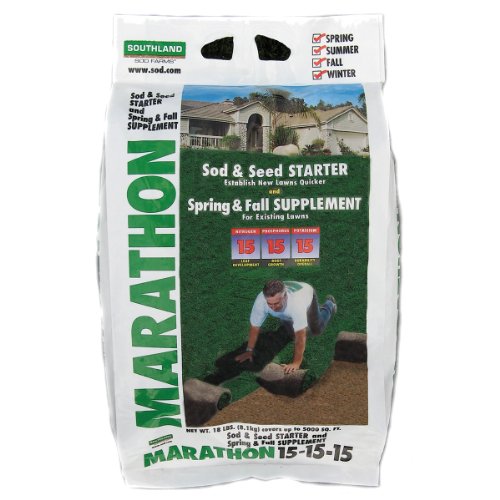
Southland Sod Farms 21 Sod and Seed Starter 15-15-15 (18 lb)
A Deeper Look At The Lineup
The Andersons 20-27-5 leads the list because it leans hard into phosphorus, the nutrient young roots crave during their first month of establishment. The 18-pound bag treats roughly 5,000 square feet, which lines up neatly with most suburban front lawns. You get a quick green-up from the nitrogen plus a steady release component that keeps working after the initial push.
Owners spread it with a standard drop or broadcast spreader, and the small prill size tends to fall evenly without much clumping. Iron in the mix helps deepen color without forcing extra growth.
A Few Strong Suits
- High phosphorus ratio accelerates root anchoring in fresh sod
- Covers a typical suburban lawn from a single bag
- Quick-release and slow-release nitrogen split for sustained feeding
- Includes iron for visible greening without excessive top growth
- Works across virtually every common turfgrass species
Things To Consider
- Granules can clump if stored in a humid garage
- Coverage math assumes a single pass at the recommended rate
Who It Suits Best
Homeowners installing a full pallet of sod across a 4,000 to 5,000 square foot yard who want one bag to do the job.
Look Elsewhere When
The Simple Lawn Solutions humic acid bundle suits shoppers focused on rebuilding tired soil biology rather than driving phosphorus into new sod.
Citrus trees live a different life than turfgrass, so swapping in a dedicated formula pays off. Farmer’s Secret arrives as a 32-ounce concentrate designed to dilute into a watering can. One teaspoon per gallon handles a young tree along the drip line, while mature trees can take up to two teaspoons weekly.
Unlike the granular starter for lawns, this liquid format absorbs fast, which matters when a citrus tree is showing yellow leaves or stalled growth. It works for indoor container citrus and outdoor patio trees alike.
Positive Takeaways
- Highly concentrated, so a single bottle stretches across many feedings
- Liquid delivery bypasses the slow uptake window of granular feeds
- Suitable for indoor and outdoor container citrus alike
- Targets the specific nutrient mix citrus species demand
Honest Caveats
- Requires mixing before each application, unlike a granular spread
- Weekly routine is a bigger commitment than seasonal feeding
- Not designed for turf, so it cannot replace a lawn starter
Key Specs
Made For
Patio gardeners and indoor growers raising potted lemon, lime, or orange trees who prefer liquid feeding.
Another Choice May Suit
Anyone focused on establishing a new lawn should look at the Andersons 20-27-5 instead, since citrus boosters will not feed turf.
Big yards eat through starter fertilizer fast, which is where a 50-pound professional bag earns its keep. Lawn Synergy’s 15-20-10 blend is built around XCU slow-release nitrogen (a polymer-coated urea that meters nitrogen out gradually over weeks) plus ammonium sulfate, a fast-acting nitrogen source. That pairing feeds young sod now and continues working as roots push deeper.
You can spread it before laying sod or right after, since the 20 percent phosphorus supports root growth in either scenario. Compared to the Andersons bag above, this one trades a slightly lower phosphorus ratio for a much larger coverage area.
The Upside
- 50-pound bag suits large properties and pro installs
- Slow-release component extends feeding for several weeks
- Works for seeding, overseeding, and sod repair alike
- Higher total nitrogen for faster visible green-up
Trade Offs
- Bulk bag requires a spreader with adequate hopper capacity
- Phosphorus ratio is lower than dedicated 20-27-5 starters
Best Suited To
Contractors and homeowners with lawns larger than 7,000 square feet who want one purchase to finish the job.
Skip It When
The Scotts Turf Builder 3-pound bag makes more sense for small patch repairs where a 50-pound sack would go to waste.
Not every lawn problem starts at the surface. Simple Lawn Solutions ships a two-bottle set, Soil Hume (a humic acid and seaweed concentrate that improves soil structure) and Root Hume (a humic acid blend aimed at nutrient uptake). Humic acid is a natural organic compound derived from decomposed plant matter that helps soil hold nutrients and water more effectively.
This bundle is a companion product rather than a stand-alone starter, so pairing it with one of the granular picks above tends to produce the best results in heavy clay or sandy soils. You dilute either concentrate into a hose-end or pump sprayer for application.
The Helpful Details
- Two complementary bottles address both soil and root zones
- Liquid format reaches deeper into compacted soil
- Boosts uptake of nitrogen, phosphorus, and potassium already present
- Seaweed component adds trace micronutrients
Points To Keep In Mind
- Not a starter fertilizer on its own, so it pairs with another product
- Liquid application requires a pump or hose-end sprayer
Feature Snapshot
Perfect Match For
Gardeners with depleted clay or sandy soil who want biology working alongside their starter fertilizer.
Reach For A Different Pick When
The Fertilome 9-13-7 covers the basic starter need on its own without requiring an extra liquid pass.
Fertilome’s 9-13-7 stays closer to a balanced NPK profile than the high-phosphorus picks higher on this list. The 20-pound bag covers roughly 5,000 square feet, putting it in the same lane as the Andersons starter but with a milder nutrient punch.
This formula suits gardeners who want a moderate starter that will not push excessive top growth at the expense of roots. It spreads cleanly through a standard drop or broadcast spreader.
Standout Benefits
- Balanced ratio works for both seed and sod establishment
- Reasonable coverage from a single 20-pound bag
- Moderate phosphorus reduces risk of runoff in regulated areas
- Compatible with common drop and broadcast spreaders
Small Caveats
- Lower phosphorus than aggressive 20-27-5 starters
- No iron included, so greening takes a bit longer
Whose Shelf It Belongs On
Homeowners seeking a moderate starter for a small lawn who are not chasing maximum root push in the first week.
Where Another Pick Suits Better
Heavy phosphorus needs call for the Andersons 20-27-5, which delivers more root-building fuel in a similar bag size.
Scotts stays the course with a compact 3-pound bag aimed at patch repairs and small yards. The format makes sense for first-time sod owners who only need a few square feet of coverage, or for overseeding a worn patch along a walkway.
The smaller bag also eliminates the storage headache that comes with 20 or 50-pound sacks in a humid garage. You get the same Scotts formulation logic, just in a friendlier size.
What Earns Its Place
- Compact 3-pound bag stores easily on a shelf
- Beginner-friendly spread rate
- Suits reseeding, patching, and small lawn installs
- Lower commitment for first-time sod owners
Potential Drawbacks
- Coverage is limited compared to larger bags
- Cost per pound runs higher than bulk options
Quick Facts
Who Should Grab It
First-time sod owners patching a small area or overseeding a thin strip of lawn.
A Better Fit Elsewhere
Larger properties get better value from the Southland Sod Farms 18-pound starter, which covers more ground per dollar.
Southland Sod Farms ships a 15-15-15 starter from a sod grower, which gives it credibility with anyone installing a full pallet. The equal NPK profile is the gentlest on this list, leaning toward transplant recovery rather than aggressive root push. That balance helps newly transplanted sod adjust without the burn risk that high-nitrogen formulas can introduce.
The 18-pound bag fits a mid-sized yard, and the formula also serves as an all-purpose feed for house and garden plants if you have any leftover.
Key Advantages
- Even nutrient ratio eases transplant stress
- Backed by a sod grower’s own field experience
- Works on lawns and garden plants alike
- Reduces risk of nitrogen burn on delicate new sod
Things To Weigh
- Phosphorus is lower than dedicated root builders
- Slower visible green-up than 20-27-5 blends
Right Fit For
Homeowners laying fresh sod who want a mild starter that will not shock tender new roots.
Consider Something Else When
Seed-starting projects benefit more from the Lawn Synergy 15-20-10, which carries extra phosphorus for germination.
Choosing The Right Starter For Your Lawn
The first number on any fertilizer bag is nitrogen, the second is phosphorus, and the third is potassium, a shorthand called NPK. Phosphorus drives root development, which is why most sod starters lean toward a middle number above 10. High phosphorus formulas like 20-27-5 push roots hardest during the first two weeks, while balanced 15-15-15 products ease sod into its new home with less risk of burn. Your soil type matters too: sandy soils lose nutrients fast and benefit from slow-release nitrogen, while clay holds nutrients longer and tolerates quicker pushes.
Bag size should match lawn square footage. A 3-pound bag covers a small patch, an 18 to 20-pound bag fits most suburban lawns, and a 50-pound sack makes sense for properties over 7,000 square feet. Always use a calibrated spreader and water the area immediately after application to move nutrients into the root zone.
Reading The NPK Label
A 20-27-5 bag delivers 20 percent nitrogen, 27 percent phosphorus (measured as phosphate, P2O5), and 5 percent potassium (measured as potash, K2O) by weight. Higher phosphorus numbers signal stronger root push, while higher nitrogen numbers drive blade growth above the soil.
Matching Formula To Use Case
For new sod installation, balanced or phosphorus-heavy blends work best. For overseeding thin areas, slow-release nitrogen keeps new seedlings fed without forcing tender shoots. For container citrus, liquid concentrates absorb faster than granular options.
Key Considerations Across These Picks
Where Shoppers Go Wrong
The most common slip is buying a high-nitrogen lawn fertilizer and expecting it to root new sod. Nitrogen drives top growth, not roots, so a balanced or phosphorus-leaning starter is the right tool for establishment. Another mistake is skipping watering after spreading, since dry granules sitting on new sod can scorch tender blades. Always water within a day of application.
Where The Extra Money Goes
Premium starters earn their higher cost through slow-release nitrogen technology and higher phosphorus ratios. You pay for the polymer coating that meters nitrogen gradually, plus concentrated micronutrients like iron that produce faster greening. For most residential lawns, a mid-priced 18 to 20-pound bag handles the job. The upgrade to professional-grade slow-release only pays off on larger properties or where soil conditions demand extended feeding.
Frequently Asked Questions
When should starter fertilizer be applied to new sod?
Apply starter fertilizer just before or immediately after laying sod, then water the area thoroughly. The first two weeks are the critical window for root development, so timing matters more than the exact brand you choose.
Can I use starter fertilizer on established lawns?
Starter fertilizer is safe for established turf in moderate amounts, though a regular lawn food typically delivers better long-term results. Reserve starter blends for new installs, overseeding, and patch repair work.
How long does it take to see results?
Most starter fertilizers produce visible greening within 7 to 14 days, depending on weather and watering consistency. Root development continues for several weeks after the blades green up.
Is liquid or granular fertilizer better for new sod?
Granular is more common for full-lawn sod installations because it spreads evenly and feeds slowly. Liquid works well for spot treatments, soil conditioning, and potted plants like citrus where quick uptake matters.
Do I need to water after applying starter fertilizer?
Yes, water lightly after application to move granules off the blades and into the soil. Without water, dry fertilizer sitting on new sod can cause tip burn and slower nutrient uptake.
Closing Thoughts
Your lawn’s first month sets the tone for the rest of the season, and the right starter fertilizer makes that window count. Match the bag size to your yard, lean toward phosphorus for sod or balanced NPK for transplant-sensitive installs, and water consistently after spreading. Any of the seven picks above will get the job done when paired with a decent spreader and a regular watering schedule.
