

If you’ve ever wrestled with plastic seed trays that crack, tangle roots, or pile up in the shed, you’re the right reader for this roundup. Soil blockers swap disposable pots for compressed growing medium you form on demand, which means less plastic waste and air-pruned roots that transplant without shock. The challenge is picking the right coir blend and the right blocking tool, since both shape how your seedlings perform from germination through transplant day.
A Side-By-Side Look
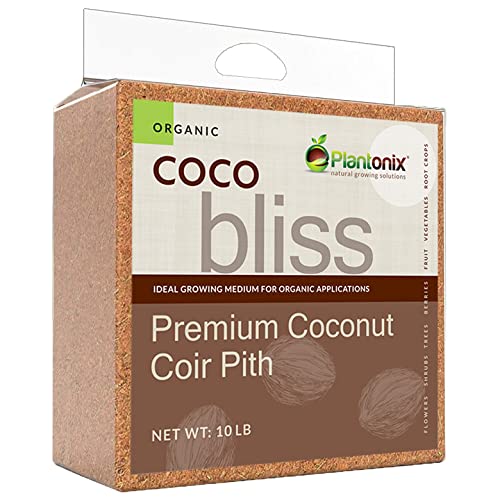
Coco Bliss Organic Coco Coir Brick 10lb

Kempf Compressed Coco Coir Pith Block 10lb
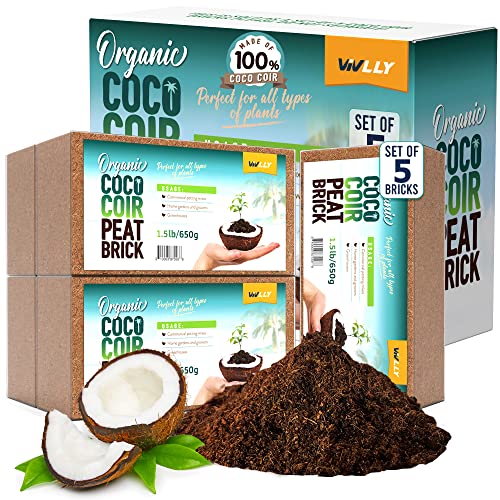
Vivlly Compressed Coco Coir Bricks 5 Pack
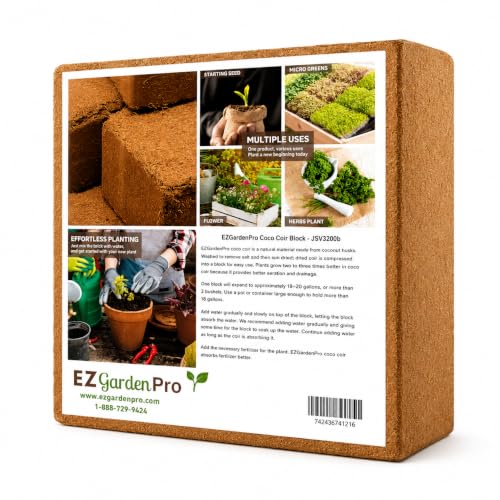
UBICON Organic Coco Coir Block 11lb
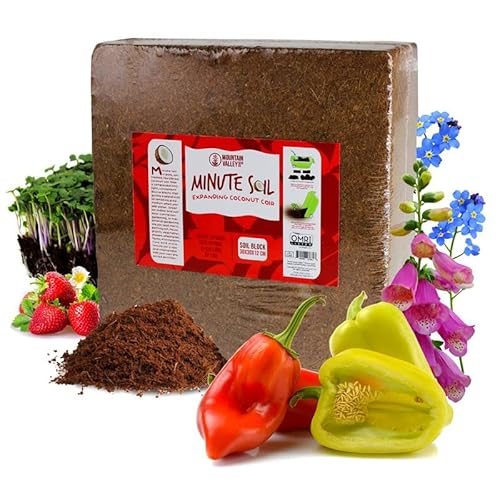
Mountain Valley Minute Soil Coco Coir Block

Verdana Coco Coir Potting Soil Brick 10lb

Nutrifield Coco Mega Brick 5kg

Mountain Valley Minute Soil Disc 26oz

Urban Worm Coco Coir Soil Amendment

Ladbrooke Mini 4 Soil Blocker (England)
The Strengths Of Each Pick
The Coco Bliss brick arrives in a dense 10-pound block that fluffs up fast once water hits it, making it a sensible starting point for gardeners who want a single bag to handle both seed trays and outdoor beds. The OMRI-listed label, which means an independent review body has cleared the product for organic use, matters for anyone growing edibles under strict organic protocols.
Unlike a bulk amendment that arrives half-useless with sand and fiber clumps, this one goes through a multi-stage screening process that pulls out the gritty debris you don’t want touching tender roots. For a backyard gardener starting a couple dozen soil blocks for tomatoes and peppers, that screening tends to translate into cleaner blocks that hold their shape during the press.
The Value In It
- OMRI-listed for organic-certified operations and home edible gardens
- Pre-screened fiber reduces grit that can block fine blocker pins
- 10-pound block rehydrates to a workable volume for several seed-starting sessions
- Doubles as a soil conditioner for outdoor beds beyond the blocker
Small Caveats
- Larger bricks can take a few minutes longer to fully hydrate in the center without breaking apart
- Storage requires a dry corner since pre-hydrated coir left sitting around can sour over time
Whose Shelf It Belongs On
Organic-focused home growers running a modest seed-starting rotation will find the easiest fit here.
A Better Fit Elsewhere
Anyone running a high-volume blocking operation may want the larger Mountain Valley Minute Soil Block instead, since its expansion ratio stretches further per block.
For gardeners chasing a single coir block that pulls serious moisture weight, the Kempf Pith Block puts water-holding ability front and center. The manufacturer rates it for holding roughly ten times its weight in water, and the fibrous structure that makes that possible also creates the air pockets young roots need to push through.
Compared with the lighter Coco Bliss brick, this one feels denser going into the bucket and breaks apart into a noticeably fluffier medium once hydrated. In real-world terms, that means fewer daily mistings on a heat mat, and roots get oxygen instead of sitting in a soggy plug.
The Upside
- Strong water retention reduces how often you mist blocked trays
- Air pockets from the fiber structure prevent compaction around roots
- Expands to roughly 18 gallons from a 10-pound block, enough for a season
- Neutral pH keeps it compatible with most vegetable seedlings without amending
Points To Note
- High retention can backfire if you overwater, so drainage trays still matter
- Denser fiber sometimes needs a second soak to fully separate in the middle of the block
Made For
Growers in dry climates or anyone whose seed trays dry out between morning checks will appreciate the buffer.
Skip It When
Hydroponic growers who want a pre-buffered, low-EC substrate should look at the Nutrifield Coco Mega Brick 5kg instead.
The Vivlly five-pack shifts the value conversation from per-bulk to per-brick, which makes sense for anyone running successive rounds of soil blocks through spring and summer. Each 650-gram brick hydrates into multiple gallons of finished medium, so you crack one open only when you actually need it and the rest stay dry on the shelf.
Where the single Kempf block demands a full hydration session in a wheelbarrow, this format lets you work in smaller batches on the kitchen counter. For blocking purists who want consistent moisture week after week, that smaller working volume matters more than the headline expansion number.
Everyday Wins
- Five-brick format lets you hydrate only what you need each session
- Low EC content reduces salt stress on germination-sensitive crops
- pH balanced between 5.5 and 6.5 fits most seed-starting recipes
- Compact bricks store easily in a closet or garage shelf
Potential Drawbacks
- Washing and buffering claims vary in practice, so flushing before use is wise
- Smaller bricks add up to less total medium than the 10-pound single blocks
Quick Facts
Best Suited To
Multi-season growers who like to stagger their seed-starting across several crops will get the most from this format.
Not Your Match When
Someone running one big blocking marathon for a community garden should grab the Verdana Coco Coir Potting Soil Brick 10lb for its larger single-batch volume.
The UBICON block earns its place by being useful beyond the blocker, which suits gardeners who want one bag of medium to cover multiple jobs. Beyond seed blocking, the manufacturer points to erosion control, pet bedding, and soil conditioning for succulents, flowers, and vegetables, and that flexibility tends to come through in practice.
Where the Kempf block leads with water retention specs, UBICON leans into the coconut fiber’s natural biodegradability and lower water-and-fertilizer footprint. For a homestead that wants the same medium to repair a slope, fill a planter, and feed the worm bin, that range matters more than peak aeration stats.
Good Reasons To Consider
- Works for seed blocking, pet bedding, and outdoor soil amending
- Biodegradable fiber breaks down cleanly in compost systems
- Holds water and nutrients well, reducing how often you feed
- 11-pound block offers slightly more finished medium than a 10-pound brick
Things To Weigh
- Less specialized than hydroponic-grade coir for EC-sensitive crops
- Hydration time runs longer in cold water, so warm water speeds the process
Who Should Grab It
Homesteaders and mixed-use gardeners who want one medium for blocking, bedding, and bed repair get the most mileage from this format.
Look Elsewhere When
Someone focused purely on consistent seed-blocking performance should consider the Mountain Valley Minute Soil Block, which optimizes for that single job.
Mountain Valley Seed Company markets this block toward serious seed-starting operations, with an expansion ratio high enough to stretch one compressed brick into a working mountain of finished medium. That kind of yield puts it squarely in the running for community gardens and farm-scale growers who can’t afford to run out mid-season.
Where smaller bricks force you to stop and hydrate again, this one keeps the production line moving through a long blocking session. The honest read is that the volume is the headline feature, and for anyone running hundreds of blocks, that headline is the whole point.
Notable Upsides
- High expansion ratio means fewer hydration breaks per session
- Suited to farms, homesteads, and serious home setups
- Enhances drainage and water retention once hydrated
- Bulk-friendly format reduces per-block cost at scale
Where It May Fall Short
- Larger hydration volumes demand a tub or wheelbarrow rather than a bowl
- One-brick purchase means no small-batch flexibility for casual sowers
Built With In Mind
Large-scale seed starters and small-farm operators who measure output in trays rather than pots will appreciate the volume.
Reach For A Different Pick When
Casual gardeners starting a flat or two should consider the Vivlly 5 Pack, which breaks the same medium into manageable portions.
Verdana positions this 10-pound brick as the clean, natural peat alternative for gardeners who want a single product to span seed starting, raised beds, and houseplant mixes. The expansion claim of roughly 72 quarts lands it in the same volume neighborhood as the Kempf block, which makes the comparison mostly about feel and texture once hydrated.
For a first-time blocker who isn’t sure how coir will behave in their press, this brick offers a forgiving starting point. It fluffs predictably, holds a block together without extra binders, and won’t punish you if you misjudge the water ratio on your first batch.
What Earns Its Place
- Peat-free alternative for gardeners avoiding peat harvesting
- Expands to roughly 18 gallons, enough for multiple seed trays
- Works for raised beds, containers, and houseplants beyond blocking
- Forgiving texture holds shape in the blocker without extra binders
Less Ideal Details
- 10-pound blocks require a sizable container to fully hydrate
- Single-brick purchase leaves no backup if you miscalculate water ratios
Spec Overview
Who It Suits Best
Beginner blockers and gardeners starting their first soil-blocking season will find the most comfort in this forgiving format.
Where Another Pick Suits Better
Anyone whose projects run toward worm bins and vermicompost bedding should consider the Urban Worm Coco Coir Soil Amendment instead, since it’s tuned for that application.
The Nutrifield Coco Mega Brick sits at the more technical end of this list, and it earns that spot by being pre-buffered and triple-washed rather than just compressed. For growers running hydroponic systems or salt-sensitive crops, that buffering step, which adjusts the medium’s cation exchange capacity to hold and release nutrients more predictably, makes a real difference at the roots.
Where a generic coir block can vary in salt content from batch to batch, the Nutrifield processing keeps the electrical conductivity low and consistent. In a soil blocker, that translates into fewer pH swings in the first two weeks of growth, which matters for herbs and greens that sulk at the first sign of stress.
A Favorable Mix
- Pre-buffered substrate reduces nutrient lockout at germination
- Triple-washed process keeps electrical conductivity consistently low
- 5 kg block expands to roughly 55 liters of finished medium
- Suited to both indoor hydroponics and outdoor blocking
Honest Caveats
- Premium processing puts this above basic coir bricks on cost per liter
- Larger hydration volumes still need a dedicated tub or barrel
The Right Fit
Hydroponic growers and salt-sensitive crop gardeners who care about EC readings will value what the buffering buys them.
Swap It Out When
Casual soil blockers who don’t track EC can save money with the Kempf Compressed Coco Coir Pith Block, which performs well for standard seed-starting.
The 26-ounce Minute Soil disc from Mountain Valley Seed Company trades bulk for convenience, hydrating in minutes to roughly 4.25 gallons of finished medium. That’s the right scale for a windowsill gardener running a single tray of lettuce or a small herb garden, rather than someone filling a propagation room.
Compared with the larger Mountain Valley Minute Soil Block covered earlier, this disc format skips the wheelbarrow entirely. You drop it in a bowl, add water, and you’ve got enough medium to press a dozen blocks without committing to a five-gallon bucket’s worth of fluff.
Key Advantages
- Hydrates in minutes for quick seed-starting sessions
- Coconut coir fiber provides aeration and root support
- Works for indoor and outdoor small-scale planting
- Compact disc format stores flat on a shelf
Practical Considerations
- Smaller finished volume means frequent reordering for active growers
- Less suited to community garden or farm-scale blocking marathons
Perfect Match For
Apartment and windowsill gardeners who only need enough medium for one or two trays per session.
Consider Something Else When
Growers filling more than a flat at a time should consider the Vivlly 5 Pack, which keeps small-batch convenience but stretches further.
The Urban Worm brick makes the list not as a general-purpose coir but as a targeted soil amendment and bedding product, which suits gardeners whose blocking operation runs alongside a vermicompost system. The smaller 1.4-pound brick hydrates to roughly a gallon, making it a working ingredient rather than a bulk foundation.
Where the Verdana brick aims at full seed-starting volume, this one stays small on purpose. You mix it into finished blocks for moisture buffering, fold it into worm bins for bedding, or blend it into outdoor beds for texture. The pH-neutral claim and low salt content make it safe to handle around worms without shocking the bin.
Real-World Strengths
- Multiple rinse cycles keep salt content below 1.5 mS/cm for worm-safe bedding
- pH-neutral profile blends cleanly into most garden soils
- Small brick format suits amendment-style applications
- 100% natural and sustainable alternative to peat moss
Where It Is Less Suited
- Too small to serve as a primary blocking medium on its own
- Requires buying several bricks to cover a serious seed-starting volume
Who Will Love This
Vermicompost operators and gardeners building custom soil blends for moisture and texture will get the most from this format.
Another Choice May Suit
For pure seed blocking at scale, the Mountain Valley Minute Soil Block delivers more finished medium per brick.
The Ladbrooke Mini 4 stands apart from the rest of this list because it’s the tool rather than the medium, and it’s the original the category still orbits around. Made in England since the 1960s, the press forms four 2-inch blocks per push, the size most vegetables, herbs, and flowers prefer for their first home.
Premium EP-coated steel (a corrosion-resistant finish applied through an electrocoating process) keeps the pins and block cavities from rusting through repeated wet cycles. Pair this with any of the coir bricks above, and you have a complete seed-starting setup that lasts through years of blocking seasons rather than weeks.
Where It Delivers
- Original four-block design sets the size standard for soil blocking
- EP-coated steel resists corrosion from moisture and soil chemistry
- Nests with smaller Ladbrooke blockers for transplanting up
- Built for repeated seasonal use across many seed-starting years
Things To Weigh Up
- Steel construction weighs more than plastic hand presses
- Works best with properly wetted coir; dry mix falls apart in the press
Feature Snapshot
Right Fit For
First-time soil blockers and committed seed starters who want a tool that outlasts a decade of seasons.
Where A Sibling Pick Shines
For someone already committed to blocking and ready to upgrade to bigger 4-inch blocks, the matching Ladbrooke Maxi would be the natural next step rather than another coir medium.
What To Look For Before Choosing Soil Blockers
Picking a soil blocker really means choosing two things at once: the medium that fills the press and the tool that shapes it, and getting either one wrong undermines the other. The best coir brick in the world won’t help if your press is too small or your mix is too dry, and a beautifully machined blocker can’t rescue poor hydration.
The first attribute that separates workable coir from frustrating coir is fiber screening, because grit and stray fiber clog the blocker’s pins and leave gaps in the finished block. The Coco Bliss and UBICON bricks emphasize multi-stage screening for that reason, while general-purpose bricks sometimes skip the step to save on processing. If you’re new to blocking, a screened medium saves the first hour of frustration.
The second thing to weigh is expansion ratio, which is the finished gallons each compressed brick produces once water hits it. A high-expansion brick like the Mountain Valley Minute Soil Block stretches further per dollar, which matters for large seed-starting runs. A small disc like the Mountain Valley 26-ounce format trades that economy for counter-top convenience.
Third, look at salt content, technically called electrical conductivity (EC), which is a measure of dissolved salts in the medium. Coir varies widely in EC depending on how it’s processed, and seedlings in the first two weeks of life react badly to high salt levels. Pre-buffered and washed options like the Nutrifield Coco Mega Brick address this directly, while cheaper bricks may need a pre-rinse.
Finally, match the blocker size to your crop. The Ladbrooke Mini 4 produces 2-inch blocks suited to most vegetables and herbs, while smaller or larger Ladbrooke presses handle microgreens and big transplants respectively. Buying the right press matters as much as picking the right medium.
Things Worth Knowing Before You Order
Wrong Turns To Avoid
The most common trap with soil blocking is under-hydrating the mix, since dry coir crumbles the moment it leaves the press and you’ve wasted a batch of blocks. Aim for a consistency like wet cement that holds its shape when you squeeze a handful, and err toward wetter rather than drier until you learn your press. Another common slip is skipping the pre-rinse on cheaper coir, which leaves enough residual salt to burn germination-sensitive crops.
Where The Extra Money Goes
Higher-tier coir like the Nutrifield Coco Mega Brick costs more because the buffering and triple-washing steps add real processing time, and that processing shows up in consistent EC readings from brick to brick. Premium blockers like the Ladbrooke Mini 4 carry their cost in EP-coated steel and decades of manufacturing refinement, which translates into a tool that survives years of wet cycles. The upgrade is worth it for anyone committing to soil blocking as a multi-season practice rather than a one-time experiment.
Frequently Asked Questions
What is a soil blocker?
A soil blocker is a hand tool that compresses moist growing medium into self-standing cubes, replacing plastic pots with blocks you transplant directly into the ground.
Do soil blockers work for all seedlings?
Soil blockers work well for most vegetables, herbs, and flowers, though very fine seeds and root crops that resent transplanting may still prefer direct sowing.
How wet should the coir mix be before blocking?
The mix should feel like a wrung-out sponge or wet cement, holding together when squeezed but not dripping water when you lift a handful.
Can I reuse old soil blocks?
Old blocks break down quickly once transplanted, so reuse isn’t practical, but the coir itself composts cleanly into garden beds after the season.
Do I need a special coir for soil blocking?
You don’t need a special coir, but screened, low-EC, and properly hydrated coir produces the most consistent blocks, which is why dedicated seed-starting bricks tend to outperform generic alternatives.
Closing Remarks
The right soil blocker setup comes down to matching your medium and your press to the scale of your seed-starting, whether that’s a windowsill herb tray or a market garden’s worth of tomatoes. Start with a forgiving brick like the Verdana or the Ladbrooke-compatible Coco Bliss, add the Mini 4 press, and you’ve got a foundation that grows with you season after season. The honest read is that once you’ve pressed your first clean block and watched a seedling transplant without a single root tear, the plastic tray habit is hard to go back to.
