

African violets reward careful soil choices with repeat blooming, and the wrong mix sends roots south fast. Most off-the-shelf blends hold too much water for these compact bloomers, so a thoughtful combination of peat, perlite, and a touch of bark or coir usually beats a generic houseplant bag. This roundup looks at soil amendments, complete mixes, and a few care add-ons that pair well with your violet collection, with practical notes on texture, drainage, and who each option actually serves.
A Snapshot Of The Selections

Legigo 4 Quarts Organic Perlite Soil Mix Amendment
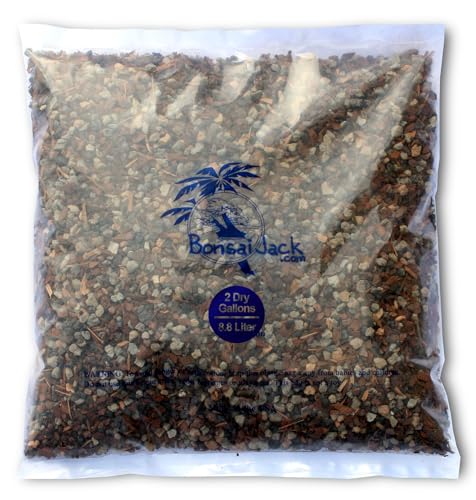
Bonsai Jack Universal Organic Bonsai Soil Mix #221
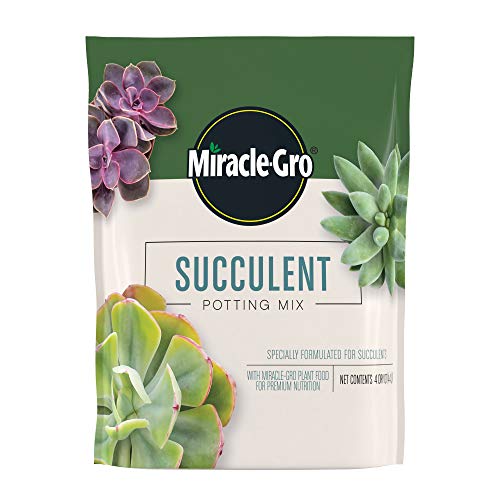
Miracle-Gro Succulent Potting Mix 4 qt

Miracle-Gro Indoor Potting Mix 6 qt 3-Pack

Legigo 15 Quarts Organic Perlite Soil Mix Amendment

Legigo 20 Quarts Organic Perlite Soil Mix Amendment

Legigo 6 Quarts Organic Perlite Soil Mix Amendment
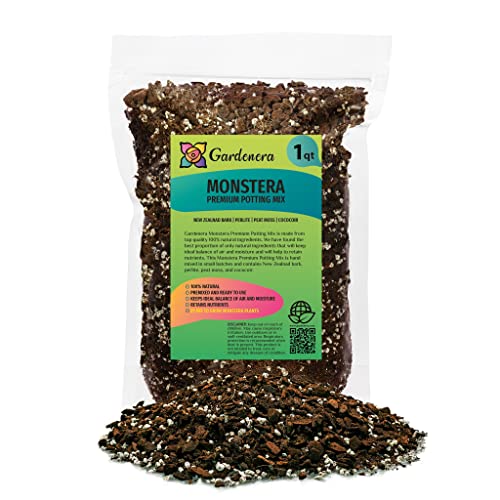
Gardenera Premium Monstera Potting Soil 1 Quart

Gardenera Professional Monstera Spray Fertilizer Mist 8oz

Gardenera Monstera Organic Superfood Spray Mist 8oz
Inside Each Recommended Option
Coarse perlite (a lightweight volcanic glass that holds air pockets in soil) is the workhorse amendment for African violet growers, and this small 4-quart bag is a tidy way to test how much grit your mix really needs. For a typical violet pot, blending one part perlite into two or three parts peat-based potting media lightens the texture dramatically without drying roots too fast. The granules look evenly screened, so you won’t dig out fist-sized chunks mid-repot.
Compared with the larger Legigo sizes further down this list, this 4-quart option is the right scale for a windowsill collection of a few plants. Houseplant growers dipping a toe into custom mixes usually find it the easiest entry point. You may find the bag empties faster than expected once you start amending multiple pots.
Useful Strengths
- Evenly sized coarse particles that resist breaking down to dust
- pH neutral (won’t shift soil acidity toward alkaline or acidic)
- Lightweight and easy to blend by hand in a small bowl
- Small bag suits growers who only repot a few plants per year
Points To Keep In Mind
- Perlite dust is fine and dry; dampen it before mixing to reduce airborne particles
- Not a complete soil on its own, so you still need a base mix to combine it with
Who It Suits Best
New violet owners who want a small perlite supply for occasional repotting.
Look Elsewhere When
You maintain a large collection, in which case the Legigo 15 Quarts Organic Perlite Soil Mix Amendment offers better value per quart.
Bonsai Jack’s screened and pre-washed blend skips the dusty rinse step most gritty mixes demand. African violets don’t need pure bonsai soil, but the coarse, fast-draining texture (a soil structure that lets water flow through quickly) makes this an outstanding base to extend with peat or coco coir. The 2-gallon size covers a decent shelf of 4-inch pots, which is plenty for a small violet collection.
Growers who treat soil as part of the craft tend to gravitate here because the particles are uniform and the reported pH sits in a comfortable 6.4 range for bloomers. For a heavy custom blending program, the per-quart cost lands higher than a basic peat-plus-perlite setup. Storage in a lidded bin helps keep the pre-washed grit free of debris.
Everyday Advantages
- Pre-washed, so it pours cleanly with minimal initial dust
- Coarse grading that supports airflow around fine violet roots
- 2-gallon size suits medium collections or several repotting rounds
Trade Offs
- Priced higher per quart than a do-it-yourself peat-and-perlite build
- Grit-heavy texture means you’ll likely want to add a moisture-retaining element like peat for violets
Quick Facts
Right Fit For
Growers who want a pre-washed, screened base to customize for African violets.
Consider Something Else When
You want a ready-to-use blend, in which case the Miracle-Gro Succulent Potting Mix needs no extra amendments.
Even though it is targeted at succulents, this 4-quart blend earns a spot on a violet shelf because of its quick-draining, low-moisture profile. The mix uses a peat-and-perlite skeleton (the foundational organic-plus-grit base in most bagged soils) with a sandy grit that lets water zip through. For African violets, you may want to add a small amount of extra peat or coco coir to bump up water retention just a touch.
Beginner growers appreciate the no-mix convenience, since the bag is ready to use straight from the package. Coverage typically fills one 8-inch container, so plan on multiple bags for a small collection. The bag tends to shed fine dust on first opening, so work over a tray.
Notable Upsides
- Pre-blended, no measuring or sifting required
- Fast-draining texture that helps prevent soggy violet crowns
- Compact 4-quart bag is easy to store in a closet or under a sink
Where It Is Less Suited
- Succulent formulas tend to dry out faster than dedicated violet blends, so monitor watering frequency
- Smaller bag than the 3-pack option below for larger collections
Built With In Mind
Growers who want a ready-to-use, well-draining base for a small violet collection.
Another Choice May Suit
Multi-plant households should consider the Miracle-Gro Indoor Potting Mix 6 qt 3-Pack for volume.
This three-bag bundle gives a household plant shelf a steady soil supply for months, with a formula blended for a variety of houseplants and built-in feeding that reportedly lasts up to six months. The texture is finer than a cactus mix, which on its own can hold a bit more moisture than violets like, so plan to lighten it with extra perlite. The care bundle format makes storage simple since each bag stays sealed until needed.
Compared with the smaller succulent bag above, this option trades specialized drainage for volume and fertilizer. For a mixed shelf of pothos, philodendrons, and a few violets, that balance tends to work in your favor. African violet purists, though, may still prefer a more grit-heavy base.
The Practical Payoff
- Three-bundle format covers many repots across a full household
- Built-in feeding reduces the number of separate products to track
- Recognized houseplant blend that works for mixed plant shelves
Honest Caveats
- Designed for general houseplants rather than violet-specific drainage
- Moisture retention runs higher than a gritty mix, so watering intervals may need adjustment
Feature Snapshot
Best Suited To
Multi-plant households who want volume and a forgiving, fed-in mix.
Swap It Out When
You keep mostly African violets, in which case the Bonsai Jack Universal Organic Bonsai Soil Mix #221 gives a better drainage profile.
The mid-tier Legigo perlite is the sweet spot for a grower who blends custom violet soil on a regular schedule. The 15-quart volume keeps up with a couple of dozen small pots a year, and the coarse grading behaves the same as the smaller sibling. Since perlite stores indefinitely when kept dry, a larger bag doesn’t go to waste even if you mix only occasionally.
This size works well for the grower who has graduated from the 4-quart starter bag. For a single windowsill of three plants, you’ll likely have perlite left over at the end of the season. A lidded storage tote keeps the rest clean and dry between uses.
Positive Takeaways
- 15-quart volume covers multiple repotting rounds
- Same even, coarse particle sizing as the smaller Legigo bags
Possible Compromises
- More than needed for a tiny collection of two or three plants
- Still requires pairing with a base mix to be a complete soil
Whose Shelf It Belongs On
Active violet growers with a moderate plant count who blend soil frequently.
Reach For A Different Pick When
You only repot a few plants each year, in which case the Legigo 4 Quarts Organic Perlite Soil Mix Amendment is plenty.
The 20-quart option exists for serious blender territory, and the per-quart value usually beats the smaller Legigo sizes. A grower with a violet collection plus a few other houseplants can stretch this across multiple species. The same coarse, even particle sizing means you don’t get a bag of powder at the bottom.
Storage is the only real consideration since 20 quarts of perlite takes up a fair bit of closet space. Transferring to a sealed bin makes it easy to scoop. For most home growers this is borderline oversized, so weigh your real annual usage before committing.
What Makes Sense
- Largest Legigo bag, which usually means the best per-quart value
- Covers a year of regular custom blending for a full plant room
- Same reliable coarse particle sizing across the product line
Small Caveats
- Bulky to store if you have limited shelf or closet space
- Overkill for a windowsill collection of just a couple of plants
Feature Snapshot
Made For
Multi-plant households that work through perlite steadily across seasons.
A Better Fit Elsewhere
Smaller collections will be served better by the Legigo 6 Quarts Organic Perlite Soil Mix Amendment.
The 6-quart Legigo bag sits between the 4-quart starter and the 15-quart workhorse, and that middle size often feels just right. You get enough perlite to repot a small violet collection without a bag of leftovers aging on the shelf. The same consistent particle grading shows up here, so mixing behavior is predictable.
For a household that occasionally blends soil for a handful of pots, this is a sensible volume. If you keep adding to your collection, you’ll likely outgrow it within a season. Dampening before pouring helps control the light dust.
What Pays Off
- Middle volume that fits casual blending routines
- Same coarse, screened consistency as the larger Legigo bags
- pH neutral, so it won’t shift the soil balance either way
A Few Limitations
- Won’t cover heavy annual blending schedules for big collections
- Dust lightens into the air when poured dry, so a quick misting helps
Perfect Match For
Casual violet growers who repot several times a year without going through bulk perlite.
Not Your Match When
You maintain a propagation shelf, in which case the Legigo 20 Quarts Organic Perlite Soil Mix Amendment is a better volume match.
Marketed for Monstera, this Gardenera blend borrows a multi-ingredient recipe that translates surprisingly well to African violets. Aged bark, coco coir (a fibrous coconut-husk medium that holds moisture while staying airy), perlite, and worm castings come together in a chunky, airy mix that resists compaction. The 1-quart bag suits growers who want to experiment with a richer blend on a couple of plants before committing to a full shelf.
Texture-focused growers tend to like that the castings add gentle fertility without aggressive salt loads. Since it’s a smaller bag, the per-quart cost is higher than the bagged staples. If the chunky profile feels too coarse, blending in a small amount of fine peat smooths it out for violet roots.
Features That Help
- Multi-ingredient mix with bark, coir, perlite, and worm castings
- Airy texture that resists compaction in small pots
- Built-in gentle fertility from worm castings
Less Ideal Details
- Smaller 1-quart size drives up the per-quart cost
- Chunkier profile may need smoothing with fine peat for very small violet pots
Feature Card
Who Will Love This
Texture-curious growers who want a richer custom base for a few special plants.
Skip It When
You want a budget bulk base, in which case the Legigo 20 Quarts Organic Perlite Soil Mix Amendment covers a year of mixing.
Soil is the foundation, but a gentle foliar feed (a liquid nutrient applied to leaves rather than roots) like this 3-1-2 NPK mist (a fertilizer ratio of 3 parts nitrogen, 1 part phosphorus, 2 parts potassium) can round out a violet feeding program. The 8-ounce spray bottle is a convenient top-up between regular watering-with-fertilizer sessions. African violet leaves don’t always love getting wet, so a light misting on the underside of foliage tends to be safer than soaking the crown.
Growers who already have a soil routine dialed in appreciate having a complementary foliar option. The 3-1-2 ratio leans nitrogen, which supports leaf growth and the deep green color violets show off between bloom cycles. Test on a single leaf first, since some varieties mark easily from foliar products.
A Few Highlights
- 3-1-2 NPK ratio that supports leaf growth and color
- Spray bottle format makes application fast and tidy
- Complements a soil-based feeding program without replacing it
Things To Weigh
- Foliar sprays can mark fuzzy violet leaves, so apply from below or with care
- Not a replacement for a complete soil-and-water feeding routine
Who Should Grab It
Growers who already have their violet soil set and want a light supplemental foliar feed.
Where Another Pick Suits Better
You’d rather feed through the root zone, in which case a diluted complete fertilizer added to your watering can is the simpler path.
The Organic Superfood mist is a different kind of foliar product, leaning on micro-fungi enrichment (beneficial microscopic fungi that can support leaf-surface biology) and a broad nutrient profile covering 18 key vitamins and minerals. The 8-ounce bottle fits a casual routine, and the spray format keeps application quick. For African violets, this is firmly in the supplemental category rather than a soil replacement.
Growers who enjoy experimenting with biological or organic-leaning products tend to enjoy this format. The mild composition means frequent light applications are the way to go, rather than heavy weekly feedings. Skip application during the brightest part of the day to avoid leaf marking on fuzzy violet foliage.
The Upside
- Micro-fungi enriched formula for biological-leaning growers
- Broad nutrient profile covers multiple minor elements in one bottle
- Spray format keeps application simple for a small shelf
Where It May Fall Short
- Not a stand-alone feeding solution for hungry blooming violets
- Foliar contact can mark fuzzy leaves, so application technique matters
Feature Card
The Right Fit
Curious growers who want a specialty foliar product to round out an established soil routine.
Where A Sibling Pick Shines
You’d rather keep feeding straightforward, in which case the Gardenera Professional Monstera Spray Fertilizer Mist 8oz is a simpler basic option.
What Matters Most Before Choosing Soils For African Violets
Drainage and Aeration
African violet roots sit close to the surface, so compacted or soggy soil suffocates them fast. Look for mixes with a visible grit component like perlite, pumice, or coarse sand, since dense peat alone stays too wet for long. The texture should feel crumbly in the hand and drain freely when you run water through it. For most growers, one part perlite to two or three parts peat-based base hits the right balance.
pH and Water Retention
African violets like a slightly acidic environment, with most growers aiming somewhere in the 6.0 to 6.8 range. A bag that lists its target pH (the Bonsai Jack mix on this list states 6.4) takes some of the guesswork out. Watch for mixes that retain a lot of moisture on their own, since staying damp between waterings is a fast track to crown rot.
Particle Size and Texture
Finer mixes settle into a tight mass, while chunkier blends keep air pockets around the roots. For small 3- to 4-inch pots, a medium grind tends to work best since very coarse particles leave roots without enough contact. Checking the bag for a screened or graded description gives a sense of consistency before you open it.
Long-Term Maintenance
Most African violet mixes break down over a year or so, especially with frequent watering. Repotting every 12 to 18 months keeps the texture fresh and prevents salt buildup (a residue of minerals and fertilizer salts that accumulates on soil and pot walls). A pre-built routine plus a bag of perlite on hand makes each refresh a quick job rather than a project.
Key Considerations Across These Picks
Mistakes Worth Dodging
Reaching for a generic garden soil is the most common trap, since outdoor soil compacts badly and often carries pathogens. Another slip is using a mix with no grit component, which leaves roots sitting in moisture after every watering. Always check the bag for visible perlite, pumice, or sand before you commit.
Where The Extra Money Goes
Pre-washed, screened blends like Bonsai Jack cost more because the dusty fines have already been removed and the particles are sorted by size. Specialty mixes with bark, coir, and worm castings add gentle fertility without forcing you to mix multiple bags. For a single windowsill collection, that convenience rarely justifies the higher per-quart price, but for a full plant room it adds up to less fussing.
Frequently Asked Questions
Can I use regular potting soil for African violets?
Most generic indoor mixes hold too much moisture for African violets, and they tend to compact around fine roots. Blending in extra perlite at roughly one part perlite to three parts base mix usually makes them workable. Specialty violet or bonsai blends save that step.
How often should I repot my African violet?
Twice a year is a common rhythm for actively blooming plants, since the soil texture degrades and salts accumulate over time. Light pruning of the root ball at the same time keeps the plant vigorous.
Is perlite safe to use on indoor plants?
Yes, perlite is a sterile volcanic glass that doesn’t break down or alter pH in the mix. Dampen it lightly before stirring to cut down on airborne dust during blending.
Do African violets need fertilizer in the soil?
They appreciate steady, light feeding more than heavy doses, and many growers dilute a complete fertilizer into every watering. Pre-fed soils like the Miracle-Gro Indoor Potting Mix reduce that step for the first few months.
Can I mix different soils together for a custom blend?
Absolutely, and many violet growers build their own signature mix. A common starting recipe is two parts peat-based base, one part perlite, and a small handful of worm castings for gentle fertility.
Wrap Up
African violets reward growers who treat their soil as a deliberate choice rather than an afterthought. A well-draining, slightly acidic base with steady feeding keeps the leaves firm and the blooms coming back. Browse the picks above, start with the volume that matches your collection, and adjust the blend as you learn what your particular plants prefer.
