

Amaryllis bulbs rot fast when their roots sit in dense, waterlogged potting media. The trick is balancing organic matter with enough grit that excess moisture drains away after each watering. Most off-the-shelf mixes are built for general foliage plants, not fat dormant bulbs pushing out heavy bloom stalks. Walk into any garden center and the wall of bags all starts to look the same, yet the texture, particle size, and drainage behavior vary wildly.
This roundup focuses on what an amaryllis actually needs at the root zone: structure, air pockets, and enough organic nutrition to fuel one or two bloom cycles. You’ll find perlite amendments, bark-based orchid blends, and finished houseplant mixes that translate well to bulb culture. Each pick here has a clear reason to make the list, and the gaps where it falls short.
The Choices Worth Comparing

JayJayup Perlite for Plants 4 Quarts
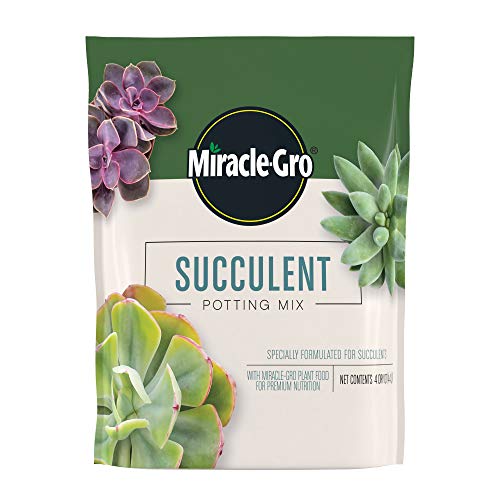
Miracle-Gro Succulent Potting Mix 4 qt.
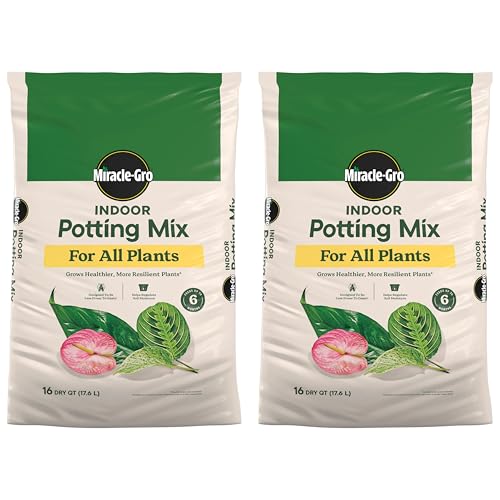
Miracle-Gro Indoor Potting Mix 16 qt. 2-Pack

Miracle-Gro Cactus, Palm & Citrus Mix 8 qt.

Organic Plant Magic Compressed Potting Soil

Biotolot Chunky Perlite 3 Quarts
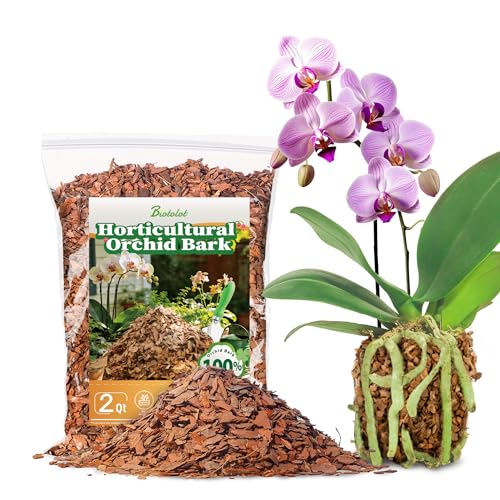
Biotolot Orchid Bark 2qt Horticultural Grade

Miracle-Gro Potting Mix 16 qt.

rePotme Bromeliad and Jewel Classic Mix Mini Bag

Biotolot Bonsai Soil 2QT Organic Mix
Perlite is the secret ingredient in most successful amaryllis mixes, and JayJayup’s 4-quart bag is essentially pure mineral perlite at a 3–6mm particle size. Unlike the finished potting soils further down this list, this isn’t a standalone medium. It’s an amendment you stir into denser blends to open up air channels around the bulb plate.
For amaryllis growers with a heavy bag of peat-based mix sitting in the garage, this is the fix. The granules hold their shape under pressure, so root channels stay open for months. Anyone forcing bulbs in decorative outer pots without drainage holes will find perlite especially useful as a buffer layer at the bottom.
What Earns Its Place
- 3–6mm particle size creates durable air pockets that resist compaction over a full growing cycle
- Pure, impurity-free white granules mix cleanly into peat or coir without altering pH
- Lightweight bag is easy to carry and pour, even for one-handed indoor potting sessions
- Four-quart volume is enough to amend two or three standard 6-inch amaryllis pots
Things To Consider
- Not a complete medium on its own; you still need an organic base like peat or coir to feed the bulb
- Dust at the bottom of the bag tends to settle, so a quick rinse before use helps keep mix texture uniform
At A Glance
Who It Suits Best
Growers who already own a base mix and need to improve drainage for amaryllis bulbs in standard pots.
Consider Something Else When
Pick Miracle-Gro Succulent Potting Mix instead if you’d rather skip the mixing step and grab a ready-to-use blend.
Succulent mixes are an underrated shortcut for amaryllis forcing. The blend is engineered for plants that hate wet feet, which describes amaryllis perfectly between waterings. A single 4-quart bag fills roughly one 8-inch container, so it’s sized for a single bulb setup on a windowsill.
The texture is noticeably grittier than all-purpose indoor mixes, and the sphagnum peat base holds just enough moisture for the bulb to push roots without suffocating them. For first-time amaryllis growers, this removes most of the guesswork around drainage.
Where It Excels
- Fast-draining texture mirrors what amaryllis bulbs need during their active growing phase
- Convenient 4-quart bag fits a standard amaryllis bulb pot without leftover bag clutter
- Peat-based formula stays light, so repotting or shifting the pot mid-season stays easy
Worth Noting
- Smaller bag means you may run short for multiple bulbs or yearly repotting cycles
- Surface can crust slightly between waterings, so a gentle scratch of the top layer keeps moisture moving
Made For
Beginners forcing a single amaryllis bulb indoors who want a ready-made mix without extra amendments.
Look Elsewhere When
Pick the Miracle-Gro Indoor Potting Mix 16 qt. 2-Pack for households tending several houseplants alongside amaryllis bulbs.
This 32-quart total indoor blend from Miracle-Gro covers a lot of ground for households juggling multiple houseplants. The mix combines sphagnum peat moss, coir, and perlite in a balanced ratio that holds moisture without becoming soggy. For amaryllis, that translates to a forgiving medium that won’t punish the occasional over-waterer.
Compared to the pure perlite amendment above, this is a true standalone mix. You can pot directly into it without combining other ingredients. The two-pack format also means you won’t run out mid-season, which matters if you’re repotting several bulbs or refreshing pots after the dormant period.
Features That Help
- Balanced peat, coir, and perlite blend supports amaryllis bulbs through both leaf and bloom stages
- Two-bundle packaging gives a long supply for multiple containers or successive repottings
- Lightweight texture reduces pot weight, which helps for window displays or hanging planters
Trade Offs
- Drains a touch slower than cactus or succulent mixes, so careful watering matters for dormant bulbs
- Bulk bags take up storage space in small apartments or shared closets
Key Specs
Right Fit For
Multi-plant households who want one bag that handles amaryllis and a range of common houseplants alike.
Not Your Match When
Pick Miracle-Gro Cactus, Palm & Citrus Mix for amaryllis in outdoor containers where sharper drainage is essential.
Cactus, palm, and citrus mixes may seem like an odd match for amaryllis, yet the fast-draining formula suits bulbs in outdoor containers where rain can saturate the soil. The 8-quart bag combines forest products, sphagnum peat moss, sand, and perlite into a coarse blend that sheds water quickly.
Compared to the indoor mix above, this one runs grittier and drains faster. For gardeners in wet climates or anyone leaving amaryllis pots outside on a covered patio, that sharper texture helps prevent the rot that kills dormant bulbs.
What Makes Sense
- Fast-draining formula sheds excess water after storms or accidental overwatering
- Coarse sand and perlite content creates durable structure for thick amaryllis roots
- Eight-quart bag covers one large container or two medium bulbs comfortably
Points To Note
- Includes added plant food, which can be too rich for dormant bulbs if not flushed occasionally
- Heavier than all-peat mixes due to sand content, so large patio pots get cumbersome to move
Best Suited To
Growers in rainy climates or anyone placing amaryllis pots on outdoor patios and porches.
Swap It Out When
Pick the Organic Plant Magic Compressed Potting Soil for anyone needing a lighter, more compact bag to store in small spaces.
Compressed soil has a practical magic to it: a brick-sized block expands to roughly three gallons once you add water. For apartment dwellers without a garage or shed, this format solves the storage problem that standard bulky bags create. The base is coconut coir with worm castings, both gentle on bulb roots.
The worm casting content gives amaryllis bulbs a slow, steady nutrient supply during the leaf-building phase that follows flowering. Compared to the Miracle-Gro Indoor Mix above, this one arrives drier and lighter, which helps during the dormant period when bulbs prefer less moisture.
The Upside
- Compressed format fits a closet shelf, unlike the bulky 16-quart bags from other picks
- Coir and worm castings feed bulbs organically through leaf development
- Resealable bag keeps unused mix fresh between repotting sessions
A Few Limitations
- Coir retains water longer than peat, so water carefully to avoid soggy conditions around the bulb plate
- Expanding the brick takes planning, since you need a separate container and water on hand before potting
Who Will Love This
Apartment growers short on storage who still want an organic, peat-free option for amaryllis bulbs.
Where Another Pick Suits Better
Pick the Miracle-Gro Succulent Potting Mix for gardeners who’d rather skip the hydration step and pour directly into the pot.
Biotolot’s chunky perlite comes in a 1/4-inch particle size, noticeably coarser than the JayJayup perlite that opened this list. The larger grade matters when you’re amending dense, peat-heavy blends that would otherwise swallow finer particles. For amaryllis in deep nursery pots, the bigger chunks maintain airspace deeper in the container.
The particles resist crushing, so the structure holds up through repeated waterings. Anyone who has repotted amaryllis and found soggy, collapsed soil at the bottom of the pot knows how much that stability matters for the dormant phase.
Useful Touches
- 1/4-inch particle size creates longer-lasting air pockets deep in tall amaryllis pots
- pH-neutral composition won’t interfere with bulb nutrient uptake
- Crush-resistant structure holds shape through months of watering cycles
Room For Improvement
- Three-quart bag is smaller than competing perlite options, so larger gardens may need multiple bags
- Chunky texture can shift to the surface during heavy watering, so top-dressing with finer mix helps
Perfect Match For
Growers repotting amaryllis into deep containers where standard perlite would settle and compact.
Reach For A Different Pick When
Pick the Biotolot Orchid Bark for amaryllis growers wanting bark-based aeration instead of mineral amendment.
Pine bark is a familiar ingredient in orchid mixes, and the same properties that make orchids thrive translate directly to amaryllis bulbs. The 1/2-inch screened pieces have natural voids that let air circulate around thick roots. For amaryllis, the bark also breaks down slowly, so the structure holds across multiple seasons.
Unlike the perlite amendments above, this is organic matter that eventually contributes to soil composition as it decomposes. The natural red bark comes free of dyes or impurities, which matters for edible gardeners or anyone avoiding treated materials around flowering plants.
Strong Points
- 1/2-inch bark pieces create durable air pockets that resist collapse over time
- Natural, untreated bark adds slow organic content as it decomposes between repottings
- Two-quart bag pairs well with perlite for a complete coarse amaryllis blend
Honest Caveats
- Bark dries faster than peat, so watering frequency increases during active growth
- Larger pieces can be hard to work with in shallow bulb pots under six inches deep
Whose Shelf It Belongs On
Amaryllis growers who want an organic, slow-decomposing aeration amendment for deeper bulb containers.
A Better Fit Elsewhere
Pick the Miracle-Gro Potting Mix 16 qt. for growers who’d rather skip the mixing step and pot directly into a finished medium.
The classic Miracle-Gro Potting Mix in the 16-quart size is a familiar choice for container gardeners. Slow-release fertilizer feeds plants for up to six months, which lines up well with an amaryllis growing cycle from forcing through leaf maturation. For outdoor containers on a sunny patio, the moisture-retention properties support thick bloom stalks without daily watering.
Where this mix differs from the cactus blend earlier is its richer nutrient profile and water-holding capacity. That makes it friendlier for amaryllis during active growth but less forgiving during the dry rest period. Gardeners in dry climates may actually prefer this richer mix.
Advantages To Know
- Slow-release fertilizer feeds amaryllis through leaf and bloom stages without constant supplementation
- Sixteen-quart bag covers one large bulb pot or several smaller forcing containers
- Reliable moisture retention suits dry climates where pots dry out fast
Trade-Offs To Consider
- Holds more moisture than cactus or succulent mixes, so caution matters during dormant months
- Added fertilizer can accumulate in containers left outside in rainy seasons
Built With In Mind
Container displays on sunny patios in drier regions where amaryllis pots need steady moisture and nutrition.
Not Your Match When
Pick the Miracle-Gro Cactus, Palm & Citrus Mix for amaryllis in wetter climates or unglazed terracotta pots that dry fast.
rePotme makes small-batch houseplant blends, and the Bromeliad and Jewel Classic Mix is one of their most adaptable recipes. The mini bag holds about two quarts, which is exactly what one or two amaryllis bulbs need for forcing. The mix drains freely while still holding onto the moisture amaryllis roots need between waterings.
Compared to the larger Miracle-Gro bags earlier, this is a specialty blend aimed at growers willing to pay a bit more for a tuned recipe. For anyone struggling to keep amaryllis alive in standard potting soil, the extra precision here may be worth the trade.
The Practical Payoff
- Houseplant-tuned blend is formulated for tropical species with similar root needs to amaryllis
- Two-quart mini bag suits single-bulb growers who don’t need bulk supply
- Free-draining texture prevents the rot issues common in standard potting soil
Practical Considerations
- Smaller bag costs more per quart than the larger Miracle-Gro options
- Specialty blends can vary slightly between batches due to small-scale production
Who Should Grab It
Single-bulb growers who’ve struggled with rot in generic potting soil and want a tuned houseplant formula.
Where A Sibling Pick Shines
Pick the Miracle-Gro Indoor Potting Mix 16 qt. 2-Pack for households that want better value on a larger supply.
Bonsai soil and amaryllis soil share a surprising amount in common: both need sharp drainage, stable structure, and components that don’t break down quickly. Biotolot’s 2-quart bonsai mix blends bark, black and red volcanic rock, green zeolite, and perlite into a coarse, ready-to-use medium that drains fast and resists compaction.
The volcanic rock content is the real story. Black and red lava rock creates permanent pore spaces that peat-based mixes simply can’t match. For amaryllis growers planning to leave bulbs in the same pot across multiple seasons, that stability pays off when the soil still looks fresh at the end of year two.
Positive Points
- Volcanic rock and zeolite create a near-permanent structure that resists compaction across seasons
- Coarse texture drains fast, suiting amaryllis growers in humid or wet regions
- All-natural ingredients avoid the synthetic wetting agents found in some bagged mixes
Soft Spots
- Bonsai mixes hold less nutrition than peat-based blends, so supplemental feeding during leaf growth is necessary
- Rock-heavy texture makes pots heavier to move, which matters on balcony displays
Feature Snapshot
The Right Fit
Long-term amaryllis growers who repot infrequently and want a soil structure that holds up across seasons.
Skip It When
Pick the Miracle-Gro Potting Mix 16 qt. for anyone wanting built-in fertilizer and a lighter pot weight.
What Matters Most When Picking Soil For Amaryllis Bulbs
Drainage Comes Before Everything Else
Amaryllis bulbs come from regions with dry dormant seasons, and their bulbs evolved to handle brief dry spells far better than prolonged wet ones. The single biggest reason amaryllis fail in pots is rot at the base plate, and that almost always traces back to soil that stays soggy too long. Any mix you choose should let excess water run through within a few seconds of watering, not hold it like a sponge.
Look for blends that include perlite, coarse sand, pine bark, or volcanic rock in the ingredient list. Peat-heavy indoor mixes can work, but they need perlite blended in to open up the structure. For outdoor containers or unglazed pots that dry fast, a cactus or succulent blend often outperforms a standard houseplant mix.
Match Texture To Your Container And Climate
The same mix behaves differently in a plastic nursery pot versus a porous terra cotta pot, and that difference matters more than most gardeners realize. Plastic retains moisture longer, so a coarser mix works better there. Terra cotta breathes, which means even moisture-retentive blends dry out faster than expected.
Climate shifts the balance too. Hot, dry indoor air calls for mixes that hold moisture, while humid summer patios favor sharp-draining blends. Choosing a soil texture that matches your specific environment prevents the most common watering mistakes.
Nutrient Levels Vary Widely Between Mixes
Some of the bags on this list include slow-release fertilizer, while others are nearly inert mineral or bark blends with no nutrition at all. Amaryllis bulbs store energy in their scales, so they don’t need heavy feeding during forcing. Once the bulb breaks dormancy and starts pushing leaves, however, light feeding supports the growth that fuels next year’s bloom.
For organic-focused growers, worm castings and coconut coir offer slow, gentle nutrition. For conventional gardeners, slow-release synthetic fertilizer built into the mix handles feeding for several months. Neither approach is wrong, but it’s worth knowing which one your bag contains so you can plan supplemental feeding accordingly.
Bulb Size And Pot Depth Shape The Decision
A standard amaryllis bulb needs about two inches of space between the bulb and the pot wall, with the top third of the bulb sitting above the soil line. That shallow planting means the soil volume in the pot is smaller than it appears, and drainage at the bottom of the pot matters more than drainage at the top. Deep nursery pots need chunkier perlite or bark to keep the lower soil from compacting under the bulb’s weight.
Smaller bulbs in shallow forcing vases barely need any soil at all, since the bulb itself is the main growing structure. For forcing in glass containers with pebbles and water, soil choice becomes irrelevant, and you’re really just anchoring roots in a decorative medium.
Key Considerations Across These Picks
Common Shopping Slip Ups
Most first-time amaryllis growers reach for the cheapest all-purpose potting soil on the shelf, then wonder why their bulb rotted. The mistake is treating amaryllis like a typical foliage houseplant when its bulb actually needs drier conditions between waterings. Another trap is grabbing a moisture-retentive mix for outdoor containers in rainy climates, where the pot never fully dries out.
What The Higher Tier Buys
Specialty blends like the rePotme mix and bonsai soil command higher prices because they’re formulated in smaller batches with carefully selected particle sizes. The upgrade pays off when you’ve already lost a bulb or two to rot and want a more forgiving medium. For a single bulb or a small collection, the extra cost is minor compared to replacing a failed bulb every season.
Frequently Asked Questions
Can I use regular potting soil for amaryllis?
You can, but you’ll get better results mixing in perlite or coarse sand to improve drainage. Plain potting soil stays too wet around the bulb plate for reliable forcing, especially in plastic pots without ample airflow.
How often should I repot amaryllis bulbs?
Repotting every two to three years is plenty for amaryllis, since the bulbs actually bloom better when slightly crowded. Refresh the top inch or two of soil annually if the pot is otherwise in good shape.
Do amaryllis bulbs need fertilizer in their soil?
During the forcing and bloom period, bulbs rely mostly on stored energy. Once leaves emerge after flowering, light feeding every few weeks supports the growth that fuels next year’s bloom cycle.
What’s the best pot size for amaryllis?
Choose a pot that leaves about two inches between the bulb and the rim. Amaryllis prefers being slightly root-bound, so a too-large pot holds excess moisture and increases rot risk.
Can I leave amaryllis in the same soil year-round?
You can, but refreshing the soil every couple of seasons prevents compaction and salt buildup. Soils with peat or compost break down over time, while volcanic or bark-based blends hold their texture longer.
Closing Thoughts
The right soil for amaryllis comes down to texture and drainage more than any single ingredient. Perlite amendments, bark blends, and finished cactus mixes all work because they keep air circulating around the bulb plate. Match the mix to your container and climate, and most amaryllis bulbs will reward you with reliable bloom cycles for years.
