

Aloe vera rewards a light hand with water and a gritty, free-draining medium. Pick the wrong soil and the roots sit in moisture too long, which invites rot and turns those plump leaves soft and translucent. The right mix keeps water moving through the pot fast while still giving roots something to anchor into, so the plant stays upright and the foliage stays firm.
Most general potting mixes hold too much moisture on their own, which is why purpose-built succulent blends, fast-draining cactus mixes, or amended organic soils with perlite and sand work better. Container choice matters just as much; a pot with a drainage hole is non-negotiable. The ten options below cover a range of budgets, bag sizes, and ingredient philosophies, from lean cactus formulas to richer organic blends with earthworm castings and kelp.
The Shortlist At A Glance

FoxFarm Ocean Forest Potting Soil 1.5 cu ft

Hoffman 10410 Cactus and Succulent Mix 10 Quarts

FoxFarm Ocean Forest 12 Quart 2-Pack with Tags

FoxFarm Ocean Forest Potting Soil 12 Quart

FoxFarm Ocean Forest 2×12 Quart Value Pack

Miracle-Gro Potting Mix 8 qt 2-Pack

Whitney Farms Organic Potting Soil 16 qt
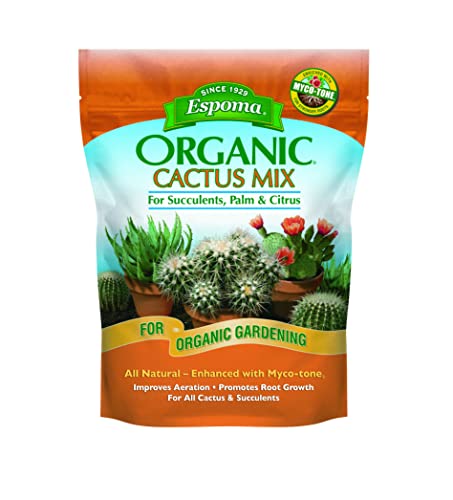
Espoma Organic Cactus Mix 4 qt

Leaves and Soul Aloe Mix 2.2 qt 2-Pack

Espoma Organic African Violet Mix 4 qt
Meet The Standout Selections
For a household where aloe shares shelf space with herbs, tropicals, and leafy houseplants, the 1.5 cubic foot FoxFarm Ocean Forest bag covers a lot of repotting in one purchase. The blend leans on earthworm castings, fish meal, and crab meal to build a nutrient base, which makes it a stronger all-purpose pick than the leaner cactus mixes that follow on this list.
That richness is the trade-off: aloe wants less organic matter than tropical foliage plants do, so most growers cut this soil with extra perlite or pumice before potting. In our view, it’s the right call for someone who wants one bag for many plants and accepts that bit of extra prep for the aloe itself.
Features That Help
- Large 1.5 cubic foot volume handles many repots or several large containers
- Blend includes earthworm castings, fish meal, and crab meal for slow nutrient release
- Light, aerated texture gives roots room to breathe once watered
- Ready to use straight from the bag with no mixing required
Things To Consider
- Richer organic profile holds more moisture than a pure cactus mix
- You’ll likely want to add perlite to dial in drainage for aloe
- Bulk size is awkward for apartments with limited storage
Key Specs
Who It Suits Best
Plant owners with mixed collections who want one bag to cover most containers and don’t mind amending the soil with extra perlite for aloe.
Consider Something Else When
The Hoffman 10410 Cactus and Succulent Mix is a better match for growers who want a pre-blended, fast-draining medium with no extra amending step.
Hoffman 10410 lands on this list as the straightforward, no-frills option for first-time aloe owners. The formulation targets cactus and succulent root systems specifically, so it skips the rich organic matter that often overwhelms aloe in a general potting soil. That focus is exactly what beginners tend to need.
The blend loosens clay-heavy soils and resists caking, which matters in deeper pots where compaction can choke roots over time. For most backyards of indoor plant shelves, the 10-quart size is a comfortable starter amount without leaving a half-used bag sitting in a closet for months.
Where It Excels
- Pre-formulated for low-water plants, so no perlite mixing needed
- Improves drainage and aeration in heavy or compacted soils
- 10-quart bag suits small starter collections without waste
- Available in an 18-quart size for larger collections
Worth Noting
- Light on nutrients, so you’ll need to supplement during active growth
- Smaller bag sizes can run out fast on bigger repotting jobs
Made For
Beginners who want a ready-to-use cactus mix that takes the guesswork out of blending their own drainage amendments.
Skip It When
The Espoma Organic Cactus Mix is the better pick for households leaning toward organic ingredients with yucca extract for moisture balance.
This 12-quart 2-pack is the same FoxFarm Ocean Forest blend as the larger 1.5 cubic foot bag, just split into two more manageable sizes with reusable plant tags. For a small apartment shelf or a single windowsill, that smaller footprint often matters more than the per-quart price tag.
The included tags are useful for anyone tracking aloe pups, propagating offsets, or just remembering which plant got repotted when. The blend itself sits between the leaner Hoffman cactus mix and the richest organic soils on this list, so aloe still benefits from a perlite boost.
Reasons It Performs
- Two 12-quart bags handle a small indoor collection without waste
- Plant tags help label varieties and track repotting dates
- pH adjusted near neutral for steady fertilizer uptake
- Compatible with a wide range of container plants beyond aloe
Points To Note
- Organic content still runs higher than a true cactus mix
- Two bags take up more shelf space than a single compressed bag
Right Fit For
Small-space growers who want the FoxFarm blend in a manageable size and appreciate the included plant tags for organizing their collection.
Look Elsewhere When
The Hoffman 10410 Cactus and Succulent Mix is a smarter choice for anyone who wants a pre-formulated, leaner medium with no perlite amendments needed.
The single 12-quart bag is the friendliest entry point into the FoxFarm lineup. It’s built from aged forest products, sandy loam, and sphagnum peat moss, which together create a forgiving texture for new plant owners still learning how often to water. Compared with the 2-pack reviewed above, this version trims down to one bag for tighter storage.
Aloe still wants more grit than this blend provides on its own, so expect to add perlite or coarse sand. For someone with one or two small aloe plants on a desk, though, a single 12-quart bag usually outlasts the first year of growth.
Real Benefits
- Ready to use straight from the bag with no mixing or sifting
- Light texture helps new roots establish without compaction
- Single 12-quart bag suits one or two small aloe plants
- Works for seedlings, houseplants, and herb pots alike
Trade Offs
- Holds more moisture than dedicated cactus blends
- Needs extra perlite for aloe to dry at the right pace
Feature Snapshot
Best Suited To
First-time succulent owners who want a forgiving, ready-to-use blend for a small aloe or two and are willing to add perlite to fine-tune drainage.
Reach For A Different Pick When
The Espoma Organic Cactus Mix is the cleaner option if you’d rather skip the amending step and use a blend already tuned for succulents.
The 2-pack of 12-quart bags is the value play for households with several aloe plants or a wider mix of succulents and herbs. Two bags give you backup soil for future repots without restocking for a while, and unopened bags keep reasonably well in a dry corner.
As with the single 12-quart bag reviewed earlier, the blend leans toward moisture retention, so amending with extra perlite is the practical move for aloe. If your collection stretches across multiple pots and you already trust the FoxFarm recipe, this is the size that rewards a bit of planning.
Everyday Wins
- Two bags cover multiple repots over a longer stretch of time
- Same FoxFarm recipe trusted for seedlings and houseplants
- Light texture is forgiving for less experienced growers
Small Caveats
- Same moisture-holding tendency as other FoxFarm blends
- Heavier to ship and store than the single 12-quart option
Who Should Grab It
Multi-plant households that rotate through several repots a year and want a familiar, forgiving blend with extra perlite added for aloe.
Swap It Out When
The Leaves and Soul Aloe Mix is a better fit if your entire collection is aloe and you’d rather use a blend pre-tuned for that plant.
Miracle-Gro Potting Mix is the soil most beginners already recognize from the garden center aisle, and the 8-quart 2-pack is sized for a small houseplant shelf. The formulation includes a starter fertilizer charge that feeds plants for several months after potting, which is genuinely useful when you don’t want to remember a fertilizing schedule.
Aloe is the weak spot here. This mix holds water more like a tropical houseplant blend than a cactus mix, and the built-in fertilizer can be too rich for a succulent that prefers leaner conditions. For most kitchens and living rooms with leafy plants, it’s a steady choice, but aloe needs extra perlite.
The Practical Payoff
- Feeds container plants for several months after potting
- Works for flowers, vegetables, herbs, and shrubs alike
- Two 8-quart bags suit a small indoor shelf
- Easy to find in stores if you run out mid-project
Honest Caveats
- Built-in fertilizer can overwhelm aloe over time
- Holds more moisture than a true cactus or succulent mix
Built With In Mind
Houseplant-only households that want a familiar, fertilized blend and are willing to amend it heavily with perlite for aloe.
A Better Fit Elsewhere
The Hoffman 10410 Cactus and Succulent Mix is the stronger match for anyone growing aloe as the primary indoor plant.
Whitney Farms takes a clear organic-leaning route, blending natural fertilizers like kelp and alfalfa meal into a 16-quart bag sized for serious indoor or patio use. That’s a meaningful upgrade for anyone who specifically wants organic inputs in their potting mix.
For aloe, the trade-off is similar to other organic-rich blends on this list: the natural nutrient load is on the heavier side, and drainage benefits from a generous perlite amendment. For mixed herb and flower containers, though, this is one of the more thoughtful organic blends available.
Positive Points
- Organic ingredients with kelp and alfalfa meal for slow feeding
- 16-quart bag covers several medium containers
- Suitable for both indoor and outdoor container gardening
Where It May Fall Short
- Heavier organic profile than a true cactus blend
- Best with added perlite for aloe and other succulents
Whose Shelf It Belongs On
Organic-leaning gardeners who want natural fertilizers built into the mix and are comfortable amending for succulents.
Not Your Match When
The Espoma Organic Cactus Mix is the cleaner organic option if your goal is a succulent-tuned blend that needs less amendment.
Espoma’s Cactus Mix is the most directly targeted option on this list for aloe and similar succulents. The label calls out Jade Plants, Burro’s Tails, Aloe Vera, and Christmas Cactus specifically, which tells you the texture is calibrated for low-water plants rather than general containers.
At 4 quarts, the bag is small enough to store under a sink or on a closet shelf, but large enough for two or three small aloe repots. It works indoors or outdoors, and yucca extract helps with moisture distribution without making the mix heavy.
Practical Advantages
- Labeled for aloe and other named succulents
- Organic blend with yucca extract for moisture handling
- 4-quart size suits a small indoor succulent shelf
- Works equally well for indoor and outdoor containers
Things To Weigh
- Smaller bag means more frequent repurchasing for larger collections
- Drains fast, so watering may need closer attention
Perfect Match For
Pure aloe or cactus households that want an organic blend tailored to succulents and aren’t managing a wide range of plant types.
Another Choice May Suit
The FoxFarm Ocean Forest 12 Quart bag is the right call for households mixing succulents with herbs and tropicals in the same soil.
Leaves and Soul makes a blend specifically engineered around aloe vera, with pine bark, peat, and coarse sand as the three working ingredients. That’s a thoughtful trio: pine bark gives structure and slowly breaks down, peat adds some moisture buffering, and coarse sand keeps water moving fast through the root zone.
At 2.2 quarts per bag and sold as a 2-pack, this is the smallest volume on the list, which makes it ideal for a single dedicated aloe grower rather than a sprawling collection. It’s also the only blend on this list that names aloe vera on the front of the bag.
Advantages To Know
- Formulated around aloe vera rather than general succulents
- Pine bark, peat, and coarse sand trio balances structure and drainage
- Fast-draining blend reduces overwatering risk for aloe
- Ready to use with no amending required
Practical Considerations
- Small 2.2-quart bags run out quickly on multiple repots
- Limited appeal if you grow other plant types alongside aloe
Who Will Love This
Dedicated aloe households with one or two plants who want a blend specifically tuned for that species rather than a general cactus mix.
Where A Sibling Pick Shines
The Espoma Organic Cactus Mix is the better alternative if you’d like an organic blend with broader succulent coverage from a longer-established brand.
Espoma’s African Violet Mix closes out the list as a wildcard option. It’s labeled for African violets and indoor flowering houseplants, but the ingredient profile, sphagnum peat moss, humus, perlite, and yucca extract, shares a lot of DNA with a succulent-friendly blend once you lean into the perlite.
If your indoor shelf holds both aloe and a flowering plant or two, this bag covers both without buying two separate products. Aloe still benefits from extra perlite, and you may find the moisture level sits on the higher side without it.
Everyday Advantages
- Organic blend with sphagnum peat moss, humus, perlite, and yucca extract
- Doubles as a flowering-houseplant mix on the same shelf
- 4-quart size fits under most sinks or on a closet shelf
Potential Drawbacks
- Moisture profile leans toward flowering plants rather than succulents
- Aloe repots still want extra perlite added for best results
Whose Shelf It Belongs On
Multi-plant households pairing aloe with flowering houseplants who want one organic bag to cover both, with light perlite amendment for the succulent.
A Better Fit Elsewhere
The Espoma Organic Cactus Mix is the closer match if your goal is a blend already tuned for aloe and other succulents.
What To Weigh Before Choosing A Potting Mix
Drainage is the single most important attribute for aloe soil, because the plant stores water in its leaves and hates sitting in moisture. A free-draining mix lets water pass through quickly and lets air back into the root zone, which prevents rot in the lower stem.
Particle size matters as much as ingredient list. Coarse sand, perlite (a lightweight volcanic glass that aerates soil), pumice, and pine bark all create the gaps between soil particles that aloe roots need. Fine, peat-heavy mixes without these additions tend to compact over time and hold too much water near the base of the plant.
Organic content is the balancing act. Aloe thrives on lean feeding and can scorch when fertilizer salts build up in a small pot, so blends with built-in fertilizer need monitoring. Organic amendments like earthworm castings, kelp, and alfalfa meal are gentler but still call for restraint on aloe.
Pot pairing is the final piece. Even the best soil fails if the pot has no drainage hole, because excess water has nowhere to go. Terracotta breathes and helps moisture evaporate through the sides, which suits aloe better than plastic or glazed ceramic.
Matching The Mix To Your Aloe Setup
A single small aloe on a desk has very different needs from a windowsill full of mixed succulents. For one plant, a small specialty bag like the Leaves and Soul Aloe Mix or the Espoma Organic Cactus Mix keeps things simple. For a multi-plant shelf, a larger bag of FoxFarm Ocean Forest with a jar of perlite on hand tends to be the most flexible choice.
Reading Soil Bags Like A Reviewer
The ingredient list tells you whether the mix is built for moisture retention or quick drainage. Look for perlite, pumice, sand, or bark listed high in the blend. Avoid anything that leads with water-retaining polymers or thick layers of peat for aloe, since those features matter more for tropical foliage plants.
Deciding Whether To Amend
Pre-mixed cactus and succulent blends don’t always need amending. General potting soils almost always do, and the difference between a struggling aloe and a thriving one often comes down to a 30 to 50 percent perlite boost. The honest read is that adding perlite is cheap insurance whenever you’re not sure about a blend.
Common Pitfalls And Where The Upgrade Pays Off
Mistakes Worth Dodging
The most common slip is grabbing a general potting mix and assuming it’ll work for aloe. It usually doesn’t, because those mixes hold water the way tropical houseplants like, which is the opposite of what aloe wants. Another trap is treating all “cactus and succulent” mixes as interchangeable, when their drainage levels and organic loads vary widely between brands.
Where The Extra Money Goes
Higher-tier succulent blends typically spend the premium on larger particle sizes, more mineral content, and stricter quality control on ingredients. That translates into fewer fine particles that compact over time and more consistent drainage across the bag. For a single aloe, the upgrade is hard to justify. For a shelf of plants, the consistency is worth it.
