

Picking the wrong potting mix is the fastest way to lose a basil plant. Basil wants a loose, well-drained medium that still holds enough moisture for steady growth, and ordinary garden soil rarely gives it that balance. Whether you keep a single pot on the kitchen windowsill or run a small herb garden on the patio, the right starting medium shapes everything that follows. Below is a focused shortlist of ten potting soils, from budget-friendly basics to organic blends built for herbs and edibles.
The Leading Options At A Glance
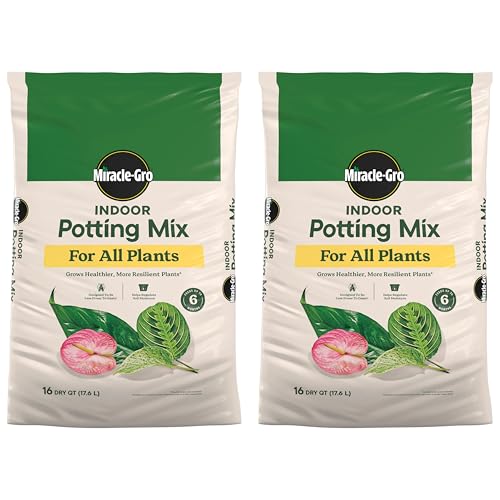
Miracle-Gro Indoor Potting Mix 16 qt. (2-Pack)

Miracle-Gro Moisture Control Potting Mix 8 qt. (2-Pack)

Miracle-Gro Potting Mix 2 cu. ft. (2-Pack)

Miracle-Gro Potting Mix 8 qt. (3-Pack)

AROID Potting Mix (4 QTS)

Perfect Plants Succulent & Cactus Soil 1 qt

FoxFarm Happy Frog Potting Soil 12 Quart

Miracle-Gro Potting Mix 2 cu. ft.
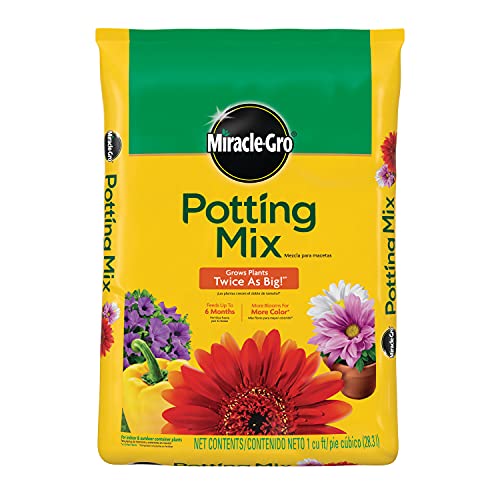
Miracle-Gro Potting Mix 1 cu. ft.
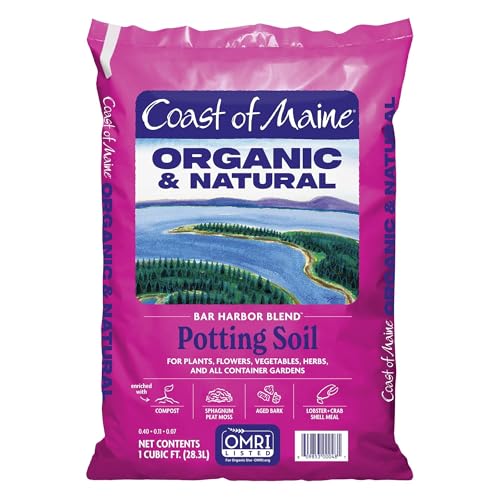
Coast of Maine Bar Harbor Blend 1 cu. ft.
Inside Each Recommended Option
Basil grown indoors rewards a loose, peat-based medium that holds moisture without becoming waterlogged, and this two-pack delivers exactly that in a generous quantity. The blend of sphagnum peat moss, coir, and perlite creates air pockets around the roots, which matters when basil sits in the same pot through the warmer months. Compared with the heavier Moisture Control mix covered later, this formula trades water retention for a lighter, faster-draining profile that suits tight indoor pots.
For most kitchens with a sunny sill, a single 16-quart bag fills several small herb pots with mix left over for the next round of seedlings. The lightweight texture also makes transplanting seedlings less disruptive to tender root systems.
Key Advantages
- Lightweight peat, coir, and perlite blend keeps basil roots aerated and reduces compaction over time.
- Two-bag pack covers a full season of repotting for windowsill herb growers.
- Formulated specifically for indoor containers where drainage and weight matter.
- Holds enough moisture to bridge short gaps between waterings without staying soggy.
Things To Consider
- Contains starter fertilizer but will benefit from supplemental feeding once basil is established.
- Large bag size can be awkward to store in small apartments with limited closet space.
Key Specs
Who It Suits Best
First-time indoor herb growers who want a forgiving, ready-to-use mix for kitchen windowsills.
Where Another Pick Suits Better
Gardeners who frequently forget to water should consider the Miracle-Gro Moisture Control mix instead for its higher water absorption.
Basil wilts fast when soil dries out, and the AquaCoir Formula in this blend absorbs substantially more water than basic potting soil to keep plants hydrated longer. The added wetting agent helps water penetrate evenly instead of running straight through dry peat. Compared with the standard Indoor mix above, this one prioritizes water security over pure airiness, which makes it a smarter match for warm, dry rooms or busy households where watering slips.
Each 8-quart bag handles a moderate number of small to medium basil pots, and the two-pack format keeps storage manageable for apartment dwellers.
Notable Upsides
- Absorbs substantially more water than basic peat-based mixes, reducing wilting risk.
- Built-in fertilizer feeds basil for an extended period after potting.
- Even moisture distribution prevents dry pockets that stunt root growth.
Worth Noting
- Higher water retention can encourage root rot in pots without reliable drainage holes.
- Less suitable for Mediterranean herbs like rosemary that prefer drier conditions.
- Bags may compress during shipping, occasionally arriving compacted and clumpy.
Quick Facts
Made For
Growers who occasionally miss a watering or keep basil in warm, dry indoor conditions where soil dries quickly.
Consider Something Else When
Those growing Mediterranean herbs like rosemary alongside basil should consider the FoxFarm Happy Frog for better drainage balance.
Big patio herb gardens eat through small bags of soil in a single planting session, and this two-pack format delivers serious volume at a more efficient per-quart cost. The general-purpose Miracle-Gro blend feeds plants for up to six months, which suits basil through its full growing cycle from transplant to first harvest. Compared with the smaller 8-quart three-pack reviewed below, this option trades convenience for raw quantity.
You will want a dry storage spot like a garage or shed, since the 2 cu. ft. bags are bulky and awkward to keep indoors.
Practical Pluses
- Large volume handles a dozen or more basil containers without running short.
- Six-month feeding window covers basil from transplant through late-summer production.
- Versatile formula works for vegetables, herbs, and flowering companions in the same garden bed.
- Lower cost per quart compared to smaller bag formats.
Honest Caveats
- Heavy bags require a vehicle for transport and a dry storage area to prevent moisture damage.
- General-purpose formulation lacks specialty amendments that organic-leaning gardeners may prefer.
Best Suited To
Patio gardeners running multiple large containers of basil mixed with vegetables and ornamentals.
Skip It When
Apartment dwellers with limited storage should reach for the Miracle-Gro Indoor Potting Mix 16 qt. instead for easier handling.
Three 8-quart bags strike a practical middle ground between single-pot convenience and bulk-pile economy, and that balance is exactly what most casual basil gardeners actually need. The general-purpose blend covers flowers, vegetables, shrubs, and herbs in one formula, which simplifies shopping if your garden mixes ornamentals with edibles. Compared with the larger 2 cu. ft. two-pack reviewed above, this format trades volume for easier carrying and storage.
You can pot up basil, side-dress tomatoes, and refresh window boxes from the same supply without running out mid-season.
Useful Touches
- Three-bag format provides enough mix for several small to medium basil containers.
- Six-month feeding duration reduces the need for frequent fertilizer applications.
- General-purpose formulation suits mixed container gardens where basil shares space with other plants.
Points To Note
- No specialty amendments for organic-focused gardeners.
- Bags may arrive partially compacted, requiring fluffing before use.
Perfect Match For
Home gardeners managing several mixed containers of herbs, flowers, and vegetables on a patio or balcony.
Look Elsewhere When
Strict organic gardeners should look at the Coast of Maine Bar Harbor Blend for a certified organic alternative.
This chunky blend was formulated with tropical aroids like Monstera and Philodendron in mind, but its core traits, excellent drainage, airflow, and a high-nutrient organic base, translate surprisingly well to Mediterranean herbs like basil. Orchid bark, coco husk, and pumice prevent the compaction that suffocates roots in denser mixes. Compared with the peat-heavy Miracle-Gro options reviewed earlier, this one leans organic and structurally loose.
Worm castings and mycorrhizae (beneficial fungi that partner with plant roots to improve nutrient uptake) feed basil steadily through the season, while biochar supports long-term soil health in reused containers.
The Good Stuff
- Chunky orchid bark and pumice deliver outstanding drainage and air penetration.
- Worm castings and mycorrhizae supply slow-release organic nutrition.
- Biochar improves long-term soil structure in repeatedly used pots.
Trade Offs
- Small 4-quart volume runs out quickly across multiple basil pots.
- Chunky texture can shift small seedlings before roots anchor.
- Premium organic positioning comes at a higher cost per quart than basic mixes.
Right Fit For
Gardeners who prefer organic inputs and want the airy structure that prevents basil root rot in humid conditions.
Another Choice May Suit
Those filling many large patio pots should consider the Miracle-Gro Potting Mix 2 cu. ft. for better volume value.
Succulent soil sounds like a strange recommendation for basil, yet its fast-draining profile suits basil grown alongside drought-tolerant herbs in the same container. The organic blend balances air and moisture in a way that mimics the loose, gritty conditions basil’s wild ancestors adapted to. Compared with the peat-heavy Miracle-Gro Indoor mix, this one dries faster and reduces the risk of stem rot during humid stretches.
The 1-quart size works best for a single small pot or as an amendment to bulk up drainage in a richer base mix.
Everyday Perks
- Fast-draining organic composition protects basil roots from sitting in saturated soil.
- Balanced air-to-moisture ratio supports steady basil growth without waterlogging.
- Small 1-quart bag fits on a closet shelf without taking up significant space.
Smaller Limitations
- Only 1 quart fills a single small pot, not enough for large herb planters.
- Designed primarily for succulents, so nutrient content is lower than basil-specific blends.
- Dries out faster than peat-based mixes, requiring more frequent watering in hot weather.
Who Should Grab It
Basil growers dealing with chronic overwatering issues or those mixing basil with succulents and drought-tolerant herbs.
A Better Fit Elsewhise
Growers wanting a single bag for the whole herb garden will find more versatility in the Miracle-Gro Potting Mix 1 cu. ft.
Happy Frog earns its reputation from a richly amended formula that goes beyond basic peat with earthworm castings, bat guano, and aged forest products. A custom blend of soil microbes further improves root efficiency, which matters when basil is grown for repeated harvests through the season. Compared with Miracle-Gro’s peat-only approach, this option delivers a more complex nutritional profile for gardeners who prefer organic amendments.
The 12-quart bag suits a small herb garden or several medium containers with room to spare.
Useful Strengths
- Earthworm castings, bat guano, and aged forest products feed basil with diverse organic nutrition.
- Custom soil microbe blend improves nutrient uptake at the root level.
- Ready to use straight from the bag with no additional amendment required.
- Suitable for both indoor and outdoor container plantings.
Points To Keep In Mind
- Higher cost per quart than basic Miracle-Gro options.
- Strong organic smell during initial potting that fades after watering.
- Bags can be heavy and awkward to pour from once opened.
Feature Snapshot
Whose Shelf It Belongs On
Edible herb gardeners who value organic amendments and want richer nutrition than basic peat-based mixes provide.
Reach For A Different Pick When
Budget-focused shoppers should reach for the Miracle-Gro Indoor Potting Mix 16 qt. for a more economical starting medium.
Sometimes a single big bag is the right answer, especially when you want fresh soil for one season without committing to multi-packs. This 2 cu. ft. format works well for refreshing several large containers or filling a raised herb bed in one go. Compared with the 2 cu. ft. two-pack reviewed earlier, this version trades backup supply for a single-purchase convenience.
The general-purpose Miracle-Gro formula handles basil alongside flowers, vegetables, and shrubs without any blending on your part.
Good Reasons To Consider
- Single 2 cu. ft. bag fills several large basil containers in one purchase.
- Six-month feeding window covers the full basil growing cycle.
- Versatile formula supports mixed plantings beyond herbs alone.
Some Limits To Know
- Single bag means no backup supply if you expand the herb garden mid-season.
- Bag is heavy and needs a vehicle for transport from the store.
Built With In Mind
Container gardeners planning a single large basil planting who prefer buying once over managing multiple smaller bags.
Swap It Out When
Those wanting organic amendments should swap it out for the Coast of Maine Bar Harbor Blend instead.
A single cubic foot bag is the classic, no-fuss format that handles a handful of basil pots without oversupply. The blend works equally well for indoor and outdoor containers, which is helpful if your basil collection moves with the seasons. Compared with the bulkier 2 cu. ft. option above, this bag is manageable for one person to carry home.
You will have enough mix for three to five medium herb pots with some leftover for refreshing containers at mid-season.
Strengths Worth Knowing
- Standard 1 cu. ft. format is easy to handle and store.
- Works for both indoor and outdoor container plantings.
- Six-month feeding duration matches basil’s natural growing cycle.
- Versatile for vegetables, herbs, flowers, and shrubs.
Factors To Consider
- Lacks organic amendments that some gardeners prefer for edible plants.
- Single bag supply may fall short for larger herb garden expansions.
Who Will Love This
First-time basil growers who want a single, dependable bag for a small herb garden without committing to bulk.
Not Your Match When
Strict organic gardeners will find a better match in the Coast of Maine Bar Harbor Blend.
Coast of Maine built this blend around sphagnum peat moss, compost, perlite, lobster and crab shell meal, and kelp meal, which gives basil a mineral profile quite different from synthetic-fertilizer mixes. The seafood-shell component adds calcium and trace minerals that support strong stem and leaf development, while kelp meal contributes natural growth hormones. Compared with Miracle-Gro’s peat-heavy approach, this one carries a richer, more diverse organic base.
The 1 cu. ft. bag suits a small to medium herb garden focused on edibles.
Real-World Strengths
- Organic formulation uses naturally derived ingredients throughout.
- Lobster and crab shell meal adds calcium and trace minerals for basil vigor.
- Perlite content promotes reliable drainage and root aeration.
- Suitable for herbs, flowers, and vegetables in the same garden.
Honest Caveats
- Higher cost per cubic foot than conventional peat-based mixes.
- Organic smell during initial potting that dissipates after a few waterings.
- May contain small bark fragments that sift out during use.
Feature Rundown
Perfect Match For
Organic-leaning gardeners growing basil alongside other herbs and vegetables in containers or small beds.
A Better Fit Elsewhere
Shoppers prioritizing low cost per quart will find a better fit in the Miracle-Gro Potting Mix 2 cu. ft. (2-Pack).
What Actually Matters When Choosing Soil For Basil
Basil grows fast and drinks deeply, which makes drainage the single most important factor in any potting medium you choose. A blend that holds air around the roots while still retaining enough moisture for steady uptake will outperform a richer mix that stays soggy after each watering.
Drainage And Aeration Come First
Perlite (a lightweight, porous volcanic material that creates air pockets in soil), pine bark, and coarse sand keep basil roots from suffocating in dense, wet conditions. Indoor pots without strong airflow especially benefit from a blend where you can see white perlite specks throughout the mix.
Moisture Retention Without Waterlogging
Peat moss and coir (coconut-husk fiber that absorbs and holds water while staying light) absorb water and release it slowly, which bridges the gap between waterings. Avoid mixes that feel heavy or sticky when wet; they tend to compact over time and starve roots of oxygen.
Starter Fertilizer Or Not
Many bagged mixes include enough fertilizer to feed basil for several weeks or months. For organic-leaning gardeners, blends amended with worm castings, kelp meal, or compost deliver slower-release nutrition that suits edible herbs.
Volume And Container Size
A 6-inch basil pot needs roughly 1 to 2 quarts of mix, so a 16-quart bag covers a small indoor garden. Larger patio planters or multiple pots push you toward 1 cu. ft. or 2 cu. ft. bags, which usually cost less per quart but require a dry storage spot.
Key Considerations Across These Picks
Pitfalls Shoppers Hit
Choosing a garden soil or topsoil for containers is one of the most common mistakes, since outdoor ground soil compacts severely in pots and suffocates roots. Another frequent slip is ignoring drainage holes: even the best mix fails if water has no escape route. Overpotting, where a small basil seedling goes into a container far larger than its root mass, also leads to soggy soil that never dries between waterings.
What The Higher Tier Buys
Premium organic blends like FoxFarm Happy Frog and Coast of Maine cost more per quart because they include richer amendments: worm castings, bat guano, kelp meal, and biochar. These ingredients feed soil biology over time and improve structure in reused containers, which matters if you repot basil in the same pots season after season. For casual growers with one or two pots, conventional Miracle-Gro blends deliver strong results at a lower entry cost.
Frequently Asked Questions
Can I Use Garden Soil For Basil In Pots?
Garden soil compacts tightly in containers and drains poorly, which suffocates basil roots and encourages rot. A bagged potting mix designed for containers is the safer choice for any pot-grown basil.
How Often Should I Replace Basil Potting Soil?
Refreshing the top few inches each season helps, and a full change every one to two seasons prevents salt buildup from fertilizers. Reusing the same soil without amendment eventually reduces drainage and nutrient availability.
Do I Need To Add Fertilizer If The Mix Already Has It?
Most bagged mixes feed basil for several weeks to several months, depending on the brand. Once basil is established and actively producing leaves, supplemental feeding with a balanced liquid fertilizer keeps growth steady.
Is Organic Potting Mix Better For Edible Herbs?
Organic blends avoid synthetic fertilizers and pesticides, which some gardeners prefer for herbs they intend to eat. Both organic and conventional mixes grow basil well; the choice comes down to gardening philosophy and budget.
What Pot Size Works Best For Basil?
A 6 to 8 inch pot suits a single basil plant, while larger containers handle groupings of two or three plants comfortably. Containers must have drainage holes to prevent water from pooling at the base.
Wrap Up
The right soil for basil comes down to drainage, moisture balance, and how much you’re growing. A small windowsill herb garden gets along fine with a peat-based indoor mix, while a full patio setup benefits from bulk formats or richer organic blends. Match the bag to your container count and watering habits, and your basil will reward you with steady, flavorful growth through the season.
