

Bromeliads look like plants that should be hard to please, with their strappy rosettes and vivid center cups, yet most of the trouble starts below the soil line. These tropicals crave a loose, airy medium that drains in seconds and never sits soggy, because their roots are built more for clinging to tree bark than for swimming in dense dirt. Choosing the right mix is the single biggest lever for keeping a bromeliad alive indoors, and it also opens up room to customize a blend that suits your home’s humidity and your watering style. The list below walks through ready-made mixes, base ingredients, and amendments that pair well with these plants, so you spend less time guessing and more time watching a new pup push out of the side of the mother plant.
A Snapshot Of The Selections

rePotme Bromeliad Potting Mix

Legigo Organic Perlite 4 Quarts

Organic Plant Magic Compressed Soil

Miracle-Gro Indoor Potting Mix 2-Pack

Legigo Organic Perlite 15 Quarts

Legigo Organic Perlite 20 Quarts

Legigo Organic Perlite 6 Quarts

FoxFarm Ocean Forest 12 Quart

Miracle-Gro Indoor Potting Mix 6 qt
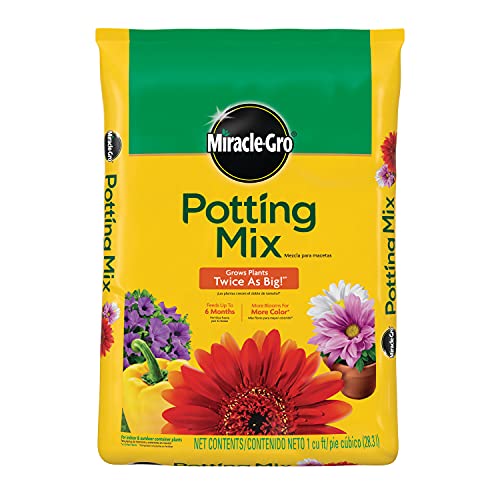
Miracle-Gro Potting Mix 1 cu ft
The Details Behind The Selections
A purpose-built blend for bromeliads is a quiet luxury when the rest of the shelf is generic houseplant soil. The rePotme mix leans on small fir bark as its backbone, which means the medium behaves more like a coarse orchid bark than a bag of black dirt. Sphagnum peat adds gentle moisture retention, perlite (a heat-expanded volcanic mineral that looks like white popcorn) keeps pockets of air open, and small charcoal plus granite chips round out the texture. Compared with the perlite-heavy amendments reviewed later, this bag is ready to use straight out of the package.
Collectors running a mixed epiphyte shelf will appreciate that the formula also suits ferns and clivia without modification. For most people repotting a single bromeliad, the Junior 4-quart size covers a few repots before running low.
Practical Pluses
- Ready to use straight from the bag, no blending required
- Coarse fir bark mimics the airy root conditions bromeliads experience in the wild
- Sphagnum peat holds a touch of moisture around fine roots without waterlogging them
- Charcoal and granite chips help the mix resist souring over months of watering
Things To Consider
- Small bag sizes mean frequent restocking for anyone with more than a few plants
- Bark pieces break down over time, so a yearly refresh keeps the texture from compacting
Whose Shelf It Belongs On
Collectors who want a blend designed specifically for bromeliads and similar epiphytic tropicals, without the guesswork of mixing their own.
Swap It Out When
Budget-minded growers repotting many plants at once may find the Legigo perlite amendment combined with a basic peat mix more cost-effective.
Not every bromeliad owner needs a finished blend. Sometimes the move is to keep a bag of coarse perlite on hand and lighten any standard mix with it. The Legigo 4-quart option suits apartment growers with one or two plants, where storing a 20-quart bag would feel excessive. Coarse perlite creates permanent air channels in the root zone, which is exactly the gap that bromeliad roots need to avoid rot.
Perlite is also pH neutral, meaning it will not shift the acidity of whatever mix it joins. In our view, that takes one variable out of the equation for growers who like to blend their own.
Everyday Perks
- Compact size fits on a closet shelf or under a sink
- Coarse grade resists breaking down into powder over time
- Volcanic origin keeps the amendment chemically inert
Honest Caveats
- Not a complete medium on its own, must be combined with peat, bark, or coir
- Lightweight particles can float to the top during the first few waterings
Best Suited To
Apartment dwellers tending a single tabletop bromeliad who want to stretch a small bag of standard mix with extra drainage.
Reach For A Different Pick When
Anyone running a full shelf of bromeliads should step up to the Legigo 15-quart or 20-quart bag for better value per quart.
Compressed soil granules solve the awkward problem of fitting a bag of medium into a small car or a narrow closet. The Organic Plant Magic brick arrives dry and lightweight, then expands to roughly four times its original volume once water is added. The base is coconut coir (a fibrous byproduct of coconut husks) blended with worm castings, which adds a slow, gentle nutrient boost for newly potted plants.
For bromeliads, the coir base is useful because it holds moisture without staying soggy, though most growers will want to cut it further with perlite or bark for the chunkiest root feel. The resealable bag also helps the expanded mix last between sessions.
Well-Handled Touches
- Compact brick slips into a drawer or shelf before expansion
- Coir base offers a renewable alternative to peat-based mixes
- Worm castings add mild nutrition without forcing a fertilizer schedule
Room For Improvement
- Needs a mixing bowl and water on hand to activate
- Too moisture-retentive alone for bromeliads; perlite or bark is a useful add-on
Perfect Match For
Renters and small-space plant parents who value shelf-friendly packaging and don’t mind doing a quick blend before potting.
Consider Something Else When
Pure bark blends like the rePotme mix reviewed earlier suit bromeliads without extra mixing steps.
The 2-pack format of Miracle-Gro Indoor Potting Mix makes sense for households that tend a full windowsill of mixed houseplants alongside a bromeliad or two. The blend mixes sphagnum peat, coconut coir, and perlite, with bark and compost layered in to add organic matter. The result is a lightweight medium that re-wets easily after drying out, which suits bromeliads that prefer a dry-down between waterings.
Two bags give you a backup for the next round of repotting, since bromeliad pups tend to show up unannounced. The included starter fertilizer charge is mild, so you still control how much feeding your plant gets.
A Few Highlights
- Coir component helps the medium re-wet evenly after a dry spell
- Perlite inclusions keep the texture loose out of the bag
- Two-bag format suits households with multiple plants in rotation
Points To Note
- Not a true bromeliad blend, so adding extra perlite helps with drainage
- Bark and compost can occasionally shelter fungus gnats in warm rooms
Feature Snapshot
Who Should Grab It
Mixed houseplant households who want a single bag that handles bromeliads along with pothos, philodendrons, and similar tropicals.
Not Your Match When
Specialist bromeliad collectors chasing the chunkiest bark-forward mix should look at the rePotme blend reviewed first.
Once a bromeliad collection grows past a few pots, the perlite amendment needs to grow with it. The 15-quart Legigo bag sits in a comfortable middle zone between the trial-size 4-quart and the heavy-duty 20-quart. Coarse particles help air pockets survive watering, which matters for bromeliads that spend their lives in small containers where compaction happens fast.
The volcanic origin keeps the amendment chemically inert, so it won’t fight the pH of the host mix. For most hobbyists with a half-shelf of plants, this bag covers a year of light mixing.
Notable Gains
- Mid-size volume balances storage space with long-term supply
- Coarse grade keeps drainage channels open through repeated waterings
- Pairs with peat, bark, or coir without changing nutrient balance
Where It May Fall Short
- Dust from the bag can be noticeable during pouring, so a quick outdoor transfer helps
- Single-purpose amendment, you’ll still need a base medium
Right Fit For
Intermediate hobbyists who mix their own blends for a growing bromeliad shelf and want one perlite bag to last through several repots.
Look Elsewhere When
Anyone with a tight closet or apartment storage may prefer the smaller Legigo 6-quart option instead.
Active propagators split pups every few months and run through small bags of perlite surprisingly fast. The 20-quart Legigo bag is the volume play, with enough amendment to mix several custom blends for bromeliads, succulents, and orchids side by side. Coarse particles create the airspace that prevents the soggy center rot that often kills young offsets.
Storage is the obvious trade-off, since a 20-quart bag claims a chunk of a shelf. In a garage or greenhouse setting, that’s an easy call.
Good Reasons To Consider
- Largest perlite volume covers the heaviest users without restocking
- Coarse particles hold their shape through long-term watering cycles
- Useful across multiple plant families beyond bromeliads
Practical Considerations
- Full bag needs dedicated shelf or bin space indoors
- Mixing large batches means a bigger workspace and more cleanup
Quick Facts
Made For
Hobbyists with greenhouse space, a patio workstation, or a dedicated plant room who repot and propagate on a steady schedule.
A Better Fit Elsewhere
Small-scale indoor growers without extra storage should pick the Legigo 4-quart or 6-quart option reviewed earlier.
First-time bromeliad owners often want to try their hand at mixing without committing to a giant bag. The Legigo 6-quart perlite gives enough breathing room to amend a few pots of standard mix without taking over the closet. The coarse grade keeps root zones from collapsing into a dense mass after the first month of watering.
This size is also a low-risk way to find out whether perlite dust irritates your sinuses or allergies before scaling up. For most beginners, six quarts is a comfortable intro.
A Few Strong Suits
- Manageable bag size for small shelves and first mixes
- Coarse grade mixes cleanly with peat or bark bases
- Volcanic source keeps the amendment chemically inert
Worth Bearing In Mind
- Runs out quickly once you start mixing for multiple plants
- Still requires a separate base mix to actually pot a bromeliad
Who It Suits Best
New plant parents experimenting with custom blends for one or two bromeliads and wanting to keep storage simple.
Another Choice May Suit
Those who would rather skip the blending step entirely can grab the Miracle-Gro Indoor Potting Mix 2-Pack instead.
FoxFarm Ocean Forest is one of those blends that turns up in serious grow rooms and casual windowsills alike. The texture combines aged forest products, sandy loam, and sphagnum peat moss, which together create a light, aerated feel rather than a heavy garden-soil feel. Fish meal, crab meal, and earthworm castings provide a slow nutrient release, which matters for bromeliads that prefer a light feeding hand.
For most people growing bromeliads alongside leafy tropicals, this bag is a worthy upgrade from a generic houseplant mix. The light texture keeps roots breathing, while the organic meals add a gentle feed for the first few months.
A Favorable Mix
- Aerated sandy-loam base resists compaction in small pots
- Earthworm castings offer a slow-release organic nutrient source
- Works well across bromeliads, foliage tropicals, and seed-starting
A Few Limitations
- Heavier to ship and store than compressed or perlite-only options
- Organic meals can attract fungus gnats in damp indoor conditions
Feature Card
Built With In Mind
Experienced plant parents who want a richer organic blend for mature bromeliads and are comfortable managing the light feeding schedule that comes with it.
Skip It When
Anyone prioritizing a low-maintenance, gnat-resistant setup should pick the Miracle-Gro Indoor Potting Mix reviewed earlier instead.
The single-bag Miracle-Gro Indoor Potting Mix is built for indoor containers specifically, with no compost or bark included to shelter fungus gnats. Coconut coir handles the moisture side, while the formula is blended for a wide range of tropicals. For bromeliads in particular, the gnat-resistant angle is a quiet win in warm apartments where those pests tend to crop up around mid-summer.
The included fertilizer feeds indoor plants for up to six months, which lets you hold off on a separate feeding routine while the plant settles in.
Practical Advantages
- Bark-free blend reduces fungus gnat habitat compared to compost-heavy mixes
- Coir component helps the medium rehydrate evenly after drying
- Built-in feeding covers the first half-year of growth
Less Ideal Details
- Lacks the coarse texture pure bromeliad mixes use, so extra perlite helps
- Single 6-quart bag runs out fast for collectors
Who Will Love This
Apartment growers who keep a few bromeliads alongside other tropicals and want to minimize the chance of a gnat outbreak indoors.
Where A Sibling Pick Shines
The 2-pack version of Miracle-Gro Indoor Potting Mix is the better fit for households with many plants cycling through pots.
The classic Miracle-Gro Potting Mix in the 1 cubic foot bag covers outdoor and indoor containers in a single purchase. The 1 cu ft volume suits porch and patio use where several bromeliads sit in larger decorative pots, alongside the typical patio annuals and herbs. The included fertilizer feeds up to six months, so a single repotting session carries your plants deep into the growing season.
Outdoor placement changes the calculus a bit, since bromeliads in bright shade dry out faster and benefit from the moisture-holding capacity this blend offers.
What Stands Out
- Generous bag covers multiple outdoor containers in one go
- Six-month fertilizer charge keeps feeding on the back burner
- Versatile blend handles flowers, foliage, and tropicals together
Some Limits To Know
- Outdoor bag is heavier and bulkier to handle than indoor-size options
- Texture is denser than an ideal pure bromeliad blend, so perlite or bark improves drainage
Perfect Match For
Patio and porch growers repotting several large containers at once who want one bag that handles bromeliads alongside other ornamentals.
Look Elsewhere When
Strictly indoor growers should pick the Miracle-Gro Indoor Potting Mix 6-quart bag for a lighter, gnat-resistant alternative.
Choosing The Right Mix For Your Bromeliad Setup
Bromeliads share a few non-negotiables when it comes to their root environment, and understanding those will narrow your shortlist faster than any spec sheet. The first priority is drainage speed, since their fine roots rot in any mix that stays wet for more than a day. The second is texture, because chunky materials like bark and perlite keep air moving around the roots, which mimics how these plants grow perched on tree branches in the wild. The third is salt and fertilizer load, since most bromeliads prefer a light feeding hand over a rich, compost-heavy medium.
Your watering style matters as much as the bag itself. Hands-off waterers who forget a pot for a week lean toward chunkier bark-forward blends, while attentive waterers who check soil daily can handle a slightly more moisture-retentive coir base.
Indoor placement also steers the choice. A bromeliad on a sunny windowsill dries out faster than one in a humid bathroom, so the windowsill plant wants an even grittier mix. Outdoor growers on a covered porch have more leeway, since humidity and rain add a buffer against dry-down.
Smart Considerations For Picking The Right Bag
Common Shopping Slip Ups
The most common mistake is reaching for a generic outdoor garden soil or a heavy compost blend, which compacts fast and suffocates bromeliad roots. Another trap is assuming any “cactus and succulent” mix will work; some of those blends are too mineral-heavy and lack the small amount of organic matter bromeliads appreciate. A third is buying the cheapest bag and skipping perlite, only to wonder months later why the center of the pot stays damp.
Where The Extra Money Goes
Premium blends earn their price through texture engineering, with multiple particle sizes mixed to avoid the settling that plagues cheap bags. They also tend to include pH-balanced organic meals rather than relying on a heavy synthetic fertilizer charge, which reduces the risk of leaf burn on the sensitive central cup. For most people, the upgrade is worth it once a bromeliad collection passes two or three pots, since drainage problems multiply with pot count.
Frequently Asked Questions
Can I use regular potting soil for bromeliads?
Standard potting soil is usually too dense and holds too much moisture for bromeliad roots, which is why most growers amend it with perlite, bark, or both before use.
How often should I repot a bromeliad?
Most bromeliads only need repotting every two to three years, since the mother plant finishes its life cycle after flowering and the pups eventually replace it in the same pot.
Is orchid bark a good substitute for bromeliad mix?
Orchod bark works well as the chunky base of a homemade blend, especially when paired with perlite and a small amount of peat or coir to balance moisture.
Do bromeliads actually need soil?
Bromeliads do need a medium to anchor their roots, but that medium’s job is mostly structural rather than nutritional, since they absorb most of their moisture through the central cup.
Should I fertilize bromeliads after repotting?
Light feeding is fine, but heavy fertilizer can scorch the central cup and burn leaf tips, so a diluted balanced fertilizer applied monthly is plenty for most bromeliads.
Closing Remarks
A good bromeliad mix is the unglamorous foundation that keeps these tropical plants thriving year after year. Whether you go with a specialty blend or build your own from perlite and a base medium, the goal is the same: airy, fast-draining, and never soggy. Pick the bag that matches your collection size, your storage space, and your watering habits, and your bromeliads will reward you with vivid bracts and a steady supply of pups.
