

Boston ferns have a reputation for drama, and most of it comes from the soil. These tropical plants want moisture that drains freely, organic matter that feeds steadily, and enough air around the roots to prevent rot. Picking the wrong mix turns fronds yellow fast, so the right base matters more than the frond itself.
Below is a curated shortlist covering standalone organic bases, nutrient-boosted blends, and plain perlite for custom mixes. Each pick solves a slightly different problem, from a single hanging basket to a whole shaded patio.
An Overview Of The Picks

Legigo 4 Quarts Organic Perlite Soil Amendment

FoxFarm Ocean Forest Potting Soil 1.5 cu ft

Wonder Soil 30 Quarts Compressed Coco Coir 3-Pack

FoxFarm Ocean Forest Potting Soil 12 Quart 2-Pack

Legigo 15 Quarts Organic Perlite Soil Amendment

Legigo 20 Quarts Organic Perlite Soil Amendment

Legigo 6 Quarts Organic Perlite Soil Amendment
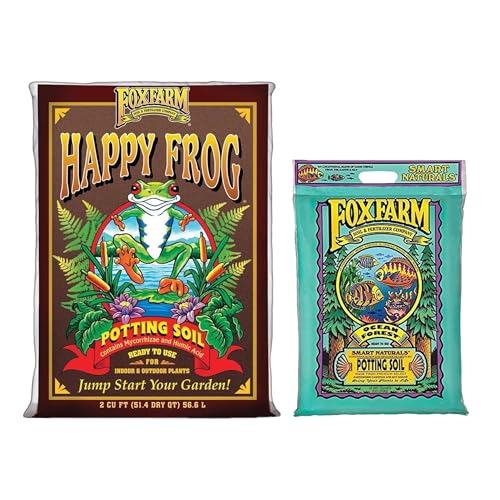
FoxFarm Happy Frog 2 cu ft + Ocean Forest 12 qt
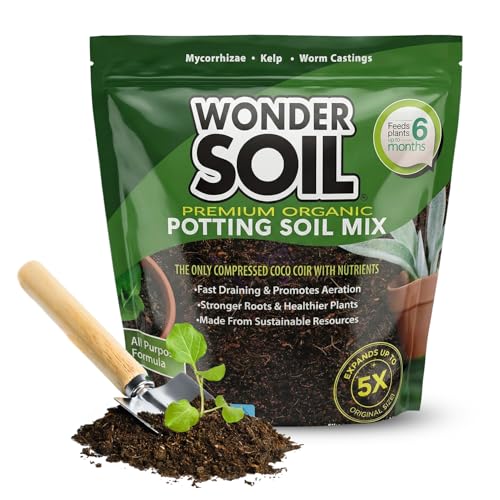
Wonder Soil 12 Quarts Coco Coir with Worm Castings

Wonder Soil 72 Quarts Compressed Coco Coir Block
Perlite is a heated volcanic glass that expands into porous white granules, and its job in a Boston fern pot is to keep air flowing through the root zone. This 4-quart bag from Legigo lands in the sweet spot for a single hanging basket or two small pots, especially when you are building a custom mix from a denser bagged soil.
The granules are coarse and evenly sized, which helps them resist settling into the bottom of the pot. Mixed at roughly one part perlite to three parts potting soil, the result feels fluffy rather than soggy, and Boston fern roots tend to respond well to that texture. The bag itself is light enough to handle indoors without making a mess.
Everyday Wins
- Coarse, uniform granules resist compacting inside the pot over time.
- Small 4-quart bag is easy to store on a shelf and tote outside for one-off mixes.
- Neutral pH so it does not shift the acidity of your base potting mix.
- Mixes cleanly into peat or coco blends without clumping.
Things To Consider
- Only four quarts, so larger repotting jobs will run through it fast.
- Perlite dust during pouring is common, so mixing outdoors or wearing a mask helps.
Who It Suits Best
Fern owners refreshing a single basket or two and wanting to dial in their own aeration level.
Swap It Out When
Step up to the Legigo 15-quart or 20-quart bag if you keep a whole fern collection.
FoxFarm’s Ocean Forest is the bag many experienced growers keep on hand for a reason. It is a complete potting mix built around earthworm castings, fish meal, and crab meal, so Boston ferns planted straight into it get a steady nutrient base without extra amendments. The texture reads light and fibrous rather than dense, which matches what ferns actually want from their soil.
The 1.5 cubic foot bag is the standard “big bag” size, enough to fill a 12- to 14-inch hanging basket with some left over for smaller pots. Because it is ready to use straight from the bag, there is no mixing stage, which saves time during a busy repotting afternoon.
Well-Handled Touches
- Comes amended with earthworm castings, fish meal, and crab meal for steady feeding.
- Light, aerated texture suits Boston fern roots without added perlite for most setups.
- pH adjusted to a range that supports nutrient uptake in containers.
- Generous volume in a single 1.5 cu ft bag suits bigger baskets.
Worth Noting
- Heavier than compressed brick mixes, so the bag is awkward to carry up stairs.
- Some growers find the included nutrients hot for very young divisions and prefer to dilute with extra perlite.
- Strong organic smell right after opening, which fades within a day or two.
Quick Facts
Made For
Fern owners who want a premium, ready-to-use mix and do not want to blend their own soil from scratch.
Look Elsewhere When
Pick the Wonder Soil compressed coco blocks if storage space is tight and you prefer to hydrate on demand.
Coco coir is a fibrous coconut husk byproduct that holds moisture well while still letting air reach the roots, which makes it a smart base for thirsty ferns. Wonder Soil ships that coir in dehydrated bricks, so three small bricks expand to roughly 30 quarts once you add water. Apartment growers with limited closet space appreciate that footprint.
The bricks arrive pre-loaded with worm castings and a starter nutrient blend, so you can pot a Boston fern in pure hydrated coir or cut it with perlite for extra drainage. The setup is mess-light too: drop a brick in a bucket, pour water, and fluff it up.
Practical Pluses
- Compressed format keeps the package small and easy to store indoors.
- Pre-amended with worm castings and other nutrients for a head start.
- Expansion is predictable, so you can match one brick to one basket.
- Sustainable peat alternative that still holds moisture well.
Trade Offs
- Hydration takes several minutes per brick, plus some manual fluffing.
- Without added perlite, pure coir can stay a touch wet for ferns in shaded, cool rooms.
Right Fit For
Apartment growers and small-space gardeners who want bulk soil without a bulky bag sitting around.
Consider Something Else When
Reach for the FoxFarm Ocean Forest 1.5 cu ft if you would rather skip the hydration step entirely.
This 2-pack is the smaller sibling of the 1.5 cu ft Ocean Forest bag above, split into two 12-quart bags with two included plant tags. For someone repotting a couple of medium ferns, that two-bag format is easier to lift and store than one oversized bag, and you only open the second bag when you actually need it.
The blend itself stays consistent with the larger format: earthworm castings, fish meal, crab meal, and a pH adjustment that supports nutrient uptake. Boston ferns planted into it get the same airy, organic-rich environment that has made Ocean Forest a long-time favorite among container gardeners.
What Helps Most
- Two smaller bags are easier to handle than one large 1.5 cu ft bag.
- Includes two plant tags for labeling varieties and dates.
- Same Ocean Forest blend with earthworm castings and ocean-based meals.
- pH adjusted for container nutrient uptake.
Honest Caveats
- 24 quarts total runs out quickly if you keep several large baskets.
- Per-bag cost tends to run higher than the bulk 1.5 cu ft size.
Feature Snapshot
Best Suited To
Growers with a couple of medium ferns who value the smaller bag size and included tags.
A Better Fit Elsewhere
Pick the FoxFarm Happy Frog + Ocean Forest bundle if you want two different blends to compare.
The 15-quart bag sits in the middle of Legigo’s perlite lineup, generous enough for a small fern collection without overflowing the storage closet. Like the 4-quart version, the granules are coarse and uniform, which means they hold their airy structure after several waterings instead of breaking down into powder.
For fern owners mixing their own blend at scale, this size covers multiple basket refreshes. The bag pours cleanly, though perlite dust tends to drift during transfer, so working outdoors or over a large tray keeps the room clear.
Advantages To Know
- Mid-volume bag fits most multi-basket fern collections.
- Coarse grade resists compaction inside the pot over months of watering.
- Neutral pH so it does not alter the acidity of your base mix.
- Stores well in a dry corner until you need it.
Points To Keep In Mind
- Perlite dust during pouring is common and can irritate lungs if inhaled.
- 15 quarts may still be tight if you mix heavy perlite ratios for several baskets at once.
Who Will Love This
Fern owners managing several hanging baskets who want one bag to last through a full season of refreshes.
Reach For A Different Pick When
Move up to the Legigo 20-quart bag if you keep a dedicated fern shelf or run a small plant business.
At 20 quarts, this is the largest perlite option in the Legigo range and the right call when you mix in volume. A single bag handles a sizeable batch of fern blend for a full porch of hanging baskets or a small indoor fern wall. The granules match the smaller bags, so quality stays consistent.
For growers who prefer to build their own soil from scratch rather than buy a finished premium blend, this bag keeps the cost per quart manageable. Mixing outdoors is still the cleanest approach, since 20 quarts of perlite produces noticeable dust during the pour.
A Favorable Mix
- Largest perlite volume in this shortlist for serious mixers.
- Coarse, even granules keep air pockets open in dense base mixes.
- Cost per quart drops compared to smaller bags.
- Neutral pH plays well with peat, coco, or compost-heavy bases.
Practical Considerations
- 20 quarts is bulky to store if your space is tight.
- Dust during pouring means an outdoor or well-ventilated mixing area is the safer bet.
Perfect Match For
Growers mixing their own fern soil at scale, whether for a patio collection or several indoor baskets.
Not Your Match When
Pick the smaller Legigo 4-quart or 6-quart bag if you only need perlite for one or two pots.
The 6-quart bag is the trial-size option for anyone curious about adjusting their fern mix without committing to a large sack. It costs less up front and gives you room to experiment with perlite ratios before settling on a recipe. For first-time custom mixers, that low commitment matters.
The granules are the same coarse, pH-neutral perlite as the larger Legigo bags, so your results translate cleanly if you scale up later. Six quarts covers a single 10-inch basket with a one-to-three perlite-to-soil ratio, which is a good starting point for most Boston ferns.
The Good Stuff
- Smallest perlite bag, ideal for first-time custom mixers.
- Same coarse grade as larger Legigo options.
- pH neutral so it does not shift base mix acidity.
- Easy to store in a closet or under a shelf.
Less-Strong Areas
- Only six quarts runs out fast once you start refreshing baskets regularly.
Built With In Mind
First-time fern soil mixers testing ratios on a single basket before scaling up.
Where Another Pick Suits Better
Step up to the Legigo 15-quart or 20-quart bag once you settle on a recipe you like.
This bundle pairs FoxFarm’s two flagship container mixes, so you get a 2 cubic foot bag of Happy Frog alongside a 12-quart bag of Ocean Forest. Happy Frog is amended with soil microbes, earthworm castings, bat guano, and aged forest products, which gives it a richer biological profile than Ocean Forest alone.
Boston ferns in particular seem to enjoy the variety: you can plant straight into Happy Frog for a richer, more moisture-retentive base, or blend it half-and-half with Ocean Forest for a lighter texture. Having both on hand lets you match the soil to the room’s humidity and the basket’s drainage.
Standout Benefits
- Two different FoxFarm blends in one bundle for mixing flexibility.
- Happy Frog includes soil microbes that support root efficiency.
- Ocean Forest adds earthworm castings and ocean-based meals for baseline feeding.
- Combined volume covers several large baskets.
Some Limits To Know
- Two distinct bags to store rather than one consolidated supply.
- Happy Frog’s richer profile can hold more moisture than ferns need in cool, shaded rooms.
Key Product Details
Whose Shelf It Belongs On
Growers with multiple ferns in different rooms who want to fine-tune soil moisture per location.
Skip It When
Pick the single FoxFarm Ocean Forest 1.5 cu ft bag if you only need one consistent blend.
This single-bag option from Wonder Soil hydrates to 12 quarts and arrives with worm castings, mycorrhizae (beneficial fungi that attach to roots and improve nutrient absorption), kelp, and perlite already mixed in. For a single hanging basket or a couple of small ferns, that single bag is plenty.
The blend is peat-free, which appeals to growers who prefer coconut-based mixes. Because perlite is already inside, the texture stays loose even after multiple waterings, which is exactly the consistency Boston ferns respond to with steady new growth.
Everyday Perks
- Pre-loaded with worm castings, mycorrhizae, kelp, and perlite.
- Peat-free coconut base for sustainable-minded gardeners.
- Single 3-pound bag hydrates to 12 quarts for small jobs.
- Loose texture holds moisture without compacting.
Trade-Offs To Consider
- 12 quarts runs out fast if you keep more than two or three baskets.
- Hydration still takes a few minutes of fluffing before planting.
Who Should Grab It
Growers with a single Boston fern basket who want a quick, all-in-one hydrated blend.
Where A Sibling Pick Shines
Step up to the Wonder Soil 72-quart block for full collections, or the 30-quart 3-pack for a middle ground.
At 72 quarts once hydrated, this 10-pound compressed block is the bulk option for a serious fern collection. A single block expands into enough soil to refresh a dozen medium baskets or fill several large planters, which makes the cost per quart noticeably friendlier than smaller bags.
The coco coir comes pre-amended with worm castings and a starter nutrient blend, so freshly hydrated soil is ready for planting. For growers tired of hauling multiple smaller bags, the block format simplifies storage: one shelf spot hydrates into an entire season’s worth of fern mix.
Benefits That Matter
- Bulk 72-quart yield for whole fern collections.
- Pre-amended with worm castings and nutrients for a head start.
- Compressed format keeps storage footprint small.
- Cost per quart drops noticeably versus smaller bags.
Potential Sticking Points
- Hydration of a 10-pound block needs a large bucket or wheelbarrow and several minutes of work.
- Bulk volume can overwhelm growers with only a couple of ferns.
The Numbers That Matter
The Right Fit
Fern collectors with many baskets or large planters who want bulk value without juggling multiple bags.
Consider Something Else When
Pick the 30-quart 3-pack if you only need modest volume and want easier hydration in smaller batches.
Choosing The Right Soil Texture For Boston Ferns
Boston ferns evolved in humid, shaded forest floors, so the goal at home is to recreate that loose, organic-rich, well-draining environment without letting the roots sit in standing water. Soil choice sets the foundation for everything else: watering frequency, fertilizer needs, and how often you repot.
Moisture Retention Versus Drainage
The core tension in any fern mix is balancing how much water the soil holds against how quickly excess drains away. Coco coir and peat-based blends hold moisture longer, which suits ferns in warm, bright rooms where pots dry out fast. Perlite and pine bark create air pockets that let water flow through, which matters more in cool, shaded corners where soggy roots rot quickly. Most growers land on a roughly two-thirds organic base to one-third drainage amendment.
Organic Content And Feeding
Premium mixes ship with worm castings, fish meal, crab meal, bat guano, or kelp already blended in, which gives ferns baseline nutrition for the first several weeks. Plain perlite or unamended coco requires you to bring your own fertilizer schedule. For beginners, a pre-amended blend reduces the chance of nutrient gaps during the settling-in period after repotting.
Volume And Storage
Fern soil gets used up faster than people expect, especially when refreshing baskets every spring. Compressed blocks and small perlite bags store flat on a shelf, while 1.5 cu ft bags need a corner of the garage or shed. Match the format to your storage space and the size of your collection rather than chasing the largest bag every time.
Room Conditions Matter
A bright bathroom fern tolerates richer, more moisture-retentive soil. A fern in a cool, north-facing room wants faster drainage. Honest read: the same mix behaves differently across rooms, so consider where each basket actually lives before locking in a recipe.
Key Considerations Across These Picks
Common Shopping Slip Ups
The most frequent mistake is grabbing a dense, moisture-heavy garden soil instead of a true potting mix, which compacts around fern roots and triggers rot. Another common slip is buying straight garden perlite in small quantities without checking granule size: fine perlite compacts faster than coarse, defeating its purpose. Skipping the pH check is also worth watching, since ferns sit in a slightly acidic range, and highly alkaline mixes limit nutrient uptake over time.
Why Top Tier Costs More
Premium blends like FoxFarm Ocean Forest or Wonder Soil’s pre-amended coco cost more because they ship with multiple organic amendments and biological additives already mixed in, rather than just a base material. The upgrade pays off for fern owners who would otherwise buy separate amendments and perlite to build their own mix, and for anyone who values the convenience of a ready-to-use bag with steady baseline nutrition. For growers who already keep worm castings, perlite, and fertilizer on hand, the basic bases deliver similar results at lower cost.
