

Carrots reward gardeners who pay attention to what happens below the surface. Loose, stone-free, and well-draining soil turns a frustrating harvest of forked or stubby roots into one of crisp, sweet, evenly shaped carrots. The picks below cover everything from small balcony planters to raised beds, with mixes that support carrot-friendly texture and steady nutrition.
A Fast Comparison Of The Options
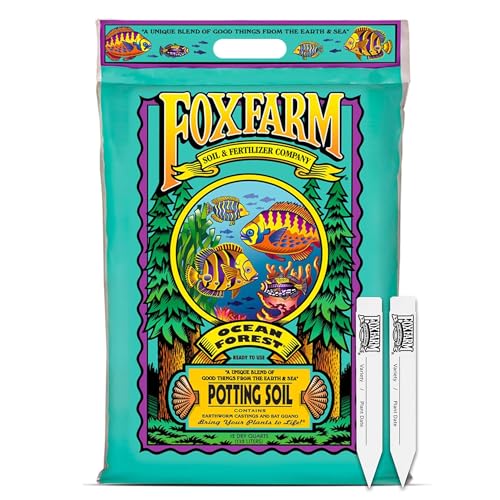
FoxFarm Ocean Forest Potting Soil with 2 Plant Tags, 12 Quarts

FoxFarm Ocean Forest Potting Soil, 1.5cu ft

Miracle-Gro Potting Mix, 2 cu. ft., 2-Pack

Compressed Organic Potting Soil for Garden & Vegetables

FoxFarm Ocean Forest Potting Soil, 12 Quart

FoxFarm Happy Frog Potting Soil, 2cu ft

FoxFarm Ocean Forest Potting Soil, 2 x 12 Quart

Harris Coco Coir Pith, 4 Bricks
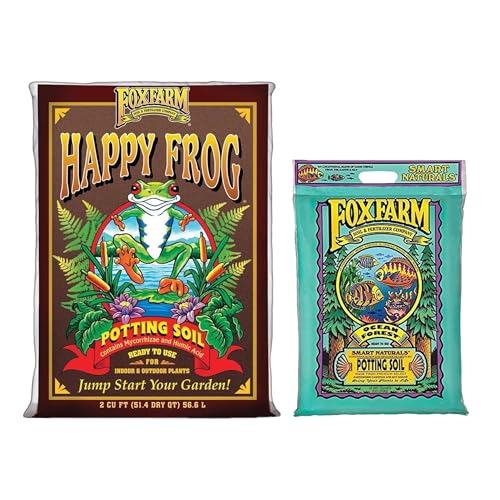
FoxFarm Happy Frog 2 Cu.ft + Ocean Forest 12qt
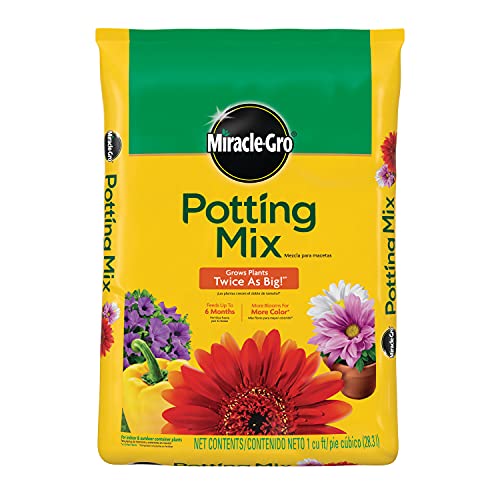
Miracle-Gro Potting Mix, 1 cu. ft.
More Details On Our Top Picks
For tight spaces like a balcony planter or a window box, a 12-quart bag makes sense: small enough to lift in one hand, but roomy enough for a short row of carrots. The blend combines earthworm castings, fish meal, and crab meal, which together give seedlings an early nutrient push without needing extra fertilizer right away. The texture stays loose out of the bag, so carrot roots can push downward without forking around clumps.
Carrots grown in deep containers (at least 10 to 12 inches) tend to do best here because the mix drains freely. The included plant tags are a small touch, but helpful for marking which carrot variety you sowed and when. Compared to FoxFarm Ocean Forest’s larger 1.5 cu ft bag below, this version trades volume for portability, which suits renters or apartment growers more than backyard beds.
The Upside
- Ready-to-use right out of the bag, no mixing required
- Light, aerated texture that resists compaction in containers
- Built-in organic amendments support early seedling growth
- Plant tags included for tracking carrot varieties and sowing dates
- Manageable 12-quart size for small spaces
Points To Note
- Small bag means fewer carrots per purchase; large carrot beds require multiple bags
- Drains quickly, so containers may need more frequent watering in warm weather
Whose Shelf It Belongs On
Apartment gardeners and balcony growers who want a portable, ready-to-use mix for a few carrot planters.
Skip It When
You’re filling a large raised bed and need volume; FoxFarm Ocean Forest Potting Soil, 1.5 cu ft offers more depth for that scenario.
When your carrot bed runs deeper than a planter, a 1.5 cu ft bag gives roots the room they need without forcing you to open five small bags. The texture mirrors the smaller 12-quart version, with the same earthworm castings and crab meal working into the blend. Loose and airy, the soil lets taproots slide downward with minimal resistance.
For raised beds, this bag covers a respectable footprint when paired with existing topsoil. If your bed is brand new and unfilled, plan on at least three bags for a 4×8 frame at 10-inch depth. The mix is forgiving for beginners: water it in once, and you can sow carrot seeds the same day.
Positive Points
- Same proven Ocean Forest blend in a larger 1.5 cu ft format
- Ready-to-use, no amending needed for most carrot varieties
- Aerated texture promotes straight root development
- Works for both containers and shallow raised beds
Small Caveats
- Heavy bag; you may find it awkward to haul to a rooftop or upstairs balcony
- Higher per-bag cost than the 12-quart version
Key Specs
Made For
Home gardeners filling a mid-size raised bed or several deep containers with a known carrot-friendly mix.
Look Elsewhere When
You need volume for a large in-ground plot; FoxFarm Happy Frog Potting Soil, 2 cu ft covers more ground per bag.
Two cubic feet per bag, two bags per order, four cubic feet total. That math matters when you’re filling a long planter along a deck railing or refreshing a worn-down bed. The added fertilizer feeds plants for up to six months, so carrot seedlings get a steady supply of nitrogen without you reaching for supplemental feed every few weeks.
Miracle-Gro’s mix handles a wide range of vegetables and ornamentals, which suits gardeners who grow carrots alongside tomatoes, herbs, or annuals in shared beds. The trade-off is texture: it’s a workable blend for carrots, but heavier than the FoxFarm options, so amending with sand or perlite helps in denser mixes. For most home setups, it gets the job done without fuss.
Well-Handled Touches
- Two-bag pack offers strong volume per dollar
- Built-in fertilizer feeds carrots for up to six months
- Suitable for flowers, vegetables, shrubs, and herbs
Some Limits To Know
- Heavier texture may need loosening with sand or perlite for longer carrot varieties
- Bags are bulky and require space to store before use
Best Suited To
Vegetable gardeners managing a mixed bed on a budget who want one product that handles carrots and other crops alike.
A Better Fit Elsewhere
Compact organic growers; Compressed Organic Potting Soil for Garden & Vegetables is a tidier choice for small storage spaces.
A compressed brick of coconut coir and worm castings weighs a fraction of a traditional bag and fits on a closet shelf. Once you add water, it expands up to four times, yielding roughly three gallons of loose, fluffy soil. For urban gardeners hauling supplies up stairwells or storing soil under a sink, that compact format is hard to beat.
Carrots appreciate the light, peat-free texture, which keeps young roots from hitting hard walls of clay. The mix includes trace minerals that feed seedlings in the first few weeks, though you’ll likely want to add nitrogen once carrot tops reach a few inches tall. Rehydration takes planning: you add water gradually, give it time to absorb, then fluff it up.
Notable Upsides
- Tiny compressed footprint saves serious storage space
- Expands roughly 4x when hydrated for meaningful volume
- Organic coconut coir and worm casting base suits edible crops
Where It May Fall Short
- Hydration step adds time before planting compared to ready-to-use bags
- Lower nutrient density than fertilizer-charged mixes; carrots benefit from a nitrogen boost later
Who It Suits Best
Apartment growers without a garage who need a soil that stores compactly and rehydrates on demand.
Not Your Match When
You want a single, ready-to-scoop bag with no prep; FoxFarm Ocean Forest Potting Soil, 12 Quart works straight from the bag.
This is essentially the same 12-quart Ocean Forest blend described above, packaged without the plant tags. The mix itself blends aged forest products, sandy loam, and sphagnum peat moss to create a medium that drains well and holds enough moisture for carrot seedlings. Sandy loam, by the way, is a crumbly, sand-rich soil type that carrots love because it lets taproots push through easily.
For starting carrot seeds indoors in trays before transplanting, the small bag format keeps waste low. You only need an inch or two of soil in each cell for the first few weeks. Gardeners often find this format handy for succession planting too: sow a fresh round every couple of weeks without committing to a giant bag.
A Few Strong Suits
- Sandy loam component supports straight carrot root growth
- Aged forest products add organic matter for soil structure
- Sphagnum peat moss helps with moisture retention between waterings
Honest Caveats
- No plant tags included like the tagged sibling version
- Smaller volume means quick turnover for any sizable carrot bed
Feature Snapshot
Who Should Grab It
Gardeners starting carrot seeds in trays or running succession plantings in small planters throughout the season.
Swap It Out When
You’re filling a long planter; FoxFarm Ocean Forest Potting Soil, 2 x 12 Quart gives you two bags for that scale.
Happy Frog is FoxFarm’s other flagship blend, and it brings a slightly different character to the party. Where Ocean Forest leans on ocean-based amendments like crab meal, Happy Frog leans on earthworm castings and aged forest products. The result is a mellow, balanced soil that carrots and other root vegetables seem to settle into without protest.
The 2 cu ft size suits medium-scale projects: think a 4×4 raised bed refreshed each season, or several large containers across a patio. Because the blend uses premium ingredients rather than fillers, you may notice a richer earthy scent out of the bag. For most home gardeners, this is a dependable workhorse with no surprises.
The Practical Payoff
- 2 cu ft size fills mid-size raised beds without excess packaging
- Earthworm castings enrich the soil biology carrots appreciate
- Premium ingredient list avoids cheap fillers and sludge
- Recommended for container use across many vegetables
Trade-Offs
- Less aerated than Ocean Forest for very long carrot varieties
- Premium ingredients push the cost per bag higher than basic mixes
Perfect Match For
Gardeners growing a mix of root and leafy vegetables who want one reliable soil across all their containers.
Reach For A Different Pick When
You grow deep Nantes or Imperator carrots that need exceptionally loose soil; FoxFarm Ocean Forest Potting Soil, 1.5 cu ft has a lighter touch.
Two 12-quart bags in one order strike a useful middle ground. You get the same aerated Ocean Forest blend described in the smaller bag above, just doubled. The dual-pack format fits a medium-sized carrot bed or several planters without committing to a full 1.5 cu ft bag, which is helpful for gardeners who haven’t yet decided how many carrots to grow.
Storage is where the two-bag format shines: each bag stays manageable, and you can keep one sealed while using the other. The blend’s sandy loam and sphagnum peat moss foundation gives carrots a friendly medium to push through, and the included organic amendments support steady top growth once seedlings emerge.
A Favorable Mix
- Same quality Ocean Forest blend in a flexible two-bag pack
- Split format suits gardeners scaling up carrot production
- Built-in amendments feed seedlings for the first weeks
Potential Drawbacks
- Two bags create more plastic waste than a single bulk bag
- Per-bag cost slightly higher than buying a 1.5 cu ft bag outright
The Right Fit
Carrot growers transitioning from a small balcony setup to a few medium planters and wanting the same proven blend.
A Better Fit Elsewhere
Large raised bed builders; FoxFarm Happy Frog Potting Soil, 2cu ft handles bigger projects at one bag.
Coco coir is a fibrous material made from coconut husks, and it works as a soil amendment rather than a complete growing medium. The four bricks in this package expand to roughly nine gallons of fluffy coir when soaked, which you then blend into existing garden soil or potting mix. For gardeners with heavy, compacted earth, that’s a real benefit.
Carrots in particular struggle when soil packs tight around them, leading to stubby, forked roots. Mixing coco coir into the top 8 to 10 inches of a bed creates the loose, well-draining layer carrots crave. Coir also holds water well, so the bed stays evenly moist without becoming waterlogged, a balance carrots appreciate.
Everyday Perks
- Loosens compacted garden soil for better carrot root development
- Holds moisture while still draining freely
- Compact brick format stores easily on a shelf or in a garage
- Expands to nine gallons across four bricks for meaningful coverage
Practical Considerations
- Not a standalone mix; must be combined with existing soil or compost
- Low in nutrients, so additional fertilizer is required for sustained growth
Feature Card
Built With In Mind
Gardeners working with clay-heavy or compacted yard soil who want to lighten it without hauling in a truckload of new dirt.
Where A Sibling Pick Shines
Container-only growers; Harris Coco Coir works as an amendment, while FoxFarm Ocean Forest Potting Soil, 12 Quart arrives ready to plant.
This bundle pairs the two flagship FoxFarm blends in one shipment: a 2 cu ft bag of Happy Frog and a 12-quart bag of Ocean Forest. For gardeners growing both carrots and other vegetables side by side, that combination covers the heavy lifter (Happy Frog for beds) and the lighter worker (Ocean Forest for containers and seedlings).
Happy Frog is amended with soil microbes and bat guano to encourage nutrient uptake, while Ocean Forest leans on fish and crab meal. The two blends complement each other rather than duplicate. Bundles like this can streamline restocking when you’re setting up a new garden space in one go.
A Strong Showing
- Two distinct FoxFarm blends in one purchase
- Covers both bed filling and container planting simultaneously
- Soil microbes in Happy Frog support root efficiency
Things To Consider
- Total weight is significant; plan for a car trip, not a walk home
- Having two different blends may be overkill for single-crop gardeners
Who Will Love This
Mixed gardeners starting a new bed and several containers at the same time who want both blends on hand from day one.
Consider Something Else When
You’re focused solely on a single carrot bed; FoxFarm Happy Frog Potting Soil, 2cu ft alone handles that scenario.
For a small project or a quick refresh, a single 1 cu ft bag of Miracle-Gro Potting Mix keeps things simple. The added fertilizer feeds plants for up to six months, so carrot seedlings get steady nutrition without frequent side-dressing. Application is straightforward: fill a container about one-third full, place the plant, and top up.
The mix works for both indoor and outdoor potted setups, which helps gardeners who move containers between a sunny window and a balcony. For carrot depth, this bag suits planters at least 10 inches tall. Texture is workable but slightly heavier than FoxFarm options, so amending with perlite improves results for longer carrot varieties.
Useful Strengths
- Single-bag convenience for small or one-off projects
- Built-in fertilizer supports up to six months of growth
- Compatible with indoor and outdoor containers alike
Worth Bearing In Mind
- Heavier texture than dedicated carrot blends; benefits from perlite for long varieties
- Per-cubic-foot cost runs higher than multi-bag value packs
Feature Snapshot
Best Suited To
Beginner gardeners refreshing one or two planters who want a forgiving mix with built-in feeding.
Another Choice May Suit
Long carrot varieties in deep beds; FoxFarm Ocean Forest Potting Soil, 1.5cu ft offers better texture for those crops.
What Matters Most When Choosing Soils For Carrots
Carrots demand three things from soil above all else: looseness, depth, and freedom from stones or hard clumps. The first determines whether roots can push straight down or fork sideways around obstructions. Aim for at least 10 to 12 inches of loose, well-draining material in containers, or amend in-ground beds to a similar depth before sowing.
Texture matters more than fertilizer for carrots. Sandy loam, peat moss, and coco coir all create the airy environment carrots need. Heavy clay or compacted soil tends to produce short, misshapen roots, so if your native earth is dense, mixing in coco coir or perlite before planting pays off. The picks above lean toward these lighter textures for that reason.
Drainage ranks next. Carrots sitting in waterlogged soil rot at the shoulders, ruining an otherwise healthy taproot. Potting mixes with sphagnum peat moss or aged forest products in the ingredient list tend to drain well while still holding enough moisture for steady growth. Watering frequency depends on your climate, but the soil should dry slightly between drinks.
Finally, fertility plays a smaller role than gardeners often assume. Carrots actually prefer soil that’s not overly rich in nitrogen; too much and you get lush tops with small, hairy roots. A modest feeding schedule with a balanced blend works well for most carrot varieties, especially when starting with a mix that includes earthworm castings or similar gentle amendments.
Key Considerations Across These Picks
Mistakes Worth Dodging
Choosing a mix designed for moisture-loving houseplants can backfire with carrots, since those blends often hold more water than root vegetables prefer. Skipping the depth requirement is another common slip; carrots in 6-inch pots rarely develop beyond stubby roots regardless of mix quality. Forgetting to remove stones, twigs, or hardened clumps from the bed before sowing also leads to forked or split roots that are tough to harvest cleanly.
Where The Extra Money Goes
Premium blends like FoxFarm Ocean Forest and Happy Frog use named organic amendments rather than generic compost, which is the main driver behind their higher cost. You’re paying for trace minerals, beneficial microbes, and consistent texture that cheaper mixes often lack. For gardeners growing carrots as a long-term hobby, that consistency tends to pay back in cleaner, straighter harvests season after season.
Frequently Asked Questions
Do carrots need special soil to grow well?
Carrots grow best in loose, stone-free, well-draining soil. A standard potting mix designed for containers works for most varieties, especially when the bed is at least 10 inches deep. Heavy clay or compacted earth usually needs amending with sand, perlite, or coco coir.
Can I use regular potting mix for carrots?
Yes, regular potting mix handles carrots well, particularly blends with peat moss, sandy loam, or coco coir in the ingredient list. For longer carrot varieties like Imperator or Nantes, you may want to lighten the mix further with perlite to keep it airy deep down.
How deep should soil be for carrots?
Plan on at least 10 to 12 inches of loose soil for full-sized carrot varieties. Shorter types like Chantenay can manage in 8 inches, but deeper is generally better for straight, well-formed roots. Container depth matters as much as mix choice.
Is coco coir good for carrots?
Coco coir is a useful amendment that loosens compacted soil and holds moisture without waterlogging. Blending coir into your existing garden bed helps carrots push through dense earth. By itself, coir lacks enough nutrients, so pair it with compost or a fertilizer-charged mix.
Should I fertilize carrots when planting?
Carrots prefer soil that’s not overly rich in nitrogen at planting time. A modest start with a balanced potting mix that includes earthworm castings is usually enough. Side-dressing with a low-nitrogen fertilizer once tops are established supports healthy root development.
Closing Remarks
The right soil makes carrot growing feel easy, while the wrong soil turns it into a guessing game. Match the mix to your container depth, climate, and how much storage space you have, and the rest tends to fall into place. Start with one of the picks above that suits your setup, and adjust from there as your harvests teach you what your carrots prefer.
