

Growing cat grass at home means picking a growing medium that drains well, holds enough moisture for shallow trays, and stays loose enough for fast root spread. Most people reach for the nearest bag of potting mix, only to find it compacts or smells off within a week. A better medium keeps tender blades upright, resists mold, and gives you a clean, repeatable harvest every couple of weeks. The picks below cover everything from compressed coir bricks to peat-based mixes, plus a sifter that helps you prep your own blend at home.
The Choices Worth Comparing
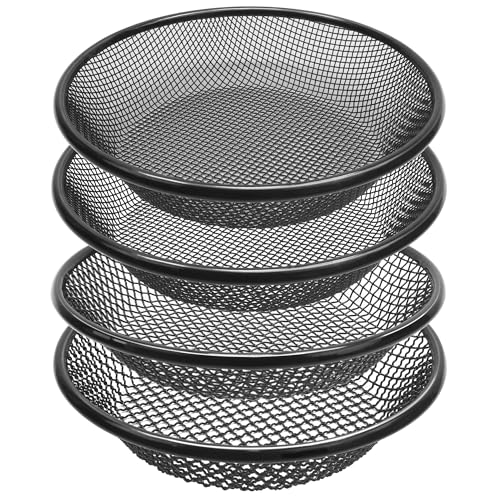
Mulctun Stainless Steel Soil Sifter 2/4/6/8mm

Plantonix Coco Coir Bricks 650gm (5-Pack)

Perfect Plants Organic Vermiculite 8 qt
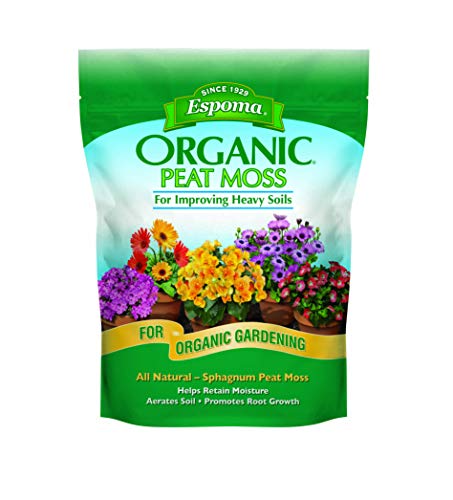
Espoma Organic Sphagnum Peat Moss

Miracle-Gro Houseplant Potting Mix 4 qt

Miracle-Gro Indoor Potting Mix 6 qt 2-Pack

Perfect Plants Organic Coco Coir 8 qt

Mountain Valley Minute Soil Compressed Coir

Garden Haven Coco Coir Seed Starter Discs
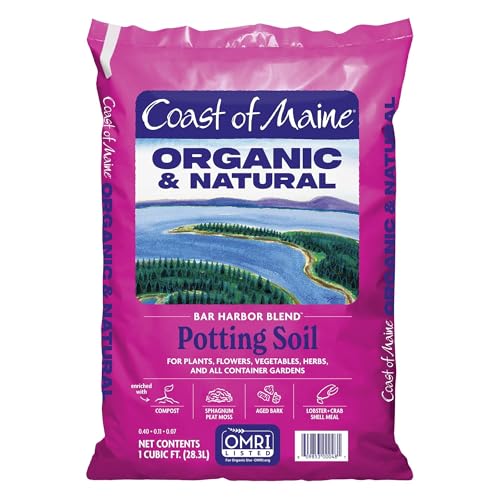
Coast of Maine Bar Harbor Blend Potting Soil
Meet The Standout Selections
This isn’t a soil at all but a tool that decides how well any soil works for cat grass. The sifter clamps onto a standard 5-gallon bucket, so you can shake garden soil or compost down to a uniform texture before adding it to a tray. Finer screens mean softer root runs and less compaction around tender wheatgrass or oat blades.
Most sifters skip the smallest grades, but the 2mm mesh here catches fine debris other kits miss. For anyone blending their own cat-grass medium, the multi-grid approach replaces guesswork with repeatable control. It’s a smart companion piece rather than a stand-alone product, sitting alongside the actual mixes further down this list.
Everyday Wins
- Four grid sizes (2mm, 4mm, 6mm, 8mm) let you tune texture for different seed types.
- Stainless steel construction resists rust during repeated wet-soil use.
- Fits a 5-gallon bucket, so cleanup stays contained and fast.
- Catches debris standard sifters miss, which matters for cats who nibble grass directly.
Trade Offs
- Doesn’t include a bucket, so you supply one or buy separately.
- Wet sticky clay can clog the 2mm mesh and slow the workflow.
Who It Suits Best
Hobby growers who reuse backyard soil or compost and want a clean, predictable texture before seeding cat grass trays.
A Better Fit Elsewhere
For a fully ready-to-use growing medium with no prep, the Plantonix Coco Coir Bricks 650gm (5-Pack) skips sifting entirely.
Coir (shredded coconut husk fiber) is one of the cleanest, most consistent media for cat grass, and these compressed bricks arrive dense and dry for easy storage. Add water and each brick expands into a loose, fluffy texture that resists compaction in shallow trays. The five-pack format covers several growing cycles without constant reordering.
The pre-rinsed and pre-screened claim matters here: many cheaper bricks carry salts and stray fibers that irritate sensitive grass shoots. Plantonix runs the coir through tight filtration, so the finished medium feels almost powdery when hydrated. Compare that to standard garden soil, which often compacts within a week and stalls new growth.
Points In Its Favor
- Pre-screened to remove fibers and grit, giving a cleaner texture than most bricks.
- OMRI-listed status supports organic gardening standards.
- Compressed format stores neatly on a shelf until needed.
- Rehydrates quickly, so a fresh tray is ready in minutes rather than overnight.
Things To Consider
- Holds water well, which can tip toward soggy if you overwater the tray.
- Five bricks may be more than a casual grower uses before the next purchase.
Right Fit For
Pet households running multiple cat grass trays on rotation who value a low-impurity, organic-listed medium.
Look Elsewhere When
Apartment dwellers with very limited shelf space may prefer the smaller Mountain Valley Minute Soil Compressed Coco Coir single-block format instead.
Vermiculite is a heat-expanded mineral that looks like flaky pebbles but behaves like a sponge, and this 8-quart bag covers several trays of blended medium. Most people use it as an additive rather than a standalone soil, mixed into peat or coir at roughly one part vermiculite to three parts base. The result is a lighter, airier tray that roots push through easily.
Unlike perlite (the white puffed bits), vermiculite absorbs and slowly releases moisture, which suits the steady-wet profile cat grass prefers. For growers blending their own mix, it solves the drainage-versus-retention tension in one ingredient. Pair it with the Espoma peat moss further down the list for a balanced, indoor-safe blend.
Everyday Perks
- Holds moisture while still letting air reach roots, reducing the soggy-tray risk.
- Doesn’t break down quickly, so blended mixes last multiple growing cycles.
- Neutral pH keeps it compatible with most seed types.
- Lightweight, so adding it doesn’t make trays heavy to move.
Minor Gripes
- Not a standalone medium, requires mixing with coir or peat to work well.
- Dust during pouring, so a quick mist before use helps.
Best Suited To
DIY blenders who build their own cat-grass medium from scratch and want reliable moisture management without additives.
Another Choice May Suit
For a no-mix ready-to-use option, Miracle-Gro Houseplant Potting Mix 4 qt skips the blending step entirely.
Peat moss (partially decomposed sphagnum harvested from peat bogs) is the classic base for seed-starting mixes, and Espoma’s version carries organic certification. You loosen heavy or compacted potting soil by blending peat through it, which keeps roots from suffocating in dense medium. For cat grass specifically, peat holds enough water that daily misting becomes optional rather than required.
The single-ingredient formulation means you control every other element that goes into the tray. Many growers mix this peat with the Perfect Plants vermiculite above for a balanced indoor blend. It’s a slow, steady performer rather than a flashy one, and that suits the low-maintenance nature of cat grass.
A Few Strong Suits
- 100% peat with no added fertilizers, keeping the medium neutral for sensitive pet nibblers.
- Improves aeration in heavy soils, which prevents the sour smell that comes with compaction.
- Organic-listed, fitting naturally into chemical-free indoor gardening setups.
- Useful beyond cat grass for cuttings, bulbs, and overwintering.
Honest Caveats
- Tends to dry out fast on its own, so it pairs best with a moisture-retaining partner.
- Single bag rather than multi-pack, so you may need more than one for repeated trays.
Made For
Organic-focused gardeners who want a flexible, certified base for custom cat-grass blends and broader seed-starting projects.
Not Your Match When
Anyone wanting a fully self-contained medium without further mixing should consider the Perfect Plants Organic Coco Coir 8 qt instead.
This is the grab-and-bag option for anyone who wants to skip the blending step. The mix arrives ready to pour into a tray, with a blend designed for indoor containers rather than outdoor beds. Cat grass thrives in it because the texture stays loose and the nutrient load is balanced for short-cycle growth.
Compared to the coco coir picks above, this mix brings added fertilizers, which speeds up blade growth in the first two weeks. The trade-off is that you can’t easily control what’s feeding the grass, since the nutrients are pre-blended. For pet households less concerned with strict organic inputs, that’s a fair trade.
What Earns Its Place
- Pre-mixed formula saves prep time for first-time growers.
- Formulated to reduce the gnats that often appear with denser, outdoor-style soils.
- Smaller 4 qt bag suits apartments and single-cat homes.
- Widely available, so restocking stays simple.
Points To Note
- Contains added fertilizer, which may bother growers who prefer plain media for pet-edible grass.
- Dries faster than pure coir blends, so watering frequency goes up.
Whose Shelf It Belongs On
Beginners who want a single, dependable bag for their first cat-grass tray without learning soil-mixing basics.
Swap It Out When
Cat parents wanting a more organic base should try Perfect Plants Organic Coco Coir 8 qt for fewer added inputs.
Same blend logic as the smaller Miracle-Gro bag above, scaled up to a 6-quart two-pack that covers a longer replanting cycle. The mix combines sphagnum peat moss, coir, and perlite, which balances water retention with the drainage cat grass roots need. The lighter weight also makes it easy to pour into trays without spilling.
Two bags mean you can keep an unopened pack in storage until the first runs low. For households running multiple trays in different rooms, the bulk format reduces the chance of running out mid-cycle. Compare that to single-bag options that need reordering after one or two plantings.
What Works In Its Favor
- Dual-bag format covers several trays without reordering.
- Balanced peat, coir, and perlite blend gives a forgiving texture for new growers.
- Lightweight enough to handle without straining during pouring.
Worth Bearing In Mind
- Two-bag pack may be more than occasional growers use before storage humidity affects the unused bag.
- Pre-mixed nutrients mean less control over what feeds the grass.
Perfect Match For
Multi-cat homes or busy pet owners who want a longer-lasting bag ready for several replant cycles.
Reach For A Different Pick When
For a strictly organic medium with no synthetic fertilizers, the Plantonix Coco Coir Bricks 650gm (5-Pack) is the cleaner pick.
Already hydrated and bagged at 8 quarts, this coir saves you the brick-soaking step that compressed options require. The blend includes a small percentage of organic sand, which adds drainage without turning the medium gritty. For shallow cat-grass trays, that balance keeps roots hydrated but never waterlogged.
Coir breaks down slowly, so the same bag stretches across many replant cycles before texture changes. The organic input story here appeals to households tracking what their cats might nibble. Compared to the Miracle-Gro indoor mix above, you trade pre-mixed nutrients for a cleaner, additive-light medium.
Why It Works Well
- Pre-hydrated, so trays can be filled and seeded the moment the bag opens.
- Added organic sand improves drainage without harsh minerals.
- Slow decomposition extends the working life of each batch.
- Pet-safer profile for households avoiding synthetic additives.
Potential Drawbacks
- Heavier and bulkier than compressed bricks once opened.
- Higher moisture content on arrival means shorter shelf life if not used promptly.
Who Should Grab It
Pet households wanting a ready-to-use organic medium without the soaking step that compressed coir requires.
Consider Something Else When
Those short on storage should look at Mountain Valley Minute Soil Compressed Coco Coir, which arrives dry and dense.
Minute Soil comes as a flat wafer that expands into roughly four-plus gallons of fluffy medium when water hits it. For tiny apartments or single-cat homes, that ratio is hard to beat. You don’t need a shelf to spare for a bulky bag, just a small corner for the dry disc.
Add water directly in the tray or a separate bowl and the coir breaks apart within minutes. This is the cleanest option for anyone who dislikes lugging heavy wet soil home from the store. It also fits well alongside the Espoma peat moss pick for growers mixing their own blend on demand.
Real-World Strengths
- Single disc format uses almost no shelf space until hydration.
- Expands fast, so a tray can be filled and seeded in the same session.
- Lightweight at purchase, easy to carry home without strain.
- Versatile for other seed-starting projects beyond cat grass.
Small Caveats
- Requires you to hydrate and fluff the medium before use, adding prep time.
- Smaller volume per disc than a full bag, so multi-cat homes may need several.
Built With In Mind
Small-space growers and casual pet owners who want minimal storage footprint and quick prep.
A Better Fit Elsewhere
For higher-volume needs without rehydrating each batch, Perfect Plants Organic Coco Coir 8 qt comes ready to pour.
These 50mm compressed pellets drop into a tray, swell with water, and form individual seed pockets without any bag-pouring. The pre-washed, pH-balanced claim removes two of the most common first-time frustrations: salt burn and unbalanced moisture holding the pellet in check.
For households running small starter trays across a kitchen counter, the disc format keeps everything tidy. You can seed, sprout, and transplant in the same pellet without disturbing new roots. The format differs from the loose-coir picks above, trading bulk volume for surgical, single-seed precision.
What Helps Most
- Pre-washed pellets reduce salt-related germination issues.
- pH-balanced medium removes a step most beginners forget about.
- Individual disc format suits tray seeding and transplant workflows.
- 100-count pack covers long-term succession planting.
Trade-Offs To Consider
- Each pellet holds limited volume, so dense tray coverage takes more discs.
- More expensive per cubic inch than bagged coir.
The Right Fit
First-time growers and succession planters who prefer individual seed cells over loose bulk medium.
Where A Sibling Pick Shines
For broader coverage at lower cost, Plantonix Coco Coir Bricks 650gm (5-Pack) fills a full tray in one go.
The Bar Harbor blend brings compost, sphagnum peat, perlite, and shellfish meal into a nutrient-rich mix meant for more than just cat grass. For larger containers or balcony planters where cat grass shares space with herbs and ornamentals, that versatility pays off. The compost content gives the medium a darker, loamier feel than the coir picks above.
Drainage stays reliable thanks to the perlite content, so even at half a cubic foot per bag, the medium doesn’t turn soggy. The trade-off is weight: a fully filled large planter becomes noticeably heavier than coir-filled alternatives. For indoor trays, you’ll use less per pot, so the bag stretches across many plantings.
A Strong Showing
- Compost-rich base supports strong early growth.
- Perlite inclusion keeps the texture loose across multiple watering cycles.
- Versatile for mixed plantings beyond cat grass.
Less-Strong Areas
- Heavier than coir-based picks, harder to transport home or pour.
- Organic-rich blend may carry a stronger earthy scent indoors.
Who Will Love This
Growers running larger mixed containers or balcony planters who want one bag to cover several plant types.
Skip It When
For strictly indoor kitchen-counter trays, Miracle-Gro Houseplant Potting Mix 4 qt is the lighter, less aromatic alternative.
Picking The Right Base For Your Cat Grass Tray
A clean, loose medium that holds steady moisture without becoming soggy is the foundation for healthy cat grass. Most indoor growers do well with coco coir because it’s consistent, low in salts, and resists the compaction that smothers tender roots. Drainage matters just as much as moisture, since shallow trays sitting on a counter rarely dry out between waterings.
For pet households, choosing a medium without synthetic fertilizers or strong added scents reduces the chance your cat rejects the tray. Pre-washed or pre-screened options save the trouble of flushing salts yourself, which matters for first-time growers. Loose, organic base mixes suit larger replanting cycles, while compressed bricks and pellets fit smaller spaces and occasional use.
If you grow other plants alongside cat grass, blending peat or coir with vermiculite gives you a flexible, repeatable recipe. The sifter at the top of this list helps you refine your own backyard soil or compost for the cleanest tray possible.
Quick Context For These Picks
Pitfalls Shoppers Hit
The biggest mistake is grabbing outdoor garden soil for an indoor tray, since it compacts fast and often carries insects. Another common slip is choosing a mix with strong added fertilizers, which can cause rapid but weak blade growth that wilts within days. Look for a medium labeled for indoor containers or seed starting rather than outdoor beds.
Where The Extra Money Goes
Premium picks like the Plantonix coir bricks cost more because the raw coir is washed and screened to remove salts and fibers that cheaper bricks leave behind. Higher-tier options also tend to carry organic certification, which adds processing and verification steps. For growers who want repeatable, low-maintenance trays, that extra screening is what keeps germination consistent across batches.
Frequently Asked Questions
What type of soil works best for growing cat grass indoors?
Coco coir or a peat-based seed-starting mix works best for indoor cat grass, since both stay loose and resist the compaction that outdoor soils suffer in shallow trays.
How often should cat grass soil be replaced?
Most growers replace the soil every two to three weeks when the grass is fully grown out, since spent medium loses structure and can develop odor as roots fill the tray.
Can regular potting soil be used for cat grass?
Standard potting soil can work in a pinch, but denser outdoor soils compact quickly and may introduce gnats or odors that make indoor trays unpleasant.
Do I need to add fertilizer to cat grass soil?
Pre-mixed indoor blends already include enough nutrients for a short growth cycle, so extra fertilizer is rarely needed and can actually weaken tender blades.
Is coco coir safe for cats to nibble?
Plain, pre-washed coco coir is considered safe for cats to nibble in small amounts, though the grass itself is the main attraction and the coir is just the growing medium.
