

A young Coffee arabica in a pot asks a lot from a small bag of growing medium. The roots need oxygen, the mix needs to shed water fast, and the pH wants to sit on the slightly acidic side. Pick a generic garden soil and the plant wilts in a season. This roundup walks through ten specialty mixes that suit arabica’s particular tastes, with notes on who each one actually fits.
A Closer Look At The Lineup

Veryplants Molly’s Aroid Potting Mix 5 Dry Quarts

HydraGarden Forbidden Cereal Aroid Potting Mix 6.5QT

Old Potters High Porosity Soil Mix 24 Quarts

Coast of Maine Cobscook Blend In-Ground Garden Soil 1 cu ft
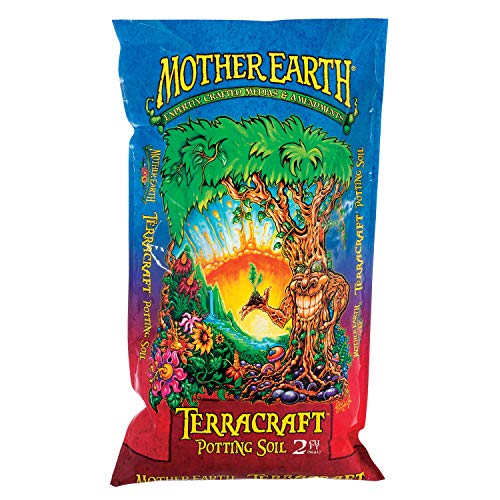
Mother Earth Terracraft Potting Soil 2 cu. ft.

Miracle-Gro Organic Outdoor Potting Mix 16 qt.

Sun Gro Black Gold 8-Quart All Purpose Potting Soil

Perfect Plants Snake Plant Soil 8 qt Coco Coir Mix

Back to the Roots Organic Coir 51 Quart Expanding Soil
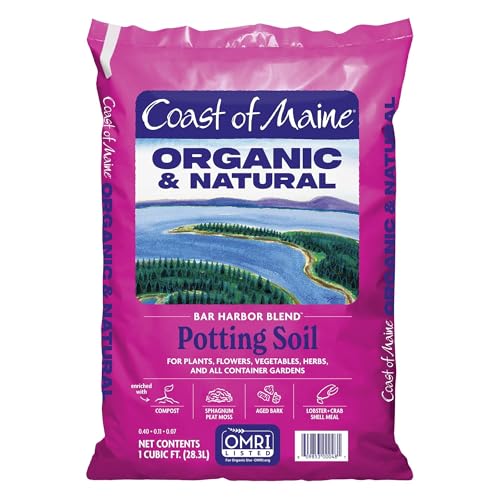
Coast of Maine Bar Harbor Blend Potting Soil 1 cu ft
A Deeper Look At The Lineup
If you’re growing arabica in a small indoor pot, this chunky, soil-free mix keeps the roots breathing. The blend relies on bark, perlite (a lightweight volcanic glass that aerates soil), and similar coarse amendments rather than dense loam, which is exactly what arabica dislikes sitting in. In most apartments, that’s the difference between a plant that pushes new leaves and one that sulks after every watering.
Compared to a peat-heavy bag, you’ll find the texture stays loose for months rather than compressing into a soggy brick. It’s also pitched as gnat-resistant, which matters once a coffee plant moves inside for the winter and humidity settles around the leaves.
Good Reasons To Consider
- Chunky, well-aerated structure prevents the compaction that arabica hates
- Soil-free formula drains fast, so accidental over-watering is hard to do
- Stays loose over time, meaning less frequent repotting in tight quarters
- Smaller bag size suits a single arabica in a 6 to 10 inch pot
Worth Noting
- Five dry quarts runs out quickly on anything larger than a modest planter
- Coarse texture can dry out fast in dry, heated indoor air
Feature Snapshot
Best Suited To
An apartment grower with a single young arabica in a 6 to 10 inch pot who wants a forgiving, airy mix.
Look Elsewhere When
The Mother Earth Terracraft Potting Soil 2 cu. ft. is a smarter grab if you’re repotting multiple larger containers on a patio.
Where Molly’s leans on a simple chunky structure, HydraGarden leans into ingredient diversity. Eight organic components aim to mimic the loose, leafy forest floor where arabica evolved, and the peat-free claim matters for growers who want a lower environmental footprint. If you’ve kept Monsteras or Hoyas alive, this mix sits in a similar lane.
The 6.5-quart bag handles two to three small repotting jobs, depending on pot size. For most kitchens and sunrooms, that’s a practical size rather than a bulk commitment.
Practical Advantages
- Peat-free recipe appeals to sustainability-minded indoor growers
- Eight organic ingredients cover aeration, moisture, and gentle nutrition
- Works across Monsteras, Hoyas, Orchids, and similar tropicals, so you can share one bag across a collection
Small Caveats
- Smaller bag means more frequent repurchasing for serious collections
- Organic blends can attract fungus gnats if over-watered in stagnant air
Who Will Love This
A collector with several tropicals who wants one bag that doubles for arabica, orchids, and philodendrons.
Skip It When
Pick Perfect Plants Snake Plant Soil 8 qt Coco Coir Mix instead if your space runs dry and you want a coir-driven formula.
Marketed for cacti and succulents, this blend still translates nicely to arabica in tight quarters. The peat moss and coarse perlite combination drains fast, which mirrors what arabica roots need in small 4-inch or 6-inch starter pots. The 24-quart bag is generous, so it’s worth considering only if you’re filling several small containers.
You may find the texture slightly less “woody” than the dedicated aroid mixes reviewed earlier. For gardeners who want a single bag that handles succulents and a young coffee plant on the same shelf, that’s a useful compromise.
The Value In It
- High porosity prevents water from pooling around fine arabica roots
- Large 24-quart bag covers many small pots at a low per-quart cost
- Canadian sphagnum peat moss holds just enough moisture between drinks
- Doubles as a succulent mix if your collection grows
Things To Consider
- Designed for 4-inch pots, so it dries quickly in larger planters
- Less bark content than aroid-focused mixes, meaning slightly less long-term structure
The Right Fit
A grower nurturing several young arabica cuttings in small starter pots who values drainage above all else.
Reach For A Different Pick When
The Mother Earth Terracraft Potting Soil 2 cu. ft. is the better grab for a single, mature patio container.
If your arabica lives in the ground in a warm climate (zones 10 to 11), it needs different help than a houseplant. This blend combines sphagnum peat moss, compost, and aged bark to enrich native beds. The honest read is that it won’t fix heavy clay on its own, but it gives a generous starting dose of organic matter when you amend a planting hole.
It also works as a top-dressing on established beds, suppressing weeds while slowly feeding the soil below. For a backyard coffee hedge, that dual purpose earns its place in the shed.
What Makes Sense
- Compost and aged bark improve both drainage and nutrient holding in native soil
- Sphagnum peat moss lightens clay without making the bed too acidic
- Doubles as a top-dress for suppressing weeds around mature arabica
Honest Caveats
- One cubic foot covers only a small planting hole or a few square feet of top-dress
- Not formulated for containers, so it compacts inside pots
Built With In Mind
A subtropical gardener planting arabica directly in a yard bed or amending a perennial border.
Consider Something Else When
Switch to Coast of Maine Bar Harbor Blend Potting Soil 1 cu ft for any arabica you intend to keep in a container.
Two cubic feet is a meaningful bag, and that’s the point here. Mother Earth Terracraft pairs peat moss, perlite, forest products, and earthworm castings (vermicast, the nutrient-rich waste worms leave behind) into a starter mix with a built-in nutrient charge. You can skip the first round of fertilizer for a few weeks, which is convenient for hands-off growers.
The blend suits both patio containers and indoor use, which is rare. Most arabica growers will appreciate the flexibility if the plant summers outside and winters inside.
Well-Handled Touches
- Earthworm castings offer a gentle organic nutrient release that won’t burn tender roots
- Two cubic foot bag fills multiple medium-sized containers
- Built-in nutrient charge delays the need for supplemental feeding
- Works for both indoor and outdoor arabica setups
Trade Offs
- Heavier bag is awkward to carry up apartment stairs
- Less coarse than aroid-specific blends, so monitor watering in deep pots
Made For
An outdoor patio gardener with one or more large arabica planters who wants one bag to cover several repots.
A Better Fit Elsewhere
Pick Veryplants Molly’s Aroid Potting Mix 5 Dry Quarts for a small indoor coffee plant where chunky aeration matters more than volume.
This is the friendliest entry point for someone who has never bought a specialty soil before. Miracle-Gro combines responsibly sourced peat with a quick-release natural fertilizer and upcycled components, and the 16-quart bag is sized for one or two patio containers. The easy part: it forgives beginner mistakes.
The trade-off: it isn’t tailored to arabica the way the aroid-focused blends are. You may find yourself refreshing it more often as the peat compacts.
Strong Points
- Quick-release natural fertilizer feeds plants for roughly two months
- Wide availability makes it a familiar choice for first-time growers
- Locally crafted blend with upcycled materials, useful for sustainability-minded shoppers
A Few Limitations
- Less chunky texture than aroid mixes, so aeration drops over time
- Designed for outdoor use, so it stays too wet indoors in low light
Who Should Grab It
A first-time arabica grower who wants a forgiving, mainstream mix for a patio container.
Swap It Out When
Move to HydraGarden Forbidden Cereal Aroid Potting Mix 6.5QT once your plant moves indoors for the colder months.
Sun Gro’s Black Gold is the steady-Eddie of the lineup. Canadian sphagnum peat moss, worm castings, forest humus, and pumice create a balanced structure, and the MultiCote controlled-release fertilizer feeds plants gradually over weeks. For arabica growers who forget to fertilize on schedule, that’s a quiet relief.
The 8-quart bag covers a single medium-sized repotting comfortably. It’s not flashy, but it’s predictable, which is what most people actually want.
Everyday Perks
- MultiCote controlled-release fertilizer takes the guesswork out of feeding schedules
- Pumice aerates the mix without the float-up behavior perlite sometimes shows
- Worm castings and forest humus add organic matter that breaks down slowly
Points To Note
- All-purpose formula is less specialized than aroid-focused blends
- Slow-release prills can be hard to distribute evenly in small pots
Quick Facts
Whose Shelf It Belongs On
A busy plant parent who forgets fertilizing schedules and wants a set-and-forget medium.
Another Choice May Suit
Pick Perfect Plants Snake Plant Soil 8 qt Coco Coir Mix when you want coarser drainage than peat-heavy mixes provide.
Sold for snake plants, but the same drainage logic applies to arabica. Coconut coir (a fibrous byproduct of coconut husks that holds moisture while staying loose), pine bark chips, and perlite create a blend that sheds water fast. In dry indoor air during winter, that fast drainage keeps root rot at bay.
Owners commonly report that coir-based mixes re-wet more easily than peat-heavy blends once they dry out, which simplifies midweek watering. That’s a small but real quality-of-life win.
Real-World Strengths
- Coir base re-wets cleanly, so dry pots don’t repel the next watering
- Pine bark chips give the mix long-lasting structure
- Drains quickly enough to prevent rot in heated indoor spaces
Soft Spots
- Coir holds less nutrition than peat, so plan on a regular feeding routine
- Pine bark chips can shift to the top of the pot over several months
The Right Fit
A grower in a dry, heated apartment where peat-based mixes tend to stay soggy too long.
Not Your Match When
Switch to Sun Gro Black Gold 8-Quart All Purpose Potting Soil if you prefer built-in, slow-release feeding.
This one arrives as a compressed brick and expands to roughly 51 quarts once you add water. For growers without garage space, that’s the entire appeal. The coconut coir base is peat-free, organic, and usable as a standalone medium or as an amendment to a richer mix.
Used alone, coir drains quickly but holds little nutrition, so you’ll want to pair it with a slow-release fertilizer or compost. As an amendment to a peat-based mix, though, it lightens things up nicely.
A Few Highlights
- Compressed brick stores easily on a closet shelf until needed
- Peat-free organic composition suits eco-minded shoppers
- Expands into a generous volume from a small starting brick
Room For Improvement
- Plain coir lacks fertility, so supplemental feeding becomes mandatory
- Requires a soaking step before use, which adds prep time
Perfect Match For
An apartment dweller with limited storage who needs a space-efficient base for an arabica potting mix.
Where A Sibling Pick Shines
Choose Perfect Plants Snake Plant Soil 8 qt Coco Coir Mix instead if you’d rather skip the soaking step and have a ready-to-use coir blend.
The Bar Harbor blend is the richer sibling of the Cobscook soil reviewed earlier. Sphagnum peat moss, compost, perlite, lobster and crab shell meal, and kelp meal combine into an organic mix built for containers. The shellfish meal slowly releases calcium and chitin (a natural compound that supports cell walls in plant tissue), which arabica appreciates during active growth.
It’s the most nutrient-dense entry in the lineup, so go lighter on supplemental feeding during the first month. For organic-focused growers in particular, that’s a thoughtful touch.
Useful Strengths
- Lobster and crab shell meal feed calcium slowly over weeks
- Kelp meal supplies trace minerals that arabica uses during leaf production
- Perlite keeps the mix from compacting inside deep containers
- Fully organic ingredient list aligns with chemical-free gardening routines
Trade-Offs To Consider
- Strong marine smell when first opened, which fades after a few days
- Smaller 1 cu ft bag runs out fast on larger patio planters
Feature Rundown
Who It Suits Best
An organic-focused outdoor gardener with a patio arabica in a medium-sized container.
Where Another Pick Suits Better
Pick Mother Earth Terracraft Potting Soil 2 cu. ft. if you want a larger bag that won’t run out mid-season.
Factors To Consider When Choosing Soils For Coffee Arabica
Drainage And Aeration
Coffee arabica roots dislike sitting in water, and they suffocate quickly in dense, compacted soil. Look for mixes that visibly include bark, perlite, pumice, or coarse coir, which are the amendments that keep air pockets open. A simple test: scoop a handful and squeeze. The mix should crumble loosely rather than form a wet ball.
pH And Acidity
Arabica prefers slightly acidic soil in the 6.0 to 6.5 range. Most peat-based and coir-based mixes land in that window naturally, while compost-heavy blends may drift higher. Skip mixes labeled for roses or azaleas, since those tend to overshoot the acidity for arabica.
Indoor Versus Outdoor Use
Indoor pots dry slowly and stay cooler, so chunky aroid-style mixes work best. Outdoor patio planters warm up and dry out faster, so a blend with more moisture-retentive compost, such as the Bar Harbor or Mother Earth options, holds up better through hot afternoons.
Nutrient Content And Feeding
Some mixes ship with built-in fertilizer (slow-release prills, worm castings, or compost), while others are nearly inert. New growers may prefer a built-in charge for simplicity. Experienced growers often prefer a leaner base so they control feeding on their own schedule.
Key Considerations Across These Picks
Mistakes Worth Dodging
A common trap is grabbing a generic outdoor garden soil, which compacts badly inside a pot and invites root rot. Another is assuming any “tropical plant” mix suits arabica without checking the texture. Some tropical blends lean moisture-retentive and still drown coffee roots. Match the texture to your pot size, not just the plant name.
When Paying More Pays Off
Higher-tier mixes in this roundup earn their place through ingredient diversity and structure. A bag with bark, pumice, worm castings, and kelp meal costs more per quart than a basic peat bag, but it drains better, feeds longer, and reduces how often you repot. For a plant you’ll keep for years, that quiet upgrade usually pays back in growth.
Frequently Asked Questions
What pH Is Best For Coffee Arabica?
Coffee arabica grows best in slightly acidic soil around 6.0 to 6.5 pH. Most peat- or coir-based mixes sit comfortably in that window, so you rarely need to adjust.
Can I Use Cactus Or Succulent Soil For Arabica?
Yes, in small pots and dry indoor conditions, cactus mixes with high perlite content drain well enough for arabica. In larger outdoor containers, they dry out too fast and lack enough organic matter.
How Often Should I Repot A Coffee Arabica?
Young plants typically need repotting every one to two years as roots fill the pot. Mature plants can stay in the same container for two to three years with annual top-dressing of fresh mix.
Do I Need To Add Fertilizer If The Mix Already Contains Some?
Most pre-charged mixes cover the first four to six weeks of growth. After that, plan on a balanced liquid feed every two to four weeks during the active growing season, or refresh the top inch of soil annually.
Is Peat-Free Mix Better For Arabica?
Peat-free mixes work fine for arabica, especially coir-based blends. They tend to re-wet more easily than dry peat and have a smaller environmental footprint, which appeals to many growers.
Closing Thoughts
The right soil depends less on brand and more on your pot size, climate, and watering habits. Match a chunky indoor mix to small containers, a richer organic blend to outdoor planters, and always prioritize drainage over fertilizer bells and whistles. A coffee plant that’s breathing easy at the roots will reward you with steady growth for years.
