

A pot of strawberries on a sunny patio can churn out fresh fruit all season, but only when the roots sit in a mix that drains well, holds moisture, and feeds steadily. Strawberries hate soggy crowns and depleted soil, so choosing the right growing medium is half the harvest. This roundup pairs complete potting soils with targeted fertilizers and a soil conditioner, giving you a flexible stack of products for both the planting day and the long feeding season ahead.
A Fast Comparison Of The Options

FoxFarm Happy Frog Acid Loving Plants Fertilizer

Miracle-Gro Moisture Control Potting Mix 8 qt (2-Pack)

Down To Earth Organic Vegetable Garden Fertilizer 5 lb

Down To Earth Organic Bat Guano 7-3-1, 2 lb

Miracle-Gro Moisture Control Potting Mix 16 qt

FoxFarm Ocean Forest Potting Soil 12 Quart

FoxFarm Happy Frog Potting Soil, 2 cu ft

FoxFarm Ocean Forest Potting Soil 2 x 12 Quart

Perfect Plants Organic Sphagnum Peat Moss 4 qt
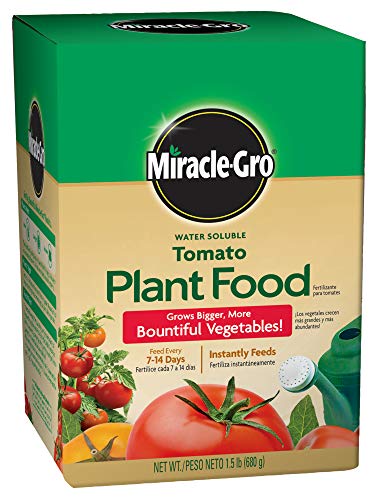
Miracle-Gro Water Soluble Tomato Plant Food 1.5 lb (Pack of 6)
A Breakdown Of The Leading Choices
Strawberries tolerate a slightly acidic root zone, and this FoxFarm fertilizer is built to keep things on the lower end of the pH scale. The 4 lb granular format spreads easily over the surface of a container, where watering pulls each prill down to the root zone over a few weeks. It pairs especially well with the peat-heavy mixes covered below, since both pull the soil toward that sweet, berry-friendly acidic range.
The package size is generous for a patio setup, so a single bag can feed several pots through most of the growing season. Gardeners who grow blueberries, azaleas, and strawberries in the same corner of the yard will appreciate that this formula is designed to serve the whole acid-loving crowd.
Advantages To Know
- Slow-release format means less frequent reapplication during the season
- OMRI-listed, fitting organic-leaning edible gardens
- Built-in mycorrhizal fungi and soil microbes support root development
- Granular texture makes spot-feeding individual pots straightforward
Things To Consider
- This is a fertilizer only, so it must be combined with a base potting soil
- Owners commonly report a mild earthy odor when first opened
Who It Suits Best
Container growers who want a targeted acid-leaning feed for strawberries and similar berry plants on a patio.
A Better Fit Elsewhere
Skip it and pick FoxFarm Ocean Forest Potting Soil if you’d rather start with a complete mix that already has nutrients mixed in.
Strawberries in small pots dry out fast on a sunny deck, and the AquaCoir Formula in this mix is designed to absorb and hold extra water compared with basic potting soil. The 2-pack gives you two 8-quart bags, which is enough to fill a couple of mid-sized strawberry planters or several smaller pots. For most beginners, the moisture-buffering effect is the real selling point.
The blend also feeds plants for several months, so you can plant, water, and step back without an immediate feeding schedule. It’s the kind of set-and-grow convenience that suits a busy patio gardener.
A Strong Showing
- AquaCoir ingredient helps the mix absorb more water than basic formulas
- Two-pack offers good value for a small patio setup
- Feeds plants for up to six months, reducing early-season chores
- Light texture suits shallow-rooted strawberry crowns
Honest Caveats
- The moisture buffer can hold too much water in deep, non-draining pots
- Not a standalone feeding program for the full season on hungry plants
Quick Facts
Made For
Patio gardeners who occasionally forget to water and want a forgiving mix that bridges the gap between rain and the next drink.
Skip It When
Reach for FoxFarm Happy Frog Potting Soil instead if your pots sit in full afternoon sun and you prefer a richer, castings-based blend.
Edible gardeners who prefer organic inputs tend to land on Down To Earth products, and this 5 lb box is sized for small backyard food gardens. It blends a range of natural nutrient sources into a slow-release formula that feeds strawberries steadily rather than all at once. That measured pace matches how fruiting plants actually use their nutrition.
For most container setups, you’ll either mix this into the potting soil at planting time or scratch it into the surface as a top-dress a few weeks in. The box format keeps things tidy on a covered porch, and the texture spreads evenly without clumping.
Positive Takeaways
- Slow-release organic formula matches how strawberries draw nutrients over time
- Versatile enough for vegetables, berries, and herbs in the same patio
- Safe formulation that protects pollinators and pets around the garden
Worth Noting
- Must be paired with a quality potting soil since it’s a fertilizer, not a medium
- Organic breakdown can vary in cooler soil, so feeding pace shifts by climate
Right Fit For
Organic-leaning food gardeners who want a multi-purpose fertilizer that handles strawberries alongside other patio veggies.
Look Elsewhere When
Choose the Down To Earth Organic Bat Guano if you specifically want a stronger nitrogen push for early leaf growth.
Strawberries need plenty of nitrogen early on to build strong crowns and leaves before they switch into fruiting mode. This 7-3-1 bat guano delivers a heavier nitrogen ratio than most organic blends, with roughly a third of that nitrogen already water-soluble for a fast start. The 2 lb box is a manageable size for a few patio pots.
It works well as a starter charge mixed into the potting soil, then dialed back once flowers appear. Guano has a long history with fruiting crops, and many growers swear by its impact on berry production.
A Favorable Mix
- Higher nitrogen ratio drives the leafy growth strawberries need early
- Partially water-soluble for quicker visible response
- OMRI-listed, so it stays within organic gardening standards
- Compact 2 lb box stores easily on a shelf or in a shed
A Few Limitations
- The strong nitrogen kick can push leaves over fruit if used through the whole season
- It’s a fertilizer, not a soil, so it must be combined with a base mix
Best Suited To
Growers starting new strawberry crowns who want an organic push for the vegetative stage before shifting to fruiting feeds.
A Better Fit Elsewhere
Pick the Down To Earth Organic Vegetable Garden 5 lb instead if you’d rather a balanced, gentler multi-purpose feed for the whole season.
The single 16-quart bag is the larger sibling to the 2-pack reviewed above, and the AquaCoir moisture-buffering logic is the same. For a more substantial strawberry planter or a row of pots, this volume covers the job without buying multiples. It’s a familiar format for anyone who’s gardened with Miracle-Gro products before.
The mix also feeds plants for roughly six months, so you can plant in spring and not worry about feeding again until mid-season. That makes it a comfortable choice for gardeners who’d rather spend time harvesting than measuring fertilizer.
The Helpful Details
- AquaCoir formula absorbs more water than basic potting soil
- Feeding lasts up to six months, easing the early-season workload
- One 16-quart bag suits a medium planter or several small pots
- Designed specifically for container plants
Some Limits To Know
- Moisture buffer holds more water than a plain mix, so deep pots without drainage can stay wet
- Heavier bag is awkward to carry once full
Perfect Match For
Patio growers with a single larger strawberry planter who want one bag to handle the whole fill.
Another Choice May Suit
Go with Perfect Plants Organic Sphagnum Peat Moss if you want to blend your own custom mix and dial moisture exactly where you want it.
FoxFarm’s Ocean Forest is the kind of mix that feels closer to a rich garden bed than a typical bagged potting soil. The blend folds in earthworm castings, fish meal, and crab meal alongside aged forest products and sphagnum peat moss, giving it a darker color and a softer, more textured feel. For newly potted strawberry crowns, that texture encourages roots to spread quickly.
The 12-quart size is a comfortable single-bag volume for a small strawberry patch. Since the mix ships with nutrients already mixed in, you can delay the first feeding for several weeks, giving young roots time to settle in.
What Helps Most
- Light, aerated texture suits the shallow, spreading roots of strawberry crowns
- Built-in organic nutrition from earthworm castings, fish meal, and crab meal
- pH-balanced blend that works for most edible container crops
- Good drainage from sandy loam ingredients prevents soggy crowns
Trade-Offs
- Strong organic smell at opening that some gardeners find noticeable
- Single 12-quart bag may run short for very large planters
Feature Snapshot
Whose Shelf It Belongs On
Container gardeners who want a ready-to-plant mix with fertility built in, especially when starting bare-root strawberry crowns.
Reach For A Different Pick When
Swap in FoxFarm Happy Frog Potting Soil 2 cu ft if you’re filling a bigger planter and want a bigger volume of premium mix.
The 2-cubic-foot bag is the bulk format in the Happy Frog lineup, designed for gardeners filling multiple strawberry planters or even a small raised bed. The blend pairs aged forest products with earthworm castings, delivering a richer mix than a basic peat-and-perlite formula. For larger patio projects, the bulk size keeps the per-pot cost reasonable.
FoxFarm emphasizes premium ingredients in this line, so you won’t find cheap fillers or topsoil mixed in. That tends to translate to steadier root growth and fewer compaction issues across a long growing season.
Notable Gains
- Large 2 cu ft bag suits multi-pot strawberry setups
- Earthworm castings support steady biological activity in the root zone
- Premium ingredient list, with no topsoil or sludge fillers
Potential Drawbacks
- Bulky 2 cu ft bag is heavy to carry and store on a small balcony
- Premium pricing per bag compared with smaller volumes
Who Will Love This
Serious container gardeners with multiple strawberry planters who want one bag to cover the whole patio.
Swap It Out When
Choose the FoxFarm Ocean Forest 12 Quart if a 2 cu ft bag feels like overkill for your space.
If you like the Ocean Forest blend from earlier but need more than a single 12-quart bag, the 2 x 12 Quart pack gives you two of the same bags at once. The texture, ingredient list, and pH balance stay consistent between the single-bag and multi-bag versions, so a multi-pot strawberry patch gets the same quality across every container.
The two-bag format also makes sense as a hedge against running short mid-project. Gardeners who’ve ever had to make a second trip for more soil will appreciate the extra bag sitting in the shed.
Everyday Wins
- Two bags in one purchase for multi-pot strawberry setups
- Same premium ingredient profile as the single 12-quart bag
- Built-in organic nutrition delays the need for early feeding
- Light, aerated texture suits shallow strawberry roots
Things To Weigh
- Two sealed bags mean more packaging to deal with at once
- Still more expensive per quart than bulk bag options
Feature Rundown
Who Should Grab It
Patio growers planting a small strawberry patch across several pots who want to standardize on one premium mix.
Not Your Match When
Pick the FoxFarm Happy Frog Potting Soil 2 cu ft instead if you’d rather have one bulk bag than two smaller ones.
Peat moss isn’t a complete soil, but it’s a powerful conditioner for any mix you build yourself. The 4-quart bag of pure sphagnum peat moss holds water well and resists compaction, so roots can push through it without struggling. Blended at roughly a 1:3 ratio into a basic potting mix, it creates a lighter, more moisture-retentive root zone that strawberries appreciate.
The pure peat format means no added fertilizers or fillers, so you stay in control of the nutrient program. That’s handy for gardeners who already know exactly how they like to feed their berries.
Benefits That Matter
- High absorbency holds water and nutrients near the root zone
- Pure peat moss with no added fertilizers, keeping the feeding plan in your hands
- Loose texture that resists compaction in containers
Less Ideal Details
- Not a standalone growing medium, so it must be blended with other ingredients
- Dry peat can shed water until fully moistened, so pre-wet before planting
Built With In Mind
DIY mix builders who like to adjust the peat-to-perlite ratio for their specific strawberry containers.
Where A Sibling Pick Shines
Pick Miracle-Gro Moisture Control Potting Mix 16 qt if you’d rather skip the blending and use a ready-made mix.
Once strawberry plants start flowering and setting fruit, a quick-acting feed can push harvests along. This water-soluble tomato food works just as well on container strawberries, mixing easily into a watering can for a weekly dose. The 6-pack format keeps a season’s worth of feeding covered in one purchase.
The formula is designed to be safe for plants when used as directed, which matters for a fast-acting fertilizer applied every couple of weeks. For patio growers who already use a base potting soil, this is a practical add-on for the fruiting stage.
What It Does Well
- Dissolves quickly for fast nutrient uptake during fruiting
- 6-pack covers a full season of weekly feeding
- Mixes into any standard watering can
- Works across tomatoes, strawberries, and other fruiting patio crops
Some Limits To Know
- Water-soluble feed needs consistent application, so skipping weeks shows in the plants
- Must be combined with a base potting soil, not used alone
The Right Fit
Growers with established strawberry plants who want a simple, repeatable liquid feed for the flowering and fruiting stretch.
Look Elsewhere When
Reach for the Down To Earth Organic Vegetable Garden 5 lb if you’d rather a slow-release granular approach over liquid feeding.
What Matters In A Strawberry Container Mix
A strawberry pot only works if the root zone stays moist but never waterlogged. Strawberries dislike wet crowns, so drainage matters as much as moisture retention. Look for mixes with peat moss, coir, or composted forest products on the ingredient list, since those hold water without compacting around the roots. Perlite or pumice in the blend keeps the structure loose.
Container size changes the equation. Small pots dry out within hours on a hot patio, so a mix with moisture-buffering ingredients like AquaCoir pays off. Bigger planters hold moisture longer and give roots more room to spread, which favors richer blends with built-in fertility.
Feeding strategy splits into two camps. Slow-release granular fertilizers feed steadily over weeks and suit hands-off gardeners. Water-soluble feeds give a quicker response and let you adjust by growth stage, which fits growers who like to stay hands-on through the season.
Acidity matters more than most beginners realize. Strawberries prefer a slightly acidic root zone, and peat-heavy mixes naturally pull the pH in that direction. If your tap water runs alkaline, an acidic-leaning fertilizer can help keep the soil in the right range over time.
Common Buying Mistakes And When Spending Up Pays
Where Shoppers Go Wrong
The most common slip is grabbing a multi-purpose garden soil instead of a true potting mix. Garden soil compacts in containers and can suffocate strawberry roots within weeks. Another frequent trap is assuming any fertilizer works the same way on berries as on tomatoes or grass; fruiting edibles have specific needs, and a mismatched formula leads to lots of leaves and few berries.
What The Higher Tier Buys
Premium potting soils justify their higher cost with richer ingredient lists: earthworm castings, fish meal, aged forest products, and proper pH balancing. Those inputs deliver steadier nutrition and better drainage across the whole pot, not just the top inch. For a small strawberry patch, the upgrade often means fewer workarounds later and a more reliable harvest through the season.
Frequently Asked Questions
Do strawberries need special soil in containers?
Strawberries do best in a loose, well-draining potting mix that’s slightly acidic. Garden soil from the yard compacts too easily in a pot and should be avoided.
Can I use regular potting soil for strawberries?
A standard potting mix works in a pinch, but blends with peat moss, perlite, and some built-in fertility give noticeably better results for container strawberries.
How often should I fertilize container strawberries?
A slow-release granular feed applied at planting usually covers the first six to eight weeks, after which a liquid feed every one to two weeks keeps fruiting plants productive.
What pH do strawberries prefer?
Strawberries like a slightly acidic root zone, generally in the range of about 5.5 to 6.5. Peat-heavy mixes and acidic-leaning fertilizers both help keep the pH in that window.
How long does potting soil last in a strawberry pot?
Most potting mixes hold their structure for one full growing season. After that, refreshing the top few inches and adding a new round of fertilizer keeps the next season productive.
Closing Thoughts
Container strawberries reward growers who match the mix to the pot, the climate, and the feeding style. A moisture-buffering blend helps forgetful waterers, while a richer castings-based mix suits hands-off planters. Pair the right base soil with a steady feed, and a small patio can deliver a surprisingly generous berry harvest.
