

Choosing the right soil for corn sets the tone for the entire growing season. Corn is a heavy feeder that pulls nitrogen, phosphorus, and potassium from the ground faster than most home vegetables, so the soil you plant into needs to hold moisture without staying waterlogged and drain well without drying out in midsummer heat. Pick the wrong bag and you’ll spend the summer chasing yellowing leaves and skinny ears.
This lineup covers a range of growing setups: traditional in-ground beds, raised planters, container corn on a patio, and seed-starting mixes for an early jump. Most options below work as direct planting mediums, while a couple (the coco coir bricks) are designed to be mixed into native soil to improve texture, water retention, and organic content. A few lean toward general-purpose container use but handle corn well in large pots.
A Quick View Of The Lineup

Miracle-Gro Potting Mix, 16 qt. (2-Pack)

Coco Coir 650gm Bricks (5-Pack)
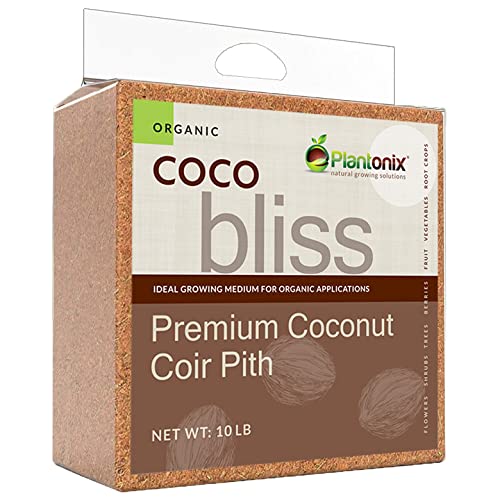
Coco Bliss (10lbs) Coco Coir Brick

Coast of Maine Cobscook Blend In-Ground Soil

Miracle-Gro Indoor Potting Mix, 6 qt., 2-Pack

FoxFarm Ocean Forest Potting Soil 12 Quart

FoxFarm Ocean Forest Potting Soil 2×12 Quart

Vermont Compost Company Fort Vee 40 Qt

Miracle-Gro Potting Mix 2 cu. ft.
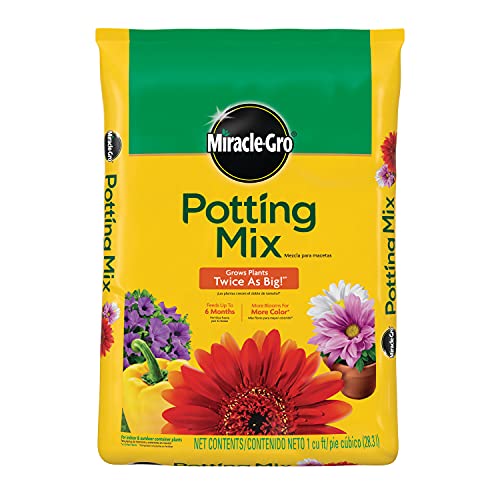
Miracle-Gro Potting Mix 1 cu. ft.
A Deeper Look At The Lineup
A reliable two-pack of Miracle-Gro’s standard potting mix gives small-space corn growers a steady feed window without daily fertilizer fuss. The blend is built for outdoor containers and works across vegetables, herbs, shrubs, and flowering annuals, so a single bag can serve multiple patio projects alongside your corn.
For most patios, the 6-month feeding window is the standout: it covers the bulk of corn’s active growth cycle from transplant through ear fill. Pair it with deep, at-least-12-inch containers, and you can run a short-season sweet corn variety on a sunny balcony. If you grow more than one crop in the same pot, though, corn’s nutrient draw may still require a midseason side-dress.
A Few Highlights
- Built-in feeding sustains corn through most of its growing cycle
- Two-pack format reduces trips to the store midseason
- Versatile enough for mixed container plantings
- Formulated for outdoor pots with drainage
Things To Consider
- 16 qt. total may run short for gardeners planting several corn blocks
- Not designed for direct in-ground rows
- Heavily fed corn may still want a nitrogen boost during tasseling
Right Fit For
Patio and balcony gardeners growing a small stand of sweet corn in containers who want a simple, low-fuss feeding schedule.
Consider Something Else When
Coast of Maine Cobscook Blend In-Ground Soil is the better match for traditional backyard row planting where you’re working with native earth.
These compact coco coir bricks are an amendment, not a stand-alone planting medium, and that’s exactly what many corn beds need. Each brick expands dramatically when hydrated, loosening dense native soil or adding water-holding capacity to fast-draining sand.
The OMRI-listed designation signals suitability for organic gardening programs, and the pre-rinsed, pre-screened processing claims aim to keep debris out of your seedbed. For corn, mixing one or two hydrated bricks into a 4×8 bed before planting helps create the loose, moisture-balanced root zone corn prefers. You will still need to add compost or a balanced fertilizer since coir alone is nearly inert.
Practical Pluses
- Compact brick form stores easily in a shed or garage
- Expands many times over for serious bed coverage
- Improves texture in both clay-heavy and sandy soils
- Listed for organic gardening use
Worth Noting
- Not a complete planting medium on its own
- Hydration step adds prep time before planting
- Low inherent nutrients means supplemental feeding is required
Best Suited To
Gardeners working with compacted or sandy native soil who want to improve structure before planting a corn block.
Skip It When
Miracle-Gro Potting Mix 2 cu. ft. is the simpler route for container corn where you need a ready-to-use blend without hydration prep.
The 10-pound Coco Bliss brick covers the same amendment role as the smaller five-pack but in a single larger block, which suits gardeners prepping a whole corn row at once. Hydrated, it fluffs into a generous volume of fibrous material ready to blend into native soil.
Like its smaller sibling, this coir carries OMRI-listed status and a screened processing claim for reduced debris. Corn beds benefit from the improved moisture retention, especially during the silking-to-ear-fill stretch when water stress directly reduces yield. You’ll still want a compost or nitrogen source alongside it, since coir is mostly a structure improver rather than a nutrient source.
Everyday Perks
- Single bulk brick reduces packaging per pound of coir
- Useful for amending multiple beds in one session
- Listed for organic gardening programs
- Helps soil hold moisture through midsummer heat
Honest Caveats
- Single brick requires a large container for hydration
- Still needs nitrogen and phosphorus added for corn
- Storage space matters when the brick is unopened
Key Specs
Who It Suits Best
Backyard growers prepping a sizable corn plot who want one bulk block to amend multiple rows.
Not Your Match When
Miracle-Gro Indoor Potting Mix, 6 qt., 2-Pack is the better pick if you’re starting seedlings indoors before transplanting outside.
Cobscook Blend is built for in-ground beds rather than containers, and that’s the right tool for traditional corn rows. The recipe combines sphagnum peat moss, compost, and aged bark, giving the kind of rich, loose texture corn roots need to push deep.
The blend doubles as a top-dressing for established beds, so you can refresh a perennial border or improve a tired vegetable row without a full dig-out. For corn specifically, working a few inches into the top of an existing bed before planting noticeably improves early root spread in heavy clay. It’s a 1 cu ft bag, so plan on multiple bags for a serious corn block.
Reasons It Performs
- Compost content supports corn’s nitrogen appetite
- Aged bark helps with drainage in heavier soils
- Useful for both new beds and top-dressing old ones
- Suitable for annual and perennial plantings
Trade Offs
- Smaller bag volume means buying multiples for large plots
- Not formulated for container use
- Premium ingredient list reflects in the price
Built With In Mind
Traditional row-corn gardeners working native in-ground beds who want a compost-enriched blend rather than a soilless mix.
A Better Fit Elsewhere
Miracle-Gro Potting Mix 1 cu. ft. is the smarter choice when you’re growing corn in patio containers rather than open rows.
Starting corn indoors before transplanting gives northern growers a head start on a long-maturity variety, and this indoor mix is built for that early phase. The blend combines sphagnum peat moss, coir, and perlite, creating the airy, moisture-balanced medium young corn roots need.
The “indoor” label signals it isn’t loaded with bark or coarse compost, so seed-starting trays and small pots stay light and easy to handle. Plan on transplanting corn out once roots fill the cell and the outdoor soil has warmed, since corn dislikes root disturbance. For most home growers starting a single tray, the two-pack leaves room for a succession sowing or some companion vegetables.
Well-Handled Touches
- Lightweight texture suits seed trays and small pots
- Coir component supports steady moisture without sogginess
- Perlite keeps the mix from compacting over time
- Two-pack gives flexibility for succession sowing
Points To Note
- Designed for indoor seed-starting, not full-season outdoor containers
- Corn dislikes root disturbance, so timing matters at transplant
- 6 qt. runs out fast for gardeners starting many trays
Quick Facts
Perfect Match For
Gardeners in short-season climates starting corn indoors to transplant after the soil warms.
Where Another Pick Suits Better
Miracle-Gro Potting Mix, 16 qt. (2-Pack) is the better fit for direct outdoor container planting without the indoor head start.
Ocean Forest is the heavyweight contender on this list, packing nutrient-rich amendments into a container-ready blend. The mix layers aged forest products, sandy loam, and sphagnum peat moss, then tops that off with fish meal, crab meal, and earthworm castings for a feed-the-plant-from-day-one profile.
For corn in containers, this means a denser nutrient base than standard peat-based mixes, which matters once stalks hit the rapid-growth phase. The light, aerated texture still drains well, so roots don’t suffocate even in deep pots. Watch the included fertility on short-season plantings: the built-in feed can run hot for very young seedlings, so a light mulch of plain mix on top helps buffer the start.
What Makes Sense
- Built-in organic nutrient sources reduce early fertilizing
- Aerated texture suits deep container root systems
- Ready to use straight from the bag
- Works for seedlings, transplants, and established container plants
Some Limits To Know
- Strong nutrient load may be too rich for very young seedlings
- 12 qt. fills only a few mid-size containers
- Distinct earthy smell when first opened
Whose Shelf It Belongs On
Container gardeners who want one premium blend that handles both seed-starting and full-season corn in pots.
Another Choice May Suit
Coco Coir 650gm Bricks (5-Pack) is the better match if you’re amending an in-ground bed rather than filling containers.
The two-pack Ocean Forest delivers the same nutrient-dense blend as the 12-quart option, doubled up for gardeners running multiple containers or a sizable patio corn patch. The earthworm castings, fish meal, and crab meal lineup remains unchanged, so each bag behaves identically to its single sibling.
If you’re growing corn in raised planters, this format lets you fill two large vessels in one shopping trip without breaking up the consistency of your soil across containers. Compared to the Miracle-Gro Potting Mix 2 cu. ft., you trade raw volume for richer amendments, so the choice comes down to whether you want quantity or feeding power per cubic inch. For corn specifically, that richer start tends to pay off once ears begin forming.
Useful Strengths
- Doubled volume covers more containers per order
- Same organic amendments as the single 12 qt. bag
- Light texture prevents compaction in deep pots
- Suitable for seedlings through full-season plants
Practical Considerations
- Heavier to ship and store than a single bag
- Nutrient load still runs hot for delicate seedlings
- Premium positioning means higher overall cost
Feature Snapshot
Made For
Container corn growers running several pots or a sizable patio plot who want a richer amendment profile than basic potting mix.
Look Elsewhere When
Coco Bliss (10lbs) Coco Coir Brick is the smarter pick if you’re amending native in-ground soil rather than filling containers.
Fort Vee sits at the organic-leaning end of the spectrum: a compost-based potting mix rather than a peat-forward blend. For corn, that’s a meaningful difference, since compost delivers a slow, broad nutrient release that matches corn’s steady draw better than a single shot of synthetic feed.
The 40-quart total volume, delivered as a two-pack, handles several mid-size containers or one large raised bed in one order. Compared to FoxFarm Ocean Forest, the fertility here is gentler but longer-lasting, so very hungry plantings may still want a midseason side-dress. If you keep an organic garden and want the same logic to extend to corn, this is the cleanest fit in the lineup.
A Favorable Mix
- Compost-based nutrition matches corn’s feeding pattern
- Suitable for indoor seed-starting and outdoor containers
- Generous 40-quart total for multi-container use
- Fits organic gardening principles
Room For Improvement
- Gentler feed than synthetic-charged mixes
- Heavier bag weight can make handling awkward
- Compost smell is noticeable at first opening
Who Should Grab It
Organic-focused gardeners who want a compost-first blend for both seed-starting and full-season container corn.
Reach For A Different Pick When
Miracle-Gro Potting Mix 2 cu. ft. is the better value when volume matters more than organic certification.
The 2 cu. ft. Miracle-Gro bag is the volume play of this list, sized for filling a large raised bed or multiple containers in one pass. The included fertilizer feeds for up to 6 months, which covers most of corn’s productive window from transplant through ear fill.
Standard application runs simple: fill a container about a third full, set the plant, top off, and water thoroughly. For corn specifically, you still want a deep container, since shallow pots cap root growth and ear development. Compared to the smaller 1 cu. ft. sibling, this bag simply removes the refill trip, which matters most when you’re planting several corn blocks at once.
Points In Its Favor
- Generous 2 cu. ft. volume for big projects
- 6-month feeding reduces midseason fertilizing
- Works across flowers, vegetables, and shrubs
- Container-focused formulation drains well
Less Ideal Details
- Big bag is awkward to store once opened
- Not intended for in-ground planting
- Heavy feeder crops like corn may still need a midseason boost
At A Glance
Who Will Love This
Home gardeners planting a sizable corn block in containers or raised beds who want one bag to cover the whole project.
Swap It Out When
Coast of Maine Cobscook Blend In-Ground Soil is the better match for traditional backyard rows where you’re working native earth.
The 1 cu. ft. Miracle-Gro Potting Mix closes the list as the dependable standard-bearer: a familiar blend, a manageable bag size, and the same up-to-6-month feeding as the larger sibling. For a small backyard corn planting or a couple of mid-size containers, it hits a practical sweet spot.
Application is the same straightforward routine: a third full, plant in, top off, water thoroughly. The included fertilizer takes care of early growth, but corn’s midseason nitrogen appetite may still need a side-dress once tassels appear. Compared to the 2 cu. ft. version, you trade volume for handling ease, which matters most when storage space or carrying distance is a concern.
Where It Excels
- Single manageable bag for small plantings
- 6-month feeding covers most of corn’s cycle
- Suitable for indoor or outdoor containers
- Works across vegetable, flower, and shrub use
Things That May Matter
- Runs out fast for gardeners with multiple large containers
- Corn may need supplemental nitrogen during heavy feeding stages
- Not formulated for in-ground rows
Feature Card
The Right Fit
Small-scale gardeners with a few containers or a modest corn planting who want a familiar, low-fuss mix.
A Better Fit Elsewhere
FoxFarm Ocean Forest Potting Soil 2×12 Quart is the smarter pick when richer amendments and larger volume matter more than a single small bag.
Matching Soil To The Way You Grow Corn
Corn falls into a few distinct growing setups, and the soil that works best changes with each. Container growers need a light, well-draining mix with built-in fertility, since pots dry out fast and root depth is capped. In-ground gardeners benefit from a richer, compost-based blend worked into native soil to improve texture and feed heavy stalks through the long growing season. Seed starters want an airy, low-feed mix that lets young roots establish without burning tender tissue.
Drainage and water retention both matter, but they pull in opposite directions. Corn wants moisture available during silking and ear fill, but roots sitting in waterlogged soil rot quickly. Look for mixes that mention perlite, coarse sand, or aged bark for drainage, paired with peat, coir, or compost for moisture holding. The bag should feel light for its size, not dense and soggy.
Nutrient content shifts the maintenance load significantly. A blend with up to 6 months of feeding reduces midseason fertilizing, but corn is genuinely hungry and may still want a nitrogen side-dress once tassels form. Organic compost-based mixes feed more gently but longer, which suits gardeners who prefer a slow-release approach.
Reading The Bag Label
The most useful clues sit in the ingredient list. Sphagnum peat moss and coir indicate moisture management, perlite indicates aeration, and compost or worm castings indicate slow-release fertility. Fish meal and crab meal signal stronger early-stage feeding. Aged bark signals better drainage for heavier native soils.
For organic gardeners, an OMRI-listed designation confirms the product meets organic program standards. Container gardeners should look for language that mentions outdoor pots or container plants specifically, since mixes for garden beds often lack the drainage components containers need.
Matching Volume To Project Size
A 6 qt. bag handles a small tray of seedlings or two small houseplants. A 16 qt. bag fills a few mid-size patio containers. A 1 cu. ft. bag covers a modest backyard planting. A 2 cu. ft. bag suits multiple containers or one large raised bed. Coco coir bricks expand dramatically, so a single 10-pound brick can amend a sizable row once hydrated.
Buying more than you need creates storage headaches, since opened bags lose quality over time. Buying too little means midseason refill trips and inconsistent soil across containers. Measure your containers or beds before ordering and round up by a small margin.
Common Corn Soil Mistakes And How To Dodge Them
Wrong Turns To Avoid
One of the most common pitfalls is using garden soil or topsoil in containers. Both compact heavily in pots, choking off roots and holding too much water around the crown. A dedicated potting mix is lighter and better draining, which corn roots need.
Another misstep is assuming the included fertilizer covers the entire season. Most bagged mixes feed for a set window, but corn’s nutrient draw accelerates during rapid growth. A midseason nitrogen side-dress usually pays off in taller stalks and fuller ears.
When Paying More Pays Off
Premium mixes like FoxFarm Ocean Forest and Vermont Compost Fort Vee cost more per quart, but the trade shows up in richer amendments and more forgiving performance. For gardeners running several containers or a high-value planting, the upgrade saves midseason fuss and often produces stronger stalks. For a single small pot or a casual trial, a basic Miracle-Gro blend handles the job without stretching the budget.
Frequently Asked Questions
Can you use regular garden soil for corn in containers?
Garden soil compacts badly in pots, restricting root growth and holding excess water around the crown. A dedicated potting mix with perlite or coarse material drains properly and gives corn roots the aeration they need.
How often should you fertilize corn in containers?
Most bagged mixes feed for several months, but corn is a heavy feeder. Plan on a nitrogen side-dress once stalks reach knee height and again at tasseling for the strongest ear development.
Is coco coir a complete soil for corn?
Coco coir is an amendment, not a complete medium on its own. It improves texture and moisture retention but provides almost no nutrients, so pair it with compost or a balanced fertilizer.
What’s the minimum container depth for corn?
Corn needs at least 12 inches of depth for a healthy root system, and deeper is better. Shallow pots cap root growth and lead to underdeveloped stalks and small ears.
Can you start corn indoors and transplant it?
Yes, corn transplants reasonably well if you start it in biodegradable cells and move it before roots bind. Avoid disturbing the root ball, since corn is sensitive to root damage at transplant.
Bottom Line
Corn rewards soil that drains well, holds moisture, and feeds steadily through a long season. Container growers should lean toward light, fertile potting mixes like Miracle-Gro Potting Mix or FoxFarm Ocean Forest. Backyard row planters will get more from a compost-rich in-ground blend like Coast of Maine Cobscook, while gardeners working tough native soil can rebuild texture with a hydrated coco coir brick. Pick the format that matches your setup, and corn will do the rest.
