

Waterlogged roots are the quiet killer of container plants, terrariums, and tropicals. The right mix keeps oxygen flowing around roots while still holding enough moisture for steady growth. This roundup walks through ten drainage-focused soils and amendments that handle everything from Monsteras in decorative pots to bonsai in shallow trays and seed-starting cells indoors.
The Picks In Brief

MODELLOR Coco Coir Bricks 4-Pack 5 lb

FoxFarm Ocean Forest Potting Soil 1.5 cu ft
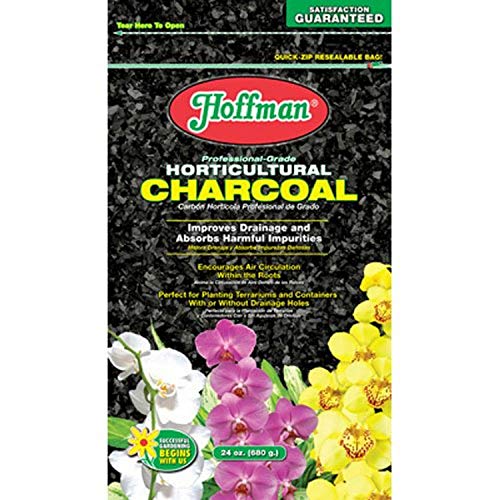
Hoffman 17502 Charcoal Soil Conditioner 24 oz

Mosser Lee ML0810 Horticultural Charcoal 2.25 dry qt
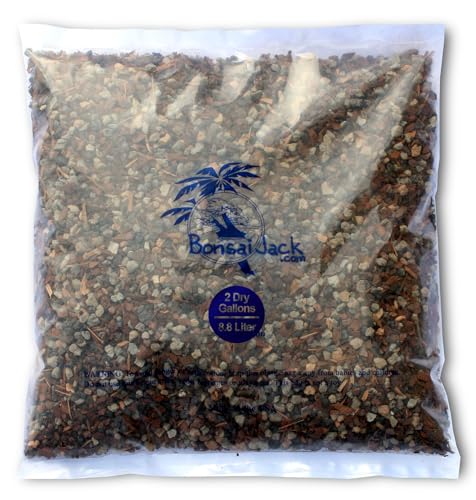
Bonsai Jack Universal Bonsai Soil Mix #221, 2 Gallons

Char Bliss Organic Biochar 8 Qts
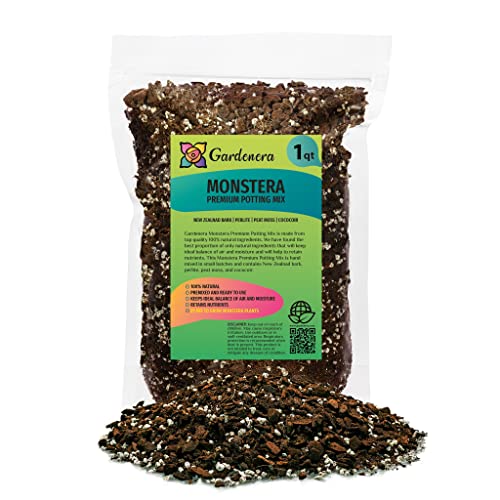
Gardenera Premium Monstera Potting Soil 1 Quart

Gardenera Monstera Spray Fertilizer Mist 3-1-2 8oz

Gardenera Monstera Organic Superfood Spray Mist 8oz
PVP Industries Horticultural Coarse Vermiculite
A Closer Look At Each Pick
Coco coir, the fibrous husks of coconuts, is one of the cleanest ways to lighten up a heavy mix. MODELLOR ships it in compressed bricks that swell to roughly 9 gallons once you add water, which means a closet-sized box can carry an entire seed-starting season indoors.
The coir is triple-washed and pH-balanced, so you skip the salt buildup that plagues cheaper husk products. For a small apartment gardener, that translates to less soaking and less guessing before seedlings go in.
Points In Its Favor
- Four compact bricks are easy to store on a shelf until you need them
- Expands to about 9 gallons of fluffy medium, enough for several trays
- Low-EC (electrical conductivity, a measure of soluble salts) profile protects young roots from burn
- Organic, pH-balanced starting point that blends cleanly with perlite or vermiculite
Things To Consider
- Coir alone holds moisture well, so you’ll likely want to cut it with perlite for fast-draining mixes
- Hydration takes a few minutes and a bucket, which adds a setup step before sowing
At A Glance
Right Fit For
First-time seed starters working indoors on a windowsill or under basic grow lights will find the format forgiving and easy to portion out.
Consider Something Else When
Bonsai growers who need fast-shifting particle sizes should reach for Bonsai Jack Universal Bonsai Soil Mix #221 instead, since coir holds too much water for shallow trays.
FoxFarm’s Ocean Forest is the kind of bag you crack open and the texture tells you most of the story. It’s light, gritty, and full of varied organic matter, so roots slide through it without compacting at the bottom of the pot.
Unlike the compressed MODELLOR bricks above, this comes ready-to-use in a 1.5 cu ft bag. For houseplant parents repotting Monsteras, fiddle leaf figs, or mixed tropicals, that saves a hydration step.
Key Advantages
- Light, aerated texture resists compaction in deep containers
Trade Offs
- The nutrient charge runs higher than a neutral mix, which can stress delicate seedlings if used straight
- At 1.5 cu ft it’s overkill for a single windowsill herb pot
Built With In Mind
Houseplant owners repotting medium and large containers will appreciate how the texture holds structure across the whole root zone.
A Better Fit Elsewhere
For shallow bonsai trays, Bonsai Jack Universal Bonsai Soil Mix #221 delivers the coarse particle size that Ocean Forest can’t match.
Horticultural charcoal is essentially porous, baked carbon that opens up air pockets in a mix. Hoffman’s 24-oz bag is the smallest, most approachable way to test whether charcoal improves your setup without committing to a larger pail.
It’s especially useful in containers that drain slowly. You can mix a spoonful into the bottom layer of a pot or blend it through the whole medium to keep things airy.
The Practical Payoff
- Porous structure pulls excess moisture away from roots
- Small bag fits in a drawer and lasts multiple repottings
Minor Gripes
- Charcoal alone is not a complete medium, so you’ll need to pair it with coir or peat-based soil
- The dust can blacken fingers and surfaces during mixing, so work over newspaper
The Right Fit
Tinkerers refining a custom blend for moisture-sensitive tropicals will find this an easy, low-cost additive to keep on hand.
Reach For A Different Pick When
Mosser Lee ML0810 Horticultural Charcoal is a stronger match for sealed terrariums where you want a larger volume of fruit-tree-sourced carbon in one go.
Mosser Lee’s charcoal stands out because it’s made from fruit trees rather than generic hardwood. For terrariums and dish gardens, that gives it a natural fit, since the carbon helps absorb odors and excess moisture in containers without drainage holes.
The 2.25 dry quart volume also makes it a practical middle-ground between Hoffman’s small jar and a bulk amendment bag.
Everyday Wins
- Fruit-tree origin is a natural fit for terrarium layering
- Larger volume than entry-level jars, so it covers several projects
- Reduces the effects of overwatering in sealed glass containers
Honest Caveats
- Works best as a bottom-layer amendment rather than a standalone medium
- Charcoal pieces vary in size, so sifting may be needed for small terrarium necks
Quick Facts
Who It Suits Best
Glass-terrarium builders and dish-garden hobbyists will appreciate how the larger bag supports several projects without constant reordering.
Swap It Out When
For long-term outdoor bed building, Char Bliss Organic Biochar offers an OMRI-listed (Organic Materials Review Institute, which verifies products for organic use) option at a larger volume.
Bonsai soil isn’t potting soil. The shallow pots demand a coarse, fast-draining mix, and Bonsai Jack’s #221 blend is screened and pre-washed to remove fine dust that would otherwise clog drainage holes.
It arrives optimized at roughly pH 6.4, which sits in the comfortable middle for most tropical and deciduous bonsai species. For a hobbyist keeping one or two trees alive on a balcony, that’s a real time-saver.
What Pays Off
- Screened particle size keeps water moving through shallow trays
- Pre-washed to limit dust and fine sediment
- Stable pH around 6.4 for most common bonsai species
Points To Note
- Coarse texture dries fast, so daily watering is common in summer
- Two-gallon bag is generous, but the price per quart runs higher than a general-purpose soil
Who Should Grab It
New bonsai owners working with tropicals like ficus or schefflera will find the forgiving pH and clean texture a confidence-building starting point.
Not Your Match When
Houseplant parents repotting a Monstera would do better with Gardenera Premium Monstera Potting Soil, which keeps more moisture for aroids.
Biochar is charcoal produced specifically as a soil amendment, and Char Bliss leans into that purpose. It’s OMRI-listed and made from ethically harvested wood and tree trimmings, which matters if you garden with organic certification in mind.
The 8-quart bag is a smart size for raised beds or repeated amendments across a small yard. Think of it as a slow-release conditioner rather than a standalone growing medium.
What Stands Out
- OMRI-listed for organic gardening protocols
- Improves nutrient retention over multiple seasons
- Larger bag supports bed-scale amendments
Trade-Offs To Consider
- Biochar works best blended into soil, not used alone
- Once charged (pre-soaked with nutrients), it holds onto them, which can affect feeding schedules
Feature Snapshot
Made For
Raised-bed gardeners and small-plot growers building long-term soil structure will get the most out of this larger biochar volume.
Look Elsewhere When
For quick terrarium layering, Mosser Lee ML0810 Horticultural Charcoal is a better fit in a smaller, more absorbent format.
Monsteras hate wet feet, so the mix has to drain quickly without drying out completely. Gardenera’s blend leans on aged bark, coco coir, perlite, biochar, and worm castings for a chunky, airy texture that aroid roots can grip.
Coming in at one quart, it’s a specialty bag aimed at owners repotting a single plant. The honest read is that the smaller size is convenient for one Monstera, but you’ll need multiple bags for a collection.
Where It Helps
- Coarse, bark-forward texture that resists compaction
- Includes worm castings for gentle, organic nutrition
- Small bag keeps a single repot clean and contained
Softer Spots
- One-quart volume is limiting for larger or multi-plant setups
- The bark and perlite mix can float during the first few waterings
Best Suited To
First-time Monstera owners repotting a single plant will appreciate the pre-blended, ready-to-pour format.
Another Choice May Suit
FoxFarm Ocean Forest Potting Soil is a more cost-effective option for someone repotting multiple aroids at once.
A foliar (leaf-applied) mist is a different angle on plant nutrition. Instead of relying only on roots, you spray a diluted solution directly onto the leaves for faster uptake during the active growing season.
Gardenera’s 3-1-2 NPK (nitrogen-phosphorus-potassium) ratio leans nitrogen-heavy, which supports leaf growth over blooms. For Monsteras chasing bigger fenestrations (the natural splits and holes in mature leaves), that balance tends to make sense.
Benefits That Matter
- Leaf-level feeding bypasses soil variability
- Gentle 3-1-2 ratio favors foliage over flowers
Where It May Fall Short
- Foliar feeding alone won’t replace a balanced soil routine over months
- Spraying near direct sun can leave spotting on leaves, so timing matters
Perfect Match For
Monstera owners who want a quick weekly boost during the spring and summer growth window will find this a useful supplement.
A Better Fit Elsewhere
Gardenera Monstera Organic Superfood Spray Mist offers a wider nutrient profile if you’d rather feed a broader mix of vitamins and minerals.
This mist takes the foliar idea a step further with 18 key vitamins and minerals plus micro-fungi enrichment. The microbe angle helps break down organic matter at the leaf surface, which is more of a niche feature than a must-have.
For indoor gardeners treating misting as part of a broader organic routine, the wider nutrient profile is the main draw over the simpler 3-1-2 version reviewed just above.
Useful Strengths
- 18 nutrient blend covers more than basic NPK
- Micro-fungi enrichment supports organic protocols
- Comes in a manageable 8 oz spray bottle
Practical Considerations
- Eight ounces runs out quickly with weekly misting across multiple plants
- The micro-fungi claim adds cost that may not pay off on a single Monstera
Who Will Love This
Organic-leaning indoor gardeners with a small aroid collection will appreciate the broader nutrient profile during the active growing months.
Skip It When
A simpler routine fits Gardenera Monstera Spray Fertilizer Mist, which covers the basics without the broader vitamin blend.
Vermiculite is a heat-expanded mineral (a naturally occurring silicate that pops into light, sponge-like flakes when roasted) that holds water while still letting air move through the root zone. PVP’s coarse grade is a versatile amendment for custom mixes.
It’s sterile, odorless, and pH-neutral, so it plays well with coir, peat, or bark. For tinkerers dialing in their own blends, vermiculite tends to be the steady backbone.
The Value In It
- Sterile and pH-neutral, so it won’t fight other ingredients
- Lightweight flakes are easy to mix by hand
- Useful beyond soil, including seed storage and cuttings
Less-Strong Areas
- Holds more moisture than perlite, so it’s not ideal for cactus or bonsai
- Dust during pouring can irritate lungs; dampening first helps
Spec Overview
Whose Shelf It Belongs On
DIY mixers building custom blends for tropicals, herbs, or propagation stations will find this a flexible staple to keep in the gardening cabinet.
Where A Sibling Pick Shines
Bonsai Jack Universal Bonsai Soil Mix #221 is ready to use out of the bag if you’d rather skip measuring and blending.
Drainage Soils Demystified: How To Pick The Right Texture And Mix
Good drainage starts with particle size. Coarse grits create air pockets that roots need to breathe, while fine particles hold water and can suffocate roots over time. Match the texture to your plant: shallow bonsai trays need gravel-sized particles, while Monsteras tolerate slightly finer bark-and-coir blends.
Next, weigh amendments against plant type. Charcoal and biochar condition a mix long-term by absorbing impurities, while vermiculite acts as a sponge that releases water slowly. For seed starting, sterile mediums like coir and vermiculite reduce the risk of fungal issues that hit tender seedlings.
Container material matters too. Terracotta breathes and dries faster than glazed ceramic, so plants in terracotta often need more moisture-retentive amendments. Self-watering planters do the opposite, holding water at the base, so a fast-draining top layer prevents root rot at the crown.
Finally, consider your routine. Daily waterers can lean into coarse bonsai mixes, while forgetful plant parents might prefer the forgiving moisture retention of coir-heavy blends.
Mistakes Worth Dodging And When Paying Up Makes Sense
Where Shoppers Go Wrong
Treating “drainage” as a single feature leads to mismatched mixes. A cactus blend is too lean for a Calathea, and a rich tropical mix is too heavy for a juniper bonsai. Read the ingredient list and match it to your plant’s native environment rather than grabbing the most marketed bag.
Another common slip is using garden soil in containers. Outdoor soil compacts fast in a pot and invites root rot, even if the same dirt works beautifully in a raised bed.
The Case For Spending Up
Premium blends cost more because they pre-screen particles, wash out fine dust, and balance pH before you ever open the bag. For beginners, that saves trial-and-error and lost plants. If you’re repotting a single beloved Monstera or building a terrarium that will sit untouched for months, the extra cost pays off in consistency.
For larger yards or multi-bed projects, bulk amendments like biochar or coarse vermiculite stretch further and let you tune ratios as you learn.
Frequently Asked Questions
What makes a soil “good for drainage”? A drainage-focused soil uses coarse particles like bark, perlite, or pumice to keep air moving around roots while still holding some moisture. Fine, dense soils hold too much water and starve roots of oxygen.
Can I mix these soils together for better results? Yes, blending is common. Pairing coir with perlite or vermiculite gives you both water retention and airflow. Charcoal or biochar adds long-term conditioning on top of a base mix.
Do Monsteras need a special soil? Monsteras benefit from a chunky, bark-forward mix because their aerial roots need air pockets. Standard potting soil tends to stay too wet and can cause yellowing leaves over time.
Is horticultural charcoal the same as activated charcoal? Horticultural charcoal is similar but not identical. Both improve drainage and odor, but activated charcoal is processed for filtration and is more expensive for garden use.
How often should I replace potting soil for drainage? Most container plants benefit from fresh soil every one to two years. Refresh sooner if the mix compacts, smells sour, or stops draining quickly after watering.
Final Verdict
The right drainage soil depends on your plant, your container, and how often you like to water. Coarse mixes for bonsai, bark-forward blends for aroids, and lightweight coir for seed starting each solve a different problem. Pick the texture that matches your routine, and your plants will reward you with steady, healthy growth.
