

Ficus trees like fiddle leaf figs and weeping figs are notoriously moody about their roots. Sitting in soggy, compacted soil for even a week can trigger leaf drop, while the right airy, well-draining mix keeps the canopy full and the stems steady. The picks below cover ready-to-use blends, amendment bags for custom mixing, and specialty options for bonsai-style ficus, so you can match the medium to your plant and your watering habits without guessing at ratios.
The Main Contenders

Legigo 4 Quarts Organic Perlite

FoxFarm Ocean Forest Potting Soil 1.5 cu ft
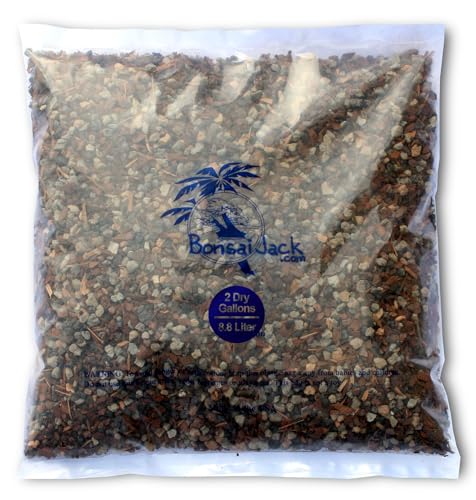
Bonsai Jack Universal Organic Bonsai Soil #221

DUSPRO Fiddle Leaf Fig Soil 5-in-1 Mix

DUSPRO Money Tree Soil 3-in-1 Mix

Legigo 15 Quarts Organic Perlite

Legigo 20 Quarts Organic Perlite

Legigo 6 Quarts Organic Perlite

DUSPRO Pre-Mixed 4-in-1 Citrus Soil
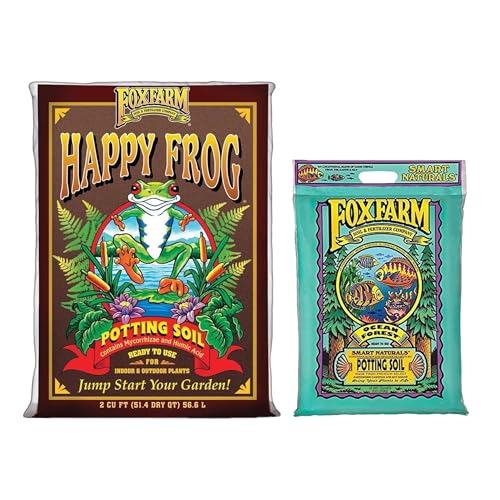
FoxFarm Happy Frog + Ocean Forest Bundle
A Closer Look At Each Pick
Perlite is a volcanic glass that’s been superheated until it pops into lightweight white pebbles, and it’s the single most common fix for compacted potting soil. Legigo’s four-quart bag gives you enough to aerate a standard 10-inch pot without paying for more than you need. Ficus caretakers who already own a base soil use it to bump up drainage and prevent the soggy-bottom syndrome that yellows lower leaves.
The honest read is that this is a supplement, not a standalone growing medium, so a bag alone won’t feed a fiddle leaf fig for long. Plan on mixing it roughly one part perlite to three parts potting soil for most indoor ficus species.
What Works In Its Favor
- Volcanic stone origin keeps the pH neutral, so it won’t shift your soil’s acidity in either direction.
- Even particle size pours cleanly without creating dusty layers that repel water.
- Pulls excess moisture away from roots fast, which is the main defense against root rot in ficus.
- Four-quart size suits a small collection without crowding a closet or garage.
Things To Consider
- Worth noting that perlite floats, so a heavy top dressing can migrate to the edges during watering.
- It’s not a fertilizer, so you’ll still need to feed your ficus on a separate schedule.
Right Fit For
Plant owners who already have a quality base soil and want to custom-build a lighter, faster-draining mix for a single ficus.
Consider Something Else When
You’d rather skip the measuring altogether, in which case DUSPRO Fiddle Leaf Fig Soil arrives pre-blended and ready to pour.
FoxFarm’s Ocean Forest is the bag you’ll see on more indoor-plant benches than almost any other, and for good reason. The 1.5 cubic foot size handles two or three large repotting jobs, and the blend arrives light and slightly fluffy rather than dense and peaty. For a fiddle leaf fig that needs both nutrition and airflow, it’s one of the few off-the-shelf options that genuinely delivers on both fronts at once.
Compared to the bare perlite from Item 1, this is a complete growing medium with built-in organic nutrition, so you don’t need to source anything else to get a freshly repotted ficus established.
The Practical Payoff
- Light, aerated texture resists compaction over months of watering, so roots keep breathing.
- Formulated for general container use, which means it tolerates both small starter pots and mature specimens.
- The size covers multiple plants, lowering the per-pot cost for anyone with a real collection.
Worth Noting
- Owners commonly report a strong earthy smell out of the bag, so ventilate the room when you first open it.
- It holds moisture well, so you may find the 1.5 cu ft bag best paired with a slightly more frequent watering check rather than a long gap.
- For very large floor-size ficus that need a gritty mix, you may want to amend it with extra perlite.
Best Suited To
Fiddle leaf fig owners who want one bag to handle several repottings without juggling separate ingredients.
Skip It When
Your ficus is a small bonsai specimen, because Bonsai Jack Universal Organic Bonsai Soil Mix #221 is screened and pre-washed for that specific use case.
Bonsai Jack’s mix is the gold-standard gritty blend for trees that hate wet feet, and a small-leaf ficus like Ficus retusa or Ficus microcarpa fits that profile perfectly. The two-gallon bag arrives pre-screened and washed, so you skip the dusty rinse-down that comes with cheaper substrates. For shallow bonsai pots where drainage holes are close to the trunk, the particle uniformity matters more than raw nutrition.
Versus the FoxFarm Ocean Forest from Item 2, this mix is grittier and far less moisture-retentive, so watering frequency has to climb. That’s a feature, not a flaw, for shallow containers.
The Value In It
- Pre-washed and screened, so there’s no cloudy runoff during the first watering.
- Optimized for tropicals, including ficus species that need warmth and quick drainage.
- Two-gallon size handles multiple bonsai repots through a full growing season.
Honest Caveats
- It’s much pricier per quart than all-purpose blends, so heavy floor plants aren’t its natural home.
- You’ll water more often than you would in Ocean Forest, so it suits attentive owners.
Who Will Love This
Bonsai ficus growers working in shallow pots who want a substrate that drains on contact and supports healthy root ramification.
Look Elsewhere When
You’re repotting a six-foot fiddle leaf fig into a deep nursery pot, because DUSPRO Fiddle Leaf Fig Soil is blended for that exact scale of plant.
DUSPRO built this mix for people who don’t want to play soil chemist. The five-in-one blend combines coco coir, coconut fiber, perlite, pumice, and pine bark, all measured and mixed so you can pour and repot without a single measuring cup. For someone with one fiddle leaf fig and zero interest in building a custom recipe, it removes almost every decision from the process.
Where the Legigo perlite from Item 1 asks you to bring your own base soil, this arrives as the finished product. The six-quart volume suits a single mid-size plant comfortably.
Positive Takeaways
- No measuring or separate purchases needed, so the first repot is also the last errand.
- Five distinct ingredients work together to balance moisture, drainage, and airflow.
- Lightweight texture keeps the mix from compacting around the root ball over time.
Trade Offs
- Limited nutrition in the bag, so a regular liquid feed schedule is still on you.
- The specific ingredient list may not be ideal for a moisture-loving plant, but for ficus it lands in a good place.
Core Details
Perfect Match For
First-time fig owners who want a turnkey mix and don’t want to research individual ingredients.
A Better Fit Elsewhere
Plant owners who already keep a stash of perlite and pine bark, who’ll get more mileage from FoxFarm Ocean Forest Potting Soil as a base.
Pachira aquatica, the braided money tree, is technically a ficus relative with a reputation for sudden leaf drop when its roots stay wet. DUSPRO’s three-in-one blend was built for exactly that plant, with a lighter texture than generic houseplant soil. The four-quart bag fits one good-sized money tree, or a couple of smaller ones side by side.
Stacked against the larger DUSPRO Fiddle Leaf Fig mix in Item 4, this one is leaner on volume and ingredients, which keeps the cost in check for a single-plant purchase.
Reasons It Performs
- Formulated specifically for the watering rhythm money trees actually need.
- Light, well-draining structure prevents the trunk-rot issues that plague overwatered specimens.
- Pre-mixed format skips the ingredient-buying stage entirely.
Some Limits To Know
- Smaller bag than the fig version, so collectors with multiple money trees will outgrow it quickly.
- Specialty formulation may be overkill if you already keep a fast-draining blend on hand.
Made For
Money tree owners who want a substrate matched to the species rather than adapted from a general indoor mix.
Another Choice May Suit
Anyone with mixed indoor trees will find DUSPRO Pre-Mixed 4-in-1 Citrus Soil more versatile across ficus, citrus, and similar tropicals.
Fifteen quarts covers a serious repotting session, and Legigo’s volcanic perlite pours cleanly whether you’re amending one big container or batch-mixing a row of smaller pots. For plant owners with a windowsill lineup of ficus, this size lands in the sweet spot between the four-quart starter and the 20-quart bulk option. The same PH-neutral stone formula applies, so it doesn’t fight the chemistry of whatever base soil you pair it with.
Compared to the smaller Legigo 4-quart from Item 1, this version cuts the per-quart cost noticeably and saves repeat ordering.
Standout Benefits
- Larger volume lowers the cost per quart for active mixers.
- Same even particle sizing as the smaller bag, so pour quality stays consistent.
- Suits a multi-plant household without leaving you short halfway through.
Potential Drawbacks
- You’ll need a storage bin or dry spot to keep the extra perlite from getting damp between uses.
- Still a single-purpose amendment, not a complete soil.
Feature Snapshot
Whose Shelf It Belongs On
Multi-plant households that mix their own blends and want a single bag to last the season.
Reach For A Different Pick When
You only own one ficus, in which case the 4-quart Legigo Perlite keeps storage needs and waste to a minimum.
Twenty quarts is the upper end of consumer perlite bags, and it’s the right call for serious mixers who blend their own soil by the bucket. For someone running a small greenhouse corner or refreshing a dozen ficus pots in a single weekend, this bag keeps you from running out mid-project. The volcanic stone is the same neutral-pH formula as Legigo’s smaller sizes, so consistency stays the same.
Where the 15-quart from Item 6 suits a typical collector, this 20-quart version starts to feel like a workshop supply.
Points In Its Favor
- Best price per quart in the Legigo perlite line for high-volume users.
- Reduces the number of repeat orders across a busy growing season.
- Even particle sizing continues across the larger volume, with no fines or dust settling at the bottom of the bag.
What To Weigh
- You’ll need a dry storage spot for the surplus, since humidity can clump the lower portion of the bag over time.
- Overkill for anyone with a single plant.
Who Should Grab It
Plant owners with large collections or workspace-style setups who mix soil in batches and refill throughout the year.
Swap It Out When
You only need a small top-up, because Legigo 6 Quarts Organic Perlite covers a single ficus without storage headaches.
Six quarts is the apartment-dweller size: enough to amend one good-sized ficus pot without a giant bag cluttering a small closet. The volcanic perlite still does the same aeration work, just in a quantity that matches a single-plant reality. For a first-time owner who isn’t sure how much perlite they’ll actually use, this is the low-commitment entry point.
Right between the 4-quart from Item 1 and the 15-quart from Item 6, the 6-quart sits in the middle ground for casual users.
What Earns Its Place
- Manageable bag size fits inside a kitchen drawer or under a sink.
- Same even particle size and neutral pH as Legigo’s other volumes.
- Good middle-ground quantity for one or two medium ficus.
Smaller Caveats
- Not enough for a multi-plant refresh on its own.
- You may find the 6-quart bag disappears faster than expected once you start mixing.
Built With In Mind
Single-plant owners in small apartments who want a modest amendment supply without committing to bulk.
Where A Sibling Pick Shines
Anyone repotting several ficus at once will save money per quart stepping up to Legigo 15 Quarts Organic Perlite.
Citrus and ficus share a surprising amount of root-zone DNA, and DUSPRO’s four-in-one citrus blend is built around that overlap. Coco coir, coco fiber, and the supporting gritty amendments create a light, moisture-aware medium that translates well to ficus, especially in a mixed collection. The double-screened texture keeps the pour clean, so you won’t spend repotting time picking out chunks.
Versus the fiddle leaf fig blend in Item 4, this one trades a touch of fig-specific tailoring for broader compatibility across tropicals.
The Helpful Details
- Double-screened raw ingredients mean a uniform texture from the top of the bag to the bottom.
- Works across ficus, citrus, and other tropical indoor trees, which reduces the number of bags on your shelf.
- Pre-blended, so repotting stays a single-step task.
Less Ideal Details
- It’s not a fertilizer, so a feeding schedule still applies for hungry plants.
- For a single fiddle leaf fig, the more targeted DUSPRO 5-in-1 may fit the species better.
At A Glance
Made For
Households that grow ficus alongside citrus or other tropicals and want one bag to cover several species.
Skip It When
Your collection is ficus-only, because DUSPRO Fiddle Leaf Fig Soil 5-in-1 is tuned more tightly to that single plant.
This bundle pairs FoxFarm’s two flagship blends in one shipment: a two-cubic-foot bag of Happy Frog alongside a 12-quart bag of Ocean Forest. Happy Frog leans toward younger, hungry plants with its amended microbe content, while Ocean Forest handles mature specimens. For a ficus household with multiple ages and sizes, having both on hand means you can match the medium to the plant instead of forcing one bag to do everything.
Compared to a single bag of Ocean Forest from Item 2, this bundle gives you range rather than volume of a single recipe.
A Few Highlights
- Two complementary blends in one shipment, useful across a varied ficus collection.
- Happy Frog’s microbe amendment helps young ficus establish after propagation or purchase.
- Ocean Forest portion covers mature plants without forcing you to buy a second bag later.
Honest Caveats
- Storage space for two opened bags at once is a real consideration in a small apartment.
- Bundle pricing makes less sense for a single-plant household.
Technical Reference
Right Fit For
Multi-plant households with ficus at different growth stages who want a single order to cover the whole lineup.
A Better Fit Elsewhere
Anyone with just one or two ficus plants will find FoxFarm Ocean Forest Potting Soil alone easier to store and use up before it dries out.
What Matters Most Before Choosing Soils For Ficus
Drainage Comes First
Ficus roots evolved for soils that dry out between rain events, not the moisture-retentive mixes designed for ferns or peace lilies. Look for bags that visibly contain chunky bits: perlite (white pebbles), pumice, pine bark, or coconut husk. A heavy, fine-textured bag will stay wet for too long and push the plant toward root rot, which often shows up as sudden leaf drop rather than slow yellowing.
For most indoor ficus, a target ratio of one-third aeration material to two-thirds base soil is a workable starting point. Specialty blends like DUSPRO’s 5-in-1 already handle this balance for you.
Match The Mix To The Pot And The Species
Shallow bonsai pots and tall floor planters are very different environments. A shallow container with multiple drainage holes can support a gritty, fast-draining mix like Bonsai Jack without drowning the roots. A deep nursery pot with one or two holes benefits from a lighter blend with more moisture buffering, like FoxFarm Ocean Forest. Match the medium to the depth of the container and the natural humidity of the room.
Nutrition Is A Separate Variable
Most potting soils deliver a short burst of organic nutrition and then settle into a relatively neutral base. Ficus are moderate feeders during the growing season, so plan on a liquid fertilizer routine regardless of which bag you choose. Specialty blends like Happy Frog stretch that nutrition window a bit longer with their added amendments, but no bag replaces a regular feeding schedule.
Storage And Bag Size
Bags that are too small run out mid-repot, and bags that are too big risk going stale before you finish them. Perlite stores well if kept dry, but pre-blended soils with organic matter can lose structure or attract fungus gnats if they sit open for months. Match bag size to your actual repotting frequency and the number of plants you keep.
Key Considerations Across These Picks
Pitfalls Shoppers Hit
The most common error is grabbing a bag of outdoor garden soil or moisture-control mix intended for shade plants, both of which hold water far longer than ficus tolerate. Another slip is assuming perlite alone is a complete growing medium, when it is really an aeration supplement that needs a base soil behind it. Buying a giant bag to save money also backfires when half of it sits open and grows mold before you use it up.
Where The Extra Money Goes
Premium blends like Bonsai Jack charge more because of the screening, washing, and quality control that turn raw ingredients into a uniform product with no fines or dust. Specialty fig or citrus mixes cost more because the manufacturer has already chosen the ingredient ratios for you, which is the real time savings. For a single fiddle leaf fig, that convenience is often worth the small price jump over buying perlite, bark, and base soil separately.
Frequently Asked Questions
How Often Should I Repot My Ficus?
Most indoor ficus benefit from a fresh pot every two to three years, or whenever roots start circling the drainage holes. Younger plants in small pots can move up annually, while mature floor specimens can stay put longer if the soil is still draining well.
Can I Use Outdoor Garden Soil For Indoor Ficus?
Outdoor soil is generally too dense and may carry pests or fungal spores that indoor plants haven’t built up resistance to. Stick with a bagged potting mix labeled for containers, or blend your own with a base soil plus perlite or bark.
Do Ficus Prefer Acidic Or Neutral Soil?
Most ficus species grow well in a slightly acidic to neutral range, roughly 6.0 to 7.0 on the pH scale. A bag of perlite or a peat-free blend like those from DUSPRO will usually land in that window without extra adjustment.
Should I Add Rocks To The Bottom Of The Pot For Drainage?
Rocks at the bottom of a pot actually raise the water table and can keep roots wetter, not drier. The better approach is to choose a well-draining mix and let the existing drainage holes do the work.
When Is The Best Time To Repot A Ficus?
Spring and early summer are ideal, when the plant is pushing new growth and can recover quickly from root disturbance. Avoid repotting in the middle of winter, when low light and slow growth make it harder for the plant to bounce back.
Closing Remarks
The right soil for your ficus depends on the species, the pot, and how often you like to water. Specialty blends remove the guesswork, perlite bags let you tune an existing mix, and a FoxFarm bundle covers a varied collection in one shipment. Pick the format that matches your plant count, then let the medium do the heavy lifting while you enjoy the canopy.
