

Choosing the right potting medium for container flowers can feel like a guessing game when bag after bag promises the world. Some mixes hold water like a sponge, others dry out before lunch, and a few barely feed anything beyond the first month. Container-grown blooms have limited root space, so the medium you pour in matters more than most beginners realize.
The picks below mix ready-to-use bagged soils, hydrating coconut coir bricks, and amendment add-ins like perlite and biochar that solve specific problems like drainage, aeration, and odor. A few are standalone potting blends, others are ingredients to mix into your own blend at home.
The Essentials At A Glance

MODELLOR Coco Coir Bricks, 4-Pack (5 lb)

Legigo 4 Quarts Organic Perlite

FoxFarm Ocean Forest Potting Soil, 1.5 cu ft
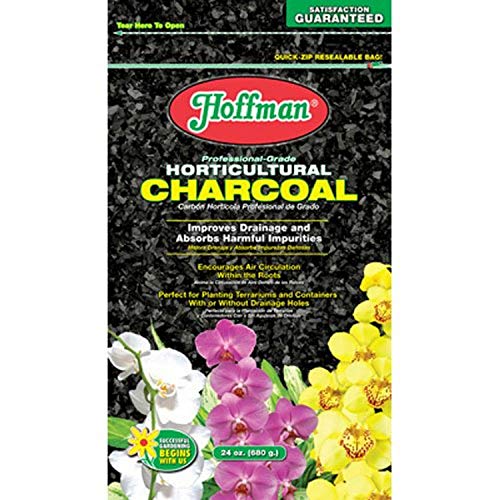
Hoffman 17502 Charcoal Soil Conditioner, 24-Ounce

Char Bliss Organic Biochar, 8 Quarts
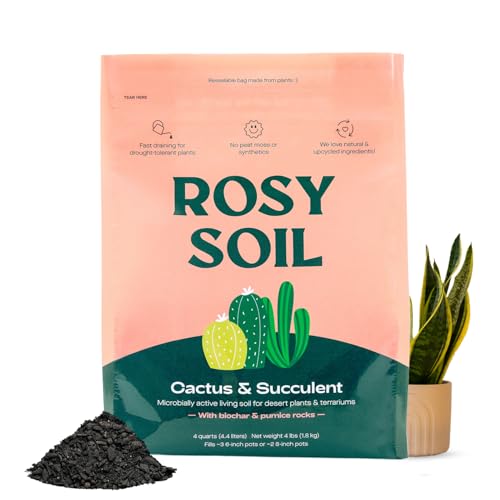
Rosy Soil Cactus & Succulent Potting Mix, 4 Quarts

Legigo 15 Quarts Organic Perlite

Legigo 20 Quarts Organic Perlite

Legigo 6 Quarts Organic Perlite
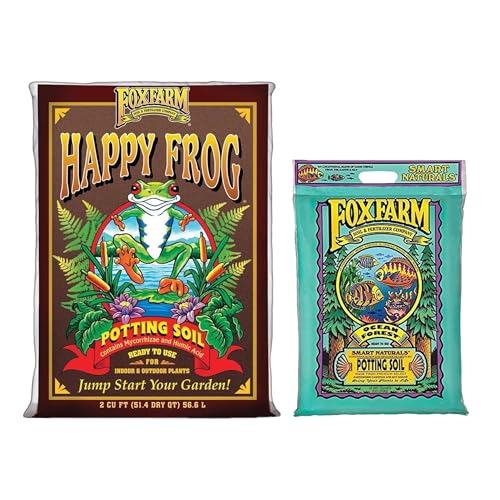
FoxFarm Happy Frog + Ocean Forest Bundle
Taking A Closer Look At The Options
Compressed coco coir bricks solve a storage problem most potting soils can’t: a 5-pound pack sits in a closet until you need it, then fluffs up to roughly 9 gallons of growing medium once you add water. That’s a real convenience for apartment growers or anyone without a garage to spare for bulky bags.
The low-salt wash matters more than the marketing copy suggests. Coco coir is the fibrous husk of coconut shells, and raw fibers carry natural salts that can burn young flower roots. A triple-washed batch gives you a cleaner start, especially helpful when you’re germinating seeds or nursing finicky annuals like lobelia and snapdragons in small pots.
Points In Its Favor
- Compact brick format stores on a shelf without tipping over or leaking
- Expands to about 9 gallons, enough for roughly four standard 8-inch pots
- Low salt content reduces the risk of root burn on seedlings
- pH-balanced starting point avoids the acidic lean of straight peat
- Reusable across multiple seasons when refreshed between plantings
Some Limits To Know
- Holds moisture longer than perlite-heavy mixes, so overwatering is a real risk in deep pots without drainage
- Needs supplemental fertilizer since coir carries minimal nutrients on its own
Right Fit For
First-time container gardeners who want one bag to handle seed-starting trays through small patio pots without buying separate products.
Reach For A Different Pick When
You want a ready-to-pour blend with built-in fertilizer, in which case FoxFarm Ocean Forest Potting Soil is the more convenient path.
Perlite is the white, popcorn-like volcanic glass you see scattered through bagged potting mixes, and it exists purely to open up the soil. Adding a few handfuls of this Legigo 4-quart bag to a dense mix transforms it from “holds water like cement” to “drains like it should.”
Compared to the larger perlite sizes elsewhere on this list, this 4-quart portion suits a small flower collection on a windowsill or balcony. You won’t be amending an entire raised bed with it, but for two or three mid-size pots, it’s the right scale.
Noteworthy Benefits
- Even coarse particle size mixes in smoothly without clumps
- Volcanic origin keeps the pH neutral so it won’t shift your mix’s chemistry
- Lightweight enough to blend into potting soil without sinking
- Doubles as a top dressing for succulents to keep leaves off damp soil
Points To Note
- The dust when pouring requires working outdoors or wearing a mask, since perlite particles are irritating to breathe
- 4 quarts goes quickly if you’re refreshing more than a couple of pots
Made For
Indoor flower growers with a handful of small pots who need to improve drainage without committing to a giant bag of perlite.
A Better Fit Elsewhere
Container gardeners amending a larger collection should step up to the Legigo 20 Quarts Organic Perlite for less repurchasing.
FoxFarm’s Ocean Forest is the bag most independent nurseries reach for when potting up flowering annuals. The texture stays light and fluffy out of the bag, no breaking up of clumpy peat required, and the nutrient charge from earthworm castings, fish meal, and crab meal gives hungry bloomers like petunias and calibrachoa a running start.
Unlike the bare amendments elsewhere in this roundup, Ocean Forest is a complete soil. You can pour it straight into a clean container and plant the same afternoon, which matters when you’ve got a tray of seedlings ready to upgrade from 4-inch pots to their permanent home. Available in single bags or multi-pack configurations depending on how big your container garden runs.
Where It Helps
- Aerated texture resists compaction even after a full season of watering
- Built-in organic nutrition feeds heavy bloomers through the first month
- pH sits in the slightly acidic range most flowering annuals prefer
- Works equally well for indoor flower pots and outdoor patio containers
Worth Noting
- The organic smell out of the bag fades within days but is noticeable indoors at first
- Heavier than coir or perlite, so a 1.5 cu ft bag takes effort to haul up stairs
Who It Suits Best
Mid-scale container gardeners running a dozen or more flower pots who want a single reliable soil they don’t have to amend before planting.
Consider Something Else When
You grow mostly succulents or drought-tolerant blooms, where Rosy Soil Cactus & Succulent Potting Mix drains faster and suits those plants better.
Horticultural charcoal isn’t a fertilizer, and it’s not a primary growing medium either. It’s a 24-ounce jar of porous carbon that you mix into potting soil to absorb impurities, sweeten the smell, and keep water from sitting stagnant around flower roots.
For closed containers without drainage holes (terrariums, cachepots, decorative indoor planters) charcoal is the ingredient that keeps things from going sour. A few tablespoons per pot makes a noticeable difference, and a single jar lasts across many repottings.
Where It Excels
- Porous structure pulls excess moisture away from roots
- Absorbs odors that build up in closed or decorative pots
- Improves oxygen flow around root zones in tight containers
- Releases small amounts of nutrients back into the soil over time
Honest Caveats
- A 24-ounce jar looks small next to bagged soils, so cost-per-use runs higher than bigger amendments
- Charcoal pieces stain fingers and work surfaces during mixing
Best Suited To
Indoor growers working with decorative pots that lack drainage holes, where standing water and odor are constant frustrations.
Look Elsewhere When
You want bulk amendment for outdoor flower beds, since Char Bliss Organic Biochar covers the same role at a larger scale.
Biochar is charcoal made for soil, and Char Bliss comes from ethically harvested wood and tree trimmings. The 8-quart bag is enough to amend several mid-size flower containers or work into an existing raised bed alongside perennials.
The OMRI-listed status is a real plus for organic gardeners, since OMRI (the Organic Materials Review Institute) is the organization that certifies inputs for certified organic production. Beyond that, biochar’s structure holds nutrients in the root zone instead of letting them leach out, which helps potted flowers that get watered frequently.
A Favorable Mix
- OMRI-listed for organic gardening standards
- Holds nutrients in the root zone against repeated watering
- Improves water retention in fast-draining container mixes
- Carbon-rich structure feeds beneficial soil microbes
Things To Consider
- Biochar works best when “charged” with compost or fertilizer before use, so it’s not a pour-and-plant option
- Bigger investment up front than perlite for the same volume
Who Will Love This
Organic-focused flower gardeners who want long-term soil building rather than a quick-fix amendment, and who plan to reuse pots across multiple seasons.
Skip It When
You need a simple drainage fix on a tight schedule, in which case Legigo 4 Quarts Organic Perlite is the faster, cheaper route.
Most “succulent soils” are really just regular potting mix with a little extra perlite sprinkled in, which doesn’t help much. Rosy Soil takes the opposite approach: a chunky blend that stays loose and airy so roots get oxygen between waterings.
The 4-quart bag suits a small collection of potted succulents or drought-tolerant flowers like portulaca and ice plant. Beneficial fungi, microorganisms, and worm castings add biological activity, which is unusual for a fast-draining cactus blend.
Everyday Wins
- Chunky texture resists compaction even after months of watering
- Living soil components (microbes, worm castings) support root health
- Drains fast enough that overwatering mishaps rarely end in rot
- Organic ingredients suit growers avoiding synthetic fertilizers
Minor Gripes
- Too fast-draining for thirsty bloomers like impatiens or fuchsia
- 4 quarts disappears quickly across even a modest succulent shelf
Perfect Match For
Succulent and dry-flower enthusiasts tired of standard mixes that stay wet too long and cause stem rot at the soil line.
Not Your Match When
Your container garden leans toward moisture-loving annuals, where FoxFarm Ocean Forest Potting Soil holds water at the level those plants prefer.
The 15-quart Legigo bag hits the sweet spot for most home growers. Enough perlite to lighten a half-dozen pots of standard mix, or to refresh the soil in a small raised planter, without paying for the 20-quart size you may not finish before it gets dusty.
You still get the same coarse particle sizing and neutral pH as the smaller Legigo bags, just in a more useful mid-tier volume. For growers stepping up from the 4-quart starter size, this is the natural next purchase.
What Pays Off
- Mid-size volume covers a small patio’s worth of containers
- Coarse grade mixes evenly into peat or coir-based blends
- Neutral pH won’t interfere with fertilizer uptake
- Volcanic origin means it doesn’t break down within a single season
Possible Compromises
- Still creates dust when pouring, so a mask and outdoor mixing area help
- Requires storing the partial bag somewhere dry to keep it from clumping
Who Should Grab It
Container gardeners maintaining a mid-size flower collection who want perlite on hand for routine soil refreshes without overbuying.
Swap It Out When
You’re blending a large raised bed or multiple big containers in one go, where the Legigo 20 Quarts Organic Perlite covers more ground per purchase.
The 20-quart Legigo bag is for serious batch-blenders. That’s enough perlite to mix into a full cubic foot of potting soil at the standard 1:3 ratio, or to refresh every container in a sizeable patio garden in one session.
Compared to the 4-quart and 6-quart siblings, this is the bag you reach for when you’re repotting a dozen flowers at once or filling new raised beds. The same coarse, pH-neutral volcanic glass, just in a quantity that respects the workload.
Bright Spots
- Largest perlite volume in this lineup for big batch work
- Cuts down on repeat orders across a full repotting season
- Consistent particle size from bag to bag
- Lightweight for the volume, easier to haul than bagged soil
Less Ideal Details
- Too much perlite for small indoor collections, and the leftover bag takes up storage space
- Costlier up front than smaller bags, even though per-quart value improves
Right Fit For
Active container gardeners running a full patio’s worth of flower pots who blend their own soil rather than rely on pre-mixed bags.
Look Elsewhere When
You only need to amend a few small pots, in which case Legigo 4 Quarts Organic Perlite is the more sensible scale.
Six quarts of perlite is the awkward middle child between the 4-quart starter and the 15-quart value bag, but for some setups it’s exactly right. A small indoor flower shelf with three or four pots that need refreshing at the start of each season fits this size perfectly.
The bag itself stores easily on a closet shelf, which matters when you don’t have a garage or shed to spare. It’s also the size that most casual growers actually finish before perlite loses its porous advantage to dust and handling.
Positive Points
- Compact size tucks onto a shelf or under a sink
- Coarse volcanic grade matches the rest of the Legigo perlite line
- pH-neutral so it won’t shift your existing soil chemistry
- Enough volume for a few mid-size pots without leftovers
Potential Drawbacks
- Per-quart value is lower than the larger bags if you need more than one container’s worth
- Same dust issue as other perlite bags when pouring dry
Whose Shelf It Belongs On
Apartment growers and casual indoor flower keepers who want perlite on hand without committing to a bulky bag they’ll never finish.
Another Choice May Suit
You maintain more pots than a small windowsill can hold, where Legigo 15 Quarts Organic Perlite spreads the same perlite across a wider collection.
This FoxFarm bundle pairs a 2 cu ft bag of Happy Frog with a 12-quart bag of Ocean Forest, giving you two distinct soils for different jobs in the same container garden. Happy Frog leans toward gentle nutrition with soil microbes and earthworm castings, while Ocean Forest runs richer with added fish and crab meal for hungry bloomers.
For mixed container plantings where you might have ferns in one pot and petunias in the next, having both soils on hand means matching each plant to its preferred medium. Compared to buying two separate Ocean Forest bags, the bundle trims a few dollars off the per-bag cost.
Practical Pluses
- Two soil profiles cover a wider range of flower types in one purchase
- Happy Frog suits leafy foliage plants; Ocean Forest fuels heavy bloomers
- Both blends arrive ready to use with no mixing required
- Bundle pricing undercuts buying each bag separately
Where It May Fall Short
- Total weight is substantial, so hauling both bags at once takes effort
- Overkill for growers running fewer than half a dozen containers
Built With In Mind
Container gardeners maintaining a varied flower collection who want premium FoxFarm quality across both foliage and bloomers without separate orders.
A Better Fit Elsewhere
You only grow one type of plant, where the single FoxFarm Ocean Forest Potting Soil bag handles the job without redundancy.
Choosing Container Soil That Actually Helps Your Flowers Thrive
Container flower roots live in a tiny, closed world compared to their in-ground cousins. They can’t spread sideways in search of moisture or nutrients, so the soil you choose has to do more work per cubic inch than garden dirt ever does. A few attributes matter most, and understanding them prevents the most common mistakes.
Drainage and aeration sit at the top of the list. Roots need oxygen as much as they need water, and dense, compacted soil suffocates them within weeks. Perlite, coarse sand, and chunky organic matter all keep the mix loose. Moisture retention comes next, balanced against drainage: too dry and flowers wilt between waterings, too wet and roots rot. Coco coir and peat hold moisture without becoming waterlogged, which is why they anchor most bagged mixes.
Nutrient content varies wildly. Some soils like FoxFarm Ocean Forest arrive loaded with organic amendments that feed plants for a month or more, while plain coir or perlite carry essentially no nutrition at all. For flowering annuals, starting with a richer blend saves you from fertilizing constantly.
pH affects nutrient availability even when fertilizer is present. Most flowering annuals prefer a slightly acidic range (around 6.0 to 6.5), and ingredients like coco coir, peat, and pine bark all push toward that range naturally. Limestone is sometimes added to neutralize overly acidic mixes.
For succulents and drought-tolerant blooms, drainage trumps everything else. A cactus mix like Rosy Soil drains so fast that moisture-loving annuals would struggle in it, which is exactly why matching the soil to the plant matters.
Reading Between The Ingredient Lines
The ingredient list on a potting soil bag tells you more than the marketing copy ever will. Watch for “composted bark,” “coco coir,” and “perlite” as positive signs, and treat vague terms like “organic matter” with caution since they may include low-grade fillers. Earthworm castings, bat guano, and kelp meal signal a more thoughtful blend aimed at serious gardeners.
Matching Soil Volume To Container Size
A common mistake is underestimating how much soil a container actually holds. A 12-inch patio pot swallows more than a cubic foot of mix, and a half-barrel planter needs several. Buying in larger bags (the 1.5 cu ft FoxFarm bag, or 15- to 20-quart perlite bags) cuts down on repeat trips to the store.
Considering Long-Term Reuse
Some growers reuse potting soil across seasons to save money, which works for sturdy perennials but often runs into nutrient depletion and disease buildup for annuals. Refreshing with compost or biochar between plantings, or starting fresh each spring for annuals, prevents the gradual decline that turns vibrant containers into struggling ones.
Picking The Right Potting Mix For Your Setup
Mistakes Worth Dodging
One of the most common errors is grabbing “garden soil” instead of “potting soil” from the store. Garden soil is engineered for in-ground use, and once confined to a pot it compacts into a dense mass that drains poorly. Another trap is assuming all bagged potting soils are interchangeable: a moisture-retentive mix will rot succulents, while a cactus blend will starve thirsty annuals.
Overfilling pots with the wrong amendment is a subtler mistake. Dumping a full 20-quart bag of perlite into a small 6-inch pot leaves you with something closer to a planter full of Styrofoam than a usable growing medium. Aim for roughly 20 to 30 percent amendment by volume, not the whole bag.
Where The Extra Money Goes
Premium blends like FoxFarm Ocean Forest cost more because the ingredient list runs longer and the sourcing is more deliberate. Earthworm castings, crab meal, and bat guano aren’t cheap fillers, and the companies that use them pay for quality control. The upgrade pays off most for heavy feeders like petunias, calibrachoa, and other flowering annuals that bloom nonstop through summer.
Biochar and activated charcoal amendments carry higher prices partly because of the slow pyrolysis process (burning organic material at low oxygen levels to create stable carbon) and partly because the volumes produced are limited. For organic-focused growers or anyone building long-term soil quality, the upfront cost recoups over several seasons.
Frequently Asked Questions
Do I really need special soil for flowers in pots?
Yes. In-ground garden soil compacts badly in containers, leading to poor drainage and root suffocation. Potting mixes are blended to stay loose and airy, which is what flower roots in confined spaces need to thrive.
How often should I replace potting soil in flower containers?
For annuals, fresh soil each spring gives the strongest growth. For perennials kept in the same pot across multiple seasons, refresh the top few inches with compost and consider a full soil change every two to three years to prevent compaction and nutrient depletion.
Can I mix perlite into regular potting soil?
Absolutely. Blending roughly 20 to 30 percent perlite by volume into standard potting mix improves drainage and aeration without changing the soil’s basic character. It’s one of the simplest ways to upgrade an inexpensive bagged soil.
What’s the difference between biochar and horticultural charcoal?
Both are forms of porous carbon, but biochar is made specifically for soil use and is often OMRI-listed, while horticultural charcoal (like Hoffman) is aimed at smaller-scale use like terrariums and decorative pots. Functionally similar, but biochar is the right scale for amending flower containers at volume.
Are organic potting soils worth the higher cost?
For flowering annuals that bloom heavily through the season, organic-rich blends often outperform cheaper alternatives because the slow nutrient release matches the plant’s appetite. For foliage-only plants or short-term seedlings, the difference is less noticeable.
Closing Remarks
Container flowers reward growers who pay attention to the soil beneath them, and the right mix can be the difference between a patio full of blooms and a collection of struggling pots. Start by matching the soil to your plant type: moisture-retentive blends for thirsty annuals, fast-draining cactus mixes for succulents, and amendments like perlite or biochar when you want to customize. Most of these picks solve a specific problem, so a small stash of two or three covers nearly any container flower you decide to grow this season.
