

Grow bags are wonderful for tight patios, rental balconies, and anyone who wants a garden that moves with them. The catch is that the felt-and-fabric walls behave differently than a ceramic pot or an in-ground bed, so the medium inside has to earn its keep. Drainage, aeration, and water retention all matter a little more, and a heavy garden soil straight from the yard will compact fast and choke roots.
This list mixes ready-to-use blends with mineral and organic amendments you can pair into your own recipe. You’ll see coco coir bricks, vermiculite, charcoal, bioactive tropical substrate, and a few specialty mixes aimed at indoor foliage favorites. Use it as a starting point and match the medium to what you’re actually growing.
A Side-By-Side Look

Canna Coco Brick 40L Expandable Substrate

FarmTek Horticultural Vermiculite, 4-Cubic Feet

FoxFarm Ocean Forest Potting Soil, 1.5 cu ft
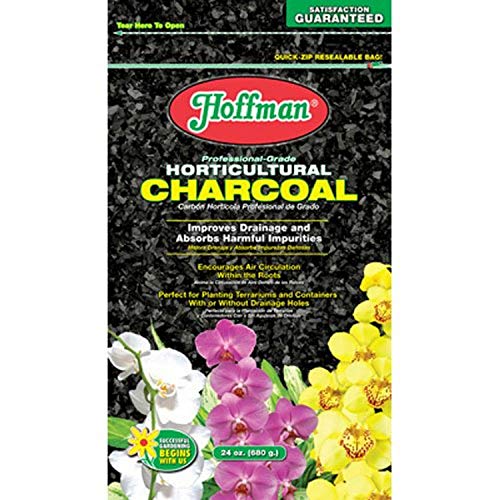
Hoffman 17502 Charcoal Soil Conditioner, 24 oz
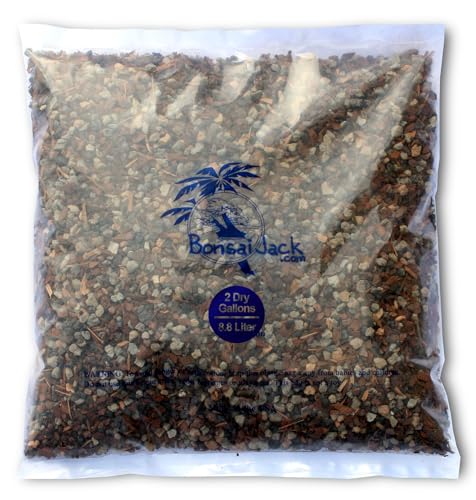
Bonsai Jack Universal Organic Bonsai Soil Mix #221
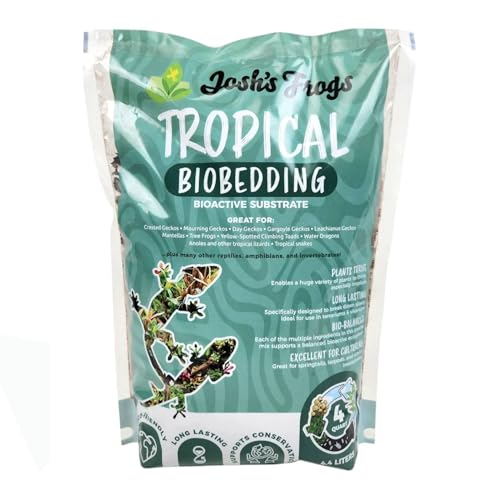
Josh’s Frogs BioBedding Tropical Substrate, 4 Quarts
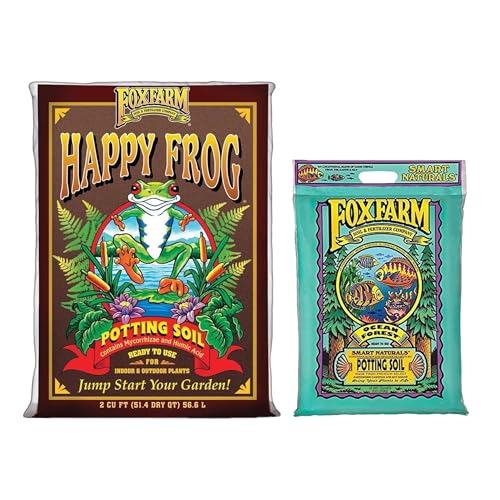
FoxFarm Happy Frog + Ocean Forest Bundle
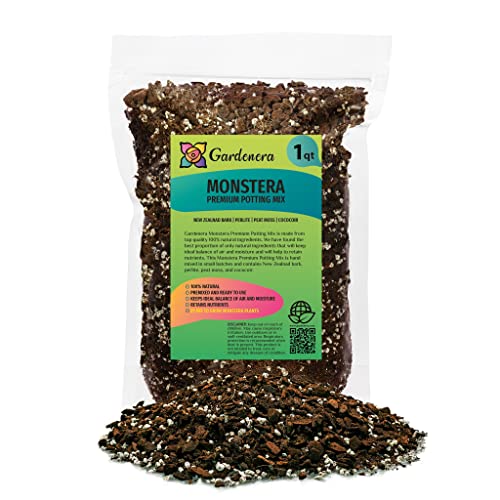
Gardenera Premium Monstera Potting Soil, 1 Quart

Gardenera Monstera Spray Fertilizer Mist, 8 oz

Gardenera Monstera Organic Superfood Spray Mist, 8 oz
The Strengths Of Each Pick
Storage is usually the bottleneck for anyone running more than a few grow bags, and a brick sidesteps that problem almost entirely. The Canna Coco Brick ships as a compact 8-liter block that fluffs up to roughly 40 liters once you add water, which means a couple of these can ride along in a closet or car trunk without drama.
Coco coir has a knack for holding air around roots while still moving water through the bag, and the medium stays loose through multiple waterings. If you’re filling a single small bag, a single brick is more volume than you need, so plan to split it or keep leftovers in a covered bucket.
Strengths Worth Knowing
- Compresses to about 8 liters dry and expands to roughly 40 liters wet, freeing up shelf room.
- Natural coconut coir holds a balance of moisture and air that suits thirsty veg like tomatoes and peppers.
- Reusable across seasons as long as you rinse and dry it between plantings.
- Neutral texture mixes cleanly with perlite or vermiculite when you want a custom blend.
Points To Note
- You’ll need a large bucket and time to rehydrate the brick fully before filling any bag.
- Coir carries almost no nutrients on its own, so a starter feed is needed for hungry crops.
- Fine fibers can compact over a long season if you skip fluffing between waterings.
Made For
Apartment growers and balcony gardeners who want bulk medium without dedicating a corner of the home to stacked bags.
Reach For A Different Pick When
You’d rather skip the soaking step and pour a ready-to-use blend straight into the bag, in which case the FoxFarm Ocean Forest Potting Soil fits more naturally.
Big outdoor grow bag setups drain fast in summer sun, and that’s exactly where a vermiculite additive earns its space. FarmTek ships a generous 4-cubic-foot bag of the mineral, which is enough to amend a whole row of medium or large fabric planters without rationing scoops.
The material is an inorganic, pH-neutral mineral that traps water and nutrients inside the root zone without swelling into mush. Gardeners commonly use it as a 10 to 30 percent mix-in to keep moisture even through dry stretches. Compared to the Canna Coco Brick reviewed earlier, this isn’t a standalone medium, it’s a partner you stir into other blends.
The Practical Payoff
- Holds water and dissolved nutrients in the root zone, stretching the gap between waterings.
- Mineral-based and pH-neutral, so it won’t push your soil chemistry in either direction.
- Loosens compacted mixes in raised beds and containers, keeping pore space open for oxygen.
- Large 4 cu ft volume suits gardeners running multiple grow bags at once.
Trade-Offs To Consider
- Too much vermiculite can keep a fabric grow bag overly soggy in shaded or rainy spots.
- It’s a supplement, not a complete medium, so you’ll still need a base soil or coco to fill bags.
- The bulky bag is awkward to store once opened if you only run a couple of bags.
Feature Snapshot
Best Suited To
Outdoor gardeners managing a long row of grow bags through hot, dry summers who need even moisture without daily hand-watering.
Look Elsewhere When
You’d rather skip mixing and want a finished bag medium, in which case the FoxFarm Ocean Forest Potting Soil is a more direct fit.
FoxFarm’s Ocean Forest is one of those blends that pulls double duty, since the bag opens and you’re already planting. The texture is light and aerated, which matters in a fabric grow bag where compaction builds up faster than in a rigid pot.
The blend carries earthworm castings, fish meal, crab meal, and other rich organic inputs that gently feed young starts. For most grow bag crops like peppers, leafy greens, or a single tomato plant, this is the closest thing to a fill-and-forget option on the list. For indoor foliage like aroids, you’ll still want to mix in extra bark or perlite to mimic their chunkier native mix.
Everyday Perks
- Ready to plant straight from the bag, no soaking or mixing required.
- Light, porous texture helps roots push through the bag walls and access oxygen.
- Built-in organic nutrition from worm castings and ocean-derived meals supports early growth.
- Available in single bags and multi-pack configurations for bigger grow bag rotations.
Less-Strong Areas
- Rich nutrient base can be a touch hot for very young, sensitive seedlings if used undiluted.
- Holds moisture well, so growers in humid climates may want to add perlite to keep bags airy.
- At 1.5 cu ft, larger grow bags may need two bags for a single fill.
Quick Facts
Who It Suits Best
Vegetable growers and herb gardeners who want a single bag that handles everything from peppers to basil without extra mixing.
A Better Fit Elsewhere
Tropical and bioactive setups are better served by Josh’s Frogs BioBedding Tropical Bioactive Substrate, which is built for microfauna-driven enclosures.
Hoffman’s charcoal conditioner is the kind of bag you don’t reach for every season, but once you start mixing it in, you notice the difference. The 24-ounce pouch is sized for a few grow bags at a time, and the porous charcoal pieces help excess moisture drain rather than pool.
Growers working with fabric pots without many drainage options, or those filling decorative grow bags that hold water near the base, find the charcoal’s filtration useful. The texture also opens up pore space so the root zone gets more oxygen through the day. It’s a complement to a base mix, much like the FarmTek Vermiculite covered above, though charcoal skews toward drainage and freshness while vermiculite skews toward moisture holding.
Strong Points
- Porous charcoal pieces pull excess moisture away from the root zone, reducing waterlogging.
- Absorbs impurities, helping keep the bag’s environment cleaner over time.
- Loosens dense mixes so oxygen reaches roots more easily.
- Compact 24 oz pouch stores easily on a shelf between growing seasons.
Honest Caveats
- Works best stirred into other blends, so you’ll still buy a base medium to fill bags.
- Charcoal can shed fine black dust when you first open it, so mix outdoors or wear gloves.
- The 24 oz size runs out quickly if you’re amending many large grow bags.
Feature Card
Whose Shelf It Belongs On
DIY mixers and houseplant collectors who build custom aroid blends and want better drainage without switching to a fully gritty mix.
Skip It When
You’d rather buy a pre-built coarse blend, in which case Bonsai Jack Universal Organic Bonsai Soil Mix #221 covers similar ground without the mixing step.
Most generic potting mixes are too dense for shallow-rooted trees and chunky succulents, which is where a coarse mix like Bonsai Jack earns attention. The #221 blend is screened and pre-washed, so the dust and fines that normally clog drainage are already out of the bag.
For a small grow bag dedicated to bonsai, succulents, or other sharp-drainage crops, this is a clean fit. Larger grow bags running thirsty vegetables will dry out too quickly in this mix. Pair the choice to the crop rather than reaching for it across the board.
Where It Helps
- Screened and pre-washed for fewer fine particles that block drainage.
- Optimized particle size supports oxygen flow around shallow roots.
- Listed pH around 6.4 sits in a comfortable range for many ornamentals.
- Available in sizes ranging up to large volumes for serious growers.
A Few Limitations
- Drains aggressively, which can stress thirsty crops in summer sun.
- Coarse texture doesn’t suit seed-starting or small, fine-rooted plants.
- Premium positioning means the per-gallon cost is steeper than bagged potting soil.
Right Fit For
Collectors of bonsai, succulents, and other sharp-drainage plants who want a pre-cleaned coarse blend ready to fill a small grow bag.
Where Another Pick Suits Better
Vegetable gardeners running larger bags would do better with FoxFarm Ocean Forest Potting Soil, which holds moisture longer between waterings.
Bioactive setups are a different lane from vegetable gardening, and Josh’s Frogs BioBedding is tuned for exactly that world. The 4-quart bag is sized for smaller enclosures, including the small fabric grow bags or plant bins used for tropical vivarium-style plantings.
When paired with microfauna like springtails and isopods, the substrate is meant to process waste on its own rather than needing full replacement. That’s a notable upside for anyone tired of swapping out bedding every few months. Outside tropical and bioactive contexts, the value fades quickly.
Practical Pluses
- Supports a self-sustaining bioactive cycle when used with springtails and isopods.
- Encourages cleaner enclosures by reducing standing waste.
- Natural appearance reads closer to a planted tropical floor than plain potting soil.
- Also sold in a 10-quart pack of two for slightly larger enclosures.
Where It Is Less Suited
- Niche formulation isn’t a fit for typical vegetable or herb grow bags.
- Needs a working microfauna population to deliver its main benefit.
- Small bag size runs out fast in any medium or large grow bag setup.
At A Glance
Who Should Grab It
Bioactive keepers and tropical vivarium hobbyists running small grow bag enclosures who want a substrate that handles its own upkeep.
Swap It Out When
You’re growing edible crops or houseplants, in which case FoxFarm Happy Frog + Ocean Forest Bundle serves a more typical container planting.
Two blends in one shipment changes the planting rhythm for anyone running a few grow bags with different crops. The FoxFarm Happy Frog + Ocean Forest bundle pairs the milder Happy Frog mix with the richer Ocean Forest blend covered earlier, so you can stage feeding intensity without buying separate products.
Happy Frog tends to suit young seedlings and herbs, while Ocean Forest gives fruiting plants a more substantial start. Splitting the bags across your grow bag rotation lets you match medium to stage rather than feeding everything the same way.
Noteworthy Benefits
- Two complementary FoxFarm blends cover seedlings through mature plants.
- Happy Frog adds soil microbes and worm castings to support root efficiency.
- Ocean Forest brings richer organic nutrition for fruiting and flowering crops.
- Single shipment keeps inventory simple for first-time container gardeners.
Some Limits To Know
- Total volume still runs modest for very large grow bag setups.
- Both blends are moisture-retentive, so humid climates may need extra perlite mixed in.
- You’ll end up with leftover mix if your planting rotation doesn’t use both equally.
Perfect Match For
First-time grow bag gardeners who want two established blends on hand without choosing between seedlings and heavier feeders.
Not Your Match When
You only grow one type of crop in bulk, in which case a single bag of FoxFarm Ocean Forest Potting Soil is the simpler pick.
Monstera deliciosa and similar aroids evolved climbing through chunky, well-drained rainforest floors, and they sulk in dense, soggy mixes. Gardenera’s 1-quart bag leans into that profile with a blend of organic aged bark, coco coir, perlite, biochar, and worm castings.
The mix is sized for a single small grow bag or a few small fabric pots, which makes it easy to fit into a houseplant rotation. You’ll want to pair it with a pot or bag that has dependable drainage. Without that, even a chunky mix will keep roots too wet.
The Helpful Details
- Blend of bark, coco coir, perlite, biochar, and worm castings mimics an aroid’s natural floor.
- Designed to reduce common aroid issues like brown spots, root rot, and dropping leaves.
- Quick-draining texture suits fabric grow bags that already let air through the sides.
- Ready to use straight from the bag for repotting projects.
Small Caveats
- Tuned for aroids, so it’s not a general-purpose vegetable or herb mix.
- 1-quart bag is small, so multiple bags are needed for several large grow bags.
- Needs pots or bags with reliable drainage to deliver the quick-drain benefit.
Right Fit For
Indoor plant parents focused on Monstera and other aroids who want a plant-specific mix ready for a small fabric grow bag.
Where A Sibling Pick Shines
If your bag rotation is split across succulents, bonsai, and ornamentals, Bonsai Jack Universal Organic Bonsai Soil Mix #221 covers a wider range of sharp-drainage plants.
The Gardenera Professional Monstera Spray Fertilizer Mist earns its place on this list as a maintenance companion rather than a primary growing medium. The 3-1-2 nutrient ratio is gentle enough for weekly foliar feeding without leaf burn.
In a small grow bag setup, misting gets the leaves involved in nutrient uptake without dumping salts into the soil. The 8-ounce bottle is sized for steady weekly use across a handful of indoor plants. Gardeners committed to a daily misting routine will see more benefit than those who reach for it once a month.
Positive Points
- 3-1-2 nutrient ratio is mild enough for regular foliar feeding.
- Spray format reaches leaves directly, supplementing what the soil delivers.
- Tailored to Monstera and similar tropical foliage.
- Compact 8 oz bottle fits on a shelf next to the grow bags.
Practical Considerations
- Works best alongside a solid soil routine rather than replacing it.
- Foliar feeding needs to dry on leaves, so humid rooms may need extra airflow.
- Bottle runs out quickly if you’re misting a large grow bag rotation.
Built With In Mind
Houseplant keepers who already mist their Monstera weekly and want a balanced fertilizer mixed into that routine.
Consider Something Else When
You’re focused on soil-side feeding rather than foliar, in which case the Gardenera Monstera Organic Superfood Spray Mist offers a broader nutrient profile.
The Superfood mist is the broader counterpart to the 3-1-2 spray covered above. This 8-ounce bottle layers in micro-fungi and a longer list of nutrients, aimed at indoor plant keepers who want a more comprehensive foliar product.
Used as a regular supplement, it can support leaf color and steady growth in a Monstera or similar aroid grown in a small grow bag. Compared to the milder spray, you’ll feel the difference most if your plant is mature and actively pushing new leaves each month.
The Case For It
- Enriched with micro-fungi that complement the soil biology around aroid roots.
- Broader nutrient profile covers more bases than a simple NPK foliar spray.
- Designed for steady home use rather than occasional rescue feeding.
- Spray format keeps the application quick on a busy indoor routine.
Worth Bearing In Mind
- Higher nutrient load means over-spraying risks leaf spotting.
- Best paired with a chunky aroid mix like the Gardenera Premium Monstera Potting Soil.
- Same small 8 oz format means it runs out fast in larger grow bag rotations.
Feature Rundown
Who Will Love This
Devoted indoor plant keepers who want a richer foliar product on hand for mature Monstera plants in small fabric grow bags.
Where Another Pick Suits Better
Edible growers would do better with FoxFarm Ocean Forest Potting Soil as a base, since foliar sprays aren’t a substitute for soil nutrition in food crops.
What Matters Most When Filling A Grow Bag
Grow bags breathe through their fabric walls, which means air reaches roots from the sides as well as the top. A heavy garden soil pulled straight from a yard bed will compact against that breathable wall and shut off that airflow fast, so growers lean toward lighter blends with visible structure: peat, coco coir, perlite, bark, or composted organics. The right texture keeps water moving through the bag without leaving the medium bone-dry an hour later.
Watering behavior is the second filter. Fabric bags lose moisture through the sides, so any medium that holds a little extra water pays off in summer. Vermiculite and coir both help, while very gritty mixes like Bonsai Jack dry out so quickly they suit only sharp-drainage plants. The honest read is that a single bag of general-purpose mix rarely covers every crop on a patio, so building a small stockpile of one base plus one or two amendments is a more flexible path than chasing a perfect all-in-one.
Nutrient load is the third variable, and it cuts both ways. A rich blend like FoxFarm Ocean Forest gives seedlings a strong start, but tender young plants can react badly to that intensity. For propagation or seed-starting, a milder base or a blend diluted with extra coco coir is the safer route. Match the bag to the stage of growth, and rotate as the plant matures, instead of forcing one mix to do everything.
Finally, think about reuse. Coco coir, perlite, and bark-based blends tend to survive a second season with a quick rinse and refresh, while fine peaty mixes break down into a denser structure that usually wants replacing. A small grow bag rotation stays healthier over multiple years when the medium is built to last more than one cycle.
Key Considerations Across These Picks
Wrong Turns To Avoid
The most common mistake is treating a grow bag like an in-ground bed and filling it with dense topsoil. That medium compacts inside the fabric walls and starves roots of oxygen, even with careful watering. A second trap is assuming that any “potting soil” works for every plant, when in reality aroids, succulents, herbs, and fruiting vegetables each want a slightly different balance. Lastly, skipping drainage amendments to save cost often shows up as soggy bag bottoms and root rot by midsummer.
What The Upgrade Buys
Premium blends tend to earn their position through screening, washing, and tighter particle control, which is exactly what Bonsai Jack and similar coarse mixes deliver. Higher-tier foliar sprays like the Gardenera Superfood Mist add micro-fungi and a broader nutrient list, supporting soil biology rather than just leaf color. For most growers, the upgrade pays off when a single mistake, like overwatering or compaction, would otherwise cost a plant, and the cleaner, more forgiving medium prevents that loss.
Frequently Asked Questions
Can I reuse grow bag soil from one season to the next?
Many of the blends here, including coco coir, perlite mixes, and bark-based mediums, hold up across multiple seasons with a refresh. Pull the old mix out, fluff it up, and remix in a handful of compost or a slow-release feed before replanting. Fine, peaty mixes break down faster and usually want replacing.
Do I need to add fertilizer if the bag is already a “rich” blend?
The richer blends on this list, like FoxFarm Ocean Forest, feed plants for the first several weeks. After that, a balanced liquid feed or a foliar spray such as the Gardenera Monstera Spray Fertilizer Mist keeps growth steady through the season, especially for fruiting crops and large foliage plants.
How much soil does a typical grow bag actually need?
A 5-gallon fabric bag holds roughly 0.7 cubic feet of medium, while a 10-gallon bag needs closer to 1.3 cubic feet. A standard 1.5 cu ft bag of potting soil covers one 5-gallon bag with a little left over, or two smaller bags with care.
Are fabric grow bags okay for succulents and bonsai?
Fabric bags drain fast and air-prune roots, which suits succulents and bonsai in a coarse mix like Bonsai Jack Universal Organic Bonsai Soil Mix #221. The faster drying time means you may need to water more often than in a glazed ceramic pot.
Is foliar feeding a substitute for soil feeding?
Foliar sprays like the Gardenera Superfood mist support leaf health and offer a quick nutrient pickup, but they don’t replace the long-term nutrition delivered through the soil. Use them as a supplement to a solid base mix rather than as a primary feeding strategy.
Wrap Up
The right medium depends less on brand loyalty and more on what you’re growing and how often you want to water. Vegetable growers tend to do best with a ready-to-use blend like FoxFarm Ocean Forest, while aroid and succulent keepers lean toward chunkier, faster-draining mixes. Amendments like vermiculite and charcoal round out a small stockpile, and a foliar spray adds finishing touches without overcomplicating the routine. Pick the bag that matches your crop, your climate, and the time you actually want to spend watering.
