

Carrots punish heavy, rocky, or compacted ground with forked roots, stubby shoulders, and a frustrating harvest. Choosing the right growing medium sets the tone for the whole season, whether you’re filling a raised bed, refreshing a patio container, or jump-starting seedlings indoors. This roundup walks through ten soils and soil supports that lean light, loose, and well-draining, the texture profile carrots actually crave. You’ll find bagged blends, compressed options for tight storage, and microbial activators worth pairing with what’s already in your beds. Each pick is matched to a real scenario, from balcony growers to backyard patch tenders.
Your Options, Compared
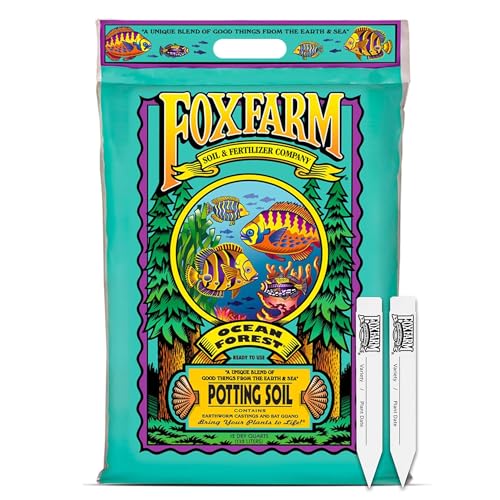
FoxFarm Ocean Forest Potting Soil 12 Quarts with Plant Tags

FoxFarm Ocean Forest Potting Soil, 1.5 cu ft

Miracle-Gro Potting Mix, 16 qt., 2-Pack

Compressed Organic Potting Soil, Expands 4x

Miracle-Gro Indoor Potting Mix, 6 qt., 2-Pack

FoxFarm Ocean Forest Potting Soil 12 Quart
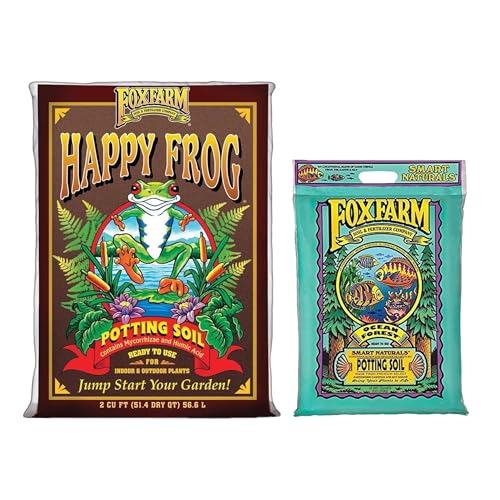
FoxFarm Happy Frog 2 cu ft + Ocean Forest 12 qt
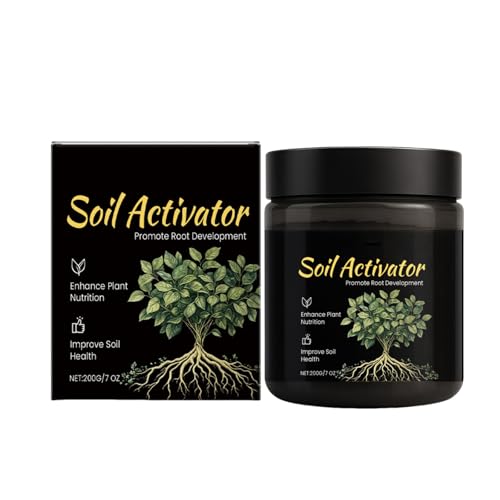
CULIWATE Soil Pro Activator, 7 fl oz (1-pack)

CULIWATE Soil Pro Activator, 7 fl oz (2-pack)

CULIWATE Soil Pro Activator, 7 fl oz (3-pack)
More On The Choices That Made The List
A small bag of FoxFarm Ocean Forest suits carrot growers working at a modest scale. Twelve quarts is enough to fill two or three mid-size planters without paying for soil that sits around in a damp garage. The blend goes in ready to use, so you skip the measuring and stirring stage and get straight to sowing.
The included plant tags are a quiet perk, handy for marking different carrot cultivars like Nantes versus Imperator so you can compare what actually thrives in your setup. Carrots want loose, well-draining ground, and this mix leans that direction with its light, airy texture. Compared to the larger Ocean Forest bag below, this one’s easier to carry and store.
Notable Upsides
- Ready to use straight from the bag, no mixing required
- Light texture suits carrot roots that need room to push downward
- Twelve-quart size fits a few medium planters or one large one
- Plant tags included for tracking different carrot varieties
Worth Noting
- Smaller bag means more frequent repurchasing for bigger beds
- Richer blend can hold moisture longer than sandy mixes, so monitor drainage
Who It Suits Best
Patio growers and first-time carrot planters who want a no-fuss bag sized for a few containers.
Consider Something Else When
Anyone filling a full raised bed should reach for the larger FoxFarm Ocean Forest 1.5 cu ft bag instead.
The 1.5 cubic foot version of Ocean Forest moves the same trusted blend into raised-bed territory. One bag fills a four-by-four bed to a workable depth, enough for a serious carrot sowing rather than a token row. The texture stays light and aerated, which is exactly the loose profile carrots need to send down straight roots.
It’s a step up in bulk without changing the formula, so if you’ve used the smaller FoxFarm bag above and liked the results, you get more of the same here. The bag is heavy enough that you’ll want a cart or a second pair of hands getting it home. For gardeners rotating beds between carrots and other crops, the volume is easier to budget around than splitting multiple small bags.
What Pays Off
- Larger volume cuts the per-quart cost meaningfully
- Same aerated blend supports deep, straight carrot roots
- Fills a small raised bed in a single bag
Trade Offs
- Heavy to transport without a wheelbarrow or cart
- Once opened, owners commonly reseal it or transfer to a bin to keep it from drying out
Right Fit For
Backyard growers with a raised bed or two who want one bag to handle most carrot sowings.
Skip It When
Apartment dwellers short on storage are better served by the compressed Organic Plant Magic option.
Miracle-Gro’s two-pack brings a familiar name to carrot containers. The mix is engineered to feed potted plants for up to six months, which lines up neatly with a carrot’s typical grow-out window. Two sixteen-quart bags cover a generous patio setup without the weight of a single oversized bag.
Carrots aren’t heavy feeders the way tomatoes are, but a slow-release feed prevents the mid-season yellowing that sometimes shows up in depleted container mixes. Compared to FoxFarm’s richer organic blends, this one feels lighter on the nose and easier on the wallet for volume. For growers who rotate between flowers and vegetables in the same pots, the long feed window keeps things simple.
The Upside
- Built-in feeding reduces how often you need to add fertilizer
- Two-pack delivers thirty-two quarts for bigger patio projects
- Light texture suits root vegetables in containers
- Widely available format makes reordering easy mid-season
Points To Note
- Synthetic feed may not appeal to organic-focused growers
- Holds moisture longer than sandy mixes, so monitor pot drainage
Made For
Container gardeners running a mixed vegetable and flower rotation who want one soil that handles multiple crops.
A Better Fit Elsewhere
Pure organic growers chasing an earthworm-castings profile will prefer FoxFarm Ocean Forest over this Miracle-Gro option.
Compressed soil solves a problem most carrot shoppers don’t think about until they’re staring at a stack of bags in a tiny closet. This Organic Plant Magic brick arrives small and light, then expands roughly four times its volume once you add water. For balcony growers without a garage, that’s a real quality-of-life improvement.
The blend leans on coconut coir, a fibrous material that holds moisture while staying loose, and worm castings for a gentle nutrient baseline. Carrots like that combination because it resists compaction over a long grow. Compared to the bagged FoxFarm and Miracle-Gro options, this one asks for more hands-on prep but rewards you with zero wasted storage space.
Where It Delivers
- Tiny footprint when dry, expands with water
- Coir base resists compaction that stunts carrot roots
- Worm castings add organic nutrients from the start
- Easy to carry home from a store or up apartment stairs
Honest Caveats
- Requires water and a mixing tub before use
- Smaller expanded volume per brick than a full bag of potting mix
Best Suited To
Apartment and balcony growers short on storage who don’t mind a quick hydration step before sowing.
Look Elsewhere When
Anyone filling a full raised bed should pick up the FoxFarm Ocean Forest 1.5 cu ft bag instead.
This Miracle-Gro Indoor blend targets the early side of carrot growing, the seedling and transplant stage before roots go outdoors. It’s a lightweight mix of sphagnum peat moss, coir, and perlite, ingredients chosen for water management rather than long-season fertility. Perlite is the white volcanic material that keeps soil from packing down, exactly what young carrot taproots need.
For growers starting carrots under lights in late winter, this gives roots a gentle medium without drowning them. The two-pack delivers twelve quarts, which is plenty for several seed trays. Compared to the outdoor Miracle-Gro Potting Mix above, this one skips the long-feed formula in favor of a cleaner texture profile.
The Practical Payoff
- Light perlite blend prevents damping off in seedling trays
- Coir component balances moisture without waterlogging
- Two-pack covers a full indoor sowing cycle
Things To Consider
- Designed for indoor use, not a long-term outdoor bed solution
- Limited volume per bag compared to outdoor mixes
Who Will Love This
Seed starters who begin carrots indoors under lights before transplanting to a larger bed.
Not Your Match When
You want a single bag for a full outdoor carrot patch, where FoxFarm Ocean Forest 1.5 cu ft fits better.
Another twelve-quart entry from FoxFarm, this Ocean Forest variant lines up nicely as a baseline container garden mix. The formula leans on aged forest products, sandy loam, and sphagnum peat moss. Sandy loam is a soil type with balanced sand, silt, and a small clay content, prized for drainage and root penetration, both crucial for carrot shape.
For growers comparing this against the smaller FoxFarm bag with plant tags, the trade-off is bundling versus simplicity. Same trusted aerated profile, just a different retail configuration. Carrots sown in this blend tend to push down without forking, especially in deep pots.
Real Benefits
- Sandy loam component naturally supports straight carrot roots
- Light, aerated texture prevents compaction over a long grow
- Twelve-quart size suits single-bed or several medium pots
Small Caveats
- No plant tags included compared to the variant above
The Right Fit
Container gardeners who already keep markers on hand and want the trusted FoxFarm blend in a standard size.
Reach For A Different Pick When
You want a richer organic profile with earthworm castings as the headline ingredient, in which case the Ocean Forest 1.5 cu ft bag is the move.
This bundle pairs two cubic feet of Happy Frog with a twelve-quart Ocean Forest bag, giving carrot growers a multi-stage setup. Happy Frog leans on soil microbes and includes earthworm castings, bat guano, and aged forest products. Bat guano is a nutrient-rich amendment made from bat droppings, used in small quantities to boost growth.
The pairing lets you start seedlings in one mix and finish them in another. Carrots don’t always love being transplanted, but growers who start indoors for a long-season variety get value from having both textures on hand. Compared to buying each bag separately, the bundle simplifies a multi-stage carrot plan.
Useful Strengths
- Two distinct blends for seedling and finishing stages
- Happy Frog’s microbe package supports early root development
- Bundle format removes the guesswork of pairing soils yourself
Points To Keep In Mind
- Higher upfront volume than most carrot projects need
- Happy Frog is richer than carrots strictly require
- Two large bags mean planning where they’ll live in your storage
Built With In Mind
Growers running an indoor-to-outdoor carrot program who want both a starter and a finishing medium in one order.
Where A Sibling Pick Shines
For a single-stage container sow, the smaller FoxFarm Ocean Forest 12 qt bag keeps things simpler.
The first CULIWATE entry shifts the conversation from bagged soil to soil activator. Rather than replacing your mix, this water-soluble product is meant to be sprinkled on or mixed in to wake up tired beds. Beneficial microorganisms are the headline feature, and that’s a different approach from a fertilizer.
For carrot growers working with last year’s depleted container mix, an activator can squeeze another season out without a full re-pot. The seven-fluid-ounce bottle covers a modest application window. Compared to the bagged options above, this is a supplement, not a substitute, and it pairs naturally with any of them.
Standout Benefits
- Reactivates microbial life in reused container soil
- Water-soluble format mixes in quickly
- Works indoors and outdoors across vegetables and ornamentals
Practical Considerations
- Small bottle may run out quickly for larger garden beds
- Not a standalone replacement for fresh potting mix
Whose Shelf It Belongs On
Container growers reusing last season’s soil who want a microbial boost without dumping everything out.
Swap It Out When
You’d rather start fresh with a new bag of FoxFarm Ocean Forest 1.5 cu ft instead of reviving old medium.
The two-pack version of the CULIWATE activator stretches the same microbial approach across a longer timeframe. Two seven-fluid-ounce bottles let you treat a carrot bed at planting, then follow up mid-season without reordering. For most home patches, that’s a comfortable rhythm.
Carrots benefit from steady biological activity throughout their slow root-building phase, and split applications tend to outperform one heavy dose. Compared to the single-bottle option, the only meaningful change is volume. The formulation and use case stay identical.
Practical Pluses
- Two-bottle supply covers planting and mid-season boost
- Same microbe-forward formula as the single bottle
- Suitable for both indoor and outdoor beds
Less Ideal Details
- Still a supplement, not a full soil replacement
Perfect Match For
Growers running carrots in beds they reuse season to season, where a second application pays off.
Another Choice May Suit
First-time carrot growers on a tight budget are better served by Miracle-Gro Potting Mix 16 qt 2-Pack alone.
Three bottles cover a serious carrot program. If you’re rotating multiple beds through the season or tending a community garden plot, the three-pack keeps you stocked without reordering. The activator formula stays consistent across pack sizes, so dosing logic carries over from the one and two-pack options.
For most home growers, three bottles is more activator than a single carrot bed needs, which is exactly why the multi-pack suits shared spaces and serious rotation programs. Light watering after application helps the microbes settle in. Compared to the bagged soils above, this is the supplementary tool rather than the foundation.
What Stands Out
- Three-bottle supply for full-season or multi-bed use
- Same microbial activation as smaller packs
- Useful across indoor and outdoor applications
Where It Is Less Suited
- Overkill for a single small carrot patch
- Requires storage space for three bottles
Who Should Grab It
Garden coordinators, community plot leaders, and home growers running several beds in rotation through the season.
Not Your Match When
You’re filling one or two carrot planters, in which case the single CULIWATE bottle or a fresh bag of FoxFarm Ocean Forest makes more sense.
What Matters Most Before Choosing Soils For Growing Carrots
Texture and Drainage
Carrots demand loose, well-draining soil, full stop. Heavy clay or compacted ground produces stunted, forked roots that disappoint at harvest. Sandy loam and peat-based blends with perlite or coir keep the medium friable. Friable means the soil crumbles easily in your hand rather than clumping. When you can plunge a finger into your bed without resistance, you’ve got the right starting point. Container growers in particular should avoid anything that compacts under watering.
Depth and Container Volume
Carrots are longer than most people expect. Even short varieties push down six inches or more. Choosing a bag without enough volume leaves roots hitting the bottom of a pot and curling sideways. Deep planters and raised beds give roots the runway they need. The volume number on the bag should match the depth you’re trying to achieve.
Nutrient Balance
Carrots aren’t heavy feeders, but they do want a baseline of organic matter. Earthworm castings, aged compost, and slow-release feeds keep growth steady without forcing leafy tops at the expense of roots. Over-rich nitrogen pushes carrot tops hard while roots stay thin. A balanced blend with moderate organic content tends to outperform heavily fertilized mixes.
Indoor Versus Outdoor Use
Indoor seed-starting mixes prioritize moisture control and clean texture, while outdoor blends lean toward long-term structure. A bag labeled for indoor use isn’t necessarily wrong outdoors, but it may compact faster. Choosing a mix matched to your actual growing environment saves mid-season troubleshooting.
Key Considerations Across These Picks
Pitfalls Shoppers Hit
Reaching for a bargain generic topsoil rather than a dedicated potting mix is the most common carrot-growing regret. Garden soil dug from a yard often carries clay, weed seeds, and density that carrots can’t push past. Another mistake is overfilling containers with rich compost that holds too much moisture. Carrots prefer a mix that drains within a reasonable window after watering. Sowing too deep is a third trap, since carrot seeds barely need covering at all.
What Separates Premium From Basic
Premium blends invest in ingredient quality: aged forest products, real earthworm castings, and consistent texture from bag to bag. Basic mixes lean on peat and perlite with lighter feeding. The premium tier matters most for carrots because their root shape is sensitive to any chunk, stick, or clay lump in the medium. Spending up usually shows up at harvest in straighter, longer roots rather than in lusher tops. If your carrots have forked or stubbed in past seasons, upgrading the soil is often the lever that fixes it.
Frequently Asked Questions
How deep should soil be for carrots?
Plan for at least ten to twelve inches of loose soil for full-size carrot varieties, with shorter varieties tolerating six to eight inches. Anything shallower forces roots to bend or stop early, especially in container setups.
Can I reuse last year’s potting soil for carrots?
Yes, but you should refresh it. Fluff the old medium, remove old root debris, and consider pairing it with a soil activator like the CULIWATE options above to restart microbial activity before sowing fresh carrot seed.
Do carrots need fertilizer once sprouted?
Light feeding helps, but carrots prefer a balanced start over heavy mid-season boosts. Excess nitrogen produces leafy growth at the expense of root size, so a moderate baseline from the bag is usually enough.
What’s the best soil texture for carrot roots?
Sandy loam or peat-and-perlite blends give carrots the loose, crumbly profile they need. Anything that compacts under watering or contains large chunks will fork or stunt the taproot before it reaches full size.
Should I start carrot seeds indoors or direct sow?
Direct sowing is generally easier since carrots dislike transplanting. Indoor starting only makes sense for very long-season varieties or growers in short growing windows, where the Miracle-Gro Indoor mix above fits the seedling stage.
Bottom Line
Carrots reward a light, loose medium more than any other single input. The bag you choose should match your container depth, your storage situation, and how hands-on you want to be with prep. FoxFarm Ocean Forest in its various sizes handles most carrot programs cleanly, while the compressed Organic Plant Magic option unlocks tight-space growing. Activators like the CULIWATE bottles earn their place when you’re refreshing last year’s mix. Pick the soil that fits your scale, then trust the texture to do the work at harvest.
