

A vegetable patch lives and dies by what sits beneath your plants. The right soil feeds roots, holds moisture without going soggy, and gives seedlings the airy start they need to push into sturdy transplants. Pick wrong and even careful watering and pruning won’t save a struggling bed.
This list looks at ten soil and soil-adjacent products built to support vegetable gardens, from compressed potting mixes that save on storage to worm castings that boost tired native soil. Each pick solves a different problem, so the right one depends on whether you’re filling raised beds, refreshing containers, or amending a backyard plot that’s seen better seasons.
The Main Contenders

Organic Plant Magic Soluble Plant Food + Compressed Potting Soil

Earth Science Earthworm Castings 3 lb

FoxFarm Ocean Forest Potting Soil 1.5 cu ft

Organic Plant Magic Compressed Potting Soil

Worm Bliss Organic Worm Castings 1 Qt

Organic Plant Magic Compressed Soil + Granular Fertilizer

Organic Plant Magic Compressed Soil (Two 2 lb Bags)
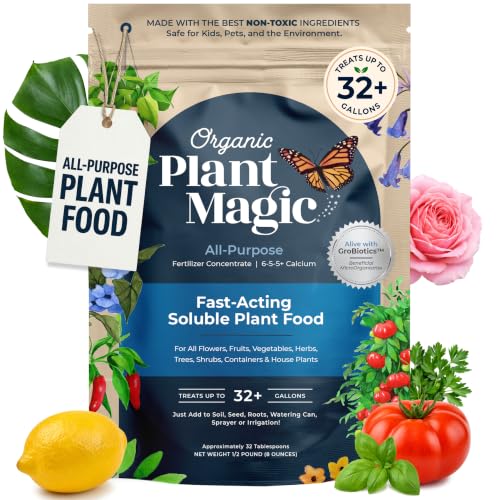
Organic Plant Magic Soluble Plant Food 1/2 lb

Organic Plant Magic Slow Release Granular Fertilizer 4 lb

Organic Plant Magic Soluble + Granular Fertilizer Bundle
What Each Pick Brings To The Table
This pairing covers two jobs at once, which is exactly what new gardeners usually need. The compressed soil brick expands up to four times its dry volume when water hits it, so a small package turns into roughly three gallons of growing medium. The accompanying soluble plant food treats up to 2,000 square feet and makes more than 64 gallons of liquid feed, so one bundle handles a small raised bed or several containers for a full season.
You get the foundation and the meal in the same shipment. For anyone starting a first vegetable patch in spring, that simplicity removes the guesswork of matching a soil to a fertilizer separately.
Strong Points
- Bundles a complete soil and feeding setup, removing the need to choose two products independently
- Compressed format keeps storage easy before the season starts and is light to carry to the bed
- Large soluble feed yield supports repeated applications across a full growing season
- Organic base suits edible crops without synthetic additives
Trade-Offs Worth Knowing
- The expanding soil volume is generous for small beds but may fall short for larger plots, requiring multiple bundles
- Soluble feeding needs a watering can and a routine, so it takes more attention than a slow-release granular
Who It Suits Best
First-time vegetable gardeners building a small raised bed or a few patio containers want one bundle that handles soil and feeding together.
Skip It When
FoxFarm Ocean Forest Potting Soil suits shoppers filling many large containers who need bulk volume rather than a compact starter brick.
Earthworm castings are the worm-processed organic matter that gardeners reach for when native soil has gone flat. This three-pound bag works as a soil conditioner, feeding the beneficial microbes that keep a vegetable bed alive and improving how the soil holds water between rains.
You don’t use castings as a standalone growing medium, and that’s the point. Instead, you work them into an existing bed or blend them into potting soil to lift its nutrient content. For an established plot that’s produced a few crops already, this is often the missing piece.
What Works In Its Favor
- Adds organic matter and supports the soil’s microbe population, which in turn feeds vegetables slowly
- Improves water retention in sandy or fast-draining ground, useful during dry summer stretches
- Three-pound size covers several square feet when top-dressed or mixed in
Honest Caveats
- Not a standalone growing medium, so you still need a base soil for containers or new beds
- Three pounds sounds generous, but heavy feeders like tomatoes and squash may need repeat applications through the season
Feature Snapshot
Right Fit For
Gardeners with an existing vegetable bed that needs a mid-season boost or an off-year refresh benefit most from this amendment.
A Better Fit Elsewhere
The Organic Plant Magic Compressed Potting Soil bundle suits someone starting fresh who needs actual growing medium, not just a soil enhancer.
FoxFarm’s Ocean Forest is one of the most recognized bagged potting soils in the vegetable container crowd, and that reputation follows real ingredients. The blend includes earthworm castings, fish meal, and crab meal, which together give seedlings a rich, biologically active start without extra fertilizer for the first several weeks.
The texture is light and aerated, which is exactly what roots need in a pot. Unlike garden dirt, this blend stays fluffy after watering and resists the compaction that chokes pot-grown vegetables. You open the bag, fill your container, and plant.
The Good Stuff
- Ready to use straight from the bag, with no mixing or amendments needed for most vegetable starts
- Light, airy texture resists compaction in containers where roots need oxygen
- Built-in organic nutrition supports seedlings through the early growth stage
- 1.5 cubic feet fills several medium pots or one large planter
Points To Keep In Mind
- Premium blend carries a higher per-bag cost than basic potting mixes
- Nutrients deplete over a long season, so heavy feeders still benefit from supplemental feeding later in summer
- A single bag is heavy and awkward to haul up stairs or across a yard
Made For
Patio gardeners growing tomatoes, peppers, or herbs in mid-to-large containers want a bagged mix that’s ready to plant and forgiving for beginners.
Not Your Match When
The Organic Plant Magic compressed soil suits someone filling a small space without room to store bulky bags.
Storage is often the silent problem with bagged soil, especially for apartment gardeners or anyone working without a garage. This compressed format shrinks the same volume of growing medium into a fraction of the shelf space, then expands up to four times when water hits it.
The expanded soil comes out light and workable, derived from coconut coir and worm castings for a nutrient base that supports seedlings and transplants alike. You pour the granules into a tub, add water, and watch them fluff up into roughly three gallons of mix.
Notable Upsides
- Compact dry format fits on a closet shelf until you’re ready to use it
- Expands to about three gallons per bag, enough for several medium pots
- Coconut coir base holds moisture well between waterings
- Worm casting content gives seedlings a gentle nutritional start
Some Limits To Know
- Expanding the soil requires a separate tub and water, so plan for a small workspace
- Single bag volume suits small projects; filling a large raised bed needs multiple bags
Best Suited To
Apartment dwellers and small-space gardeners without room for bulky soil bags benefit from the compressed storage format.
Look Elsewhere When
FoxFarm Ocean Forest Potting Soil is a better fit when filling many large containers and you want a bagged, ready-to-use mix.
Worm Bliss is a one-quart container of pure earthworm castings, listed by OMRI for organic growing use. The small size is intentional. Castings are a concentrated amendment, so a little goes into the soil rather than replacing it entirely.
For gardeners who already have a workable base soil and want to push its nutrient content higher, this is the cleanest option on the list. You can blend it into potting mix, side-dress vegetables mid-season, or work it into a transplant hole.
Well-Handled Touches
- OMRI-listed status signals suitability for organic vegetable production
- Concentrated format means a small container treats a meaningful area
- Vegan and manure-free formula avoids the smell issues some amendments carry
- Works as a soil boost, transplant amendment, or top-dress during the season
Worth Noting
- One quart covers a limited area, so larger beds need multiple containers or a bigger bag like Earth Science
- Not a replacement for a full soil volume, so you still need a base medium
Feature Card
Who Should Grab It
Organic-focused gardeners who want a verified amendment for mixing into beds or containers value the OMRI-listed status and pure composition.
Reach For A Different Pick When
Earth Science Earthworm Castings suits gardeners who need more volume for a larger bed refresh at a lower total cost.
This bundle swaps the soluble feed of the earlier Organic Plant Magic bundle for slow-release granules, which changes the daily routine significantly. You set up the bed once, sprinkle the granules into the planting area, and the fertilizer releases nutrients over weeks rather than needing a watering-can feed every week or two.
The compressed soil still expands to roughly three gallons, so the foundation work matches the first bundle. The difference shows up in maintenance, which drops noticeably during the season.
Practical Advantages
- Slow-release granules reduce the need for repeat feeding applications
- Covers up to 1,000 square feet of garden space from a single bundle
- Compressed soil keeps storage light before the season opens
- Organic base aligns with edible crop growing
Possible Compromises
- Slower nutrient release means seedlings look hungry in the first few weeks if planting conditions are cool
- Granular feeding is less flexible than liquid feeds for correcting deficiencies mid-season
Whose Shelf It Belongs On
Busy gardeners who want to set up a bed and walk away for most of the season benefit from the slow-release format.
Consider Something Else When
The Organic Plant Magic soluble plant food suits gardeners who prefer weekly liquid feeding and faster visible results.
The two-bag configuration of Organic Plant Magic’s compressed soil doubles the dry storage efficiency while expanding into roughly six gallons of finished mix. It’s the same core product as the single-bag version, but the format suits households that want a backup bag ready to open later in the season.
Families with curious kids or pets who wander the garden benefit from the kid and pet safe formulation. The soil stays where you put it rather than scattering as loose dirt would.
A Few Highlights
- Two-bag format gives flexibility to expand soil only as needed during the season
- Same 4x expansion ratio as the single-bag version, doubling finished volume
- Pet and kid safe labeling reduces worry in family garden settings
- Resealable bags keep unused soil from drying out between uses
Practical Considerations
- Total expanded volume still targets small projects, so larger beds need multiple bundles
- Requires a tub and water to expand, which is fine indoors but messier outdoors in windy conditions
Perfect Match For
Family gardeners with kids and pets who want a smaller-volume, safer-labeled soil for containers and small beds will find this fits the routine.
Swap It Out When
FoxFarm Ocean Forest Potting Soil serves gardeners filling many large containers who want a bagged, ready-to-use mix without the expansion step.
This half-pound bag of soluble concentrate makes more than 32 gallons of liquid plant food, which is enough for a full growing season across multiple beds and containers. The all-purpose formulation feeds vegetables, herbs, flowers, and houseplants from the same scoop.
You mix a small amount into a watering can and feed your plants as part of a regular watering routine. For gardeners who enjoy the hands-on side of plant care, this format fits naturally.
What Helps Most
- High dilution ratio means one bag stretches across a long season of feeding
- All-purpose formula covers vegetables, herbs, flowers, and indoor plants
- Concentrated format stores compactly compared to premixed liquid feeds
A Few Limitations
- Liquid feeding requires consistent timing, so it suits gardeners with a regular routine
- Doesn’t replace soil, so it’s a feed companion rather than a standalone product
Spec Overview
The Right Fit
Gardeners who prefer liquid feeding over granular application, and who already have a soil they like, get the most from this soluble food.
Where Another Pick Suits Better
FoxFarm Ocean Forest Potting Soil suits someone starting from scratch who wants soil with built-in early nutrition instead of separate feeding.
The four-pound bag of slow-release granules covers a larger garden footprint than most options on this list. You sprinkle a handful into planting holes, mix it into soil at setup, or top-dress established beds, then let the granules release nutrients over time.
Application is intentionally simple, which suits gardeners who don’t want to measure or mix. The granules work across vegetables, flowers, fruit trees, and shrubs without separate products.
Why It Works Well
- Generous four-pound size covers larger vegetable gardens without frequent repurchase
- Application by hand or spreader fits any garden layout
- Slow-release format cuts down on repeat feedings during the season
- Suitable across vegetables, flowers, fruit trees, and shrubs
Potential Drawbacks
- Slow nutrient release means quick fixes for deficiencies aren’t possible mid-season
- Four-pound bag is bulky and takes up more storage space than smaller options
Built With In Mind
Garden owners with larger beds who prefer sprinkling fertilizer once and letting it work over time get the most from this format.
Another Choice May Suit
Worm Bliss Organic Worm Castings fits gardeners who prefer a pure amendment over a multi-purpose granular fertilizer.
This bundle pairs fast-acting soluble food with slow-release granules, covering both ends of the feeding spectrum in one shipment. The soluble mix gives seedlings a quick lift at transplant, while the granules carry nutrition through the rest of the season.
It’s the most complete feeding setup on this list for gardeners who already have soil figured out. You don’t choose between fast and slow feeding, because the bundle handles both timing patterns.
What Pays Off
- Combines fast and slow feeding approaches in one package
- Soluble feed supports quick recovery for struggling plants mid-season
- Granular feed carries long-term nutrition without weekly applications
- One shipment covers an entire season’s feeding plan
Points To Weigh
- Two-product bundle costs more upfront than a single feed option
- Requires understanding both feeding methods to use them well
Feature Rundown
Who Will Love This
Experienced gardeners with established soil who want both immediate and long-term feeding options in a single bundle benefit most.
Where A Sibling Pick Shines
The FoxFarm Ocean Forest Potting Soil suits beginners who want soil with built-in nutrition rather than managing two separate feeding products.
How To Match Soil To Your Vegetable Garden
Soil type, drainage, and plant selection shape which product actually performs in your setup. A raised bed in heavy clay behaves nothing like a patio container, so picking soil by garden format rather than by brand alone saves time and money.
Match Soil Format To Bed Type
Raised beds and in-ground plots tolerate dense, loamy mixes because roots have somewhere to spread. Containers need light, airy blends that resist compaction, because roots circle in a small volume and suffocate in heavy soil. Compressed mixes work for both but require expansion space, while bagged blends pour straight in. Match the format to your watering habits: compressed mixes often hold moisture longer, which suits forgetful waterers, while bagged blends drain faster and reward attentive care.
Decide Between Soil And Amendment
Some products on this list are growing media, meaning you plant directly into them. Others are amendments, meaning you mix them into existing soil. Pure amendments like Worm Bliss work best when you already have decent native soil that needs a nutrient lift. Bagged mixes like FoxFarm Ocean Forest work best when starting fresh in containers or filling a new raised bed. Choosing the wrong category is one of the most common reasons a garden underperforms, even with quality products.
Think About Feeding Style
Liquid feeds give fast, visible results and let you adjust mid-season, but require a regular routine. Granular feeds work with less attention but release slowly, so they can’t rescue a struggling plant on short notice. Bundles like the Organic Plant Magic dual-feed option bridge both, at the cost of a slightly steeper learning curve. Pick the feeding style that fits how often you actually walk through the garden.
Storage And Weight Matter More Than You’d Think
Bagged soil gets heavy, and a single bag of premium mix can weigh 40 pounds or more. Compressed soil sidesteps this for small storage spaces but needs a tub and water when you’re ready to use it. Granular fertilizer in a four-pound bag stores easily on a shelf. Match the product format to your storage and physical setup before choosing by ingredient list alone.
Key Things To Weigh Before You Buy
Mistakes Worth Dodging
Buying a soil that looks rich but has no drainage material is a common slip. Vegetable roots need air as much as they need water, and dense mixes suffocate seedlings. Another trap is treating worm castings as a replacement for soil. They boost what you have, but they can’t anchor a tomato plant on their own. Finally, skipping a soil test for in-ground beds means guessing at pH and nutrient balance, which a bagged mix alone won’t fix.
What The Higher Tier Buys
Premium bagged mixes like FoxFarm Ocean Forest include earthworm castings, fish meal, and crab meal, which together give seedlings a richer start than basic blends. You’re paying for ingredient quality and texture consistency, both of which show up in faster early establishment. For patio containers and short-season crops, the upgrade often pays off in the first harvest. For large in-ground beds, the math gets harder to justify, and amendments added to native soil often deliver more value per dollar.
Frequently Asked Questions
How often should vegetable garden soil be replaced?
Potting soil in containers typically needs refreshing each season because nutrients deplete and structure breaks down. In-ground or raised bed soil lasts longer, but benefits from seasonal amendments like compost or worm castings to keep it productive.
Can I mix different soils together?
Yes, blending a rich bagged mix with native soil or compost is a common way to stretch product volume while improving texture. Aim for a ratio that keeps drainage high rather than creating a heavy, compacted bed.
Is organic soil better for vegetables?
Organic soils skip synthetic fertilizers and pesticides, which matters if you’re growing edibles and prefer that approach. The plant performance difference varies, but organic mixes often support better long-term soil biology, which benefits future seasons.
Do I need fertilizer if my soil already has compost?
A light feeding program helps heavy feeders like tomatoes, peppers, and squash reach their yield potential even in compost-rich soil. Lighter feeders like lettuce and herbs often do fine with compost alone for the first half of the season.
How long does compressed soil last once opened?
Resealable bags keep unused compressed soil usable for multiple seasons if stored dry. Once expanded, the mix behaves like any other bagged soil and should be used within the same growing season for best results.
The Takeaway
The right soil for your vegetable garden depends less on a single best product and more on your bed type, watering habits, and how much attention you give feeding through the season. Container gardeners get the most from a premium bagged blend, while in-ground plots often benefit more from amendments mixed into existing soil. Pick the format that matches your routine, and your vegetables will tell you the rest by the end of summer.
