

Hens and chicks (sempervivum) thrive on neglect once established, but the wrong soil turns them to mush in a single wet week. These succulents need sharp drainage and minimal organic matter to mimic the rocky European slopes they came from. The picks below cover ready-to-use cactus blends, gritty DIY bases, and organic amendments you can mix in to build a custom blend for outdoor troughs, strawberry jars, green roofs, or shallow windowsill containers.
A Fast Comparison Of The Options

Zoo Med Creature Soil 1qt, Pack of 3
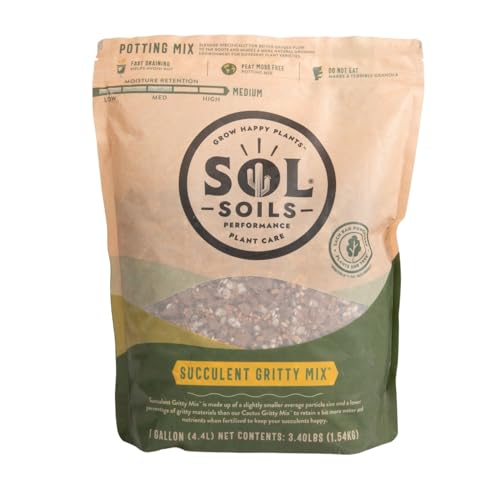
Sol Soils Succulent Gritty Mix 1 Gallon
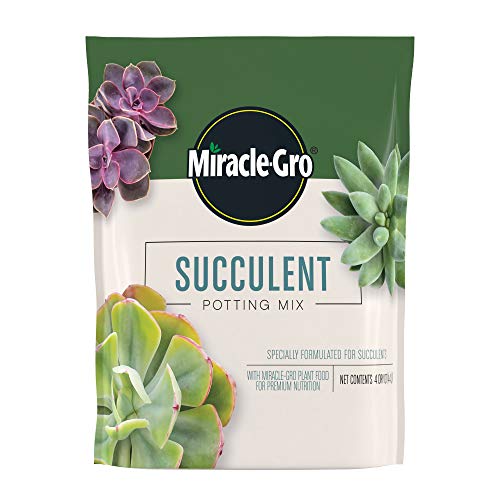
Miracle-Gro Succulent Potting Mix, 4 qt.
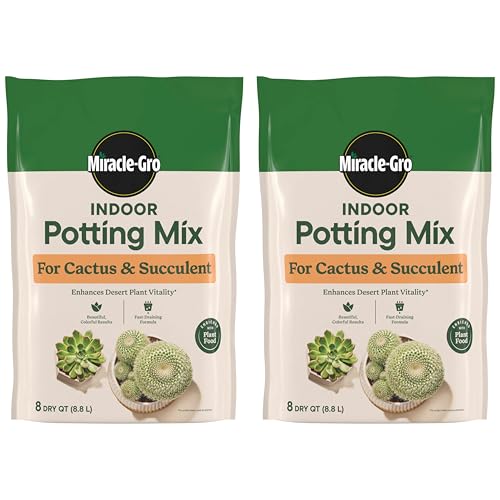
Miracle-Gro Indoor Cactus & Succulent Mix 8 qt. 2-Pack

Hoffman 10410 Cactus and Succulent Soil Mix 10 Quarts

FoxFarm Happy Frog Potting Soil, 2 cu ft

Sun Gro Black Gold 8-Quart Potting Soil With Control
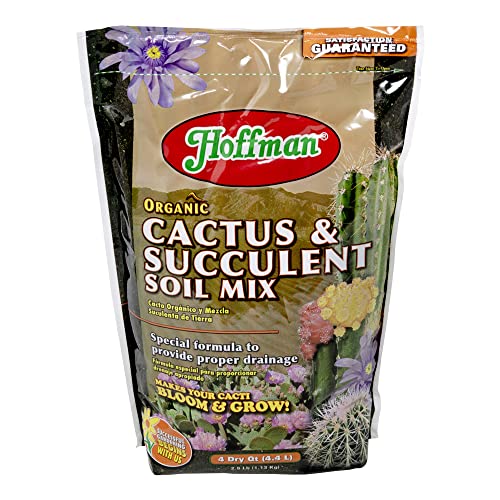
Hoffman 10404 Cactus and Succulent Soil Mix 4 Quarts

Urban Worm Coco Coir Soil Amendment and Bedding
Taking A Closer Look At The Options
Zoo Med Creature Soil arrives as a three-pack of quart bags, a format aimed at keepers who mix small batches for terrariums or planted bowls rather than filling a half-barrel planter. The blend combines peat moss, sand, and carbon, which gives it a darker color and a slightly moisture-retentive feel compared to the bone-dry cactus mixes further down this list.
For a tiny strawberry jar of sempervivum, especially in a shaded outdoor spot where the soil stays damp longer, this profile is workable. Most keepers lean toward mixes with more pumice for the open-air planters hens and chicks actually prefer, so this one shines brightest in planted bowls that share space with other organisms.
Benefits That Matter
- Three-pack format spreads cost across multiple small projects
- Proprietary mix supports humidity-loving invertebrates alongside plants
- Compact quart bags fit on a shelf without taking up garage space
- Pre-blended so you avoid buying peat, sand, and carbon separately
Things To Consider
- Less gritty than dedicated cactus mixes, so outdoor winter wet may linger around roots
- Quart bags run out fast on anything larger than a teacup planter
Who It Suits Best
Planted bowls that double as invertebrate habitats and keepers who want one blend for plants and critters.
Where Another Pick Suits Better
For pure sempervivum plantings in open air, Sol Soils Succulent Gritty Mix drains more aggressively.
Sol Soils skips peat entirely and builds the mix around perlite, pumice, coconut coir, and calcined clay, which is essentially the recipe succulent growers argue about at plant swaps. Pumice and perlite are porous volcanic and glass materials that hold a little moisture in their pores but let gravity pull the rest straight through.
The peat-free angle appeals to anyone gardening in wet climates where standard cactus mix stays soggy too long. For hens and chicks in a strawberry jar on a rainy porch, the gritty texture mirrors the alpine scree they evolved on, and the chunky composition keeps air around the roots even after a storm.
What It Does Well
- Engineered drainage resists root rot in damp outdoor settings
- Peat-free formula appeals to sustainable gardeners
- Heavy particle weight stops tall rosettes from tipping in wind
- Coir chips add organic matter without holding excess water
Honest Caveats
- Small one-gallon bag runs out quickly on a trough garden
- Calcined clay dust shows up at the bottom of the bag, so a quick stir is helpful
Feature Snapshot
Right Fit For
Growers in wet climates who want the closest thing to a true alpine mix without blending their own.
Skip It When
A large trough or multiple containers would call for bulk bags like Hoffman 10410 instead.
The 4-quart Miracle-Gro Succulent Potting Mix is the bag most people grab first when buying a single aloe or echeveria at the garden center. It is a sphagnum peat-based blend amended for faster drainage and works straight from the bag with no extra amendments required for most indoor setups.
For a small cluster of hens and chicks on a sunny windowsill, this mix takes the guesswork out of watering. Outdoors in a rainy climate the peat content can hold moisture longer than sempervivum prefers, so adding a top dressing of gravel or perlite becomes more useful the wetter your conditions get.
Real-World Strengths
- One bag fills a standard 8-inch container with room to spare
- Widely stocked at garden centers and big-box retailers
- Pre-formulated for succulents, so no recipe required
- Lightweight bag is easy to carry from car to windowsill
Points To Note
- Peat base can stay wet in non-draining decorative cachepots
- Not as gritty as Sol Soils for exposed outdoor plantings
Perfect Match For
First-time succulent growers who want a single bag that handles most indoor pots without extra mixing.
Look Elsewhere When
You are filling a deep outdoor trough where Hoffman 10410’s looser texture handles clay-heavy beds better.
The two-pack format gives you 16 quarts total, which suits a serious indoor succulent shelf with a dozen pots in different sizes. This Miracle-Gro blend is enriched with plant food for a stronger start, which is meaningful for newly potted rosettes that need a bit of nutrition while their roots establish.
Compare that to the smaller 4-quart bag above, and the two-pack spreads across more containers for less frequent restocking. For outdoor strawberry jars in heavy rain, the included fertilizer is a smaller concern than drainage, so consider a perlite top dressing or shifting to a dedicated cactus blend.
Where It Helps
- Built-in plant food supports newly potted rosettes through their first season
- Two-pack sizing avoids mid-season restocking on big shelves
- Same fast-draining formula as the smaller 4-quart sibling
- Sturdy bag stands upright for clean potting bench storage
Trade Offs
- Heavier to ship and store than a single 4-quart bag
- Slow-release nutrients may be more than mature sempervivum actually need
Best Suited To
Indoor collectors with a dozen or more pots who want one bulk purchase that lasts through repotting season.
Consider Something Else When
A single small windowsill planter would barely dent the two-pack, so the 4-quart Miracle-Gro fits better.
Hoffman’s 10-quart bag is sized for the half-barrel planter or rock garden bed where you plant a colony of hens and chicks. The formula targets clay-heavy beds, with a particle structure that loosens compacted native soil and reduces the caking that suffocates shallow sempervivum roots.
This is a noticeably coarser mix than the Miracle-Gro bags, and that grit matters when you are planting directly into a glazed ceramic bowl or a hypertufa trough with no drainage holes drilled. For anything larger than a quart-sized pot, the 10-quart format becomes a single-bag solution.
The Practical Payoff
- Loosens clay-heavy native soil when mixed into beds
- Reduces surface caking that traps moisture against rosettes
- Ten-quart bag covers a substantial trough or planter in one purchase
- Pre-blended formula skips the perlite shopping trip
Worth Bearing In Mind
- Coarser texture can shift in tall pots, so a top dressing helps anchor rosettes
- Bag is bulky to store in a small apartment closet
Quick Facts
Whose Shelf It Belongs On
Outdoor gardeners filling a trough, rock garden, or large patio bowl where drainage is the priority.
Reach For A Different Pick When
Small windowsill bowls barely use a quart, so the 4-quart Hoffman 10404 keeps waste down.
FoxFarm Happy Frog is a general-purpose potting soil built around earthworm castings and aged forest products, and that richer organic profile makes it a sensible base for a custom mix rather than a finished sempervivum blend on its own. Diluting it with pumice or perlite at roughly one-to-one creates a balanced, fertile, fast-draining medium.
The 2 cubic foot bag suits a backyard grower with multiple troughs, strawberry jars, and a small bed of succulents to fill. For someone starting with two teacup planters, the volume quickly becomes more than needed, so pairing it with smaller bags of grit makes more sense.
A Favorable Mix
- Earthworm castings feed soil biology that supports root health
- Aged forest products improve texture without compacting
- Two cubic foot bag handles several medium projects
- Acts as a nutrient base when cut with grit for succulent use
Practical Considerations
- Too rich for direct use with hens and chicks, which prefer leaner soil
- Bulky bag needs a dry storage spot in a garage or shed
At A Glance
Made For
Backyard growers mixing custom blends who want a rich base to cut with pumice or perlite.
A Better Fit Elsewhere
If you would rather skip the mixing step, Hoffman 10410 arrives pre-formulated for cactus use.
Sun Gro’s Black Gold with Control stands apart because of the MultiCote slow-release fertilizer built into the mix, which feeds plants gradually over the season rather than in a single dose. For newly transplanted sempervivum rosettes still pushing out fresh roots, that steady nutrition eases the establishment phase.
The base is Canadian sphagnum peat moss with worm castings, forest humus, and a touch of pumice, so the texture leans toward moisture retention more than grit. In an outdoor climate with frequent rain, drainage becomes the limiting factor, and a perlite amendment is the practical move.
Everyday Wins
- Slow-release fertilizer supports new rosettes through establishment
- Worm castings add biological activity to the root zone
- Pumice inclusion lightens the peat base for better aeration
- Made in the United States with consistent ingredient sourcing
A Few Limitations
- Peat base holds water longer than sempervivum prefer in wet climates
- Slow-release nutrients outlast what mature hens and chicks actually need
Feature Snapshot
Who Should Grab It
Planters establishing new rosettes who want a steady nutrient supply without buying fertilizer separately.
Not Your Match When
Outdoor troughs in rainy zones need a grittier base like Hoffman 10410 for better drainage.
The 4-quart Hoffman 10404 is essentially the smaller sibling of the 10-quart bag above, using the same professionally formulated cactus mix. It is pH balanced for both jungle and desert cacti, which is more flexibility than most sempervivum growers ever need, but it signals a balanced formula that does not swing too acidic or alkaline.
For a single windowsill bowl or a pair of small strawberry jars, the 4-quart size avoids the leftover half-bag problem. Drainage is built into the formula, and the mix encourages both bloom and root development, which is meaningful for the occasional hen-and-chicks variety that flowers once and dies back.
Notable Upsides
- Smaller bag fits apartment storage without clutter
- Ready to use straight from the bag, no mixing required
- pH-balanced formula suits a range of cactus and succulent types
- Promotes both root development and seasonal blooming
Room For Improvement
- Runs out quickly once you expand beyond two small planters
- Not as coarse as some specialty mixes for outdoor winter wet
Who Will Love This
Apartment growers with one or two small planters who want a proven cactus mix in a manageable bag size.
Swap It Out When
Filling a full trough pushes the 4-quart bag past its limits, so Hoffman 10410 covers the volume.
Urban Worm ships coco coir as a compressed brick, the dried fibrous husk of coconuts, which expands dramatically when water is added. The block arrives rinsed to a low salt content below 1.5 mS/cm (a measure of dissolved salts that can burn sensitive roots), making it safe to handle without further leaching.
For sempervivum growers, coir is rarely used on its own. It works best mixed with pumice, perlite, or crushed granite at roughly one part coir to two parts grit, building a peat-free blend that retains a touch of moisture without staying soggy. The compressed format also saves shelf space compared to a bag of loose peat.
Where It Delivers
- Peat-free sustainable alternative for environmentally minded gardeners
- Compressed brick saves storage space until you rehydrate it
- Neutral pH avoids the slight acidity of sphagnum peat
- Low salt content prevents root burn in sensitive sempervivum
Points To Keep In Mind
- Requires rehydration and mixing with grit before use
- Holds more moisture than coarse cactus mixes on its own
Key Product Details
Built With In Mind
DIY mixers and worm-bin growers who want a peat-free organic base to combine with pumice or perlite.
Another Choice May Suit
If you would rather skip the mixing step entirely, Sol Soils Succulent Gritty Mix arrives ready to use.
What Matters Most Before Choosing Soils For Hens And Chicks
Drainage Comes Before Everything Else
Sempervivum evolved on thin alpine soils where water drains within minutes of a rainstorm. The single biggest reason these succulents fail in cultivation is soil that holds moisture around the roots for days, which is a recipe for rot. Look for mixes built around pumice, perlite, coarse sand, or calcined clay, and treat peat-heavy blends with caution outdoors in rainy climates.
Match The Format To Your Project
Small windowsill bowls need only a quart or two of mix, while a trough garden can swallow a 10-quart bag without blinking. Buying in bulk for a single teacup planter leaves you with a half-used bag that dries out, while buying small for a large project means three trips to the garden center. Estimate volume by container size first, then size the bag accordingly.
Amendments vs. Ready-To-Use Mixes
A pre-formulated cactus mix removes guesswork for beginners and small projects, which is exactly why the Miracle-Gro and Hoffman bags dominate shelves. Amendments like coco coir or worm-castings-rich potting soil give experienced growers control over ratios, but they require buying pumice or perlite separately and doing the blending work. Pick the format that matches how much fiddling you actually enjoy.
Climate And Container Shape
Wet, humid regions and shallow non-draining bowls both raise the stakes for drainage. A gritty peat-free blend like Sol Soils handles these conditions well, while a richer peat-based mix suits drier indoor shelves where the soil dries between waterings. Terracotta pots breathe more than glazed ceramic, which partly compensates for heavier mixes.
Key Considerations Across These Picks
Common Shopping Slip Ups
The most common mistake is treating any “cactus soil” as interchangeable, since formulas range from peat-heavy to nearly pure grit. Another pitfall is forgetting that hens and chicks prefer lean soil, so reaching for a nutrient-rich blend like FoxFarm Happy Frog without cutting it with pumice invites rot. Finally, skipping drainage holes in decorative containers is the silent killer behind most sempervivum failures, regardless of which soil you choose.
Where The Extra Money Goes
Premium-priced mixes tend to deliver more pumice, calcined clay, or coarser sand, which is exactly what drainage depends on. They also tend to skip cheap filler ingredients that compact quickly. The upgrade pays off most in wet outdoor settings where a cheaper peat-heavy bag fails within a season, while indoor windowsill growers may find a budget cactus mix performs just as well over the long haul.
Frequently Asked Questions
Do Hens And Chicks Need Special Soil?
Yes, they need fast-draining soil with low organic matter. Standard garden soil or all-purpose potting mix holds too much moisture for their shallow roots and usually leads to rot. A cactus and succulent blend, or a custom mix of pumice and a small amount of organic matter, mirrors the rocky alpine conditions they prefer.
Can I Use Regular Potting Soil For Hens And Chicks?
Regular potting soil works only after you cut it heavily with grit. Mixing roughly one part potting soil to two parts pumice, perlite, or crushed granite creates a blend that drains fast enough. Without that amendment, water sits around the rosettes and the colony slowly declines.
How Often Should I Repot Hens And Chicks?
Most colonies benefit from repotting every two to three years, ideally in spring before active growth kicks in. They outgrow their containers by sending out offsets, and fresh soil restores drainage that has slowly compacted. The mother rosette flowers once and dies back, so dividing offsets keeps the colony going.
Do Hens And Chicks Need Fertilizer?
Sempervivum handle lean soil better than rich soil, and most growers skip fertilizer entirely. A light feeding once in early spring is plenty for established colonies in poor soil, and slow-release blends like Sun Gro Black Gold with Control already include a mild dose. Over-fertilized rosettes stretch and lose their compact form.
What Is The Best Soil For Outdoor Troughs?
Outdoor troughs need the grittiest mix you can buy, since they sit through rain, snow, and freeze-thaw cycles. Hoffman 10410 in the 10-quart size and Sol Soils Succulent Gritty Mix both work well, and adding a top dressing of gravel keeps the crown dry. Drainage holes in the trough are non-negotiable for outdoor success.
Bottom Line
The right soil depends more on climate and container than on the specific brand. Wet outdoor planters benefit from gritty peat-free blends like Sol Soils or bulk Hoffman 10410, while indoor windowsills thrive on ready-to-use cactus mixes from Miracle-Gro or the smaller Hoffman 10404. Build your pick around drainage first, format second, and nutrient load a distant third, and your hens and chicks will reward you with decades of spreading rosettes.
