

A windowsill of fresh basil, a pot of mint on the patio, a few sturdy rosemary cuttings by the back door: cooking changes once herbs grow within reach. The catch is that most bagged potting soil is built for ornamentals, and herbs have their own preferences for drainage, aeration, and nutrient balance. The right mix turns leggy seedlings into leafy producers, while the wrong one stays soggy or burns tender roots. This roundup collects ten solid options worth considering, from herb-specific blends to amendments you can stir into your existing setup. Pick based on what you grow, where you grow it, and how hands-on you want to get.
The Leading Options At A Glance

Rosy Soil Plant Food, Organic Fertilizer, 4 Quarts

MODELLOR Coco Coir Bricks, 4-Pack (5 lb)

Legigo 4 Quarts Organic Perlite

FoxFarm Ocean Forest Potting Soil, 1.5 cu ft

Plantonix Char Bliss Biochar, 8 Quarts

Legigo 15 Quarts Organic Perlite

Legigo 20 Quarts Organic Perlite

Legigo 6 Quarts Organic Perlite
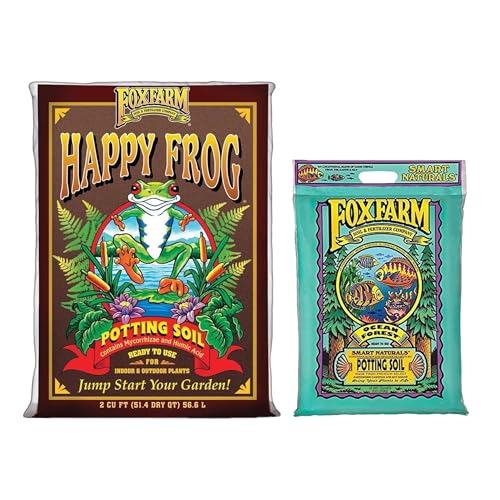
FoxFarm Happy Frog + Ocean Forest Bundle

Rosy Soil Herb Mix, 4 Quarts
More Details On Our Top Picks
Rosy Soil’s blend skips peat and synthetics in favor of a living-soil recipe built around biochar, kelp, worm castings, compost, bokashi, and mycorrhizae. For herbs, that lineup matters: mycorrhizae are beneficial fungi that colonize root systems and help plants pull in nutrients and water, while biochar adds long-lasting pore space that keeps soil from compacting over a season of watering.
The mix works equally well in a sunny kitchen window or on a covered patio, and four quarts covers roughly three to five medium herb pots. You may find it stays a touch dense for moisture-sensitive Mediterranean herbs like rosemary and thyme, so adding a handful of perlite opens the structure for those varieties.
Why It Works Well
- Living ingredients feed herbs slowly, reducing the risk of fertilizer burn on tender basil and parsley.
- Mycorrhizae and biochar support root development in containers where nutrients leach out fast.
- Organic composition suits growers avoiding synthetic additives for edible crops.
- Stays workable across multiple seasons with occasional top-dressing.
Things To Consider
- Moisture-retentive blend can hold water longer than Mediterranean herbs prefer.
- Higher cost per quart than a basic potting mix.
Who It Suits Best
Organic-focused growers tending basil, mint, parsley, and cilantro in mid-size containers, especially beginners who want a forgiving, ready-to-use blend.
Consider Something Else When
Dry-climate herb specialists planting mostly rosemary and lavender should reach for Plantonix Char Bliss Biochar, 8 Quarts and a generous perlite addition to mimic lean Mediterranean soils.
Coco coir is the fibrous husks of coconuts, processed into a soil-like medium that holds moisture while staying light. MODELLOR’s bricks arrive compressed, taking up almost no shelf space in a closet, then expand to roughly nine gallons of fluffy substrate once water hits them. That ratio makes them practical for renters and apartment growers short on storage.
The triple-washed, low-EC (electrical conductivity, a measure of salt content) preparation means the coir is pH-balanced and free of the salts that can stunt seedlings. You can use it straight for starting basil and cilantro seeds, or blend it with perlite and worm castings to build a custom herb mix.
What Pays Off
- Compact storage: four small bricks replace several bags of bulky mix.
- Reusable across multiple growing cycles when refreshed with nutrients.
- Neutral starting point for custom herb blends.
- Lightweight for carrying up stairs or to a balcony garden.
Points To Note
- Pure coir holds moisture well, so fast-draining herbs need extra perlite mixed in.
- Hydration takes 20 to 30 minutes per brick, so plan ahead before potting day.
- Fewer built-in nutrients than a finished potting soil, so supplemental feeding is necessary.
Made For
DIY mixers and small-space growers who like tailoring their own blends and starting herbs from seed on a schedule.
Skip It When
Growers wanting a single ready-to-pour bag should look at FoxFarm Ocean Forest Potting Soil, 1.5 cu ft, which arrives pre-blended with compost and earthworm castings.
Perlite is the white, porous volcanic stone you’ve seen in commercial potting mixes. It does not feed plants, but it opens up dense soil so roots can breathe and water can drain quickly, which is exactly what most herbs crave. Legigo’s 4-quart bag is the smallest in the lineup and works for a single windowsill setup with a few pots.
For herbs like thyme, oregano, rosemary, and sage, perlite is the secret to avoiding the soggy root rot that ends many kitchen gardens. A 30% perlite blend in your potting soil makes a noticeable difference in container performance over a wet summer.
What It Does Well
- pH-neutral and inert, won’t alter the chemistry of your base soil.
- Lightweight, even-sized pieces mix evenly without sinking.
- Small bag fits under a sink without taking up floor space.
- Works as a top dressing to keep leaves off wet soil.
Honest Caveats
- Perlite dust is fine and unpleasant to inhale, so wet it down before mixing.
- Four quarts covers only a few small pots before running out.
- Provides no nutrients on its own and must be paired with a fertile base mix.
Best Suited To
First-time herb growers maintaining a small indoor pot collection and wanting to extend drainage without buying a full amendment bag.
Look Elsewhere When
Anyone managing a dozen or more containers should grab Legigo 20 Quarts Organic Perlite instead, since the larger bag drops the per-quart cost substantially.
FoxFarm built Ocean Forest for serious container gardeners, and the ingredient list reads like a soil textbook: earthworm castings, fish meal, crab meal, and forest humus. The result is a dark, rich, ready-to-use mix that holds moisture without going soggy, thanks to a sandy texture that keeps root zones airy.
Most herbs respond well to the gentle organic nutrient load, with leafy growers like basil pushing out fuller growth in the first month. The 1.5 cubic foot bag covers around twelve standard 6-inch herb pots, so a single bag handles a patio’s worth of plantings.
Noteworthy Benefits
- Pre-charged with organic nutrients, so no fertilizer needed for the first 4 to 6 weeks.
- Light, aerated texture suits both moisture-loving and drought-tolerant herbs.
- Works straight from the bag, no mixing required for most setups.
- Trusted by container gardeners for years, with a consistent formula.
Factors To Consider
- Strong organic smell at first, which fades within a few days of opening.
- Heavier bag than perlite-based mixes, harder to carry upstairs.
- Not the leanest mix for Mediterranean herbs that prefer low-nutrient soils.
Feature Snapshot
Right Fit For
Intermediate to advanced herb growers filling a large outdoor container garden and wanting a single premium mix that handles most varieties.
A Better Fit Elsewhere
Mediterranean herb specialists cultivating rosemary, thyme, and lavender long-term may prefer Rosy Soil Herb Mix, 4 Quarts, which is tuned more specifically for culinary herb performance.
Biochar is a stable form of charcoal produced by heating organic material in low-oxygen conditions, and Char Bliss is OMRI-listed, meaning it meets organic-input standards for certified operations. The porous structure holds water and nutrients in the root zone, releasing them gradually as plants need them. For herbs in containers that dry out fast, that buffering action is genuinely useful.
Eight quarts is enough to amend several cubic feet of base soil or top-dress established herb beds. You may find the most benefit when mixing 10% to 20% by volume into a standard potting mix, since pure biochar does not contain the organic matter herbs need on its own.
Advantages To Know
- OMRI-listed for organic gardening and edible crops.
- Holds moisture and nutrients, reducing how often you need to water and feed.
- Improves soil structure over multiple seasons without breaking down.
- Ethically sourced from wood and tree trimmings, not mined materials.
Some Limits To Know
- Higher upfront cost than a basic amendment like perlite.
- Works best blended into soil, not used as a standalone medium.
- Dusty when dry, so wear a mask during the initial mixing step.
Feature Snapshot
Who Will Love This
Long-game soil builders investing in their herb beds over multiple seasons and prioritizing organic certification compliance.
Swap It Out When
Herb growers wanting a complete ready-to-pot mix should pick Rosy Soil Plant Food, Organic Fertilizer, 4 Quarts, which already includes biochar alongside other organic amendments.
Fifteen quarts of perlite covers a meaningful herb collection, around ten to fifteen small pots depending on how heavy you like the drainage. The coarse, evenly sized pieces are similar to the smaller Legigo bag, just scaled up for gardeners with multiple containers in rotation.
If your basil tends to yellow from overwatering or your mint sulks in soggy soil, this is the bag that fixes the underlying drainage problem rather than treating symptoms. You can mix it into existing soil or layer it at the bottom of pots to keep roots clear of standing water.
Useful Highlights
- Mid-size volume balances price and storage for active herb growers.
- Even particle size means predictable drainage behavior in every pot.
- pH-neutral perlite does not interfere with fertilizer programs.
- Coarse grade resists compacting over time, unlike fine perlite that breaks down.
Worth Noting
- Still perlite-only, so you need a separate nutrient source to feed herbs.
- Lightweight particles float during heavy watering if used as a top dressing.
Perfect Match For
Multi-pot herb gardeners running a steady rotation of basil, oregano, and parsley who want a reliable drainage amendment on hand.
Another Choice May Suit
Growers who want perlite already blended into a finished mix should consider FoxFarm Ocean Forest Potting Soil, 1.5 cu ft, which arrives ready to use straight from the bag.
Twenty quarts is the largest perlite offering in this roundup, enough to amend a raised herb bed or refresh the mix across a dozen-plus containers at once. The coarse grade behaves consistently in every pot you fill, with no fine dust settling to the bottom of the bag and clogging drainage holes.
For gardeners converting a backyard bed or building a dedicated herb planter, having a bulk perlite supply on hand saves repeat trips to the garden center. You may find the 20-quart bag becomes a recurring purchase once you see how much difference proper aeration makes in heavy native soil.
The Value In It
- Bulk size offers the best per-quart value for active gardeners.
- Covers raised beds, multiple containers, and soil refreshes in one purchase.
- Coarse particles stay suspended in mix without compacting over time.
A Few Limitations
- Bag is bulky to store and may need a garage or shed space.
- Provides no nutrients; pair with compost or a base soil blend.
- Dusty when poured dry, so a quick misting before mixing helps.
Feature Snapshot
Who Should Grab It
Experienced herb gardeners converting a raised bed or maintaining a large container collection who want to stock up on a single amendment.
Reach For A Different Pick When
Beginners who only need a small starter supply should consider Legigo 6 Quarts Organic Perlite to avoid storing material they will not use this season.
Six quarts is a comfortable trial size for a first herb garden, covering around four to six small pots with enough left over for a top-dressing refresh later. The same coarse, even-sized perlite appears in the larger Legigo bags, so quality stays consistent regardless of volume.
This size makes sense for someone testing whether perlite amendments actually help their herbs before committing to a bulkier purchase. The bag stows in a kitchen cabinet or under a sink, and you can pour a little at a time without wrestling a heavy sack.
Points In Its Favor
- Low-commitment size for new herb growers.
- Same consistent coarse grade as larger Legigo perlite bags.
- Easy to store in small apartments or kitchen cabinets.
Worth Bearing In Mind
- Per-quart cost is higher than the 15- or 20-quart options.
- Runs out quickly for gardeners with more than a few pots.
The Right Fit
First-time growers planting a starter herb collection of three to five pots who want to try perlite without buying in bulk.
Swap It Out When
Growers who discover they need more perlite than expected should step up to Legigo 15 Quarts Organic Perlite for better per-quart value.
This bundle pairs two FoxFarm staples in one box: a 2 cubic foot bag of Happy Frog and a 12-quart bag of Ocean Forest. Happy Frog is the company’s lower-nutrient, microbe-amended mix, useful for young herbs and seedlings, while Ocean Forest is the richer blend that powers mature growth. Together, you can stage an herb garden from seed to harvest without buying a second product.
The combination suits growers who want to start seeds indoors and transition plants to larger outdoor containers as the season progresses. Both blends arrive ready to use, with no amendment required beyond the occasional liquid feed once nutrients deplete after a few months.
Where It Helps
- Two complementary mixes cover the full seed-to-harvest lifecycle.
- Happy Frog is gentler on tender seedlings than richer blends.
- Bundle pricing typically undercuts buying each bag separately.
- Both include organic amendments like earthworm castings and bat guano.
Trade-Offs
- Bundled box is large and heavy, sometimes hard for one person to maneuver.
- More soil than a small herb garden needs, so storage planning matters.
Feature Snapshot
Who Will Love This
All-season herb gardeners starting seeds in late winter and transplanting to larger containers once spring arrives.
Consider Something Else When
Growers maintaining a small windowsill herb garden year-round may find Rosy Soil Plant Food, Organic Fertilizer, 4 Quarts more size-appropriate.
Where most bagged soils aim at general houseplants, Rosy Soil’s Herb Mix is built specifically for the kitchen garden. The formula targets basil, thyme, mint, parsley, cilantro, lavender, and rosemary, with a structure tuned for both leafy annuals and woody Mediterranean perennials. Biochar, worm castings, and mycorrhizae do the heavy lifting on root development and nutrient uptake.
For most home cooks, the appeal is the no-guesswork factor. You open the bag, fill your pots, and plant, without needing to blend in extra perlite or amendments. The mix works on a sunny kitchen windowsill as well as it does in an outdoor patio planter.
Useful Touches
- Herb-specific formulation removes the trial-and-error of DIY mixing.
- Living ingredients support strong root systems in container setups.
- Works indoors and outdoors without recipe changes.
- Organic composition fits edible-crop gardening standards.
Smaller Caveats
- Four quarts covers only a few medium pots.
- Smaller-bag cost per quart is higher than bulk options.
Perfect Match For
Home cooks who want one reliable bag of soil dedicated to culinary herbs, whether on a kitchen sill or a back porch.
Look Elsewhere When
Gardeners maintaining a large outdoor herb garden need a much bigger bag, making FoxFarm Ocean Forest Potting Soil, 1.5 cu ft a more practical fit.
What To Weigh Before Choosing Soils For Herbs
Drainage Holds The Whole Garden Up
Most herbs fail because of soggy roots, not lack of nutrients. Mediterranean varieties like rosemary, thyme, oregano, and lavender want lean, fast-draining soil that mimics their native rocky hillsides. Leafy herbs like basil, parsley, and mint tolerate more moisture but still need air pockets around the roots. A good rule is to add perlite to any bagged mix for containers, especially if the original blend feels dense when you squeeze a handful.
Match The Mix To Your Herb Family
Basil, mint, and cilantro are annuals that grow fast and need steady nutrition. Woody perennials like rosemary, sage, and thyme prefer a leaner mix with extra drainage. Lavender, the most demanding of the bunch, actually struggles in rich soil, so pairing a quality bag with extra perlite often produces the best results. Buying a single herb-specific blend like the Rosy Soil Herb Mix covers most cases, while DIY mixers can tune their own recipes for each variety.
Container Size And Watering Frequency Matter
Small pots dry out quickly and need a mix that holds a bit of moisture without compacting. Large planters and raised beds benefit from heavier blends that retain water longer, especially in summer heat. The 1.5 cubic foot FoxFarm bag makes sense for outdoor setups, while 4-quart bags work better for windowsills. Always match the bag size to the number and size of pots you actually fill.
Mistakes Worth Dodging And Where The Upgrade Pays Off
Common Buying Pitfalls
Grabbing the cheapest generic potting soil is a familiar trap, since most general mixes hold too much water for culinary herbs. Another common slip is skipping drainage amendments entirely, leading to root rot within a few weeks. Buying more bag than you need creates storage headaches and stale soil that loses structure over time. Finally, ignoring the specific needs of woody Mediterranean herbs means lavender and rosemary rarely thrive in the same mix that basil loves.
Where The Premium Tier Earns Its Place
Premium herb blends include living ingredients like mycorrhizae and biochar, which build healthier root systems over time. Specialty mixes formulated for herbs remove the trial-and-error of DIY blending, which is valuable for newer growers. OMRI-listed organic options cost more up front, but they avoid synthetic fertilizers on edible crops and tend to support soil life across multiple seasons. The upgrade is worth it for anyone growing herbs they plan to cook with regularly.
