

Hoya plants, often called wax plants, thrive in airy, fast-draining mixes that mimic their native tropical habitats, where roots cling to bark and rarely sit in dense, wet soil. If your Hoya’s leaves are yellowing or its stems feel mushy at the base, the problem usually traces back to a substrate that holds too much moisture. This roundup cuts through the noise with soil amendments, drainage boosters, and complementary plant foods that pair well with Hoya-friendly substrates.
Your Options, Compared

Legigo 4 Quarts Organic Perlite
Hoffman 17502 Charcoal Soil Conditioner

Micro Landscape Design Lithops Soil Mix

Legigo 15 Quarts Organic Perlite

Legigo 20 Quarts Organic Perlite

Legigo 6 Quarts Organic Perlite

Miracle-Gro Indoor Potting Mix 6 qt 2-Pack
Gardenera Premium Monstera Potting Soil 1 Quart

Gardenera Monstera Spray Fertilizer Mist 8oz

Gardenera Monstera Organic Superfood Mist 8oz
Taking A Closer Look At The Options
Perlite is a volcanic glass expanded under heat, and the resulting white granules create permanent air pockets in potting mixes, which is exactly what Hoya roots need to avoid sitting in stale moisture. Legigo’s 4-quart bag offers a manageable starting volume for someone assembling a custom Hoya blend at home. The grains are coarse and consistent, so they distribute evenly through orchid bark, coco coir, or standard peat-based mixes without sinking to the bottom.
For growers with one or two Hoya plants who want to stretch a small bag of base mix into something airier, this size makes sense. Larger collections typically burn through 4 quarts quickly, which is worth factoring in if you keep adding perlite to every repotting session.
A Favorable Mix
- Coarse grain size resists compaction in long-term Hoya mixes
- pH-neutral, so it won’t shift the chemistry of an existing blend
- Drains quickly and pulls excess water away from fine Hoya roots
- Doubles as a top-dressing to keep leaf bases clean and dry
- 4-quart volume suits a single-plant or small-shelf grower
Points To Keep In Mind
- Perlite floats when watered from the top, which can leave exposed roots over time
- Dust at the bottom of the bag occasionally requires rinsing before use
- Larger collections may outgrow the 4-quart size within a season
Whose Shelf It Belongs On
Beginners mixing their first custom Hoya blend on a windowsill or single-room collection.
Where A Sibling Pick Shines
The Legigo 20 Quarts Organic Perlite suits anyone repotting ten or more plants at once.
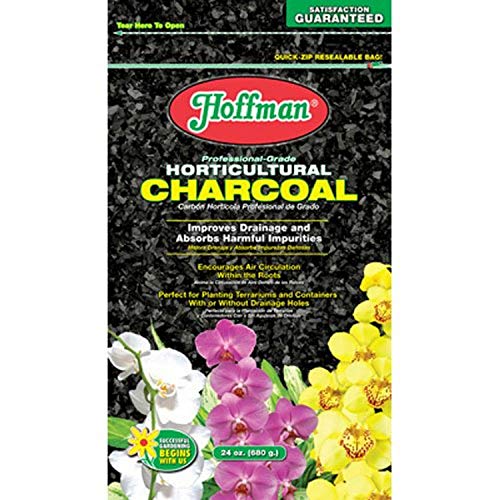
Horticultural charcoal absorbs impurities and balances moisture in the root zone, making it a quietly useful additive in Hoya mixes. Hoffman’s 24-ounce bag leans into filtration and aeration, both of which line up with what epiphytic (tree-clinging) Hoyas expect from their substrate. It works alongside perlite, orchid bark, or coco chips rather than replacing them, so think of it as a supplement to a chunky base.
For growers in humid climates or anyone who tends to overwater, a spoonful of charcoal helps sweeten the pot between drinks. It also adds slow-release nutrients, which is a quiet bonus for foliage growth.
Bright Spots
- Porous structure encourages airflow around delicate Hoya roots
- Helps prevent waterlogging in containers with imperfect drainage
- Adds trace nutrients as it slowly breaks down over months
- Effective as a top-dressing to reduce surface odor
- Compatible with bark, perlite, and coir in any ratio
Honest Caveats
- Charcoal alone is not a complete substrate and needs blending partners
- Dark granules can look messy as a top-dressing on decorative pots
Quick Facts
Best Suited To
Collectors in humid bathrooms or kitchens where Hoya pots stay damp longer than expected.
Skip It When
The Gardenera Premium Monstera Potting Soil is a smarter grab for someone who wants a pre-blended substrate instead of a supplement.
Lithops demand an extremely gritty, fast-draining substrate, and that same logic carries over to thick-leaved Hoya varieties like Hoya kerrii or Hoya carnosa. Micro Landscape Design’s 3-pound (roughly 2-quart) blend is formulated for plants that hate wet feet, which puts it on the dry-loving end of the Hoya spectrum. The mix settles around roots without compacting, supporting anchorage while letting air circulate.
It’s an unusual pick on a Hoya list, but for growers who want maximum drainage and don’t mind leaning toward the succulent side, the texture is a useful contrast to bark-heavy blends. The bonus mini Lithops is a fun add-on for anyone curious about stone plants.
Benefits That Matter
- Engineered for very low moisture retention
- Pre-blended, so no measuring or recipe tweaking needed
- Provides physical anchorage for top-heavy or upright Hoyas
- Bundled mini Lithops adds value for hobbyists
Trade Offs
- Dries out faster than typical Hoya mixes, raising watering frequency
- Not ideal for Hoya species that prefer slightly more moisture
- Only about 2 quarts, so larger collections may need multiple bags
Who Should Grab It
Hobbyists who keep Hoyas alongside succulents and want one substrate for both.
Look Elsewhere When
The Legigo 20 Quarts Organic Perlite is a better fit if you’d rather build a custom bark-and-perlite blend from scratch.
The 15-quart Legigo bag lands in the middle of the brand’s perlite range, sized for growers with a shelf of Hoya pots rather than a single specimen. Compared to the 4-quart version, this option trims the cost-per-quart noticeably, which matters when perlite typically makes up a third to half of a chunky Hoya blend. Grain consistency stays the same, so mixing behavior is predictable.
For hobbyists repotting multiple Hoyas in one sitting, the extra volume reduces the urge to ration perlite and skimp on aeration. Storage is the only real trade-off, as 15 quarts calls for a dry bin or sealed container to keep dust down.
Where It Helps
- Cost-efficient for multi-plant Hoya collections
- Same coarse grain profile as smaller Legigo bags
- pH-neutral and safe around sensitive epiphytic roots
- Useful for refreshing old mixes that have compacted over time
Things To Consider
- Bulky bag requires dedicated storage space
- Some settling and dust at the bottom of the bag is common
Built With In Mind
Mid-size collectors repotting three to eight Hoya plants in a single session.
Reach For A Different Pick When
Hoffman 17502 Charcoal Soil Conditioner complements this perlite better as a partner than a replacement.
Twenty quarts is the largest perlite bag in the Legigo lineup, sized for serious Hoya hobbyists or anyone building mixes in bulk. The volcanic stone base is chemically inert, so it doesn’t compete with fertilizers or interact with bark’s slow breakdown. It’s also a viable pumice alternative for growers who can’t source pumice locally.
Large bags like this one pay off when you propagate cuttings, refresh annual mixes, or share with a plant-swap group. The honest read is that most beginners don’t need 20 quarts on day one, but the per-quart savings add up fast if you keep adding perlite to every pot.
Why It Works Well
- Best cost-per-quart in the Legigo perlite range
- Doubles as a propagation medium for Hoya cuttings
- Long shelf life when stored dry in a sealed bin
- Effective pumice substitute for chunky aroid-style blends
A Few Limitations
- Excess volume may sit unused for casual single-plant growers
- Bag is heavy and awkward to handle in small spaces
Made For
Collectors with ten or more Hoyas or anyone mixing propagation and repotting blends on the same day.
Not Your Match When
The Legigo 6 Quarts Organic Perlite is a friendlier first-bag size for someone testing a single Hoya.
The 6-quart Legigo perlite sits between the smallest bag and the mid-tier 15-quart option, hitting a sweet spot for someone with a few Hoya pots on a kitchen sill. Same coarse grade as the rest of the range, so it mixes cleanly into peat or bark bases without sinking to the bottom of the pot.
This is a good entry point for growers who want to test whether a perlite-enriched mix actually improves their Hoya’s growth before committing to bulk. The bag is also easy to store in a closet or under a sink.
What Stands Out
- Manageable bag size for apartments and small plant shelves
- Same coarse, evenly distributed grains as larger Legigo bags
- pH-neutral, so no impact on fertilizer schedules
- Easy to pour and measure without making a mess
- Useful for refreshing one or two pots at a time
Possible Compromises
- Higher cost-per-quart than 15- or 20-quart options
Feature Card
Right Fit For
New Hoya owners with two or three plants who want to try a custom blend without buying in bulk.
Consider Something Else When
Miracle-Gro Indoor Potting Mix works better if you’d rather skip mixing and use a pre-blended base.
Miracle-Gro’s indoor blend combines sphagnum peat moss, coir, and perlite, giving Hoya growers a familiar base that’s easy to find at most retailers. The 6-quart 2-pack doubles up for multi-plant sessions, and the lightweight texture helps with root establishment. Most general-purpose indoor mixes hold more moisture than Hoya specialists would prefer, so amending with extra perlite or orchid bark is a smart move.
For beginners who want a reliable starting point without hunting down specialty ingredients, this blend delivers. It’s also a sensible base when mixed 50/50 with perlite or bark to dial up the drainage Hoya roots demand.
Everyday Advantages
- Widely available at general retailers and garden centers
- Lightweight texture makes pot refilling easy
- pH-balanced peat and coir blend for general houseplant use
- Two-pack format suits multiple Hoya repots in one session
Softer Spots
- Retains more moisture than a Hoya-specific mix out of the bag
- Benefits from added perlite, bark, or charcoal for chunkier texture
- Not a complete solution for epiphytic Hoya varieties
Perfect Match For
Beginners who want an easy-to-find base before customizing a blend for their Hoyas.
A Better Fit Elsewhere
Gardenera Premium Monstera Potting Soil is a closer match for someone who wants a pre-tuned aroid blend.
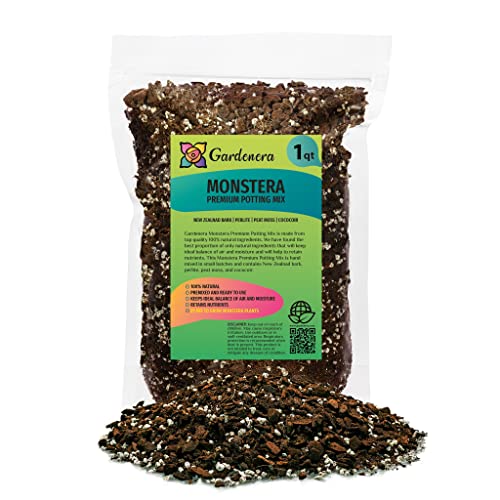
Formulated for Monsteras but built on the same aroid-friendly principles Hoyas love, this Gardenera blend combines aged bark, coco coir, perlite, peat moss, biochar, and worm castings. That ingredient lineup gives roots a mix of fast-draining chunks and gentle organic matter, which suits epiphytic Hoyas almost as well as it does Monstera deliciosa. Biochar and worm castings add a slow, steady nutrient background that beginners often overlook.
The 1-quart pouch is small, so it’s best for a single Hoya repot or a few small starter plants. Larger collections will need multiple pouches to fill bigger pots.
Standout Benefits
- Pre-blended aroid formula ready to use out of the bag
- Biochar improves long-term root-zone filtration
- Worm castings feed gently without burning delicate Hoya roots
- Aged bark creates the chunky texture Hoyas prefer
- Well-draining profile reduces brown-spot and rot risk
Trade-Offs To Consider
- Only 1 quart per pouch, so multiple bags needed for big pots
- Pouch format isn’t resealable for long-term storage
Who Will Love This
Aroid collectors who keep Hoyas alongside Monsteras and want a shared substrate on hand.
Swap It Out When
Legigo 20 Quarts Organic Perlite suits someone building a larger custom blend at lower cost.
This 8-ounce foliar mist leans toward Monstera but works as a leaf-care supplement for Hoya foliage, which tends to be waxy and benefits from gentle surface feeding. The 3-1-2 nutrient ratio (3 parts nitrogen, 1 part phosphorus, 2 parts potassium, indicating the relative concentration of those macronutrients) is mild enough for frequent light application without the leaf burn stronger concentrates can cause.
Pairing this mist with a chunky Hoya substrate fills the nutritional gap that fast-draining mixes tend to create. A once-a-week spritz during the growing season is the typical routine, and the 8-ounce bottle lasts several weeks for a small collection.
What Makes Sense
- Gentle 3-1-2 ratio reduces leaf-burn risk on waxy Hoya foliage
- Foliar delivery works alongside chunky, fast-draining soil mixes
- Compact 8-ounce bottle fits in small plant-care kits
- Useful supplement for Hoyas grown in low-light interiors
Worth Noting
- Foliar feeding alone won’t replace root-zone fertilizer for vigorous growth
- Needs consistent weekly use to show meaningful results
The Right Fit
Growers using chunky soil mixes who want a gentle top-up for leaf health.
Another Choice May Suit
Gardenera Premium Monstera Potting Soil is the better starting point if your Hoya still needs a substrate.
Where the previous Gardenera mist is a gentle maintenance spray, this Organic Superfood version layers in micro-fungi and a wider nutrient profile aimed at fuller foliage. For Hoya plants pushing out new growth in spring and summer, that broader nutrition can mean thicker leaves and stronger vines, especially when paired with a chunky substrate that doesn’t smother roots.
The micro-fungi element helps break down organic matter in the soil over time, gradually improving the root environment. This is the kind of product where results build slowly, so consistent use matters more than the bottle size.
Useful Highlights
- Micro-fungi component supports long-term soil biology
- Eighteen listed nutrients cover a broad foliar feed profile
- Pairs naturally with chunky, low-fertility Hoya mixes
- Encourages denser leaf development during the growing season
Room For Improvement
- Premium positioning may be overkill for casual growers
- Eight-ounce bottle is small for larger collections
Who Should Grab It
Dedicated Hoya collectors chasing fuller foliage through peak growing months.
A Better Fit Elsewhere
Legigo 4 Quarts Organic Perlite makes more sense for a grower focused on substrate rather than feed.
What To Weigh Before Choosing Soils For Hoya
Drainage Comes First
Hoya roots rot quickly in dense, water-retentive substrates. Look for mixes or amendments that keep air circulating around roots, with perlite, orchid bark, charcoal, or coco chips as the main structural ingredients. A substrate that drains within seconds of watering is far healthier than one that holds moisture for days.
Match The Mix To Your Watering Style
Forgetful waterers need faster-draining blends with more perlite and bark, while attentive growers can lean toward mixes with slightly more organic matter. Consider how often you actually water before committing to a substrate that demands a tight schedule.
Container And Climate Matter
Plastic pots retain more moisture than terracotta, which doubles the importance of a chunky mix in plastic. Humid rooms, bathrooms, and kitchens call for even more drainage than dry living rooms. Adjust your perlite-to-bark ratio up or down based on the environment your Hoya lives in.
Think Long-Term Storage And Replenishment
Perlite is essentially shelf-stable forever, while bark breaks down over a year or two. Plan to refresh chunky mixes annually and buy perlite in sizes that match how quickly you repot, since larger bags save money but only when you’ll actually use the volume.
Key Considerations Across These Picks
Mistakes Worth Dodging
The most common slip is treating Hoya like a general houseplant and potting it in moisture-retentive mix straight from the bag. Another is grabbing a single pre-blended option and skipping amendments, when most Hoyas actually need extra perlite, bark, or charcoal mixed in. Watch out for pots without drainage holes too, since even the best substrate can’t rescue roots sitting in standing water.
Where The Extra Money Goes
Premium blends like the Gardenera Monstera mixes earn their higher price through biochar, worm castings, and micro-fungi that plain perlite and bark don’t provide. For a single small Hoya, the upgrade may not move the needle much. For collectors with a shelf of mature plants, the slower nutrient release and richer organic content show up in thicker leaves and stronger vines over a season or two.
