

Hydrangeas in containers are a different beast than the same shrubs in the ground. The root zone is tight, drainage depends almost entirely on your mix, and pH swings happen faster than you’d expect. Choosing the right potting medium shapes everything from bloom color intensity to how often you’ll be watering on a July afternoon. This roundup walks through ten solid options, mixing rich traditional blends with lighter, peat-free choices that suit smaller pots and porch planters. The goal is simple: help you pick a mix that hydrangeas actually thrive in, without overspending or overcomplicating the setup.
A Fast Comparison Of The Options

FoxFarm Ocean Forest Potting Soil, 1.5 cu ft

Char Bliss Organic Biochar Soil Amendment (8 Qts)

Wonder Soil Compressed Coco Coir 30-Quart 3-Pack
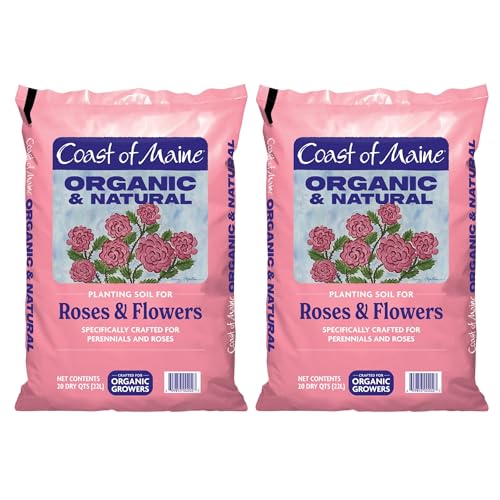
Coast of Maine Roses and Flowers Organic Planting Soil (20 qt, 2-Pack)
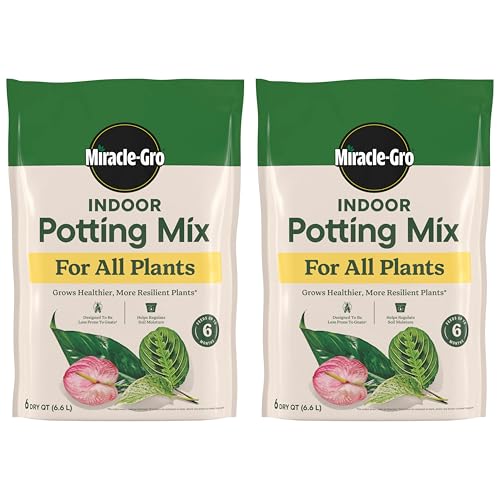
Miracle-Gro Indoor Potting Mix for All Plants, 6 qt., 2-Pack
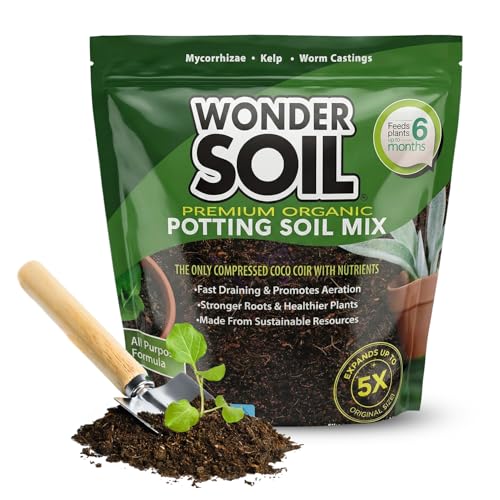
Wonder Soil Organic Coco Coir Potting Soil 12-Quart Bag

Wonder Soil Compressed Coco Coir Block Expanding to 72 Quarts

AVERGO Coconut Coir Potting Soil, Expands to 3.5 Quarts (7.5 lb)

AVERGO Coconut Coir Potting Soil, Expands to 7 Quarts (15 lb)

AVERGO Coconut Coir Potting Soil, Expands to 5 Quarts (11 lb)
What Each Pick Brings To The Table
FoxFarm’s Ocean Forest has been a workhorse for container gardeners for years, and it earns its spot at the top for one reason: it behaves like soil and amendments came together with the gardener in mind. The 1.5 cubic foot bag is sized for someone repotting a medium shrub or filling a couple of large patio planters, which lines up nicely with where hydrangeas actually live in pots.
The blend is described as light and aerated, which in practice means roots aren’t sitting in a soggy mass after a heavy rain. For a moisture-loving shrub like hydrangea, that balance is the whole game. You get enough water retention to keep the plant happy on a hot day, but enough drainage to prevent the root rot that finishes off container-grown hydrangeas more often than cold does.
Where It Helps
- Pre-mixed with earthworm castings, fish meal, and crab meal, so seedlings and transplants get a soft start.
- Aerated texture keeps container roots from suffocating during wet stretches.
- Ready to use straight from the bag with no extra amendments needed for most ornamentals.
- 1.5 cu ft volume suits a single large pot or several mid-size planters in one go.
Things To Consider
- Strong organic smell right out of the bag, which fades after a few waterings but may bother sensitive noses indoors.
- Heavier than coir-based mixes, so dragging a full bag upstairs to a balcony takes some effort.
Key Product Details
Who Should Grab It
Container gardeners repotting a mature hydrangea or filling several patio planters in a single session get the most out of this generous bag.
A Better Fit Elsewhere
Balcony growers hauling soil up several flights of stairs may prefer the lighter Wonder Soil Coco Coir 12-Quart Bag, which is far easier to carry.
Char Bliss is not a complete potting soil, and that’s actually its appeal. Biochar is a charcoal-style soil conditioner made from organic material and used to improve whatever base mix you’re already working with. Think of it as an upgrade you stir in, not a bag you pour straight into a pot.
For hydrangeas in containers, biochar helps with the two things that decide whether your shrub thrives or merely survives: nutrient retention and moisture balance. The porous structure holds onto fertilizer and water, then releases them gradually. That kind of slow-release behavior is exactly what container roots need, since they’re cut off from the wider soil ecosystem.
Noteworthy Benefits
- Improves nutrient retention so fertilizer doesn’t leach out after one watering.
- Supports soil microbiome by providing habitat for beneficial microbes over time.
- OMRI-listed, which matters for organic gardening setups and edible landscape borders.
- 8-quart size mixes into roughly 2 cubic feet of base soil at a typical ratio.
Worth Noting
- Not a standalone growing medium, so you still need a base potting soil to use it with.
- Lightweight and dusty when dry, so mixing outdoors or wearing a mask indoors is sensible.
Right Fit For
Experienced gardeners who already have a base potting mix and want to extend its lifespan and nutrient performance.
Look Elsewhere When
First-time gardeners looking for one bag to fill a pot will find FoxFarm Ocean Forest Potting Soil, 1.5 cu ft a more direct, ready-to-use option.
Wonder Soil’s three-brick pack expands to about 30 quarts once you add water, which makes storage and transport almost absurdly easy compared to hauling around pre-bagged soil. Coco coir is the fibrous material from coconut husks, prized for holding moisture while still letting air circulate around roots.
Hydrangeas love consistent moisture, and coir delivers that without the heavy, compacted feel of traditional peat-based mixes. Each brick also arrives loaded with worm castings, mycorrhizae, and kelp, so the soil feeds plants for several months after potting. For a patio gardener with several pots to refresh at once, this format is genuinely convenient.
Good Reasons To Consider
- Three compressed bricks fit on a single shelf and weigh a fraction of equivalent bagged soil.
- Pre-loaded with worm castings, mycorrhizae, and kelp for an extended nutrient release.
- Peat-free composition appeals to gardeners avoiding peat bog harvesting.
Trade Offs
- Requires a soaking step before use, which adds a bit of prep time per brick.
- Nutrients are claimed to last up to four months, so you’ll still need a fertilizer routine for heavy bloomers.
Quick Facts
Made For
Mid-size container gardeners who want a peat-free, lightweight mix and don’t mind a quick water-expansion step before planting.
Swap It Out When
Someone filling a single large planter in one session may find FoxFarm Ocean Forest Potting Soil, 1.5 cu ft easier since it’s ready to pour.
Coast of Maine’s Roses and Flowers blend is built around compost, which gives it a darker, richer appearance than most peat-heavy mixes. Despite the rose-and-flower branding, the formulation suits any flowering shrub that wants steady moisture and good drainage, hydrangeas included.
The two-pack gives you 40 quarts of planting soil, which is enough to refresh a small collection of patio containers or amend existing beds around a porch garden. OMRI-listing for organic use is the kind of detail that matters for gardeners managing edible borders or pollinator-friendly plantings alongside their hydrangeas.
What Works In Its Favor
- Compost-forward blend feeds soil biology and supports long-term root health.
- Balances moisture retention with drainage to suit bloom-heavy shrubs.
- Versatile for in-ground beds, container tops, or as a mulch refresh.
- OMRI-listed for organic gardening standards.
Honest Caveats
- Bag weight is substantial, so transport to upper-level patios can be tiring.
- Organic smell is more pronounced than synthetic-leaning mixes during the first watering or two.
Feature Snapshot
Best Suited To
Organic-leaning gardeners who want a compost-rich blend and have a handful of containers or mixed flower beds to refresh at once.
Reach For A Different Pick When
Someone focused on the lightest possible bag for a balcony may prefer the Wonder Soil Coco Coir 12-Quart Bag, which weighs far less per quart.
Miracle-Gro’s indoor mix is the kind of bag almost every garden center stocks, and the 2-pack gives you 12 quarts of ready-to-use medium. The blend combines sphagnum peat moss, coir, and perlite, which covers the three things container plants need: structure, moisture holding, and air pockets for roots.
The formulation is built to feed plants over time, which suits hydrangeas in containers that get watered frequently and need their nutrients replenished. You may find this mix a touch lighter than garden-variety outdoor soil, but for potted ornamentals on a porch or windowsill, that lighter weight is genuinely helpful.
Points In Its Favor
- Widely available and easy to find at most retailers.
- Built for indoor and outdoor containers, so the same bag works for houseplants and patio pots.
- Lightweight formula is easier to carry than heavier compost-based mixes.
- Designed to feed plants over a longer window without daily fertilizing.
A Few Limitations
- Smaller bag size means frequent re-shopping for gardeners with several large pots.
- Peat-based, which is a concern for gardeners avoiding peat for environmental reasons.
Whose Shelf It Belongs On
Casual gardeners potting up one or two small to medium hydrangeas and wanting a familiar, dependable mix without overthinking the choice.
Where Another Pick Suits Better
Gardeners filling multiple large planters will get more value per bag from FoxFarm Ocean Forest Potting Soil, 1.5 cu ft or the Wonder Soil 30-Quart 3-Pack.
The 3-pound compressed bag in this Wonder Soil format expands to 12 quarts once hydrated, which is the right size for someone with a small balcony and two or three pots to refresh. Unlike the larger 30-quart 3-pack, this single bag fits in a kitchen drawer until you need it.
The mix arrives with worm castings, perlite, and mycorrhizae blended in. For hydrangeas, the perlite keeps the medium from compacting over time, and worm castings offer a slow, gentle nutrient release. If you’re growing a hydrangea indoors through winter or starting one on a sunny windowsill, this compact format makes sense.
Notable Upsides
- Compact 3-pound bag is genuinely easy to store between repottings.
- Peat-free composition suits environmentally minded gardeners.
- Perlite addition helps maintain aeration over months of watering.
Points To Note
- Single bag is too small for a multi-plant container refresh.
- Pre-loaded nutrients are finite, so plan a fertilizer schedule within a few months.
Essential Details
The Right Fit
Apartment and townhouse gardeners with one or two hydrangeas in modest containers who want a manageable, peat-free option.
Not Your Match When
Anyone repotting an established shrub into a large planter will need more volume than this single bag provides.
This is the largest Wonder Soil format on the list: a single 10-pound compressed block that expands to roughly 72 quarts of finished medium. For someone refreshing every container on a deck or building out an entire porch garden at once, the math is hard to beat.
The compressed form means you carry home one compact block instead of six bulky bags of traditional soil, which matters more than you’d think when you’re driving a small car or climbing stairs. Hydrangeas are thirsty plants, and the coco coir base holds water steadily without turning into mud. You will need a large bucket or wheelbarrow for the expansion step, since 72 quarts of hydrated medium takes up real space.
A Few Highlights
- Single block replaces multiple bulky bags, easing transport and storage.
- Pre-loaded with worm castings, mycorrhizae, and kelp for early-season nutrition.
- 72-quart expanded volume suits ambitious multi-container refreshes.
Practical Considerations
- Expansion requires a sizable container and some patience as the block soaks up water.
- Overkill for someone with just one or two small pots to refill.
Best Suited To
Serious container gardeners setting up or refreshing several large planters in a single session.
Skip It When
Casual growers with a single hydrangea in a modest pot will find the smaller Wonder Soil 12-Quart Bag much easier to handle.
AVERGO’s smallest offering expands to about 3.5 quarts, which is enough to repot one small hydrangea or top off an existing container. The 7.5-pound compressed disc is genuinely shelf-stable and arrives without the mess of a torn-open soil bag spilling in the trunk.
The base is pure coconut coir, which means you can blend it with perlite, compost, or biochar depending on what your hydrangea actually needs. If you’re the type who likes to dial in your own mix rather than start from someone else’s recipe, this gives you a clean canvas.
Positive Takeaways
- Tiny compressed disc stores indefinitely until you need it.
- Clean coir base lets you build a custom blend with your own amendments.
- Expands with water for a tidy, low-mess preparation.
Where It May Fall Short
- 3.5-quart expanded size won’t fill a large planter on its own.
- No built-in fertility, so you’ll need to add nutrients from the start.
Made For
DIY gardeners who prefer to mix their own soil recipes and just need a clean coir base to start with.
Consider Something Else When
First-time hydrangea growers wanting an all-in-one mix will find Miracle-Gro Indoor Potting Mix for All Plants, 6 qt., 2-Pack easier to use.
The 7-quart AVERGO disc is a step up from the smallest format, expanding to fill a couple of mid-size pots or refresh a single large container. Like the 3.5-quart version, it’s pure coir with no built-in amendments, so it functions as a base ingredient rather than a finished soil.
For hydrangea growers who already have worm castings, perlite, or a slow-release fertilizer on hand, this size makes sense. You get more volume than the smallest disc without committing to the heavier Wonder Soil 72-quart block, which is a comfortable middle ground for gardeners experimenting with their own recipes.
The Practical Payoff
- 7-quart expanded size handles two medium pot repots at once.
- Pure coir base adapts to any amendment style you prefer.
- Compressed format keeps storage footprint minimal between uses.
Small Caveats
- No nutrients included, so you’ll need a separate feeding plan from day one.
- Single-flavor offering doesn’t suit gardeners who want a complete mix in one bag.
Perfect Match For
Container gardeners who already maintain a shelf of amendments and want a flexible coir base to mix into.
Another Choice May Suit
Someone wanting a complete, ready-to-use blend should consider Coast of Maine Roses and Flowers Organic Planting Soil instead.
The 5-quart AVERGO disc sits between the smallest 3.5-quart and mid-size 7-quart versions, expanding to about 5 quarts of finished coir. It’s a tidy option for refreshing a single small container or supplementing a mix you’ve already started.
Because it’s pure coir without added nutrients, this works as a flexible building block for a custom hydrangea blend. Pair it with compost for organic nutrition or perlite for extra drainage, depending on whether your pot tends to dry out or stay soggy. The clean ingredient list appeals to gardeners who want full control over what goes into their container mix.
Advantages To Know
- Right-sized disc for one or two small to medium pots.
- No added fillers or synthetic nutrients, leaving room for personal customization.
- Easy to hydrate in a standard bucket without specialized equipment.
Worth Bearing In Mind
- Won’t fill a large planter on its own, so multiple discs may be needed for bigger jobs.
- Requires separate amendment purchases to function as a complete hydrangea mix.
Who Will Love This
Hands-on gardeners who want a pure coir ingredient to fold into their own soil recipes.
A Better Fit Elsewhere
Container gardeners wanting a finished, ready-to-pour blend should look at FoxFarm Ocean Forest Potting Soil, 1.5 cu ft instead.
What Matters When Choosing Soils For Hydrangeas In Pots
Hydrangeas in containers live by different rules than the same shrubs in the ground. Drainage, moisture retention, and pH all matter, but they matter differently in a confined root zone. Here’s what to weigh before settling on a mix.
Drainage And Moisture Holding
Hydrangeas wilt dramatically when thirsty and sulk when soggy, so the mix needs to walk a tightrope. Look for blends that include perlite, pine bark fines, or coarse coir to keep air pockets alive around the roots. A mix that holds water like a sponge but drains like a colander is the goal, which is why most ready-made blends blend several ingredients together rather than relying on one material.
PH And Bloom Color
Hydrangea’s famous color shifts happen because aluminum availability changes with soil pH. Acidic soil around pH 5.0 to 5.5 encourages blue blooms, while alkaline soil around pH 6.5 to 7.0 pushes toward pink. Most potting mixes sit somewhere in the middle, so if color matters to you, plan to test your mix and adjust with amendments over time. Coco coir tends to run slightly acidic, while compost-heavy blends lean closer to neutral.
Volume And Container Size
A 12-quart bag suits a single small pot, while a 72-quart block better matches several large planters. Bigger bags usually work out cheaper per quart, but only if you can use the soil before it dries out or loses structure. Compressed formats solve the storage problem but require a hydration step. Match the format to how many pots you’re actually refreshing this season.
Things Worth Knowing Before You Buy
Mistakes Worth Dodging
Picking a mix purely by price often backfires with hydrangeas, since bargain blends can compact quickly and starve roots of oxygen. Equally risky is grabbing garden soil or topsoil for a pot: those mixes are designed for in-ground use and tend to settle into a dense, waterlogged mass in containers. Always look for something labeled for pots or containers, and check that drainage materials like perlite or bark are part of the ingredient list.
When Paying More Pays Off
Premium blends with compost, biochar, or worm castings feed the soil biology, which in turn feeds your hydrangea over a longer window. That can mean fewer fertilizer applications and more resilient blooms through heat waves. For a single patio hydrangea, the upgrade may not matter much, but if you’re growing several containers or want consistent performance year after year, the extra cost per bag tends to pay for itself in plant health and less daily maintenance.
Frequently Asked Questions
Do Hydrangeas Need Special Soil In Pots?
Yes, container hydrangeas do best in a mix that holds moisture without staying soggy. A blend with peat, coir, or compost plus perlite or bark for drainage gives the roots both water and air, which is the combination they need.
Can I Use Regular Garden Soil For Potted Hydrangeas?
Garden soil is generally a poor choice for containers because it compacts quickly and drains poorly when confined. A potting mix formulated for containers keeps the structure loose and lets excess water escape, which protects roots from rot.
How Often Should I Repot A Hydrangea?
Most potted hydrangeas benefit from fresh soil every two to three years, or whenever the roots start circling the pot. Refreshing the mix restores nutrients and gives roots more room, especially since hydrangeas in containers can’t extend outward like in-ground plants.
Is Coco Coir Good For Hydrangeas?
Coco coir works well for hydrangeas because it retains moisture steadily while still allowing airflow. It’s also peat-free, which appeals to gardeners avoiding peat harvesting. You’ll typically want to add some nutrients since pure coir on its own is low in fertility.
What Size Bag Do I Need For One Hydrangea?
A single medium hydrangea in a 12 to 16 inch pot usually needs somewhere around 8 to 12 quarts of soil to fill the container. Going a little larger, like a 1.5 cubic foot bag, gives you extra for topping off later.
Closing Thoughts
Container hydrangeas reward the right potting mix more than almost any other ornamental, and the difference shows up in leaf color, bloom size, and how often you need to water. Whether you go with a rich traditional blend like FoxFarm Ocean Forest or a lightweight peat-free option from the Wonder Soil or AVERGO line, the key is matching drainage and moisture holding to your climate and pot size. Pick the format that fits how many containers you’re actually filling, and your hydrangeas will thank you all season.
