

Kalanchoe is the kind of succulent that rewards restraint, especially in the soil department. These thick-leaved plants hate sitting in moisture, so a well-draining, gritty mix is the difference between a thriving windowsill specimen and a mushy stem after the second watering. Anyone who has watched a Kalanchoe collapse from root rot knows the feeling, and the right substrate fixes it at the source.
This roundup leans into mixes that prioritize airflow, particle size, and fast drainage, plus a few blended options for growers who prefer a ready-to-pour bag. Each pick below has been chosen for what it actually brings to a Kalanchoe pot, not for what the label promises.
A Side-By-Side Look

ZeeDix 3QT Coarse Perlite Soil Amendment

Micro Landscape Lithops Soil Mix with Live Plant
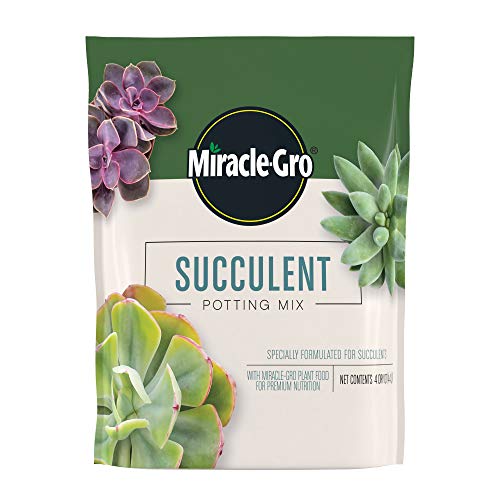
Miracle-Gro Succulent Potting Mix 4 qt
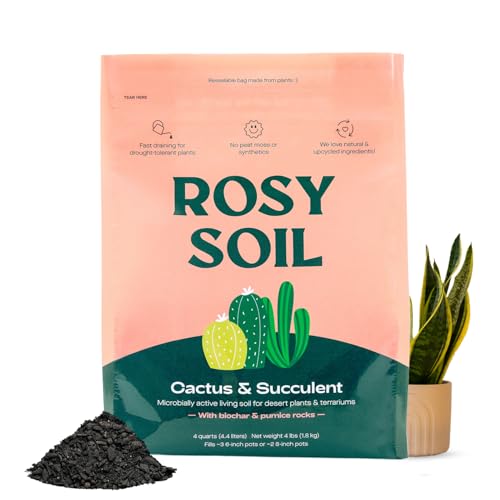
Rosy Soil Cactus & Succulent Potting Mix 4 Quarts

FoxFarm Ocean Forest Potting Soil 12 Quart

ZeeDix 6QT Coarse Perlite Soil Amendment

ZeeDix 3QT Tropical Potting Mix for Aroids
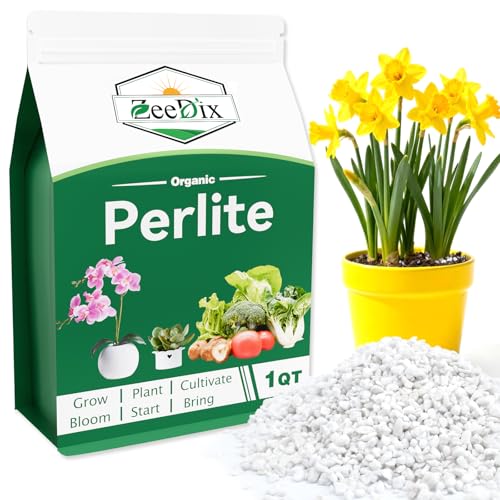
ZeeDix 1QT Coarse Perlite Soil Amendment
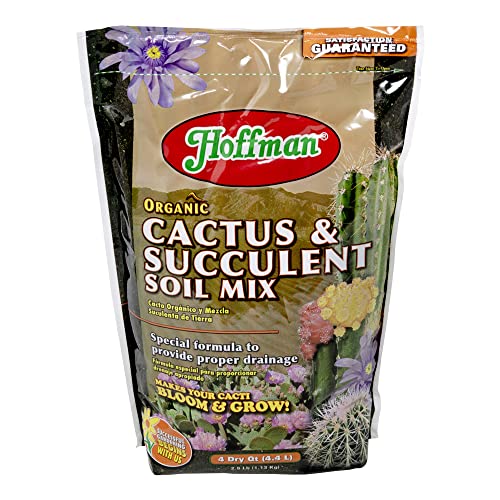
Hoffman 10404 Organic Cactus and Succulent Mix

ZeeDix 1QT Tropical Potting Mix for Plants
A Closer Look At Each Pick
Perlite is one of those quiet workhorses of succulent care, and this 3-quart bag is a sensible starter size for one or two Kalanchoe pots. The coarse grade, falling roughly in the 3 to 9 millimeter range, gives roots the open channels they need to push through without collapsing under their own weight.
For anyone whose existing bag of potting soil feels too heavy or peat-heavy, this amendment lightens the texture fast. A couple of handfuls stirred in transforms dense mixes into something that drains within seconds of watering, which is exactly what Kalanchoe wants.
The Good Stuff
- Coarse grade keeps pore spaces open longer than finer perlite
- Sterile and inert, so it won’t introduce pathogens to roots
- Lightweight enough to mix thoroughly into wet or dry soil
- pH-neutral, leaving your fertilizer schedule unaffected
Trade-Offs Worth Knowing
- White particles tend to float to the surface after heavy watering, slightly changing the look of the pot
- The dust at the bottom of the bag benefits from a quick rinse before use
- 3 quarts covers one or two medium pots, so multi-plant collections may burn through it quickly
Feature Snapshot
Right Fit For
Beginners blending their first custom Kalanchoe mix on a small shelf of pots.
Swap It Out When
You’d rather skip the measuring and reach for Hoffman 10404 Organic Cactus and Succulent Mix as a pre-blended alternative.
This isn’t a general-purpose succulent bag, it’s a purpose-built mix for living stones, and that same focus translates well to Kalanchoe. The formula is engineered to keep air moving around delicate roots, which is the entire game for any plant that resents wet feet.
The bundle ships with a bonus live mini lithops, which is a thoughtful nudge toward actually using the mix right away rather than letting it sit on a shelf. Anyone with a small Kalanchoe and a curious mind toward mesembs gets two hobbies for the price of one.
Useful Highlights
- Designed specifically for plants prone to rot, so Kalanchoe fits the use case
- Included live lithops gives the mix a real test drive in the same shipment
- Around 2 quarts is enough for several small pots or one larger one
- Light texture settles gently around roots without compacting
Points To Keep In Mind
- Niche focus means the bag is small for anyone repotting an entire Kalanchoe collection
- Live plants in transit can sometimes arrive stressed, depending on the season
Built With In Mind
Growers who appreciate a specialty formulation and don’t mind a curated, smaller-volume product.
Consider Something Else When
You’re repotting a whole shelf of plants and need the volume of Miracle-Gro Succulent Potting Mix instead.
This is the bag most casual growers reach for first, and for good reason. Miracle-Gro’s succulent blend is pre-mixed for cacti, echeverias, and other water-sensitive plants, so a Kalanchoe slips right into the formula without any extra work.
A 4-quart bag fills one 8-inch container comfortably, which suits a single mature plant on a kitchen windowsill. For anyone who doesn’t want to play chemist with perlite and pumice on a Tuesday night, this bag is the path of least resistance.
Where It Delivers
- Pre-blended formula removes guesswork for newer growers
- One bag covers a standard 8-inch pot without leftovers
- Widely available in most garden sections, so restocking is easy
- Designed for plants that need fast drainage out of the package
Honest Caveats
- Some growers add extra perlite or pumice to push drainage even further for thick-leaved Kalanchoes
- Standard mixes can compact over time in deep containers, depending on watering frequency
Quick Facts
Whose Shelf It Belongs On
First-time Kalanchoe parents who want a one-bag solution and zero mixing.
Look Elsewhere When
You’re chasing a chunkier, biologically active blend like Rosy Soil Cactus & Succulent Potting Mix.
Rosy Soil leans into a chunky, almost gravel-like texture, which is precisely what a Kalanchoe root system craves. The blend is built around beneficial microbes and worm castings, giving the mix a living-soil quality that supports long-term root health rather than just short-term drainage.
The honest read is that this is a more thoughtful bag than the typical hardware-store option. It resists compaction in deeper pots, which is a quiet but real win for anyone tired of their mix turning into mud by month six.
Real Benefits
- Chunky texture stays loose over months of watering cycles
- Worm castings add slow-release organic nutrition
- Living microbe content supports healthier soil biology
- Drains quickly without stripping all moisture from roots
Softer Spots
- Chunkier texture may work its way out of pots with wide drainage holes
- A 4-quart bag goes faster than expected in larger containers
Feature Rundown
Who It Suits Best
Growers repotting a mature Kalanchoe and wanting a richer, longer-lasting substrate than standard mixes offer.
A Better Fit Elsewhere
You keep plants outdoors in wet climates and want the extra drainage bulk of ZeeDix 6QT Coarse Perlite to blend in.
FoxFarm Ocean Forest is one of those soils people keep coming back to, and the 12-quart size is generous enough to handle multiple Kalanchoe repots in one go. The blend combines aged forest products, sandy loam, and sphagnum peat moss for a lighter, well-aerated texture.
The standout element is the built-in organic nutrition from fish meal, crab meal, and earthworm castings. Kalanchoes don’t need heavy feeding, but a young or recently propagated plant benefits from that gentle organic background while it establishes.
The Helpful Details
- Fish meal and crab meal offer natural, slow-release nutrients
- Sandy loam component improves drainage over standard peat mixes
- Light, aerated texture is easy to work with during repotting
- 12-quart bag covers several medium pots with mix to spare
Practical Considerations
- Not formulated specifically for succulents, so amending with extra perlite helps Kalanchoe long-term
- Organic nutrients may attract fungus gnats in consistently moist conditions
Key Product Details
Perfect Match For
Growers with several houseplants who plan to amend this base with extra perlite for their Kalanchoe pots.
Not Your Match When
You’d rather skip the extra step and grab a succulent-specific bag like Hoffman 10404 Organic Cactus and Succulent Mix.
The 6-quart version of ZeeDix’s coarse perlite is the same material as the smaller 3-quart bag, just in a refill-friendly size. Anyone with a multi-pot succulent shelf knows how fast perlite disappears once you start blending, and this bag avoids the constant restock.
The coarse grade, again in the 3 to 9 millimeter range, is the right texture for Kalanchoe roots. Stir it into a base mix at roughly a one-to-three ratio and the pot drains the way it should after every soak.
Benefits That Matter
- Double the volume of the 3-quart bag at a better per-quart value
- Sterile and inert, so it won’t shift pH or introduce pests
- Coarse particles hold their shape through repeated watering
- Useful across an entire collection, not just one Kalanchoe
Some Limits To Know
- Larger bag takes up more shelf or closet space
- Lightweight perlite tends to shift during shipping if the bag is roughly handled
Made For
Collectors juggling several succulents who mix their own blends in batches.
Reach For A Different Pick When
You’re only repotting one plant and want the smaller, more manageable ZeeDix 1QT Coarse Perlite instead.
This tropical blend is aimed at monsteras, pothos, philodendrons, and ferns, which makes it an odd inclusion on a Kalanchoe list. The reason it earns a spot is that the same 5-in-1 formula translates nicely to any plant that likes airflow around its roots, Kalanchoe included.
That said, tropical mixes hold a touch more moisture than a strict succulent blend, so for Kalanchoe you may find yourself cutting it with extra perlite. It earns its keep best in mixed plant households where one bag serves several species.
Standout Benefits
- Pre-mixed 5-in-1 formula needs no measuring at the bag
- Balances drainage with enough moisture for tropical foliage
- Light texture suits Kalanchoe when blended with added perlite
- Convenient single bag for mixed houseplant collections
Things To Consider
- Not formulated for succulents, so extra amendments are useful for Kalanchoe
- May stay damp longer than a true cactus mix in cool rooms
Best Suited To
Growers tending both tropical houseplants and Kalanchoes from the same shelf.
A Better Fit Elsewhere
Your collection is succulents-only and a dedicated cactus blend like Rosy Soil Cactus & Succulent Potting Mix fits better.
The 1-quart bag is the smallest ZeeDix option, which suits anyone curious about perlite but unsure how much they actually need. It’s a low-commitment way to test how a lighter mix feels in your Kalanchoe pot before buying in bulk.
The same coarse 3 to 9 millimeter grade carries over from the larger sizes. For one medium Kalanchoe, this bag is honestly plenty, and it stores easily in a closet without taking up real estate.
Strong Points
- Compact size is easy to store and pour from
- Same coarse grade as the larger ZeeDix bags
- Sterile, inert, and pH-neutral like the rest of the line
- Perfect amount for a single Kalanchoe repot
Where It May Fall Short
- Too small for multi-pot collections, so you’ll repurchase often
- Per-quart value is higher than the 6-quart sibling option
Who Should Grab It
Curious beginners who want to try perlite in one Kalanchoe pot before committing to a larger bag.
Skip It When
You already know you’ll blend perlite into every pot on the shelf, and ZeeDix 6QT Coarse Perlite is the smarter buy.
Hoffman’s cactus and succulent mix has been on shelves for years, and its staying power says something. The 4-quart bag is pre-blended, pH-balanced, and ready to pour straight into a pot, which removes every step between unboxing and repotting.
The formula is professionally mixed for both jungle and desert cacti, which means it sits comfortably in the middle of the drainage spectrum. For Kalanchoe, that balance works well, especially for growers who’d rather not fuss with ratios.
Real-World Strengths
- Pre-blended formula saves time on repotting day
- pH-balanced to keep nutrient uptake predictable
- Encourages both root development and flowering
- Drains well for jungle and desert cacti alike
Things To Weigh
- Some growers find it holds slightly more moisture than chunkier boutique mixes
Technical Highlights
Right Fit For
Growers who want a long-trusted, no-fuss bag and aren’t chasing the latest boutique blend.
Where A Sibling Pick Shines
You’re after a more biologically active, chunkier texture, and Rosy Soil Cactus & Succulent Potting Mix delivers that.
This is the smallest version of ZeeDix’s tropical blend, and like the larger sibling, it works for Kalanchoe when given a perlite boost. The 1-quart bag suits a single small pot or a quick top-up without committing to a bigger purchase.
For most backyards, err, most windowsills, this bag is enough for one Kalanchoe in a 4 or 5-inch pot. It’s a comfortable way to try the formula before stepping up to the 3-quart size.
What Makes Sense
- Compact bag fits on a shelf without dominating storage
- Same 5-in-1 pre-blend as the larger tropical option
- Useful for single small Kalanchoe repots
- Pre-mixed so no extra blending is required at the bag
Less-Strong Areas
- Holds more moisture than a true succulent mix, so perlite amendment helps
- Not enough volume for medium or large pots
Who Will Love This
Anyone repotting one small Kalanchoe and curious about a tropical-style blend without buying in bulk.
Not Your Match When
You want a dedicated succulent formula from the start, and Miracle-Gro Succulent Potting Mix is the cleaner pick.
What Matters When Picking Soil For Kalanchoe
Drainage Comes First
Kalanchoe stores water in its leaves, which means the roots are designed to dry out quickly between soakings. A mix that retains too much moisture sets the stage for stem rot and fungal problems. Look for blends with coarse perlite, pumice, or sandy loam that let water pass through within seconds of pouring.
Texture Beats Marketing
Chunky particles create air pockets that fine peat-based soils collapse over time. A loose, gritty texture resists compaction even after months of watering cycles, which matters in deeper containers where the bottom can turn dense. The best mixes feel almost gravelly between your fingers, not soft like traditional potting soil.
Organic Nutrition In Moderation
Kalanchoes don’t demand heavy feeding, but a little goes a long way. Worm castings, fish meal, and similar organic amendments provide slow-release nutrition without burning roots. Strong synthetic fertilizers push fast growth that weakens stems and fades leaf color, so gentler inputs suit the plant better in the long run.
Container Size And Watering Style
A small terracotta pot dries out faster than a large glazed one, which influences how aggressive your drainage needs to be. Growers in humid climates or low-light rooms benefit from extra perlite, while those in dry, sunny windowsills can get away with a slightly richer blend. Match the soil to your environment, not just the plant label.
Picking The Right Mix Without Second-Guessing
Where Shoppers Go Wrong
The most common slip is reaching for a standard all-purpose potting soil and assuming it’ll handle a succulent like Kalanchoe. Those mixes are designed to retain moisture, which is the opposite of what these plants need. Another pitfall is ignoring pot drainage entirely, since even the best soil can’t save a plant sitting in a saucer of standing water.
What Separates Premium From Basic
Higher-tier blends earn their price through chunkier textures, organic amendments, and careful sourcing of ingredients. The extra cost usually shows up in how long the mix stays loose in the pot, and how often you find yourself replacing it. For most Kalanchoe growers, a mid-range bag like Hoffman 10404 Organic Cactus and Succulent Mix hits the sweet spot between price and performance, with chunkier boutique options reserved for serious collectors.
Frequently Asked Questions
Can Regular Potting Soil Work For Kalanchoe?
Standard potting soil holds too much moisture for Kalanchoe roots and often leads to rot. Blending in coarse perlite at roughly a one-to-three ratio improves drainage enough to make it workable.
How Often Should Kalanchoe Soil Be Replaced?
A healthy Kalanchoe benefits from fresh soil every two to three years, or whenever the mix starts to compact and stop draining. Replacing the substrate restores airflow and refreshes nutrient availability.
Do Kalanchoes Need Fertilizer In Their Soil?
Light organic nutrition from worm castings or similar amendments supports steady growth without forcing weak, leggy stems. Heavy synthetic fertilizer tends to push more foliage than the plant can structurally support.
Is Cactus Soil The Same As Succulent Soil?
Cactus and succulent mixes are very similar, both built around drainage and low moisture retention. Either works for Kalanchoe, with cactus blends often leaning slightly grittier and drier than general succulent formulas.
Should Kalanchoe Pots Have Drainage Holes?
Drainage holes are essentially required for Kalanchoe, since even the best soil can’t compensate for waterlogged roots. A terracotta pot with a single bottom hole is the classic combination for these plants.
Wrap Up
A Kalanchoe thrives when its roots can breathe, and the soil you choose sets the tone for every watering that follows. Whether you reach for a pre-blended bag like Hoffman 10404 or build your own mix with ZeeDix perlite, drainage and texture matter more than brand recognition. Pick the substrate that matches your collection size, your climate, and the level of fiddling you enjoy, and your Kalanchoe will reward you with the kind of growth that makes the windowsill worth showing off.
