

Lilacs reward patient gardeners with reliable spring color, but they punish anyone who plants them in heavy, waterlogged ground. Most cultivars trace their roots to rocky limestone hillsides in southeastern Europe, which explains why drainage and a slightly alkaline profile matter far more than bag size or brand recognition. The picks below lean toward mixes and amendments that support exactly that, with a few versatile options that stretch to roses, perennials, and general garden soil refreshes when your project grows beyond the shrub border.
How The Shortlist Stacks Up

Special Lithops Soil Mix with Excellent Drainage
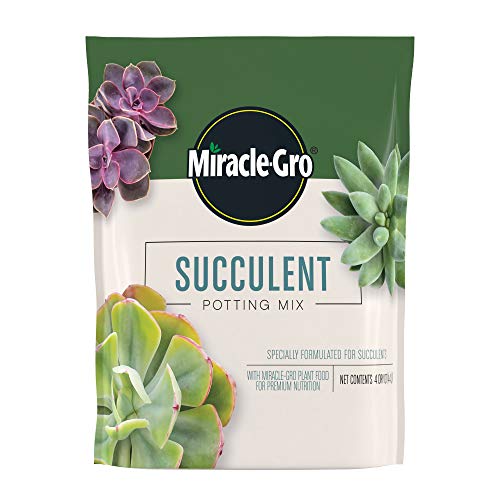
Miracle-Gro Succulent Potting Mix, 4 qt.

Miracle-Gro Cactus, Palm & Citrus Potting Mix, 8 qt.

Miracle-Gro Moisture Control Potting Mix, 16 qt.

Compressed Organic Potting Soil, Expands 4x
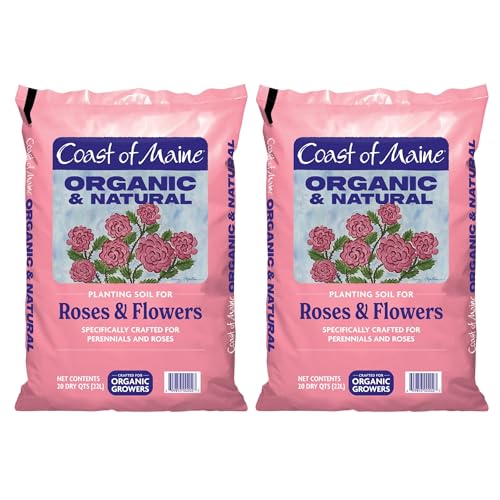
Coast of Maine Roses and Flowers, 20qt (2-Pack)

Miracle-Gro Indoor Potting Mix, 6 qt.
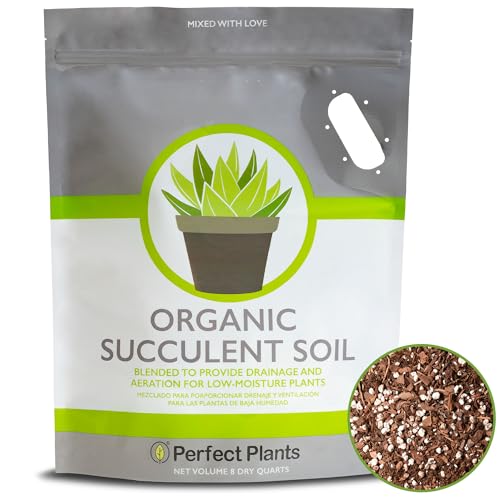
Perfect Plants Succulent & Cactus Soil, 8 qt
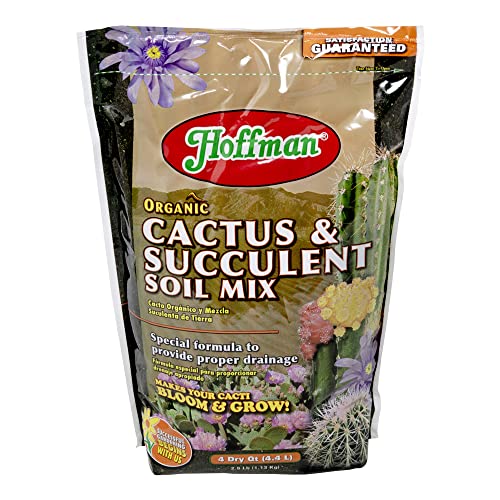
Hoffman 10404 Cactus and Succulent Soil Mix, 4 qt

Midwest Hearth African Violet Natural Potting Soil, 4 qt
Taking A Closer Look At The Options
Lithops and lilacs share an unusual trait for flowering plants: both demand mineral-heavy, free-draining soil that doesn’t stay soggy after rain. This 3-pound blend lands around two quarts, which is small for a full shrub border but plenty if you mix it into native ground as a backfill amendment for one or two young lilacs. The particle size runs coarse, so root balls settle in without the air pockets collapsing over a season.
It’s a niche pick. The included bonus live mini lithops is a fun touch, but the real draw is the consistent texture, which gives you predictable drainage without sifting perlite on a tarp. For most backyards with a few ornamental shrubs, this works as a supplemental amendment rather than a primary planting medium.
Key Advantages
- Coarse, mineral-rich texture that mimics the rocky, alkaline soils lilacs evolved in
- Two-quart bag fits easily on a potting bench without dominating storage
- Pairs well with native soil to improve drainage at the root crown
- Bonus live lithops lets you test the mix on a low-stakes succulent first
Things To Consider
- Volume is small for anyone planting more than two or three shrubs
- Specialty formulation costs more per quart than general cactus mixes
Who It Suits Best
Container growers and rock-garden enthusiasts planting dwarf or reblooming lilac cultivars in tightly draining pots.
Consider Something Else When
Coast of Maine Roses and Flowers is a stronger match for gardeners establishing a full outdoor bed, where compost-rich volume matters more than mineral texture.
This is the bag most gardeners spot first at the garden center, and for container-grown dwarf lilacs on a sunny patio, that’s not a bad thing. The four-quart size handles a single 10-inch pot, which is exactly the scale you want for a young Bloomerang or a compact Korean lilac cutting.
The blend drains fast and stays light, so the root crown breathes. It also avoids the dense, peaty moisture retention that standard potting soil brings, which is the most common reason potted lilacs sulk in their second season.
Where It Excels
- Widely stocked and easy to find when you need soil today
- Fast-draining texture keeps potted lilac roots from rotting
- Light enough to repot small root balls without back strain
Worth Noting
- Four quarts covers only a small container, so larger projects require multiple bags
- Formulated for succulents, so you’ll want to supplement with compost when planting in ground
- Often contains enough fine particles that a top-dress of grit helps in humid climates
Feature Snapshot
Made For
First-time patio growers working with small containers who want a forgiving, easy-to-source mix.
Not Your Match When
Miracle-Gro Cactus, Palm & Citrus Potting Mix suits gardeners with larger outdoor shrub plantings that need eight quarts or more of fast-draining volume.
An eight-quart bag steps the volume up without overwhelming a small garden project. Where the four-quart succulent mix handles a single pot, this one tackles a row of three to four patio containers or a generous backfill for one in-ground shrub. The fast-draining formula is the headline feature, and it earns that label in practice for lilacs and Mediterranean herbs alike.
Compare that to the compressed brick in pick 5, which requires rehydration time. Here you pour, plant, and water, which matters when you’re racing a frost date or a freshly dug hole.
Everyday Perks
- Eight-quart volume handles a small shrub border without multiple trips to the store
- Fast-draining formula prevents the soggy root crown that kills young lilacs
- Ready to use straight from the bag, no soaking or breaking apart required
Trade Offs
- Heavier than compressed options, so carrying two bags up stairs is a workout
- Some gardeners amend it with extra perlite for very tight clay planting sites
Best Suited To
Home gardeners planting two or three lilac shrubs in a suburban yard who want a familiar, readily available mix.
A Better Fit Elsewhere
Miracle-Gro Moisture Control Potting Mix is a stronger pick for hot patios where drying out between waterings is the bigger risk than root rot.
Sixteen quarts is enough to fill a half whiskey barrel or amend a long border, which is why this bag shows up in big-box garden aisles every spring. The moisture-control angle is the real story: the mix absorbs and releases water to buffer against both drought and overwatering.
Lilacs prefer well-drained ground, but they also sulk when their root zone swings from soggy to bone dry. In a container on a windy rooftop or a south-facing patio, that moisture buffer buys you a longer interval between waterings without compromising the gritty texture most lilacs need. You may find, in heavy rainfall years, the moisture retention works against you and the pot needs a cover during extended storms.
Good Reasons To Consider
- Sixteen-quart volume handles a large container or multiple smaller pots in one purchase
- Buffers watering swings, which helps during hot summers or busy travel weeks
- Pre-blended with plant food for several months of feeding
Points To Note
- Moisture retention is the opposite of what most in-ground lilacs need, so use it in containers rather than borders
- Heaviest bag in this lineup, awkward to carry upstairs or far from a driveway
Quick Facts
Who Will Love This
Patio gardeners in hot, dry climates who lose more plants to forgotten waterings than to root rot.
Look Elsewhere When
Perfect Plants Succulent & Cactus Soil is a better organic match for gardeners who want a peat-bark-perlite blend over a synthetic moisture-control formula.
Most potting soil arrives in awkward, heavy bags that eat half your trunk space. This one ships as a small brick or pellet and expands roughly four times once you add water, which solves the storage problem for apartment gardeners and anyone hauling soil home on public transit. A single brick yields around three gallons of finished mix, which covers a couple of small patio containers.
The coconut coir base rewets well even after drying out, so it behaves predictably in a window box or balcony planter. You trade some of the mineral grit of a cactus mix for a lighter, more moisture-friendly texture, so this is a better pick for general flowering patio work than for a hot, fast-draining Mediterranean setup.
Where It Helps
- Compressed format stores on a shelf without dominating a closet or shed
- Coir base rewets reliably, even after a missed watering
- Organic-leaning gardeners will appreciate the natural ingredient list
Small Caveats
- Requires rehydration time before use, so plan ahead on planting day
- Texture runs finer than the cactus blends, so very humid sites may need added perlite
Perfect Match For
Apartment and balcony gardeners who need to carry soil up stairs or store it in a small closet between seasons.
Reach For A Different Pick When
Hoffman 10404 Organic Cactus and Succulent Soil Mix is a better choice for planting in fast-draining ground where you want a ready-to-use gritty blend.
Most of the picks here lean gritty and mineral-heavy because lilacs love drainage. Coast of Maine’s rose and flower blend takes the opposite approach with a compost-rich, organic formula designed to feed heavy bloomers over a long season. Two 20-quart bags give you 40 quarts of finished soil, which is enough to refresh a sizable border or backfill a row of new shrubs.
The OMRI-listed organic certification matters for vegetable gardens and pollinator borders, and the balance between moisture retention and drainage is closer to what an established ornamental bed actually needs than a sterile cactus mix. It works particularly well as a top-dress and refresh around the drip line of mature lilacs, where the soil has settled and lost organic matter over the years.
Real-World Strengths
- Compost-rich profile feeds heavy-blooming shrubs through the season
- OMRI-listed organic formula fits edible gardens and pollinator borders
- Two-pack volume covers a full border without a second order
Areas To Watch
- Heavier and slower-draining than a cactus blend, so it needs gritty native soil in heavy clay
- Larger bags require a car or wheelbarrow to move from driveway to bed
Whose Shelf It Belongs On
Organic-leaning gardeners refreshing established ornamental beds who prioritize long-season feeding over fast drainage.
Skip It When
Miracle-Gro Cactus, Palm & Citrus Potting Mix is the better fit for gardeners planting a young lilac in dense clay soil that needs loosening, not compost.
Lilacs aren’t typical houseplants, but they do spend their first season or two in containers while you harden them up. This six-quart indoor blend handles that stage nicely, and it doubles as a general mix for the rest of your houseplant shelf. The coconut coir (a fibrous material derived from coconut husks that holds moisture without compacting) helps the soil re-wet evenly, which matters when pots dry out unevenly between waterings.
The formula is also designed to be less prone to fungus gnats, the small flying insects that thrive in damp, bark-heavy soils. That trait pays off in a sunroom or enclosed patio where airflow is limited.
Noteworthy Benefits
- Coir blend rewets evenly after drying out, useful for inconsistent watering schedules
- Lower gnat risk than bark-heavy indoor mixes, helpful in enclosed spaces
- Feeds indoor plants for several months without supplemental fertilizer
Honest Caveats
- Not formulated for outdoor shrub borders, so it’s a starting mix only
- Some gardeners report the texture is too moisture-retentive for arid climates
The Right Fit
Indoor growers raising young lilacs in pots before transplanting, who want one bag that handles the windowsill as well as the patio.
Another Choice May Suit
Miracle-Gro Succulent Potting Mix is the better pick for outdoor patio growers who want a faster-draining profile from the start.
Where Miracle-Gro leans on synthetic feeds and moisture-control polymers, this blend keeps the ingredient list simple: organic peat moss, composted pine bark, and perlite (a lightweight volcanic mineral that opens up the soil structure). The bark and perlite open up airflow around roots, while the peat holds just enough moisture to keep the plant from going bone dry between waterings.
For lilacs, that mix is closer to a forest-edge loam than to a desert cactus medium. It’s a strong match for gardeners in humid regions where fine-particle cactus mixes tend to stay wet too long. The eight-quart bag covers a medium patio project or a couple of repots in a single purchase.
Why It Works Well
- Organic peat-bark-perlite blend reads cleaner on an ingredient-conscious gardener’s shelf
- Open texture encourages root expansion, which helps young shrubs establish faster
- Eight-quart volume balances well between small and medium projects
Points To Keep In Mind
- Dry peat moss resists water at first, so pre-moisten before potting to avoid dry pockets
- Less aggressive drainage than pure cactus blends, so heavy rain may need extra drainage holes in the pot
Feature Card
Who Should Grab It
Organic-leaning gardeners in humid regions who want a peat-and-bark alternative to synthetic cactus mixes.
Where A Sibling Pick Shines
Miracle-Gro Moisture Control Potting Mix is a better choice for hot, dry patios where the bigger concern is rapid drying between waterings.
Hoffman has been on greenhouse benches for decades, and the 10404 formula is the kind of no-fuss blend that shows up in propagation rooms as often as in living rooms. Four quarts is the right size for a single small-to-medium pot, and the pH-balanced (adjusted to a specific acidity level the plant prefers) formulation reduces the guesswork for gardeners who don’t want to test their tap water and soil separately.
It is ready to use straight from the bag, which makes it friendly for first-time planters. The honest read is that it’s a solid utility bag, not a specialist tool. Pair it with a top-dress of coarse gravel for a young lilac in a windy spot, and it holds up just fine.
Reasons It Performs
- Pre-balanced pH removes one variable for new gardeners learning soil chemistry
- Ready-to-use format works straight from the bag with no rehydration step
- Four-quart size suits single-pot projects without leftovers to store
Less-Strong Areas
- Smaller volume means multiple bags for anything beyond a single pot
- Texture is finer than some cactus mixes, so very humid sites may need extra perlite worked in
Built With In Mind
First-time shrub planters who want a forgiving, pH-balanced blend and don’t need a large volume.
Swap It Out When
Miracle-Gro Cactus, Palm & Citrus Potting Mix is a better choice for gardeners planting more than one or two shrubs who need eight quarts at a time.
On paper, an African violet mix sounds like a strange recommendation for lilacs, but the ingredient list tells a different story. The blend is peat moss, perlite, and vermiculite (a mineral that holds water and slowly releases it back to the roots), which produces a light, airy, pH-balanced medium that supports fine root systems. Lilac cuttings and young grafted plants benefit from that same gentle texture, especially in their first season.
The four-quart size is small, and the bag is light enough to mail-order without bulk-shipping fees. It doubles as a useful seed-starting medium for gardeners who raise perennials alongside their shrubs.
Everyday Wins
- Peat-perlite-vermiculite blend produces the loose texture cuttings need to root
- Lightweight bag is easy to ship, carry, and store on a shelf
- Doubles as a seed-starting mix for the rest of the garden
Worth Bearing In Mind
- Smaller volume than most shrub projects call for, so plan on multiple bags for a full bed
- Not formulated with the gritty mineral content mature in-ground lilacs prefer
Right Fit For
Propagators and cutting-growers starting young lilacs indoors before transplanting them out to a permanent bed.
Look Elsewhere When
Miracle-Gro Cactus, Palm & Citrus Potting Mix suits gardeners planting established nursery stock directly into a yard or border.
What To Weigh Before Choosing A Lilac Mix
Lilacs tolerate a wide range of soils once established, but they struggle in two predictable situations: heavy clay that stays saturated after rain, and lean sandy ground that dries out before roots can drink. The goal with any mix is to push toward the middle, where water drains within a minute or two but the root zone never goes fully dry.
Drainage is the headline. Perlite, pine bark, and coarse sand all open up the soil, while peat moss and coir hold a small reserve of moisture. Lilacs planted in pure cactus mix dry out fast in a south-facing bed, so most gardeners blend a fast-draining product with compost or native soil rather than using any single bag on its own.
pH matters more than most gardeners expect. Lilacs flower best in soil that trends slightly alkaline, somewhere between 6.5 and 7.5 on the pH scale (a 0 to 14 measure of acidity, where 7 is neutral). Peat-based mixes run slightly acidic on their own, so a yearly top-dress of garden lime or wood ash helps keep numbers in range. Organic compost blends like Coast of Maine buffer toward neutral without extra amendments.
Volume and storage shape the decision too. Compressed bricks save closet space, while 16-quart bags cover large patio projects in one trip. Match the bag size to how far you need to carry it, and how much storage you have between seasons.
Finally, think about the long-term feeding window. A mix with built-in plant food covers the first few months, but lilacs are hungry shrubs once they start setting buds. Plan on a spring application of balanced fertilizer or a yearly compost top-dress regardless of which bag you start with.
Key Considerations Across These Picks
Where Shoppers Go Wrong
Treating any bag of cactus or succulent mix as a finished planting medium is the most common slip-up. Those blends are designed to drain aggressively, which is great for a young lilac’s first season but harsh on an established shrub in a windy bed. The fix is to blend fast-draining products with native soil or compost rather than planting directly into them.
Overlooking pH is the second trap. A gardener who adds peat-based mix every year slowly drives the soil more acidic, which over time reduces bloom count. A simple home pH test every couple of seasons catches the drift before it shows up as sparse flowering.
Where The Extra Money Goes
Premium organic blends like Coast of Maine cost more per quart because the ingredient list runs longer, with compost, aged bark, and mineral amendments rather than a single peat-perlite base. For an established ornamental bed where shrubs will live for decades, that richer profile pays off in steadier growth and better drought resilience.
Larger bags also shift the value equation. A 16-quart bag often costs less per quart than a 4-quart bag, so anyone planting more than one shrub benefits from buying in volume even if the up-front cost feels higher.
