

Most money trees fail for one quiet reason: the soil stays wet too long. The braided Pachira aquatica you picked up from the garden center is a tropical species that tolerates a deep drink, then wants to dry out near the roots before the next pour. Standard houseplant mix holds moisture like a sponge, which is fine for a parlor palm and a slow death sentence for a money tree sitting in a low-light corner.
You need a mix that drains fast, holds a little air around the roots, and offers enough organic matter to feed steady growth without going soggy. That usually means a blend of pine bark, coco coir, perlite, and a coarse amendment like akadama or biochar. The ten options below cover dedicated money tree mixes, houseplant favorites that translate well, and specialist bonsai soils that deliver the drainage this plant craves.
The Essentials At A Glance

Earth Science Earthworm Castings 3 lb

FoxFarm Ocean Forest Potting Soil 1.5 cu ft
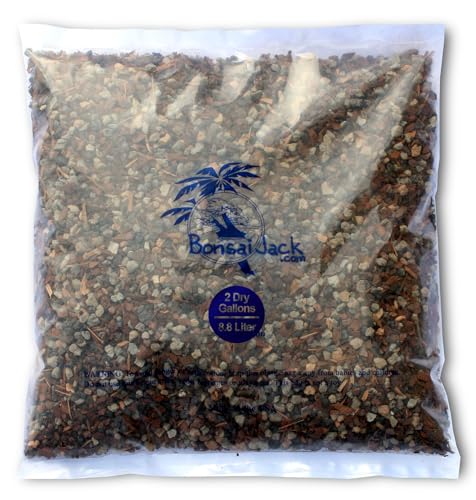
Bonsai Jack Universal Organic Bonsai Soil Mix #221

Char Bliss Organic Biochar 8 Qts

Worm Bliss Organic Worm Castings 1 Qt
GARDENWISE Organic Olive Tree Potting Mix 3 Quarts
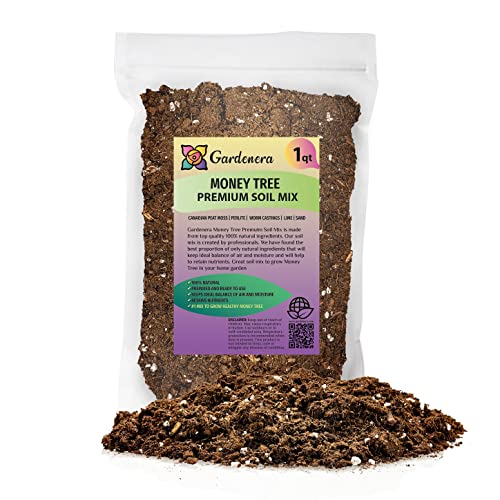
GARDENERA Money Tree Potting Soil Mix 1 Quart

Gardenera Money Tree Spray Fertilizer Mist 8 oz

Gardenera Liquid Money Tree Fertilizer 3-1-2 8 oz

NOHOBE Hard Akadama Bonsai Soil 2.5 lb
Inside Each Recommended Option
Earthworm castings are the polite guest at any soil party: a small scoop stirred into a basic blend lifts drainage, adds organic matter, and feeds the soil microbes that keep a money tree’s root zone alive. The 3-pound pouch from Earth Science is small enough to store on a shelf, but a little goes a long way. For most indoor growers repotting one or two money trees a year, this size covers several refreshes without going stale.
Used straight, castings stay dense and stay wet, which is the opposite of what a money tree wants at the base. The smart play is to blend roughly one part castings into three or four parts of a chunkier mix like the FoxFarm or Bonsai Jack entries further down. The result feels lighter, smells earthy, and gives roots the airy environment they need to push out new growth.
Notable Upsides
- Pure organic matter that feeds soil life without burning tender roots
- Improves water retention in sandy blends and lightens up heavy mixes
- Compact 3-pound pouch fits a closet or gardening drawer with room to spare
- Versatile enough to top-dress or blend into the root zone at repotting
Things To Consider
- Works best as an amendment, not a standalone potting medium for money trees
- Bag can dry out if left open, so resealing between uses keeps the biology active
At A Glance
Who It Suits Best
Home growers who already keep a basic potting mix on hand and want to upgrade it organically without buying a specialty blend every season.
Where Another Pick Suits Better
Anyone repotting a mature money tree in a single session should reach for the GARDENERA Money Tree Potting Soil Mix instead, since it arrives pre-blended and ready to pour.
FoxFarm Ocean Forest has earned a quiet reputation among indoor growers because it arrives ready to use straight from the bag. The texture stays light and slightly coarse, which gives money tree roots room to spread without trapping standing water. For anyone repotting a tall braided specimen into a 10-inch or 12-inch pot, the 1.5 cubic foot size covers the job with a little to spare.
The blend runs richer than a plain peat-based houseplant mix, thanks to worm castings, fish meal, and crab meal in the formula. That richness feeds a money tree through a full growing season without supplemental feeding, which is a relief for new plant owners still learning a watering rhythm. In a dimmer apartment corner, you may want to ease back on watering since the organic content holds moisture longer than a gritty bonsai blend.
The Good Stuff
- Light, aerated texture that drains freely in standard nursery pots
- Pre-charged with organic nutrients for the first several months
- Generous 1.5 cubic foot bag handles a full repot plus smaller top-ups
- Widely available in single bags or multi-pack bundles
Points To Note
- Heavier bag to lift and store compared to a quart-sized mix
- Holds moisture longer than a true bonsai blend, so watering frequency may need adjusting
Made For
Indoor growers with a medium to large money tree who want one dependable bag that handles repotting day without extra amendments.
Skip It When
You keep your plants in a cool, low-light room where the mix stays damp for over a week. The Bonsai Jack Universal Organic Bonsai Soil Mix dries out faster and forgives heavier hands with the watering can.
Bonsai Jack built its name around gritty, fast-draining mixes that prevent the slow suffocation most tropical houseplants suffer in standard soil. The Universal Organic blend screens and pre-washes each batch, so you open the bag to a clean, ready-to-use medium with a balanced pH around 6.4. For a money tree that hates wet feet, that pH and that drainage profile are exactly the right target.
Two gallons sounds modest, but the particle size means a little fills a 6-inch pot generously. Many growers mix Bonsai Jack with a touch of worm castings or coco coir to soften the texture for a tropical plant. The blend is also widely available in smaller quart bags, which helps if you only need enough for one small repotting session.
What Makes Sense
- Pre-screened and washed to remove fine dust that clogs drainage
- Balanced pH of 6.4 suits tropical species like the money tree
- Available from 2-quart sampler sizes up to 28-gallon bulk bags
- Sized for water absorption and evaporation that suits shallow bonsai-style pots
Trade Offs
- Costs more per quart than a basic houseplant mix
- Soaks up water fast, so you may water more often than with a peat-heavy blend
Feature Snapshot
Right Fit For
Anyone who has lost a money tree to root rot and wants the most forgiving, fast-draining option on the market.
Look Elsewhere When
You want a single bag that doubles as a nutrient source. FoxFarm Ocean Forest Potting Soil comes pre-charged, while Bonsai Jack leans toward a blank-slate approach that benefits from added fertilizer.
Biochar is the sleeper amendment on this list. Char Bliss comes from ethically harvested wood and tree trimmings, then is processed into a porous charcoal that holds nutrients and water in its structure without going soggy. Blending a few handfuls into a standard potting mix gives a money tree’s roots somewhere to anchor while improving drainage at the same time.
The 8-quart bag runs light, so it stores easily under a sink or on a shelf. Biochar is slow to break down, meaning a single application continues paying off across multiple repotting cycles. The honest read is that biochar alone is not a complete medium, so it works best as a supporting player next to a base mix like the FoxFarm or Bonsai Jack options above.
The Practical Payoff
- Improves nutrient retention by giving microbes a permanent home
- Adds drainage and aeration to heavy, peat-based blends
- Lightweight 8-quart bag is easier to handle than a cubic foot of soil
- Horticultural charcoal doubles as a gentle filter for root-zone odors
Worth Noting
- Too porous to use straight in a small pot without anchoring ingredients
- Dusty when dry, so dampen before stirring into other soil
Who Will Love This
DIY mixers who like to tune their own blends and want a long-lasting, sustainable amendment on hand.
Reach For A Different Pick When
You want a bag you can open and pour straight into a pot. The NOHOBE Hard Akadama Bonsai Soil serves a similar mineral-amendment role and skips the dusty texture.
Worm Bliss focuses on a single ingredient and does it well: a 100% organic, manure-free worm casting that mixes cleanly into potting soil for indoor or outdoor use. A 1-quart pouch is the right size for the casual grower who only refreshes one money tree every year or two. The smaller footprint stores on a pantry shelf next to the watering can without taking over the closet.
Worm castings carry nitrogen, phosphorus, potassium, and a long list of trace minerals that feed steady growth. The castings also introduce beneficial microbes that improve soil structure over time. For a money tree, you sprinkle a thin layer across the top once a season or stir a couple of tablespoons into the root zone at repotting. Either approach gives the plant a soft lift without the risk of fertilizer burn.
Everyday Perks
- Vegan, manure-free formula suits indoor use without odor
- Carries nitrogen, phosphorus, and potassium in gentle proportions
- Compact 1-quart pouch fits a small kitchen drawer
- Works as a top-dress or a pre-mixed amendment
Small Caveats
- Smaller pouch means more frequent repurchasing for big collections
- Wet castings can clump if stored in a humid room, so keep the bag sealed
Best Suited To
Apartment growers with one or two money trees who want a gentle organic boost without buying a full feeding kit.
A Better Fit Elsewhere
If you prefer a spray-and-go routine, the Gardenera Money Tree Spray Fertilizer Mist skips the measuring spoon and goes straight onto the leaves.

GARDENWISE designed this blend for olive trees, which share the money tree’s love of fast drainage and dry-down cycles between waterings. The formula leans on worm castings, compost, and limestone to balance pH while still pouring loose and gritty. For anyone whose money tree sits near a sunny window and dries out in a hurry, the Mediterranean-style profile of this mix translates beautifully.
The 3-quart bag is right-sized for a single 8-inch or 10-inch pot, with a little left over for a top-dress refresh a few months later. The organic ingredients target roughly 12 months of built-in nourishment, which takes the pressure off following a strict fertilizing calendar. In deeper shade or a cool basement apartment, you may find the limestone pushes pH a touch higher than a tropical plant prefers, so monitor leaf color in the first weeks.
Everyday Advantages
- Fast-draining texture mirrors the dry Mediterranean conditions olive trees prefer
- Worm castings and compost feed roots for an extended stretch
- Limestone helps stabilize pH in soft, acidic water
- Sized for one medium pot plus a follow-up top-dress
Points To Keep In Mind
- Higher pH target suits arid-loving plants more than typical tropical species
- Smaller bag runs out quickly for anyone with multiple large plants
Perfect Match For
Money tree owners who run their homes warm and bright and want a mix that dries predictably between waterings.
Consider Something Else When
Your money tree lives in a cooler or shadier spot. The GARDENERA Money Tree Potting Soil Mix is tuned specifically for Guiana chestnut and tolerates slower drying better.
GARDENERA built this blend specifically for the Guiana chestnut, the plant most stores sell as a money tree. The formula uses 100% natural ingredients in a proportion tuned to that species, which removes the guesswork of mixing your own. For a new money tree in a 4-inch or 6-inch nursery pot, a single 1-quart bag covers the move-up to a 6-inch pot with a small reserve for the next repot.
The blend reads as a specialist product, and that focus shows up in how the soil holds structure after a few watering cycles. Compared to a general houseplant mix, this one stays loose and resists compaction at the base of the pot. The smaller bag does run out fast if you maintain several mature specimens, so for a big indoor collection you may prefer a larger general-purpose bag like FoxFarm Ocean Forest and add your own amendments.
Key Advantages
- Designed specifically for the Guiana chestnut species
- Natural ingredients with no synthetic additives in the blend
- Pre-mixed to the right texture for a money tree’s root system
- Compact 1-quart bag fits any plant shelf
Honest Caveats
- Small bag means multiple purchases for a large plant collection
- Specialty blends typically cost more per quart than a general-purpose soil
Key Product Details
Whose Shelf It Belongs On
Anyone with a brand-new money tree ready to leave its nursery pot and step up into something roomier.
Where Another Pick Suits Better
Collectors repotting several plants in one afternoon will save effort with the bulk-sized FoxFarm Ocean Forest Potting Soil and a jar of Worm Bliss on the side.
This ready-to-spray mist pairs with any of the soil blends above rather than replacing them. The 3-1-2 nutrient ratio delivers a soft nitrogen-forward feed that money trees respond to during the active growing months, without the harsh mineral salts that can crisp leaf tips. An 8-ounce bottle fits on a windowsill next to a mister and rewards a quick weekly spritz during spring and summer.
Foliar feeding through the leaves offers a faster uptake than soil feeding, especially for plants that sit in cool rooms where root activity slows. The bottle pumps a fine mist that coats the foliage without dripping onto furniture. If you travel often or tend to forget scheduled feedings, a spray routine tends to stick better than mixing liquid concentrate every few weeks.
The Value In It
- Gentle 3-1-2 ratio suits money trees without leaf-tip burn
- Pre-mixed bottle skips measuring and diluting steps
- Foliar uptake feeds plants faster than root feeding in cool conditions
- Compact 8-ounce bottle fits on most plant shelves
Worth Bearing In Mind
- Spray bottle may clog if stored on its side or in high humidity
- Foliar feeding complements soil but does not replace a complete medium like the GARDENERA Money Tree Potting Soil Mix
Built With In Mind
Busy plant owners who want a quick weekly routine without measuring liquid fertilizer or remembering feeding calendars.
Swap It Out When
You prefer to feed only at the roots. The Gardenera Liquid Money Tree Fertilizer 3-1-2 Concentrate lets you mix larger doses into your watering can for soil applications.
The concentrate form of the Gardenera fertilizer gives more flexibility than the spray version. You dilute a small amount into your regular watering can and feed through the soil, which suits plants that drink deeply and need a sustained nutrient push. The 3-1-2 ratio targets foliage growth first, then roots, then overall plant vigor, which lines up nicely with how money trees grow through the warmer months.
An 8-ounce bottle concentrates down into a generous number of feedings for a single money tree, stretching several months at typical dilution rates. Organic ingredients keep the smell mild for indoor use, so you can apply it in a living room without broadcasting a strong fertilizer odor. If your watering routine already runs on a set schedule, slotting in a monthly dose is easier than juggling a separate spray bottle.
Advantages To Know
- Concentrated 3-1-2 ratio dilutes into many feedings per bottle
- Organic base keeps indoor odor mild during application
- Soil feeding reaches roots directly without relying on leaf uptake
- Compact 8-ounce bottle stores on a shelf with other plant supplies
Potential Drawbacks
- Requires measuring and diluting before each feeding session
- Bottle needs a cool, dark storage spot to keep the concentrate stable
Who Should Grab It
Owners with a regular watering cadence who prefer root-zone feeding and want a concentrate that stretches across many applications.
Where A Sibling Pick Shines
The Gardenera Money Tree Spray Fertilizer Mist wins for anyone who forgets to mix concentrate or wants a quicker leaf-and-go approach.
Akadama is a Japanese clay granule prized by bonsai growers for its balance of drainage and water holding. The NOHOBE bag uses 1/8 to 1/4 inch small-grain particles that suit tropical plants in shallow containers. As a money tree amendment, akadama keeps the root zone airy while still holding a little moisture between waterings, which is the exact midpoint a healthy money tree prefers.
The clay granules darken when wet, giving you a visual cue that you have watered thoroughly. That feedback loop helps new plant owners calibrate their watering rhythm without sticking a finger into the pot every few days. The 2.5-pound bag is sized for a single medium repot or a series of small adjustments across several plants.
Useful Highlights
- Clay granules balance drainage with moderate water retention
- Darkens visibly when wet, acting as a watering indicator
- Hard grade resists breaking down for several growing seasons
- Small 1/8 to 1/4 inch grain suits tropical foliage in shallow pots
Things To Weigh
- Works best blended with organic matter, not as a standalone medium
- Hard grade still breaks down over years and benefits from periodic repotting
Spec Overview
The Right Fit
Hobbyists who enjoy tuning their own mix and want a Japanese-grade mineral amendment on hand for money trees and bonsai alike.
Another Choice May Suit
For a one-step ready-to-pour option without the measuring, FoxFarm Ocean Forest Potting Soil handles the same job with no blending required.
What Matters Most When Choosing Soils For Money Tree
A money tree’s root system sits shallow and wide, which means the top few inches of soil do most of the work. Drainage matters more than nutrient density, since the plant evolved in seasonal wetlands where the water table drops between rains. Pick a mix that pours loose, lets water run through within a second or two, and leaves air pockets around the roots.
Organic content still matters, but in moderation. Worm castings, compost, and pine bark feed the soil biology that keeps a money tree’s root zone alive. Look for a blend that lists these alongside a coarse mineral component like perlite, akadama, pumice, or biochar. The mineral side creates the structure, while the organic side provides slow-release nutrition.
Pot size and material also shape your choice. A 4-inch plastic pot dries slower than a 10-inch terracotta pot, which means the same mix behaves differently across containers. In small nursery pots, lean toward a grittier blend like Bonsai Jack or akadama-heavy mix. In larger pots with more soil volume, a richer blend like FoxFarm Ocean Forest holds moisture long enough to keep deeper roots active.
Key Considerations Across These Picks
Common Shopping Slip Ups
The most common mistake is grabbing a generic houseplant or African violet mix and assuming it will translate. Those blends hold too much water for a money tree’s liking, especially in a low-light apartment corner. Another trap is buying a large bag of bargain soil without checking the texture; dense, fine-grained mixes compact fast and strangle roots within a season. Read the ingredient list, not just the front label, before committing.
Where The Extra Money Goes
Premium soils earn their higher price through screened particles, balanced pH, and pre-washed components that skip hours of prep work. A bag of Bonsai Jack or NOHOBE akadama looks expensive per quart, but the time you save sifting and the plant losses you avoid usually justify the spend. Specialty money tree mixes from GARDENERA charge a small premium for species-specific tuning, which pays off for new owners who do not yet trust their own blend ratios.
Frequently Asked Questions
What kind of soil is best for a money tree?
A fast-draining mix that combines pine bark, coco coir, perlite, and a coarse amendment like akadama or biochar works well. Pre-blended options like FoxFarm Ocean Forest or Bonsai Jack Universal Organic Bonsai Soil Mix remove the guesswork for new owners.
Can I use regular potting soil for a money tree?
Standard potting soil holds too much moisture for a money tree and risks root rot in most indoor conditions. Cutting it with perlite or pine bark improves drainage, though a purpose-built blend is a safer starting point.
How often should I repot my money tree?
Young plants benefit from repotting every two to three years, while mature specimens can stretch to three or four years between moves. Refresh the top inch of soil annually if a full repot is not yet due.
Do money trees need fertilizer?
Money trees grow steadily through spring and summer without heavy feeding, though a gentle monthly dose of a 3-1-2 liquid fertilizer supports active growth. Reduce or pause feeding during the cooler winter months when growth slows.
What size pot is right for a money tree?
Pick a pot one to two inches larger in diameter than the current root ball, with drainage holes at the bottom. Oversized pots hold excess moisture and slow the dry-down cycle that money trees need between waterings.
The Takeaway
A money tree thrives when the soil drains fast, breathes well, and feeds lightly. The right blend depends on how bright and warm your home runs, how often you like to water, and whether you prefer a ready-to-pour bag or a custom mix you build yourself. Start with one of the all-in-one options like FoxFarm Ocean Forest or GARDENERA Money Tree Potting Soil Mix, then add worm castings or akadama as your confidence grows.
